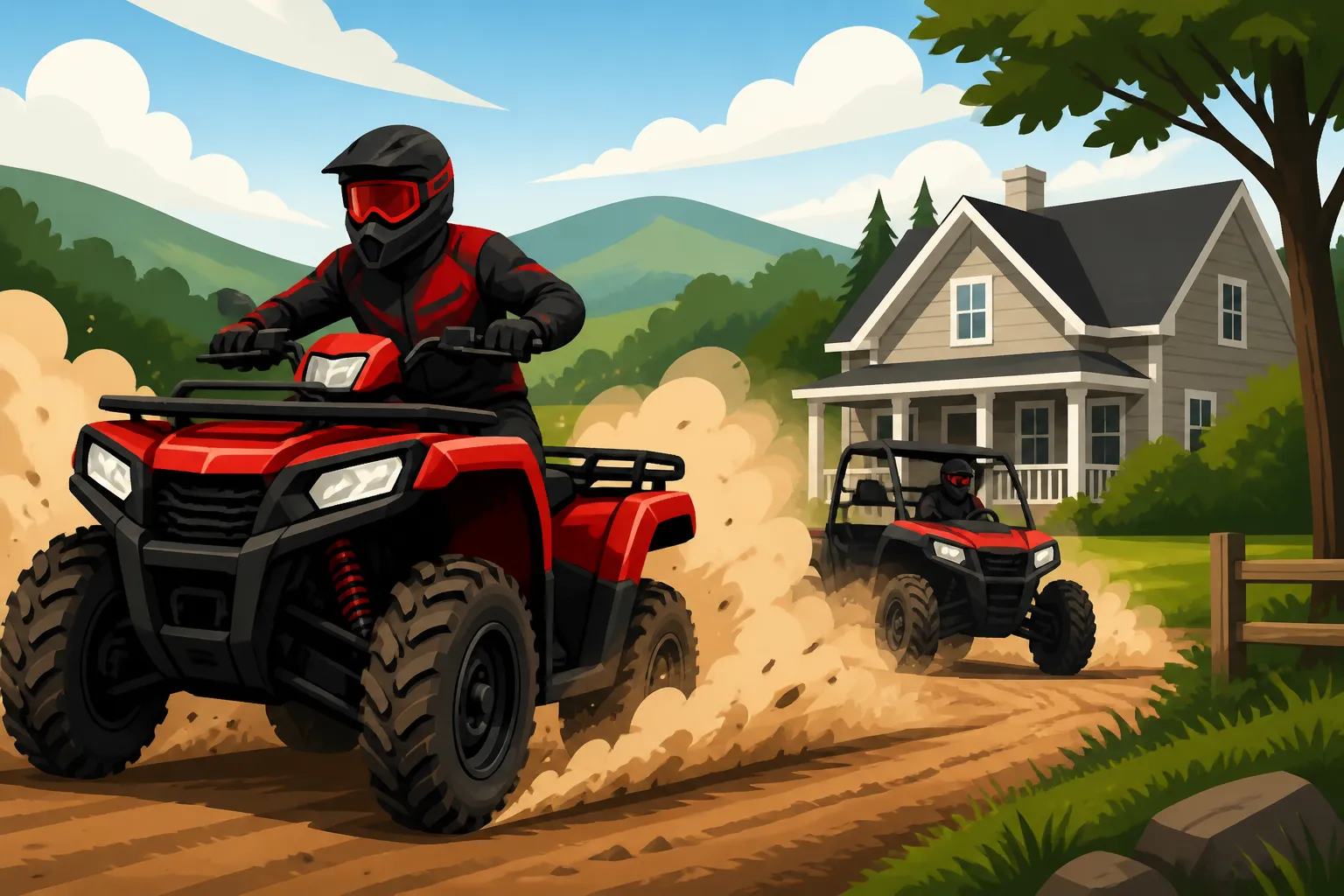
Dust Near a Rural Home
There’s nothing quite like the peace and quiet of living in rural New Brunswick, is there? The fresh air, the sounds of nature, maybe a gentle breeze rustling through the trees. It’s idyllic, until the roar of an ATV or UTV passes by, leaving a massive plume of dust in its wake that settles over everything – your freshly washed car, your garden, your open windows, and often, your patience. This guide is here to walk you through why dust near rural homes is such a pervasive problem for both residents and riders, and what practical, empathetic steps everyone can take to minimize this frustrating reality.
Understanding the Problem: Why Dust is Such a Nuisance
For anyone who lives near a popular off-road vehicle route or even a shared dirt road in New Brunswick, dust isn't just a minor inconvenience; it's a genuine quality-of-life issue. It impacts everything from the cleanliness of your home to the air you breathe, and it can quickly turn a peaceful afternoon into a dust-filled ordeal.
The Impact on Rural Life
Imagine you've just spent a Saturday morning meticulously washing your car, cleaning your windows, and perhaps even hanging laundry out to dry in the sun. Then, a few minutes later, a group of off-road vehicles tears down the nearby gravel road or trail, and a thick cloud of fine, grey dust billows up and drifts directly towards your property. Within moments, everything is coated again. It’s incredibly frustrating and feels like a direct assault on your efforts and enjoyment of your home. This isn't just about aesthetics; repeated dust exposure can also affect the health of residents, especially those with respiratory sensitivities. It also grinds into mechanical parts, fades paint, and generally makes maintaining a clean home and yard a never-ending battle. For those who grow gardens, the dust can settle on leaves, potentially hindering plant growth and certainly making edibles unappetizing without a thorough wash.
Beyond the physical nuisance, dust can create significant friction between neighbours and the riding community. Rural areas thrive on a sense of community and mutual respect. When one activity consistently creates an unwelcome byproduct for others, it erodes goodwill. Homeowners might feel disregarded, leading to resentment and even official complaints, which can ultimately harm the reputation and access for riders. It’s a delicate balance, and dust often tips it in the wrong direction.
Sources of Dust
So, where does all this dust come from? It's typically a combination of factors, each contributing to the scale of the problem. Primarily, the surface material of the roads and trails is a major culprit. Unpaved surfaces, especially those made of gravel, shale, or compacted dirt, are inherently prone to generating dust when disturbed. New Brunswick has countless kilometres of such roads and trails, making dust a constant concern. The drier the conditions, the more dust is available to be kicked up. A long spell of dry weather, particularly in late spring or summer, turns these surfaces into perfect dust-manufacturing machines.
Then there's the vehicle itself and how it's operated. The speed at which an ATV or UTV travels has a direct correlation to the amount of dust generated. Higher speeds create more turbulence and lift more fine particles into the air. Similarly, aggressive driving, such as quick acceleration or sharp turns, can churn up more material than a smooth, consistent pace. The type of tires on the machine also plays a role; aggressive tread patterns designed for traction in mud or loose terrain can be particularly good at digging into the surface and throwing up dust. While we love our machines, we have to acknowledge they are also efficient dust producers in the right conditions.
Practical Strategies for Riders to Reduce Dust
Riders often just want to enjoy the trails, and the idea of causing a nuisance might be far from their minds. However, a little awareness and a few adjustments to riding habits can make a huge difference in mitigating dust. It’s all about being a good neighbour and preserving access to the beautiful [New Brunswick ATV Trails: The QuadNB Network] we have here.
Mind Your Speed and Machine
This is probably the most impactful change a rider can make: slow down, especially when passing homes, camps, or other occupied areas. It might seem obvious, but the temptation to open up the throttle on a straight stretch of gravel can be strong. However, reducing your speed significantly decreases the amount of dust you kick up. Think of it this way: a vehicle travelling at 20 km/h will produce far less dust than one going 60 km/h. It’s not just about courtesy; it's physics.
Consider the surface you're on. On deeply rutted or very loose gravel, even a moderate speed can create a considerable plume. Adjust your speed accordingly. Smooth, steady acceleration and braking also help. Jerky movements tend to agitate the surface more.
Beyond speed, some modifications to your machine can help, though these are typically more involved. Dust deflectors or mud flaps can help contain some of the immediate kick-up behind the tires, especially for UTVs. While you might be focused on performance parts from brands like SuperATV, thinking about accessories that promote good trail etiquette is just as important for the long-term health of our riding community. Maintaining your exhaust system to ensure it's not blowing excessive soot or unburnt fuel, which can exacerbate the dust problem, is also a good practice. [New Brunswick Equipment Checks by Officers] might even include a look at these details.
Smart Trail Choices and Timing
Sometimes, the best way to reduce dust is to avoid dusty conditions altogether. This means being strategic about when and where you ride.
- After Rain: The best time to ride on unpaved surfaces for minimal dust is shortly after a good rainfall. The moisture binds the dust particles, keeping them on the ground. This provides excellent traction and a much cleaner ride. Of course, excessive rain can lead to mud and trail closures, so it's a balance. Always check [New Brunswick Trail Conditions Before You Go].
- Morning/Evening: During the cooler parts of the day, particularly early morning or late evening, there might be more ambient moisture or dew on the ground, which can suppress dust. The air is also generally calmer, so any dust that does get airborne settles more quickly.
- Alternative Routes: If you know a particular section of trail runs directly past several homes and is notoriously dusty, consider if there’s an alternative route, even if it adds a few extra minutes to your journey. Sometimes, a slightly longer, less intrusive path is worth it for the sake of neighbourly relations.
- Trail Type: Opt for trails that are better maintained or have a different surface composition if dust is a major concern. Some trails might be packed earth rather than loose gravel, for instance.
Remember, a little planning goes a long way. Being a conscientious rider helps everyone, ensuring our trails remain open and welcoming. Don't forget that [New Brunswick Documents You Must Carry] include your registration and insurance, so ensure those are always in order as part of your responsible riding practices.
What Homeowners Can Do to Mitigate Dust Impact
Living next to a popular ATV/UTV route doesn't mean you're powerless against dust. There are proactive steps homeowners can take to protect their property and foster a more harmonious relationship with the riding community. It’s about creating barriers and opening lines of communication.
Property Management and Landscaping
Your property itself can be your first line of defense against dust. Strategic landscaping and regular maintenance can make a noticeable difference.
- Vegetation Barriers: Planting hedges, shrubs, or trees along the property line closest to the dusty road or trail can act as a natural dust filter and windbreak. Dense foliage can trap dust particles before they reach your home and slow down air currents, causing dust to settle closer to the source. Deciduous trees offer summer protection, while evergreens provide year-round benefits.
- Gravel Alternatives: If a section of your driveway or access road is gravel and contributes to the problem, consider alternative surfaces for areas immediately around your home. Paving a short stretch, using permeable pavers, or even applying dust suppressants (calcium chloride is a common, though temporary, solution) can help.
- Watering: For areas of your own property that are gravel or dirt and generate dust when vehicles pass, a periodic watering can temporarily suppress dust. This is often only practical for smaller, localized areas, but it can make a difference during particularly dry spells.
- Home Protection: Keep windows and doors closed during peak riding times. If you have screen doors or windows, consider adding tighter mesh screens. For very severe cases, you might consider air purifiers indoors to capture fine dust particles that inevitably make their way inside. Routinely cleaning outdoor furniture and vehicles is also a given, unfortunately, but it helps manage the accumulation.
Engaging with Riders and Clubs
Sometimes, the most effective solution is direct, polite communication. Many riders are unaware of the impact their activities have.
- Friendly Communication: If you see riders on the trail or road, and they're going particularly fast near your home, a friendly wave or a polite, non-confrontational conversation when appropriate can work wonders. Most people are reasonable and will respond positively to a respectful request rather than an angry complaint. You might even find that some riders are locals themselves and are receptive to your concerns.
- Contacting Local Clubs: New Brunswick has a robust network of ATV clubs under the QuadNB Federation. These clubs manage many of the trails and are deeply invested in responsible riding. Reaching out to your local club (you can often find their contact information through the QuadNB website or by asking at local powersports shops) can be very productive. They often have established communication channels with their members and can put out notices or emphasize dust reduction at club meetings. They also work with municipalities on [New Brunswick Local Bylaws That Open Roads] and trail management.
- Community Meetings: If dust is a widespread issue in your area, consider organizing a community meeting, perhaps inviting representatives from the local ATV club. This provides a forum for open discussion and collaborative problem-solving. It’s much easier to find solutions when everyone feels heard.
Community Solutions and Legal Considerations
While individual actions are crucial, broader, more organized efforts can provide long-term solutions to dust issues. This often involves working with local authorities and trail organizations.
The Role of Local Bylaws and Trail Clubs
Local municipalities in New Brunswick have the power to create bylaws that govern off-road vehicle use, including aspects like speed limits on shared roads or designated trail sections. If dust is a significant community concern, approaching your local council with your neighbours could lead to the implementation or enforcement of specific measures. However, this process can be lengthy and requires sustained community effort.
QuadNB and its member clubs play a vital role in trail maintenance and rider education. They often work on trail surfaces, sometimes adding binding agents or managing drainage to reduce dust and erosion. Financial resources for such projects can be limited, but advocating for these improvements through the club is important. Clubs also regularly promote responsible riding etiquette, including respecting private property and reducing speed in populated areas. Your [New Brunswick Trail Permit Cost] helps fund this kind of work, including brushing and culvert maintenance, which indirectly can affect dust. Don't forget, [New Brunswick Requires Insurance on Trails] as well, which speaks to the broader responsibility of riders.
When to Seek Further Action
If polite requests and engagement with clubs don't yield sufficient results, and the dust continues to be an unreasonable nuisance, there are further avenues.
- Document Everything: Keep a record of incidents: dates, times, descriptions of the dust, and any photos or videos you can safely take. This documentation is essential if you need to escalate your concerns.
- Official Complaints: Contact your local municipal bylaw enforcement officer or the RCMP (if the issue is on a public road where provincial traffic laws apply). They can investigate and, if warranted, issue warnings or fines for infractions like excessive speed or reckless operation. Be prepared to provide your documented evidence. Remember that [New Brunswick Penalties for Riding Unregistered] or [New Brunswick Penalties for Riding Uninsured] are serious, indicating that there are mechanisms for enforcement.
- Consider a Complaint to the Off-Road Vehicle Enforcement Unit: New Brunswick has a dedicated Off-Road Vehicle Enforcement Unit within the Department of Justice and Public Safety. If the issue relates specifically to off-road vehicle use on trails or Crown land, this unit has the mandate to investigate.
- Legal Advice: As a last resort, if all other avenues fail and the problem severely impacts your property or health, consulting with a lawyer might be an option to understand any potential legal recourse, although this is usually reserved for extreme, persistent cases.
Ultimately, the goal is often not to stop ATV/UTV riding altogether, but to achieve a balance where everyone can enjoy rural New Brunswick without undue burden. By understanding the problem, taking practical steps, and engaging respectfully, we can work towards solutions that benefit both riders and residents.
| Action Type | Rider Responsibilities | Homeowner Strategies |
|---|---|---|
| Direct Impact | Reduce speed near homes, especially on dry days. | Close windows/doors during peak riding times. |
| Prevention | Ride after rain or during damp conditions. | Plant hedges/trees as natural dust barriers. |
| Choose less dusty alternate routes if available. | Consider paving or dust suppressants on own gravel. | |
| Equipment | Maintain machine, consider mud flaps/dust deflectors. | Install tighter mesh screens. |
| Engagement | Be courteous and acknowledge residents. | Politely communicate concerns to riders/clubs. |
| Support club efforts in trail maintenance. | Attend community meetings to discuss solutions. | |
| Escalation | N/A (focus on being a responsible rider) | Document issues, contact bylaw enforcement/RCMP. |
| Involve Off-Road Vehicle Enforcement Unit for trails. |
Disclaimer
This article is for general informational purposes only and does not constitute professional advice. Laws, prices and regulations vary by location and change over time. Consult a qualified professional for guidance on your specific situation.