New Brunswick Speed Limits on Designated Roads
It's a common dilemma for ATV and side-by-side riders in New Brunswick: you're out on a beautiful day, enjoying the trails, and suddenly find yourself on a section of road that's been designated for ORV use. The question immediately pops into your head: what's the speed limit here? The confusion is understandable because the rules aren't always crystal clear, leading to frustration and, sometimes, unintentional infractions. This guide is here to untangle the complexities of New Brunswick's speed limits on designated roads, helping you ride legally, safely, and with peace of mind.
The Reality of Riding ATVs on New Brunswick Roads
Let's be honest, the idea of taking your ATV or side-by-side onto public roads can feel a bit like walking a tightrope. On one hand, you want the convenience of connecting trails or accessing services; on the other, you're acutely aware that you're operating a machine primarily designed for off-road environments. New Brunswick has made strides in allowing limited road access, but it's not a free-for-all. Understanding the specific circumstances under which you can even be on a road is the first crucial step before you even think about speed.
When Can You Even Ride on a Road?
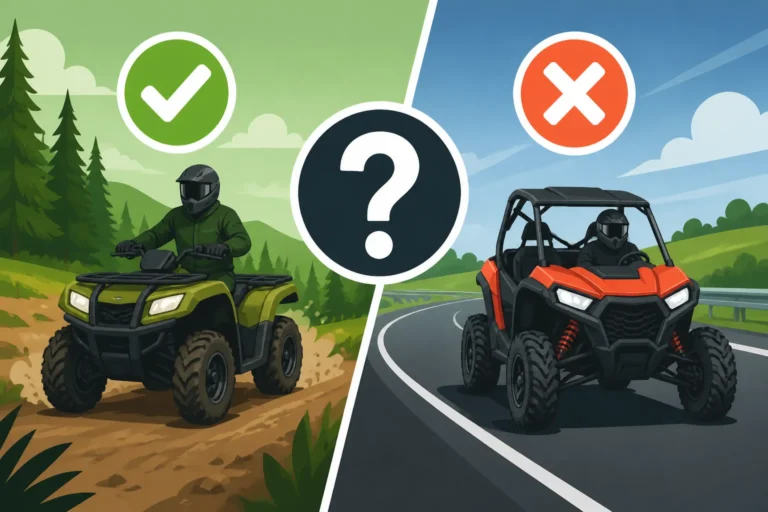
For most of us, the default assumption is that ATVs and UTVs aren't street legal. And that's largely true. New Brunswick's Off-Road Vehicle Act generally restricts ORVs from being operated on the "travelled portion" of a highway. This is where the local nuances come into play. Municipalities have the power, through bylaws, to designate specific sections of roads for ORV use. These aren't just any roads; they're typically stretches that connect trails, provide access to fuel or food, or allow passage through a community. Without such a bylaw or a specific ministerial designation, riding on a public road, even briefly, is generally a no-go.
It’s not just about a sign going up. These designations often come with very specific conditions. They might dictate the hours of operation, the type of ORVs allowed, and, yes, the speed limits. Ignoring these foundational rules can lead to serious fines, regardless of how fast or slow you're going. It's about legitimate access, not just finding a shortcut. Before you even contemplate hitting a paved or gravel road, you need to be absolutely sure that stretch has been opened up for ORV traffic. [New Brunswick ATV Road Rules Explained] dives deeper into the general framework of what's permissible.
The Importance of Knowing Your Limits (and the Law's Limits)
Riding on designated roads, while convenient, introduces a whole new set of responsibilities. You're no longer just navigating stumps and mud; you're sharing space with cars, trucks, and potentially pedestrians. Your machine, whether it's a nimble sport quad or a robust utility side-by-side, behaves differently on asphalt or hard-packed gravel than it does on a loose trail. The physics change, and so does the required level of caution. This is where knowing the law's limits on speed becomes paramount, not just for avoiding a ticket, but for your own safety and the safety of others.
The frustration often stems from the patchwork nature of these regulations. You might encounter a 50 km/h limit in one town, and then a 20 km/h limit just a few kilometres down the road in another. This inconsistency can be maddening, but it underscores the need for constant vigilance. Beyond the legal aspect, responsible speed management on roads is crucial for maintaining a positive public image for the entire ORV community. We all want more access, and respecting the rules, especially speed limits, is how we build trust with residents and local governments. No one wants to see increased restrictions because a few riders decide to push the envelope. [New Brunswick Rules Riders Get Wrong] often includes misunderstandings about these very limits.
Deciphering New Brunswick's Speed Limit Regulations
Once you've confirmed that you're on a legally designated road for ORV use, the next step is figuring out how fast you can actually go. This isn't always as simple as looking for a standard highway speed sign. New Brunswick's regulations for ORVs on roads often have their own specific limits, which can sometimes be lower than what you'd expect for a typical passenger vehicle. It's about striking a balance between utility and safety in a mixed-use environment.
Posted Speed Limits vs. General Rules
On any road section designated for ORV travel, the ideal scenario is that there will be clear signage indicating the specific speed limit for ATVs and UTVs. These signs are your best friend; they override any general highway speed limits for other vehicles and provide unequivocal guidance. If you see a sign that says "ORV Speed Limit 50 km/h," that's your maximum. Always look for these specific ORV postings first.
However, what happens when there isn't a specific ORV speed limit sign? This is where it gets a bit trickier. In the absence of a designated ORV speed limit sign, the general rule of "reasonable and prudent" applies, but it's heavily influenced by the nature of the road and the surrounding environment. While you might be tempted to adhere to the regular posted speed limit for cars, the Off-Road Vehicle Act and common sense often suggest a more cautious approach for ORVs. Remember, these machines have different braking distances, cornering abilities, and visibility profiles than cars. Therefore, even if a car can go 80 km/h, your ORV might be restricted to a lower speed by default or by the spirit of the law, especially if the designation comes from a [New Brunswick Municipal Bylaws That Open Roads].
The 50 km/h and 20 km/h Rules
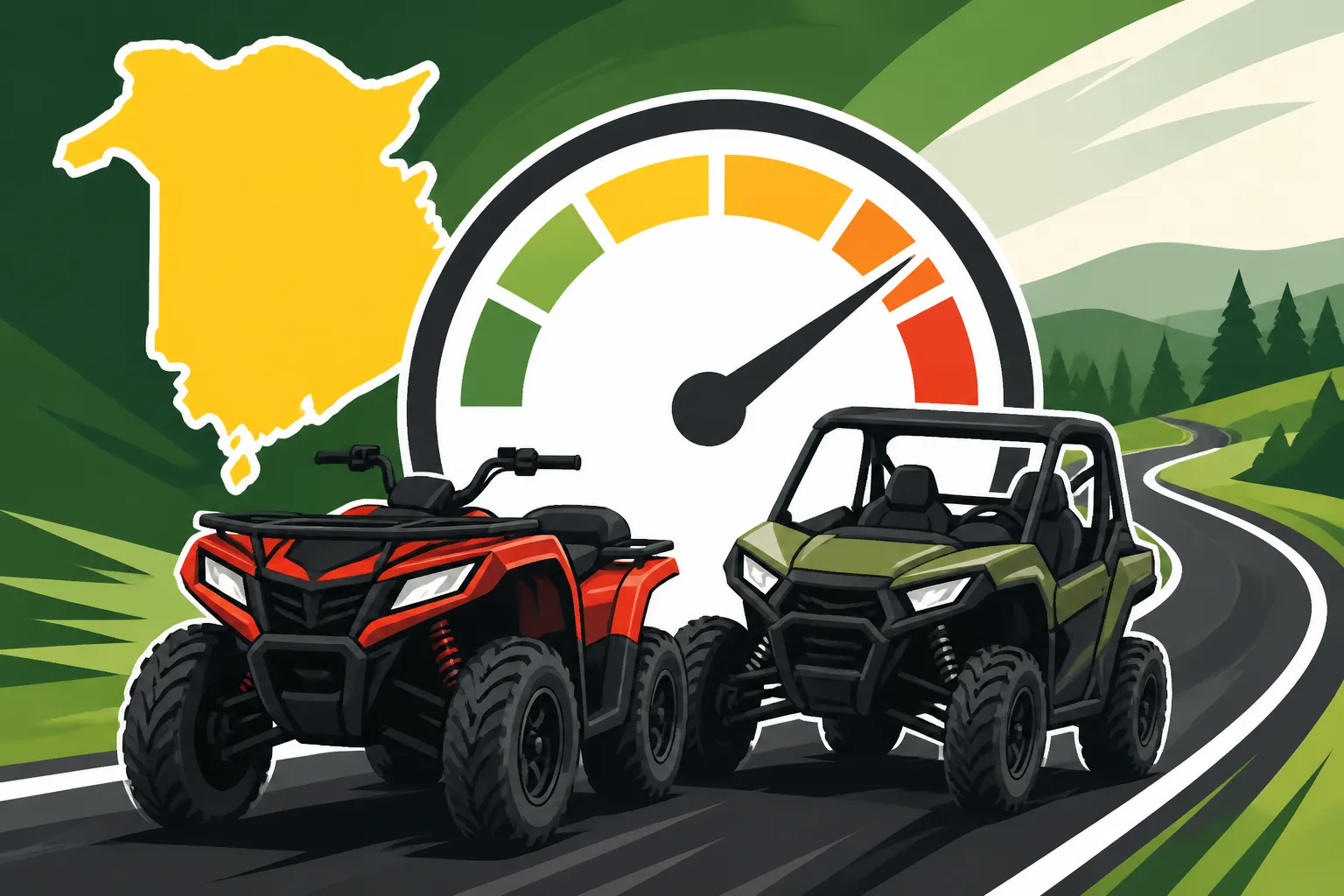
New Brunswick's Off-Road Vehicle Act has specific provisions for speed when ORVs are permitted on or near roads. Generally, when operating on a designated highway or road section, the maximum speed for an ORV is often capped at 50 kilometres per hour. This applies even if the regular speed limit for cars on that same stretch is higher. This 50 km/h limit is a common figure in municipal bylaws that open up roads for ORVs, reflecting a cautious approach to integrating these machines into the road network. It allows for reasonable travel while acknowledging the different dynamics of an ORV.
Beyond the general operating limit, there's an even stricter rule to be aware of: the 20 kilometres per hour limit. This lower speed is typically mandated in more sensitive areas or during specific manoeuvres. For instance, when you are crossing a highway at a designated crossing point, or when operating within a very specific proximity to residences or certain buildings, the speed often drops to 20 km/h. This is a critical safety measure, ensuring you have ample time to react to traffic and that you minimize noise and dust disturbances to nearby homes. Ignoring this 20 km/h rule, even for a short distance, can lead to significant fines and endanger yourself and others. Always err on the side of caution when you are approaching or crossing any road. For details on crossing rules, see [New Brunswick Rules for Crossing a Road].
| Scenario | Typical Maximum Speed (ORV) | Notes |
|---|---|---|
| Designated Road Section (no specific ORV sign) | 50 km/h | Generally, even if highway speed is higher. Always ride "reasonable and prudent." |
| Designated Road Section (ORV sign present) | As Posted | Defer to specific ORV speed limit signs if present. |
| Crossing a Highway | 20 km/h | Critical for safety, full stop required before crossing. |
| Near Residences/Buildings on Designated Road | 20 km/h (often) | Many bylaws specify lower speeds in residential areas for noise/safety. Check local bylaws. |
| On a Trail Connecting to a Road | Variable | Follow trail rules, but slow down considerably as you approach any road section or crossing. |
Factors Influencing Speed Limits Beyond the Sign
While posted signs and general provincial rules provide a framework, the reality of safe and legal riding on designated roads involves much more than just numbers. An intelligent rider understands that external factors, environmental conditions, and even the machine they're on, all play a role in determining a truly "safe" and "prudent" speed, even if it's below the legal maximum. This nuanced understanding is what separates a good rider from a great one, and it's essential for avoiding accidents and maintaining good relations with the public.
Road Conditions and Visibility
Imagine a perfectly clear summer day. The designated gravel road is smooth, visibility is excellent, and you can easily maintain the 50 km/h limit. Now, picture that same road after a heavy rain, or worse, during a light snowfall or when thick fog rolls in. The legal speed limit might technically remain 50 km/h, but is it safe to go that fast? Absolutely not. Wet gravel significantly reduces traction, increasing braking distances and making steering less predictable. Muddy sections can grab your tires, pulling your machine unexpectedly. Snow and ice introduce extreme slipperiness, turning even a slight turn into a potential slide.
Poor visibility, whether from fog, heavy rain, or even the dust kicked up by other vehicles, also demands a drastic reduction in speed. You need to be able to see and react to unexpected obstacles, pedestrians, or other vehicles. Trying to adhere to a maximum speed limit in these conditions is an invitation for disaster. Responsible riders always adjust their speed downwards to match current road conditions, ensuring they can stop safely and maintain control. It’s not just about staying within the legal limit; it’s about adapting to the environment.
Proximity to Homes, Schools, and Pedestrians
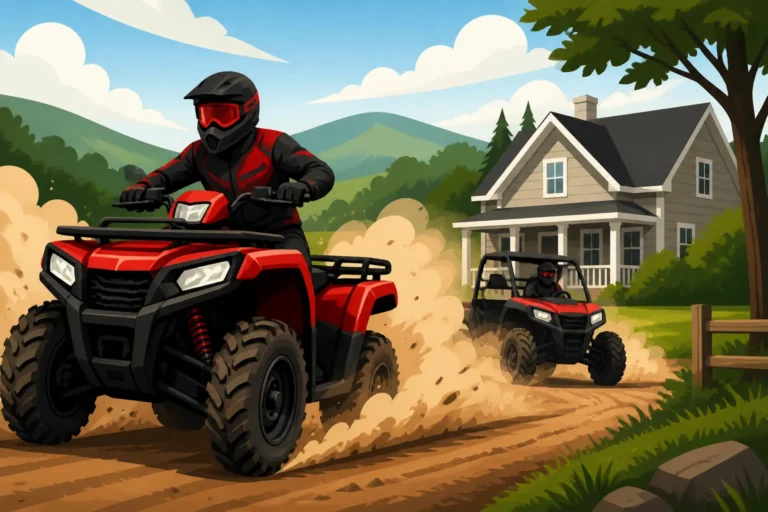
Even on a perfectly dry, clear day, the social contract of riding on designated roads comes into play, especially when you're passing through developed areas. The legal limit might say 50 km/h, but if you're roaring through a small village street with houses close to the road, children playing, or people walking their dogs, that speed can feel incredibly intrusive and unsafe to residents. This is where the "reasonable and prudent" clause of the law really shines, and where local bylaws often impose even stricter limits. Many towns will specifically designate a 20 km/h zone for ORVs when travelling through residential sections, even if the general road speed is higher.
Noise is a significant concern for residents. While ATVs and UTVs have come a long way in sound dampening, they are still louder than a typical car. Speed amplifies noise. Dust is another issue, particularly on gravel roads. High speeds kick up more dust, which can settle on homes, cars, and vegetation, creating a nuisance. Being mindful of these impacts and consciously slowing down out of courtesy, even when not legally required to go as slow as 20 km/h, goes a long way in fostering good community relations. Nobody wants their ORV access revoked because of a few inconsiderate riders. [New Brunswick Rules for Riding a Village Street] emphasizes these sensitivities.
Type of Machine and Rider Skill
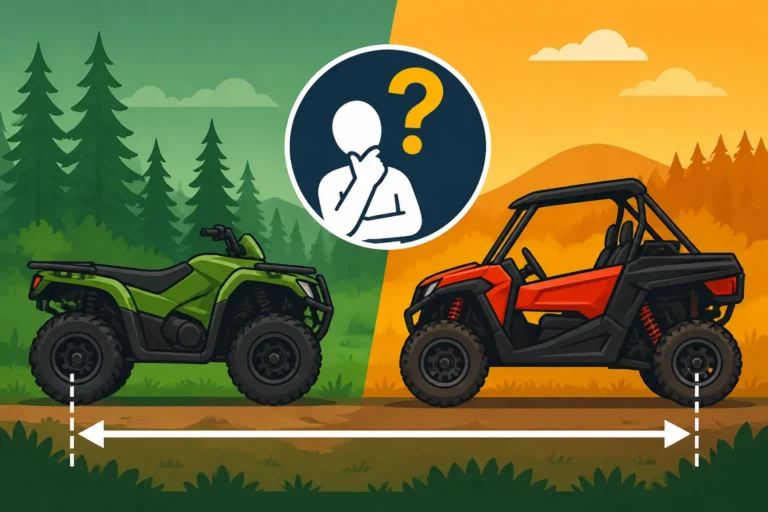
Not all ATVs and UTVs are created equal, and neither are all riders. The type of machine you're operating should absolutely influence your chosen speed on designated roads. A lightweight, sporty single-rider ATV will handle differently than a large, heavy side-by-side packed with passengers and gear. Side-by-sides, with their higher centre of gravity and often wider stances, can feel more stable, but they also have greater mass to control and stop. A nimble quad might feel responsive, but it can also be more prone to instability at higher speeds on hard surfaces.
Furthermore, consider your own skill level and experience. A seasoned rider with thousands of kilometres under their belt will have a different comfort and capability level than someone who just bought their first machine last week. If you're new to riding on roads, or new to a particular machine, it's wise to start slow and gradually build confidence. Even advanced accessories, like performance tires or improved suspension from brands like SuperATV, enhance your machine's capabilities but don't give you a free pass to ignore speed limits or ride beyond your skill. They improve safety and control within the legal and prudent limits, not beyond them. Always match your speed to your machine's capabilities and your personal riding skill, especially when dealing with unforeseen circumstances.
Penalties and Enforcement of Speeding
Ignoring speed limits on designated roads for ATVs and UTVs in New Brunswick isn't just about an abstract rule; it carries real consequences. Law enforcement agencies take these infractions seriously, not only because they are breaches of the law but because speeding ORVs pose a significant safety risk to riders, other motorists, and pedestrians. Understanding the potential repercussions can be a strong motivator to keep your speed in check.
What Happens If You're Caught
If you're caught exceeding the posted or default speed limit on a designated ORV road, you can expect a ticket. The specific fines will vary depending on how far over the limit you were travelling, but they are not insignificant. These are "set fines," meaning a standard amount applies, and they can certainly put a dent in your wallet. For example, fines for speeding on a public highway can range into the hundreds of dollars, plus court costs and victim services surcharges. While the exact amounts can change, the principle remains: speeding will cost you.
Beyond the immediate financial penalty, there are other considerations. A speeding ticket could impact your insurance rates, as it demonstrates a pattern of risky driving behaviour. Law enforcement officers, including the RCMP, municipal police, and conservation officers, all have the authority to enforce the Off-Road Vehicle Act. This means you could be stopped by any of these authorities. They are also looking for other infractions, such as missing registration or proof of insurance. Getting caught speeding might lead to a more thorough inspection of your machine and paperwork. [Being Stopped by an Officer on a Club Trail] covers general interactions, but road stops bring added scrutiny.
Avoiding Common Speeding Pitfalls
The best way to avoid a speeding ticket, and more importantly, to ensure your safety and that of others, is to adopt a defensive riding approach. Always assume the lower limit, especially if you're unsure. If you see a general highway speed limit of 80 km/h, but you're on a designated ORV road, default to the 50 km/h (or 20 km/h in sensitive areas) rule unless explicitly stated otherwise by an ORV-specific sign. It's better to be a little slow and safe than fast and sorry.
Another common pitfall is complacency. After riding miles of open trail, hitting a short section of designated road can sometimes lead riders to subconsciously maintain their trail speed. Consciously remind yourself to slow down and shift your riding mindset as you transition from trail to road. Pay close attention to signage as you enter and exit these road sections. Also, remember that ORV road access is often granted with specific conditions. Some bylaws might have time restrictions or require you to ride single file. Adhering to all these conditions, not just speed, is crucial for preserving your access. This also includes understanding rules like [New Brunswick's 7.5 Metre Rule From a Highway], which dictates how close you can legally ride to the travelled portion of a highway.
Responsible Riding and Community Relations
The ability to ride ATVs and UTVs on designated roads in New Brunswick is a privilege, one that has been hard-won through the efforts of dedicated clubs, federations, and advocacy groups. Every rider's actions contribute to the collective reputation of the ORV community. Responsible riding, especially with regard to speed on shared roadways, is not just about avoiding fines; it's about preserving and expanding the opportunities for everyone to enjoy the sport.
The Ripple Effect of Your Actions
It's easy to think of a speeding ticket as a personal issue, something that only affects you. However, when it comes to ORV access on roads, the impact of individual actions can ripple through the entire community. A single instance of a rider speeding dangerously through a village or kicking up excessive dust can generate complaints from residents. These complaints often land on the desks of municipal councils or provincial officials, who then face pressure to review or even revoke ORV road designations. It only takes a few bad apples to spoil the barrel for everyone.
Conversely, when riders consistently demonstrate respect for speed limits, property, and public safety, it builds goodwill. This positive relationship can lead to more opportunities, such as new trail connections or additional road sections being opened. Organizations like QuadNB work tirelessly to advocate for riders, and their efforts are significantly bolstered when their members are seen as responsible, law-abiding citizens. So, every time you choose to slow down, you're not just being safe; you're actively contributing to the future of ATV and UTV riding in New Brunswick.
How to Find Designated Roads and Their Specific Rules
Given the localized nature of many road designations, staying informed can feel like a full-time job. However, there are excellent resources available to help you navigate the system. The QuadNB Federation often provides maps and information on trails and designated road sections. Their website or app is usually the first place to check for an overview of where you can and cannot ride. These maps often highlight permitted road connections.
Beyond the provincial federation, local ATV clubs are an invaluable source of information. They are directly involved in advocating for and maintaining trail networks, and they typically have the most up-to-date knowledge about local bylaws and designated road sections in their area. Attending club meetings, visiting their websites, or simply reaching out to them can provide you with crucial details. Additionally, municipal websites or town offices are another direct source for specific bylaws governing ORV use within their jurisdiction. It might take a bit of legwork, but knowing before you go is always the best approach. Don't be afraid to utilize resources like [New Brunswick Bylaw Lookups Before You Ride] to ensure you're compliant.
Always remember that these road sections are a privilege that comes with the responsibility of adhering to all rules, especially speed limits. Whether you're riding a standard utility quad or a souped-up side-by-side with SuperATV upgrades, the law is the same for everyone. Ride safe, ride smart, and let's keep those designated roads open for years to come.
Disclaimer
This article is for general informational purposes only and does not constitute professional advice. Laws, prices and regulations vary by location and change over time. Consult a qualified professional for guidance on your specific situation.