New Brunswick Quads Yield to Motor Vehicles
There's a unique blend of freedom and responsibility that comes with riding an ATV or UTV in New Brunswick. Many of us love the thrill of exploring the vast network of trails and designated roads, but that freedom comes with a need to understand the rules of the road, especially when our machines interact with traditional motor vehicles. One of the most common points of confusion, and frankly, a source of anxiety for many riders, is knowing exactly when and how to yield to other traffic. This guide is here to untangle those rules, explain why they're in place, and offer practical advice to keep you, your passengers, and everyone else on the road safe.
Understanding the Foundation: New Brunswick's Off-Road Vehicle Act
Navigating the great outdoors on your ATV or UTV in New Brunswick is an experience many of us cherish. We love the diverse landscapes, the camaraderie on the trails, and the sheer joy of the ride. However, it's crucial to remember that our freedom to explore is governed by a framework of regulations, primarily the New Brunswick Off-Road Vehicle Act. This legislation isn't there to hinder our fun; it's designed to ensure safety, minimize conflicts, and preserve access for everyone who uses our shared spaces. Understanding the spirit and letter of this law, especially concerning how we interact with conventional traffic, is the first step toward becoming a more responsible and confident rider. It’s about more than just avoiding a ticket; it’s about contributing to a safe and sustainable riding culture.
Why Yielding is Paramount on Shared Paths
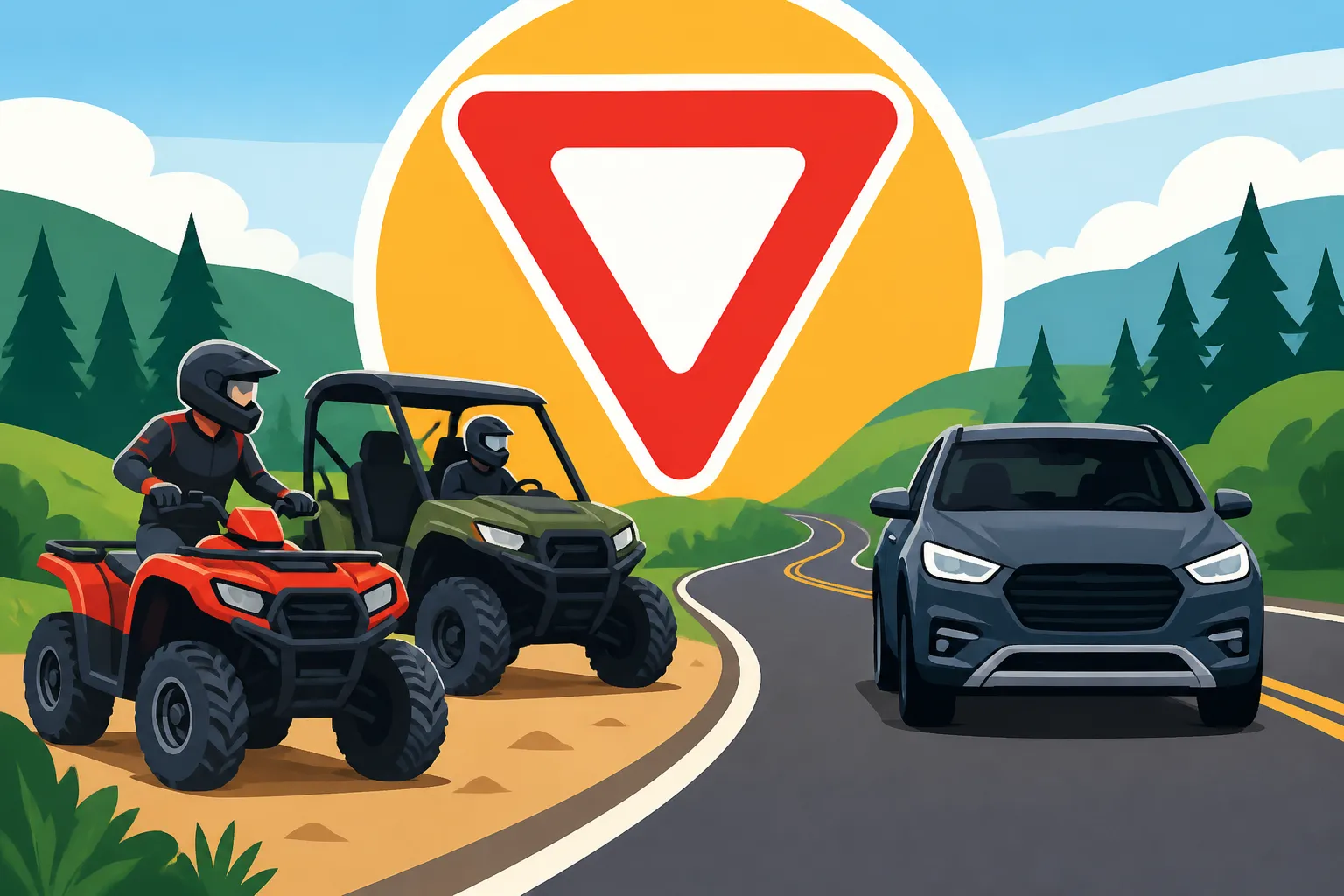
Imagine you're cruising down a designated road section, enjoying the scenery, when suddenly a pickup truck approaches. Your heart might do a little flutter, wondering who has the right-of-way. The answer, almost universally in these situations, is the conventional motor vehicle. This isn't just an arbitrary rule; it's a fundamental principle of road safety. ATVs and UTVs, while robust and capable, often have different braking characteristics, acceleration, and visibility profiles compared to cars and trucks. When we're sharing asphalt or even a gravel road with a 2-ton vehicle, the stakes are simply higher for us if there's a collision.
Yielding also plays a massive role in public perception. When ATV and UTV riders consistently demonstrate respect for road rules and other users, it builds goodwill within communities. This goodwill is absolutely vital for maintaining and even expanding our access to trails and shared road sections. Ignoring these rules, on the other hand, can quickly lead to negative perceptions, complaints from residents, and potentially, increased restrictions or even closures of riding areas. It's a collective responsibility, and every time you yield properly, you're doing your part for the entire riding community. For a deeper dive into the overall regulations, check out [New Brunswick ATV Road Rules Explained].
What Constitutes a "Motor Vehicle" in the Eyes of the Law
When the Off-Road Vehicle Act talks about "motor vehicles" that you need to yield to, it's referring to the standard vehicles we see on public roads every day. This includes cars, pickup trucks, SUVs, commercial trucks, buses, and motorcycles. Essentially, if it's designed and licensed for travel on public highways and generally operates at higher speeds than your average ORV, it's a motor vehicle you must yield to. This distinction is important because it clarifies the hierarchy of right-of-way. While your ATV might feel powerful and capable, it's considered a secondary user on most public roadways where these larger, faster vehicles dominate.
Understanding this legal definition helps prevent dangerous assumptions. For example, while you might encounter other recreational vehicles like dirt bikes or even other ATVs on a shared woods road, the yielding rule primarily applies to the interaction with conventional highway-licensed vehicles. It's about recognizing the size, speed, and maneuverability differences and acting prudently to avoid any potential conflict. Always assume the larger, conventional vehicle has the right of way unless explicitly stated otherwise by signage or local bylaws.
Specific Scenarios: When and How to Yield
It’s one thing to know the general rule, and quite another to apply it safely in the heat of the moment. New Brunswick offers a diverse riding environment, from dedicated trails to old logging roads, and even some designated sections of public highways. Each of these settings presents its own unique challenges and expectations regarding how ATVs and UTVs interact with other traffic. Knowing the nuances of these interactions is key to staying safe and legal. Let’s break down the most common situations where yielding comes into play.
Crossing a Public Highway: The Critical Stop and Yield
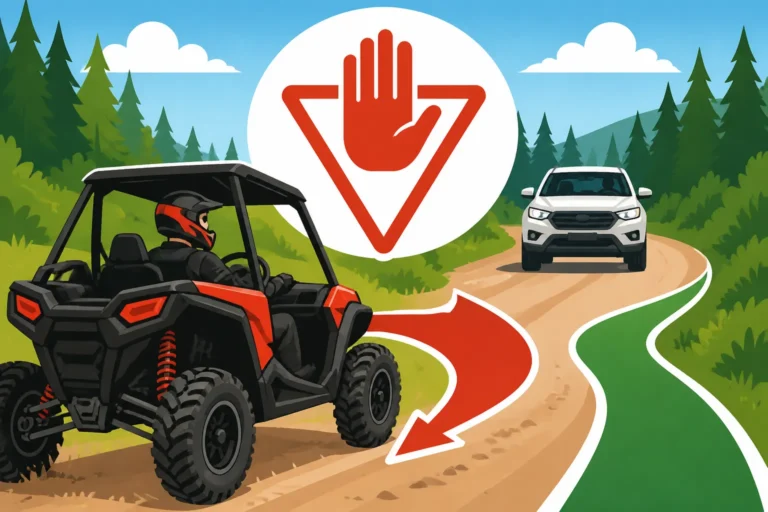
This is perhaps the most common, and potentially most dangerous, interaction between an ORV and a motor vehicle. You're riding along a trail, and suddenly it's time to cross a public paved or gravel highway to continue your journey. The rule here is absolute: you must come to a complete stop before entering the travelled portion of the highway. Think of it exactly like pulling out of a private driveway onto a busy street. You need to stop, look both ways, and yield to all oncoming traffic, regardless of how far away they seem.
Many riders, in their excitement, might just slow down and roll across if the road looks clear. This is a huge mistake and incredibly risky. A small mistake in judgment of speed or distance can have dire consequences. The law is clear: a full and complete stop is required. After stopping, you must ensure the highway is clear enough for you to cross safely without impeding the flow of traffic. Remember, even if you think you have time, the onus is on you to ensure there is absolutely no risk of collision. This applies even if you have a [New Brunswick Highway Usage Permits] for a specific section, the crossing rule remains paramount.
Sharing Designated Highway Sections: Navigating Mixed Traffic
In certain areas of New Brunswick, local municipalities or the province have designated specific sections of public highways where ATVs and UTVs are permitted to travel. These are not free-for-all zones, but rather specific corridors where ORVs share the road with cars and trucks. When you find yourself on such a designated section, the rules of the road for conventional vehicles largely apply to you, with the added responsibility of yielding to all motor vehicles.
This means maintaining your lane, obeying posted speed limits – which are typically lower for ORVs on these shared sections – and being acutely aware of your surroundings. If a car or truck approaches from behind and wishes to pass, you should facilitate this by moving to the right side of your lane or, if safe, pulling over slightly. You are a slower-moving vehicle in this context, and courtesy, combined with legal obligation, dictates that you do not impede faster traffic. Riders often find themselves looking into accessories from brands like SuperATV to enhance their visibility, such as brighter LED lights or flags, which can be incredibly useful in these mixed-traffic scenarios. For details on how to use these sections legally, refer to [New Brunswick Shared Highway Sections].
Encountering Vehicles on Woods Roads and Shared Trails
Not all yielding scenarios happen on paved roads. Many of New Brunswick's best riding areas are on unpaved woods roads, old logging paths, or multi-use trails that might also see activity from other vehicles like active logging trucks, forestry vehicles, or even private cars accessing remote properties. While these aren't public highways in the same sense, the principle of yielding to larger, faster, or commercial vehicles still holds true, often with an even greater emphasis on safety due to dust, blind corners, and varying road conditions.
When you're on a multi-use trail or a woods road and encounter a pickup truck, a logging rig, or even another recreational vehicle, it's always best practice to pull over safely to the side, stop, and let them pass. Logging trucks, for instance, are often operating on tight schedules and may not be able to stop or maneuver easily on narrow roads. Giving them ample room, and even turning off your engine to reduce dust and noise, demonstrates respect and ensures everyone can continue safely. This proactive approach not only keeps you out of harm's way but also helps maintain good relationships with other land users.
| Scenario | Action Required | Legal Basis | Best Practice for Safety |
|---|---|---|---|
| Crossing a Highway | Complete stop, yield to all highway traffic. | NB Off-Road Vehicle Act | Stop well clear, make eye contact if possible, cross quickly. |
| Designated Highway Section | Follow all road rules, yield to all motor vehicles. | NB Motor Vehicle Act & ORV Act | Stay right, signal intentions, enhance visibility (e.g., with SuperATV lights). |
| Woods Road/Shared Trail | Yield to larger, commercial, or faster vehicles. | Courtesy, General Safety Principles | Pull over, stop, let dust settle, use hand signals. |
| Blind Corner/Limited Sight | Reduce speed, be prepared to stop, listen. | General Safety Principles | Ride defensively, assume there's oncoming traffic. |
| Meeting a Snowmobile | Mutual courtesy, often yield to uphill traffic. | Trail Etiquette, Club Rules (varies by season/trail) | Reduce speed, move right, acknowledge other rider. |
The Broader Context: Why These Rules Exist
It's easy to view regulations as obstacles to our fun, but in the realm of ATV and UTV riding, these rules are fundamentally about safety, access, and fostering a positive community. The New Brunswick government, along with trail organizations like QuadNB, invests significant effort into creating and maintaining a network of trails and safe riding opportunities. This investment is predicated on the idea that riders will act responsibly, respect the rules, and ensure their activities don't endanger themselves or others. Understanding the 'why' behind yielding rules can shift our perspective from mere compliance to genuine commitment to safe riding.
Rider Safety: Avoiding Collisions and Serious Injury
At its core, the requirement to yield to motor vehicles is about preventing accidents and saving lives. ATVs and UTVs, by their nature, are exposed vehicles. Unlike cars with airbags, crumple zones, and seatbelts designed for high-speed impacts, our machines offer far less protection in a collision with a 2,000-pound sedan or a 20-ton logging truck. Even a minor fender bender for a car can be a life-altering event for an ORV rider.
When we yield, we're not just being polite; we're actively making a choice to avoid potentially catastrophic scenarios. It's an acknowledgement of the inherent vulnerability of our machines in comparison to conventional road vehicles. This rule is designed to be a crucial layer of defence, ensuring that we, the riders, take the ultimate responsibility for avoiding conflict when sharing space with traffic that simply can't stop or maneuver as quickly or safely as we might need them to. Remember, always prioritize getting home safely over asserting a perceived right-of-way.
Protecting Public Perception and Access
Every time an ATV or UTV is seen riding carelessly on or near a public road, it chips away at the public's trust and support for our sport. Conversely, when riders are observed stopping respectfully, yielding appropriately, and driving courteously, it reinforces the image of responsible and law-abiding enthusiasts. This public perception is incredibly fragile and can directly impact our continued access to riding areas.
Local communities, landowners, and government bodies constantly evaluate whether ATV and UTV use is a benefit or a nuisance. Frequent complaints about ORVs cutting off cars, speeding on shared roads, or creating perceived hazards can lead to negative consequences like stricter bylaws, increased enforcement, or even the closure of trails or designated road sections. By consistently yielding to motor vehicles, we are not just following the law, but actively advocating for our sport and ensuring future generations of riders can enjoy the same access we do today. This collective responsibility is paramount to the longevity of off-road riding in New Brunswick.
Legal Ramifications of Failing to Yield
Ignoring the rule to yield isn't just a matter of courtesy; it carries significant legal weight. In New Brunswick, failing to yield to a motor vehicle when required can result in a set fine, which means a pre-determined amount you'll have to pay if caught. These fines aren't insignificant and are designed to act as a strong deterrent. For example, specific violations related to highway usage or crossings can result in substantial penalties. You can find more information about these costs in resources like [New Brunswick Fines for Riding Near a Highway] or [New Brunswick's $292.50 Highway Fine].
Beyond the immediate fine, there are other, potentially more severe, legal consequences. If your failure to yield leads to an accident, you could face charges ranging from careless driving to more serious offences, depending on the circumstances and any injuries sustained. This could involve court appearances, higher fines, and even the loss of your ORV registration or driving privileges. Furthermore, if you are found at fault in an accident due to failing to yield, your insurance company might deny coverage or significantly increase your premiums, leading to considerable out-of-pocket expenses for damages and injuries. The legal system takes these violations seriously because of the high potential for harm.
Practical Steps for Safe Encounters
Knowing the rules is one thing, but consistently applying them in real-world riding situations requires a conscious effort and a commitment to safe riding practices. It's about being prepared, being visible, and communicating effectively with other road users. As veteran riders, we've all had those moments where a quick decision or a lapse in attention could have led to a problem. By adopting a proactive and defensive mindset, we can significantly reduce the risks associated with sharing roads and trails with motor vehicles.
Enhancing Visibility: Making Sure You're Seen
One of the biggest challenges ATVs and UTVs face when interacting with larger vehicles is simply being seen. Our machines are smaller, often lower to the ground, and can blend into backgrounds, especially in dusty conditions, poor light, or against natural foliage. This is where enhancing your visibility becomes a critical safety measure. Consider adding bright, highly visible colours to your riding gear and your machine. Neon vests, brightly coloured helmets, and reflective strips can make a huge difference, particularly at dawn, dusk, or in inclement weather.
Beyond clothing, think about your machine's lighting. While stock lights are a minimum, aftermarket LED light bars or auxiliary lights can dramatically improve your presence on the road. Many riders turn to specialized accessories from companies like SuperATV for powerful, durable lighting solutions that cut through dust and fog, making them much more noticeable to approaching drivers. Don't forget flags, especially whip flags, which add vertical visibility, making your machine easier to spot over hills or through brush. Even something as simple as ensuring your headlights and taillights are clean and fully functional before every ride is a crucial step in being seen.
Defensive Riding: Expecting the Unexpected
Defensive riding is a mindset, not just a set of actions. It means constantly scanning your environment, anticipating potential hazards, and assuming that other drivers might not see you or might make a mistake. When you're approaching a highway crossing, for instance, don't just look for cars; listen for them, and actively search for signs that a vehicle might be approaching, even if you can't see it yet. This could mean watching for dust clouds on a gravel road, listening for engine sounds, or looking for reflections off windows through trees.
On shared road sections, maintain a safe following distance from vehicles ahead of you, and always be aware of what's behind you. Frequently check your mirrors, if your machine has them. Be prepared to slow down, stop, or even pull off the road if a situation develops suddenly. Never assume a driver will yield to you, even if you think you have the right-of-way in a specific, unusual circumstance. Always err on the side of caution and prioritize avoiding a collision above all else. This proactive vigilance is your best defence against the unforeseen.
Communicating Your Intentions: Hand Signals and Awareness
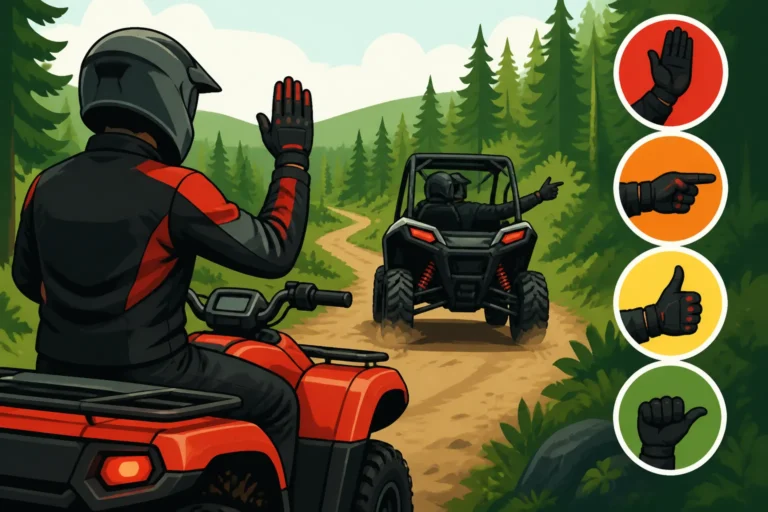
Clear communication is vital when sharing any road or trail. Since many ATVs and UTVs don't have turn signals or brake lights as prominent as those on a car, knowing and using proper hand signals becomes incredibly important, especially on designated road sections. Signalling your turns, stops, or intentions to pull over gives other drivers crucial seconds to react and adjust their own driving. For specific guidance on signals, refer to [New Brunswick Hand Signals Without Lights].
Beyond formal signals, your overall presence and awareness communicate a lot. Maintain eye contact with drivers if possible, especially at intersections or when crossing a road. This simple act confirms that you've seen them, and often, that they've seen you. Avoid erratic movements or sudden changes in direction. Ride predictably and smoothly. When pulling over to yield, do so in a clear, visible spot, and if necessary, use your hand to wave the other vehicle past once you're safely stopped. These small gestures build trust and contribute to a safer, more respectful interaction on New Brunswick's roads and trails.
What Happens If You Don't Yield? Penalties and Consequences
As we've discussed, adhering to the yielding rules isn't just good etiquette; it's a legal obligation with real consequences for non-compliance. These consequences can range from immediate financial penalties to long-term implications for your insurance and even your ability to continue enjoying your machine on public trails. It's crucial for every rider to understand the gravity of these rules, not just as abstract laws, but as protections for themselves and others.
Understanding the Set Fines for Violations
New Brunswick has a system of "set fines" for various violations of the Off-Road Vehicle Act and related traffic laws. This means that if you're caught failing to yield when required, an officer can issue a ticket with a pre-determined fine amount, which you then have the option to pay or dispute in court. These fines are not trivial; they are significant enough to make you think twice about cutting corners. For instance, violations related to riding an ORV on a highway without authorization or failing to yield at a crossing can result in hundreds of dollars in fines.
It's important to understand that these fines accumulate. If you receive multiple tickets, or if a single incident involves several infractions, the costs can quickly spiral. Beyond the financial sting, receiving a ticket can also lead to points on your driving record, which may affect your regular driver's license, even if the infraction occurred on an ORV. Always carry [New Brunswick Documents You Must Carry] to avoid additional issues if stopped by an officer.
Insurance Implications After an Incident
One of the often-overlooked consequences of failing to yield, especially if it leads to an accident, is the impact on your insurance. While [New Brunswick Requires Insurance on Trails], coverage can be complex. If you're found to be at fault in an incident because you failed to yield, your insurance company may:
- Deny your claim: If your policy has specific clauses about legal compliance, or if your actions are deemed reckless, they might refuse to cover damages or injuries.
- Increase your premiums: Even if the claim is paid, being found at fault almost certainly means your insurance rates will go up significantly for years to come.
- Cancel your policy: In more severe cases, especially if there's a history of violations or serious accidents, your insurer might choose not to renew your policy, making it difficult and expensive to find new coverage.
The financial burden of an accident where you're at fault can be immense, covering not just damage to your own machine but also property damage to other vehicles, and potentially medical expenses for injured parties. This can quickly add up to tens or even hundreds of thousands of dollars, making proper insurance coverage and, more importantly, safe riding practices, absolutely essential.
The Ripple Effect: Trail Access and Community Trust
Beyond the personal financial and legal consequences, there's a broader, community-level impact when riders consistently fail to adhere to basic safety rules like yielding. Every negative interaction, every close call, every incident where an ORV operator is perceived as reckless, erodes the trust that local communities, landowners, and government bodies have placed in the ATV and UTV riding community.
This erosion of trust can have a "ripple effect" that impacts all riders. It can lead to:
- Closure of designated trail sections: If too many incidents occur on a particular road or crossing, authorities might decide to close it to ORV traffic.
- Increased enforcement: More officers might be deployed to monitor popular riding areas, leading to more tickets and less relaxed riding.
- Stricter regulations: Negative incidents can prompt lawmakers to introduce harsher laws, limiting where and when we can ride, or requiring additional permits and training.
- Loss of landowner permission: Many trails cross private land, and landowners are quick to revoke access if they perceive a safety risk or a lack of respect from riders.
Ultimately, every rider holds a piece of responsibility for the future of our sport in New Brunswick. By consistently yielding to motor vehicles, we're not just protecting ourselves, but also safeguarding the very trails and riding opportunities we all cherish. It's an investment in the longevity and positive image of New Brunswick's vibrant ATV and UTV community.
Disclaimer
This article is for general informational purposes only and does not constitute professional advice. Laws, prices and regulations vary by location and change over time. Consult a qualified professional for guidance on your specific situation.