Can You Ride an ATV on the Road in New Brunswick?
Oh, the age-old question that sparks many a debate around New Brunswick campfires and coffee shop counters: "Can you actually ride an ATV on the road here?" It's a source of real frustration for many riders who just want to get from point A to point B, or access a trail without hauling their machine on a trailer every single time. It feels like the rules are a tangled mess, changing depending on who you ask or what municipality you're in. This guide is here to untangle that knot, laying out exactly when and where you can legally ride your ATV on public roads in New Brunswick, and what crucial rules you absolutely need to follow.
The Straight Answer: When and Where You CAN Ride on NB Roads
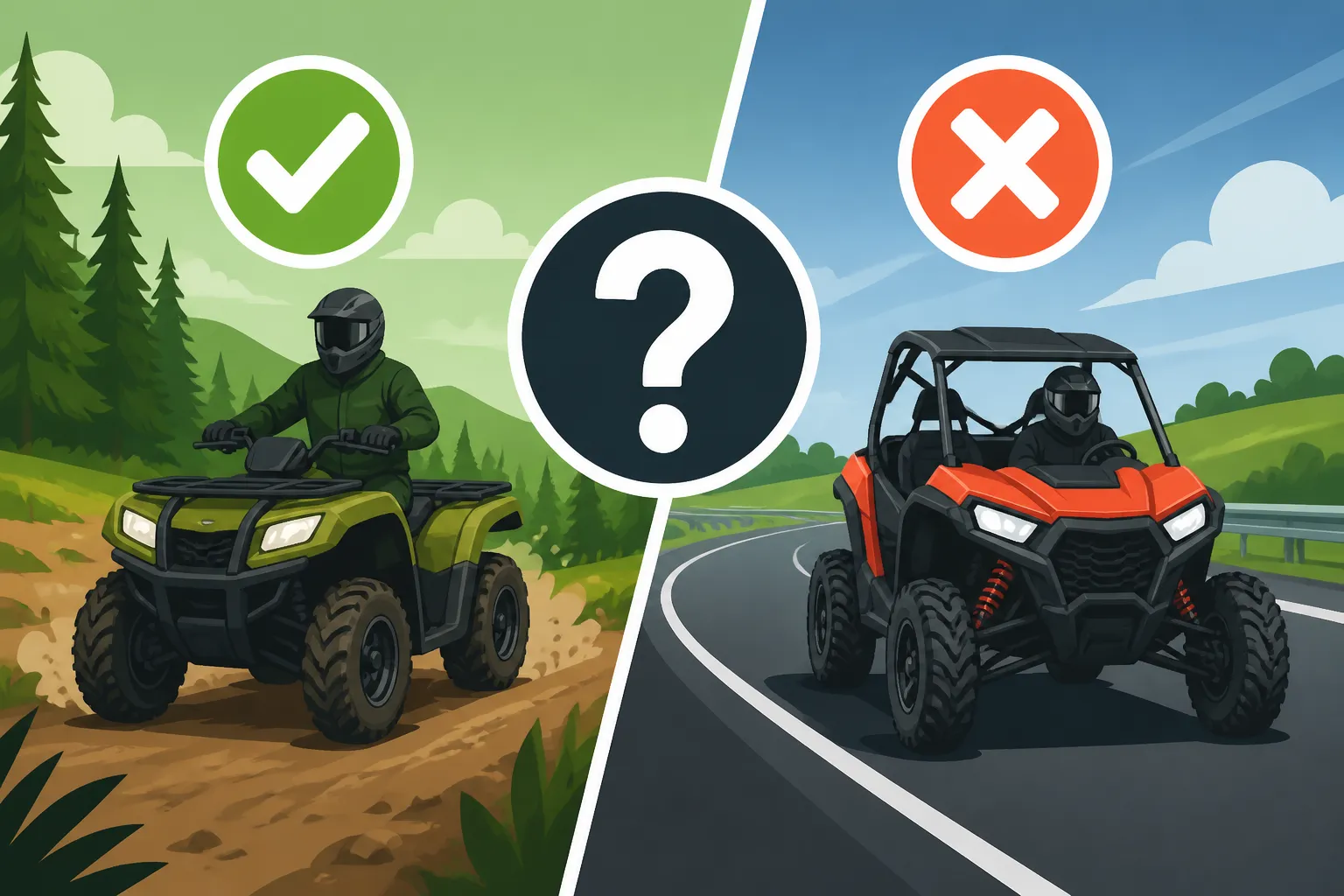
Let's get right to it because I know you're eager for clarity. The short answer is: yes, in some very specific circumstances, you can ride your ATV on public roads in New Brunswick. But it's not a free-for-all, and understanding these specifics is absolutely critical to avoid fines or accidents. It's about navigating a patchwork of provincial law and local permissions.
Designated Road Sections and Municipal Bylaws
This is where most of the legal road riding happens. New Brunswick's Off-Road Vehicle Act allows for what are called "ministerial designations" and for municipalities to create bylaws that permit ORVs on certain road sections. Think of it like this: the province, through its Minister of Justice and Public Safety, can designate specific highways or parts of highways for ORV use. More commonly, however, it's your local town or village council that steps up, passing bylaws to open up certain streets or roads to ATV traffic.
These designations are usually for very practical reasons:
- Connecting Trail Segments: Imagine a fantastic trail system that suddenly hits a break – a paved road running through a village. A bylaw might allow riders to use a specific short stretch of that road to connect back to the trail on the other side. It’s all about maintaining the flow for riders, not giving you a shortcut for your daily commute.
- Accessing Services: Perhaps there’s a gas station, a restaurant, or a local repair shop that's just off the trail network. A municipal bylaw could allow ATVs on a designated street to access these essential services.
- Community Support: Many rural communities in New Brunswick actively embrace ATV tourism, recognizing the economic boost it brings. They often work with local ATV clubs to identify safe routes through their towns.
It's paramount to understand that these designated sections are not universal. A road that's open to ATVs in Florenceville-Bristol might be strictly off-limits in Sussex. You absolutely need to know the local rules for wherever you plan to ride. This often means checking the specific town's website or contacting their municipal office directly. For more detail on how these designations work, you can look up [New Brunswick Ministerial Designations] and [New Brunswick Local Bylaws That Open Roads].
The Elusive "Highway Usage Permit"
Now, this is a distinct beast from general road access. A "Highway Usage Permit" isn't for casually riding down a highway. It's a very specific permit, typically issued by the Department of Transportation and Infrastructure (DTI), for limited, essential uses. Think of situations like:
- Agricultural Purposes: A farmer might need to cross a short section of highway to get from one field to another with an ATV towing equipment.
- Industrial or Commercial Operations: Logging companies or utility crews might require temporary road access for their machines to reach remote work sites.
- Emergency Services: In very specific scenarios, emergency responders might use ATVs on certain roads.
These permits are not a workaround for recreational riding on provincial highways. They come with strict conditions, specific routes, and often time limits. They are usually tied to a specific purpose, not for general leisure riding. Applying for one involves proving a legitimate, non-recreational need. If you're a recreational rider thinking this is your ticket to cruising the Trans-Canada Highway, think again – that's not what these permits are for. Delving deeper into this, you might find more information in [New Brunswick Highway Usage Permits].
Crossing Public Roads: The Quick Dash
Beyond designated sections, there's a common scenario: you're on a trail, and it meets a public road. Can you cross it? Yes, under very strict conditions, you can cross a highway or public road in New Brunswick. However, this is a crossing, not a ride on the road.
Here’s how it generally works:
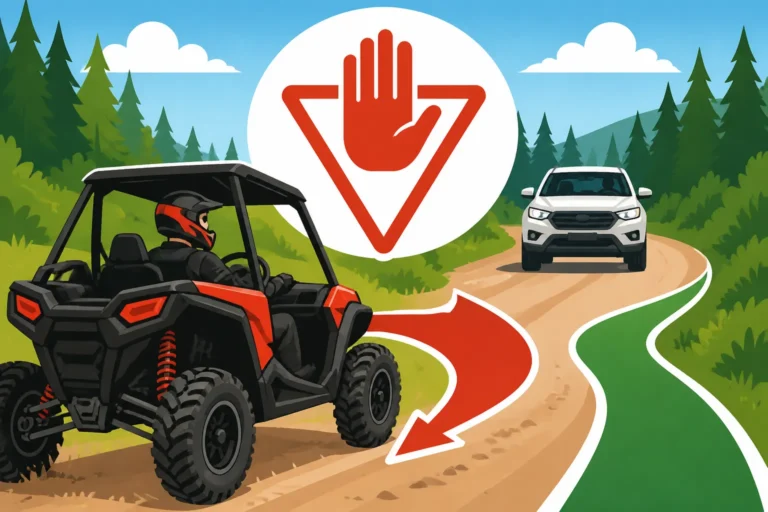
- Stop and Yield: You must come to a complete stop before entering the roadway. Treat it like a stop sign. You must yield the right-of-way to all vehicular traffic on the highway. This means waiting until the road is absolutely clear and it's safe to proceed.
- Perpendicular Crossing: You must cross the road at a right angle (perpendicularly) to the direction of traffic flow. No angling across, no cruising down the shoulder for a bit. It’s the shortest, most direct path across the road surface.
- Maximum Speed Limit: While crossing, you are expected to proceed at the minimum speed required to safely cross, not to match highway speeds. The goal is to minimize your time on the paved surface.
- No Impeding Traffic: You cannot obstruct or interfere with the normal flow of traffic. If a car has to slow down or swerve because of your crossing, you're doing it wrong and could face a fine.
This rule is designed for necessary transitions between trail segments, not for using the road as part of your ride. It’s a very specific manoeuvre, and any deviation can lead to serious consequences. For the exact guidelines on this, check out [New Brunswick Rules for Crossing a Road].
Understanding the "7.5 Metre Rule" and Other Key Restrictions
Even when you're allowed on a road, or even just near one, there are fundamental rules in New Brunswick that are strictly enforced. Ignoring these could land you with a hefty fine or, worse, put you in a dangerous situation. One of the most misunderstood and frequently violated rules is the "7.5 Metre Rule."
The Buffer Zone: 7.5 Metres From the Travelled Portion
This rule is absolutely critical for every ATV rider in New Brunswick, whether you intend to ride on a road or not. The law states that you cannot operate an off-road vehicle within 7.5 metres (approximately 25 feet) of the travelled portion of a highway, unless specific conditions apply (like a designated crossing or a permitted section).
Let's break down what "travelled portion" means: it's not just the paved or gravel road itself, but often includes the shoulder where vehicles might pull over. This buffer zone is designed for safety – keeping ATVs clear of fast-moving road traffic.
Consider a scenario: you're riding a club trail that runs parallel to a rural highway. If that trail veers too close to the highway's edge, even if it's technically still "off-road," you could be in violation of this rule. Officers patrol these areas, and the fines for infringing on this buffer zone can be significant. The intent is to prevent ATVs from inadvertently entering traffic lanes or creating distractions for drivers. It’s about creating a safe separation between two very different types of traffic. To truly grasp the specifics, review [7.5 Metres From the Travelled Portion]. Ignoring this rule can quickly lead to [New Brunswick Fines for Riding Near a Highway].
Speed Limits and Right-of-Way on Shared Sections
If you're lucky enough to be on a section of road designated for ATV use via a bylaw, it's not a free pass to drive like you're on the trail. When you're on a public road, even a designated one, you are considered a legitimate vehicle operator, and you must abide by all applicable traffic laws.
This means:
- Posted Speed Limits: You must observe the posted speed limits. If the road is 50 km/h, you can't go 70 km/h. Officers will ticket you just as they would a car. For more on this, check out [New Brunswick Speed Limits on Designated Roads].
- Right-of-Way: ATVs must yield to all other motor vehicles when on shared road sections. You don't have preferential treatment; in fact, often the opposite. Always assume cars and trucks have the right-of-way. It's a fundamental principle of road sharing and safety. You can find more specific rules about this in [New Brunswick Quads Yield to Motor Vehicles].
- Traffic Signals and Signs: All stop signs, yield signs, traffic lights, and other road signage apply to you. Treat them exactly as you would if you were driving a car.
The key takeaway here is respect. Respect the road, respect other drivers, and respect the law. The privilege of using these sections relies on responsible operation.
Night Riding and Visibility Requirements
Riding an ATV after dark, whether on a trail or on a designated road section, carries increased risks and specific legal requirements. If you're on any public road, even a temporarily designated segment, your machine must be adequately lit for visibility.
What does this usually entail?
- Headlights: A functioning headlight that illuminates the road ahead and makes you visible to oncoming traffic.
- Tail Lights: A functioning tail light that is clearly visible from the rear, often with a brake light function.
- Reflectors: Many ATVs also come with reflectors, which are essential for side visibility, especially at intersections.
Some designated road sections might even require additional lighting or reflective gear for the rider, though this is less common than machine requirements. The goal is to ensure you can see where you're going and, more importantly, that other drivers can see you. An ATV is smaller and often less visible than a car, so enhancing your presence on the road after dark is paramount. Always ensure your lights are in perfect working order before heading out. For a comprehensive look at what's required, see [New Brunswick Lighting Requirements at Night].
Navigating Permits, Bylaws, and Safety for Road Riding
Successfully and legally riding your ATV on the road in New Brunswick isn't just about knowing where you can ride; it's also about understanding the administrative hurdles and safety precautions that come with it. It’s about more than just your machine.
The Role of Municipal Bylaws and Trail Organizations
As we touched on, municipal bylaws are your best friend when it comes to riding on roads. Many communities in New Brunswick have embraced ATVing, recognizing the economic benefits it brings. They often work closely with local ATV clubs, which are part of the QuadNB network, to map out safe and legal routes.
- How to Find Them: Don't assume. Always check. The best way is often through the municipality's official website, or by calling their town or village office. Many towns that allow ATVs will have clear signage indicating the start and end of designated ATV-friendly roads. For a general overview of which communities are opening their doors to riders, refer to [New Brunswick Towns That Allow Quads].
- Club Involvement: Local QuadNB clubs play a vital role in advocating for these designated routes and often have the most up-to-date information. Joining a club not only supports trail maintenance but also keeps you informed about local rules. They can guide you on where to find [New Brunswick Bylaw Lookups Before You Ride].
Remember, these bylaws can change! What was permitted last year might have been altered or rescinded, so staying current is key.
Required Documentation and What an Officer Looks For
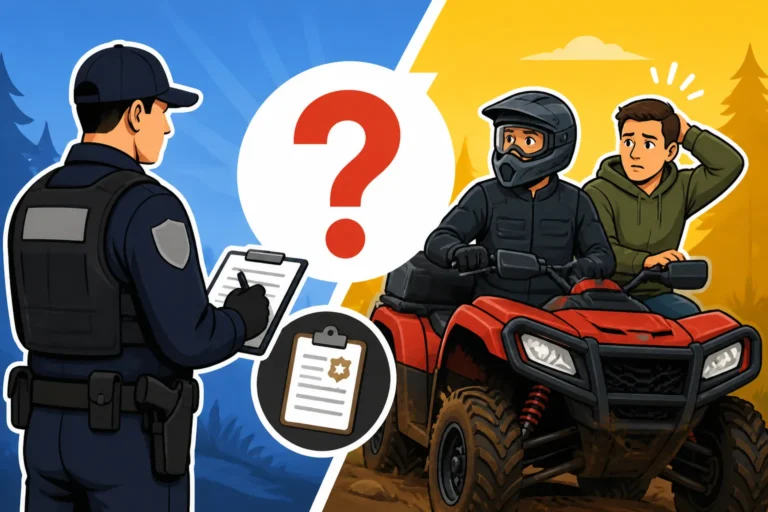
When you're operating an ATV on any public road, whether it's a designated section or just a quick crossing, you are subject to the same scrutiny as any other vehicle operator. This means you need to have your ducks in a row when it comes to documentation.
An officer, whether provincial RCMP or local law enforcement, will expect to see:
- Your Driver's License: You need a valid driver's license (or a Class 9 ORV license if you are 14 or 15 and meet the training requirements).
- ATV Registration: Your machine must be properly registered with Service New Brunswick, and you need to carry proof of that registration. [New Brunswick ORV Registration Explained]
- Proof of Insurance: You must have valid liability insurance for your ATV. This is non-negotiable for road use. [New Brunswick Requires Insurance on Trails]
- Trail Permit: If you are on a designated road section that connects to or is part of the QuadNB trail network, you'll also need a valid trail permit.
Failing to produce any of these documents can result in significant fines. It's not enough to have them; you need to carry them with you. Many riders keep copies in a waterproof pouch in their saddlebag or glove box. For a full list of what to have on hand, check out [New Brunswick Documents You Must Carry]. If you're ever stopped, knowing [What an Officer Can Ask to See on a Trail] can help you remain calm and compliant.
Essential Safety Gear and Rider Age Restrictions
Safety is paramount, especially when interacting with road traffic. New Brunswick has clear rules designed to keep riders safe.
- Helmet Law: This is non-negotiable. Every occupant on an ATV in New Brunswick, regardless of age, must wear an approved helmet. This applies even more strictly when you're on a public road. A helmet meeting standards like CSA D230, DOT FMVSS 218, or Snell is required. Don't risk a brain injury or a hefty fine; wear your helmet. Learn more about [New Brunswick ATV Helmet Law].
- Age Restrictions: New Brunswick has specific age requirements for operating ATVs, and these become even more critical on public roads. Generally, you need to be 16 years old and possess a valid driver's license to operate an ATV on designated road sections. Riders aged 14 and 15 can ride on trails with a Class 9 license and supervision, but road access is usually more restrictive. Always check the specific bylaws for any designated road sections, as they might have additional age rules. Understanding [New Brunswick ATV Age Requirements] is vital for safe and legal riding.
Riding on the road, even briefly, puts you in a different league than trail riding alone. Be visible, be prepared, and be safe.
Legal Equipment and Machine Considerations for Road Use
Just like you wouldn't drive a car without working lights or proper tires, your ATV needs to meet certain standards to be legally allowed on public roads in New Brunswick, even for short distances or designated sections. It's not just about what you can add, but what you must have.
Lights, Mirrors, and Other Mandated Equipment
To safely and legally operate your ATV on a public road, it needs more than just an engine and wheels. The provincial regulations, and often specific municipal bylaws, dictate what equipment your machine must have to interact with road traffic.
Common requirements include:
- Working Headlights: As mentioned, a functional headlight is essential, especially when light conditions are poor. This isn't just for you to see, but for others to see you.
- Working Taillights and Brake Lights: Your rear visibility is crucial. Taillights should be constantly on, and brake lights must illuminate when you apply the brakes, warning drivers behind you.
- Muffler and Spark Arrester: While not unique to road use, a properly functioning muffler to keep noise within legal limits and a spark arrester for fire prevention are mandatory for all ORVs.
- Rear-View Mirrors: This is one that often catches ATV riders off guard. While not always strictly mandated for all off-road use, when you're on a public road, a clear view of traffic behind you is essential. Many riders opt for aftermarket mirrors for better visibility. Companies like SuperATV offer a range of universal or model-specific mirrors that can easily be installed to meet these requirements and enhance safety. They've got everything from clamp-on styles to full side-view mirror kits designed to withstand tough riding conditions while giving you road-ready visibility.
- Horn or Warning Device: Being able to signal your presence is a safety must. A working horn is often required for road sections.
Always consult the specific bylaw or provincial regulation for the road section you intend to use, as requirements can sometimes vary slightly. However, having these basics in place will cover most scenarios.
Tire Choices for Mixed Terrain
Your tires are your machine's only contact with the ground, and choosing the right ones is crucial when you're mixing trail and pavement. Trail-specific tires, with their aggressive, deep lugs, are fantastic for mud, rock, and loose dirt, but they can be a liability on pavement.
- Wear and Tear: Aggressive off-road tires wear down incredibly fast on asphalt, especially if you’re riding at higher speeds. This is not only costly but can quickly reduce their effectiveness on the trail.
- Handling and Grip: Those deep lugs that provide excellent traction off-road can make your ATV feel "squirmy" and unstable on hard pavement, especially in corners or under braking. They also have less surface area in contact with the road, reducing grip.
- Noise and Vibration: Off-road tires can be incredibly noisy and create significant vibration on paved surfaces, making for a less comfortable ride.
Many riders who frequently navigate designated road sections opt for a more "all-terrain" style tire. These tires offer a compromise: enough tread for reasonable off-road performance but a denser, more road-friendly pattern for better wear and handling on pavement. When considering tires, you might look at brands like SuperATV who offer versatile tire options designed to handle a mix of environments without completely sacrificing off-road capability. They understand that most riders aren't only on the trail or only on the road, and they cater to that blend of needs.
Aftermarket Modifications and Their Legality
It's common for ATV owners to customize their machines, but some modifications can affect their legality for road use. It's crucial to understand which changes are acceptable and which might land you in hot water.
- Lift Kits and Wheel Spacers: While great for ground clearance on the trail, extreme lift kits or wide wheel spacers can alter your ATV's stability and handling characteristics, especially on paved roads at speed. Some regulations may specify maximum width or height.
- Exhaust Systems: An aftermarket exhaust that makes your machine excessively loud will definitely draw attention and could violate noise bylaws, particularly in residential areas or designated road sections. Keep it within legal decibel limits.
- Lighting Upgrades: While adding extra LED light bars can be great for trail visibility, they are often illegal for use on public roads. Stick to DOT-approved headlights and taillights when on pavement.
- Windshields and Roofs: Additions like full windshields or roofs (common on UTVs) are generally fine and can enhance comfort, but ensure they don't impede your vision or create blind spots.
The general rule of thumb is: if it makes your machine significantly different from its factory specifications in a way that could affect safety or compliance, double-check its legality. SuperATV, for example, produces a vast array of aftermarket parts. If you're considering their products for road sections, always ensure that your chosen accessories, like a sturdy half windshield or a durable winch, are installed in a way that respects visibility, vehicle dimensions, and local regulations. They generally aim for product quality that integrates well, but the onus is on the owner to ensure compliance.
Table: New Brunswick ATV Road Riding Scenarios
Let's put some of these scenarios into an easy-to-understand table to help you visualize what's allowed and what's not.
| Scenario | Legal Status for ATVs on Roads (New Brunswick) | Key Requirements & Considerations |
|---|---|---|
| Designated Municipal Roads | YES (with conditions) | Valid registration, insurance, driver's license, helmet. Adhere to posted speed limits. Specific local bylaws must be checked. |
| Crossing a Public Highway/Road | YES (with strict conditions) | Stop, yield to all traffic, cross perpendicularly. Minimize time on road. Valid registration, insurance, driver's license, helmet. |
| Highway Usage Permit (Specific Purposes) | YES (for approved purposes only) | Very specific permit from DTI for non-recreational uses (e.g., farming, industrial). Not for general leisure riding. |
| Riding on the Shoulder of a Highway | NO (generally) | Violation of the 7.5 metre rule unless explicitly designated or part of a permit. High risk of fines and danger. |
| Riding a Provincial Highway (Undesignated) | NO | Illegal. Provincial highways are for registered motor vehicles only, not ATVs unless explicitly designated. |
| Riding within 7.5 Metres of Travelled Road | NO (generally) | Violation of the 7.5 metre buffer zone rule. Stay clear unless crossing or on a designated section. |
| Connecting two trails via a short road | YES (if municipality permits) | Most common use of designated road sections. Check local bylaws before you ride. |
Navigating the rules for riding your ATV on the road in New Brunswick can feel like a maze, but with this breakdown, I hope it's a bit clearer. The key takeaways are always to check local bylaws, have all your documentation in order, ensure your machine is properly equipped, and prioritize safety above all else. Happy (and legal) riding!
Disclaimer
This article is for general informational purposes only and does not constitute professional advice. Laws, prices and regulations vary by location and change over time. Consult a qualified professional for guidance on your specific situation.