New Brunswick Rules for a 12-Year-Old Rider
It's completely understandable to feel a mix of excitement and apprehension when your 12-year-old expresses a serious interest in riding an ATV or UTV in New Brunswick. You want them to experience the thrill and freedom of the trails, but your number one priority is, of course, their safety and making sure you're following all the rules. This comprehensive guide is here to walk you through exactly what you need to know about the regulations for 12-year-old riders, from machine requirements to supervision, so you can confidently hit the trails.
Understanding the Legal Landscape for Young Riders
Navigating the rules for off-road vehicles (ORVs) can feel like deciphering a secret code, especially when it comes to minors. New Brunswick, like many provinces, has specific regulations designed to protect younger riders, acknowledging that their judgment, physical capabilities, and experience levels are still developing. The goal isn't to prevent young people from enjoying ORV sports, but to ensure they do so in the safest, most controlled environment possible. Many parents worry about the legal ramifications if something goes wrong, or simply how to ensure their child meets the minimum requirements. Rest assured, by understanding these rules, you're taking the first crucial step towards responsible riding.
Age-Specific Restrictions and Machine Sizing
One of the most significant aspects of New Brunswick's ORV legislation for young riders revolves around their age and the size of the machine they are permitted to operate. This isn't just an arbitrary rule; it's based on safety data and the understanding that smaller riders on larger, more powerful machines are at a significantly higher risk of injury. The province has set clear guidelines to match a child's developmental stage with appropriate vehicle capabilities.
At 12 years old, your child falls into a specific category that allows for a bit more power than younger riders, but still with clear limitations. The idea is to incrementally increase the allowable engine size as they grow and gain experience, building skills progressively. For many families, this means starting with a youth-specific model and potentially upgrading as the child ages. When you're looking at machines, remember that the manufacturer's recommendations are a great starting point, but New Brunswick law provides the final word on what's permissible for specific age groups on public trails.
Engine Displacement Limits for 12-Year-Olds
For a 12-year-old rider in New Brunswick, the law specifically dictates the maximum engine displacement allowed on an ORV. This is a critical point to understand before you even consider purchasing or letting your child ride a machine. The cap is set at 90cc for an ATV or side-by-side. This means that if your child is 12, they cannot legally operate an ORV with an engine larger than 90 cubic centimetres on public land or designated trails, even if they're supervised by an adult. For dirt bikes, the rule is slightly different, allowing for up to 150cc for a 12-year-old. This distinction exists because dirt bikes are often designed with a different power-to-weight ratio and rider posture in mind, which changes the dynamics of control.
It's tempting to think a child can handle a bigger machine "just fine," especially if they're physically large for their age or seem particularly skilled. However, the law is absolute here. An officer checking permits on a trail isn't going to make an exception because your child is a natural talent. Riding a machine over the legal displacement limit could result in significant fines for the supervising adult and serious safety risks for the child. Many manufacturers, like some of those whose parts you might find from a company like SuperATV, make youth models specifically designed to meet these kinds of displacement restrictions, ensuring the machine is not only within the legal limits but also ergonomically suitable for a younger rider.
Fitting the Machine to the Rider
Beyond just engine size, ensuring the ORV physically fits your 12-year-old is paramount for safety and control. A machine that's too large can make it difficult for them to reach the controls, properly shift their weight, or even touch the ground when stopped. This significantly increases the risk of losing control, especially in challenging terrain or during sudden maneuvers. When your child is seated on the ATV, they should be able to reach the handlebars comfortably, operate the throttle and brakes without stretching, and have their feet firmly on the footrests. They should also be able to shift their body weight easily to influence the machine's balance.
For a side-by-side, the fit is more about reaching pedals and having a clear line of sight, along with proper use of seat belts. Consider the overall weight of the machine compared to your child's strength. Can they easily turn the handlebars? Can they manage the machine if it starts to tip? These are crucial questions. If a machine feels too unwieldy, it's too big, regardless of engine displacement. Some accessories, while not directly addressing machine size, can improve control and safety. For instance, aftermarket grips can improve a child's hold, or specialized mirrors, if allowed, might aid visibility. Always prioritize a machine that allows for confident and natural operation, rather than one they have to wrestle with.
Supervision and Licensing Requirements
It's not enough to simply have your 12-year-old on the right-sized machine. New Brunswick law places a strong emphasis on proper supervision and specific licensing or training requirements for young riders. This is where parents often have the most questions, wondering about their own responsibilities and what they need to do to legally escort their child. The idea is to ensure that young riders are learning from experienced adults who can guide them, intervene if necessary, and reinforce safe riding practices. You can't just send them off alone; there are specific adult requirements to ensure a watchful eye is always present.
The Role of an Adult Escort
For a 12-year-old operating an ORV in New Brunswick, an adult escort is absolutely mandatory when riding on any public trail or land. This isn't just about having an adult somewhere in the vicinity; the law specifies that the adult escort must be actively supervising the young rider. This means they should be riding with the child, able to see them, communicate with them, and respond quickly to any situation. The escort must be at least 19 years of age and hold a valid driver's licence. Furthermore, this adult escort must have also completed a recognized ORV safety course. This ensures that the supervising adult isn't just an older person, but someone who understands safe ORV operation, the rules of the trail, and how to effectively teach and monitor a young rider.
Think of it as an apprenticeship. The adult is responsible not only for the child's safety but also for instilling good riding habits and trail etiquette. They are, in essence, the legal guardian on the trail, accountable for the 12-year-old's actions and adherence to all ORV regulations. If an officer stops your 12-year-old rider without a qualified adult escort present, both the child's ride and your wallet could be in for a rough time. This responsibility cannot be delegated to another minor, nor can it be taken lightly. Ensuring you meet the criteria for [New Brunswick Adults Escorting Young Riders] is a vital step.
Driver Training Certificates for Young Riders
While a 12-year-old isn't eligible for a full driver's license in New Brunswick, they are required to obtain a driver training certificate to operate an ORV on public trails. This isn't just a suggestion; it's a legal requirement designed to ensure that even young riders have a foundational understanding of ORV safety, operation, and trail rules. These certificates are typically earned by completing an approved ORV safety course. The course covers essential topics such as pre-ride inspections, starting and stopping, turning, hill climbing, emergency braking, environmental awareness, and the responsibilities of a rider.
It's a common misconception that these courses are only for adults. In fact, many are specifically tailored for youth riders, making the material engaging and easy to understand for their age group. The certificate serves as proof that your 12-year-old has received formal instruction and demonstrates a basic level of competency. Without this certificate, even if they're supervised by a qualified adult and on the right-sized machine, they are riding illegally on public trails. Make sure to check the requirements for [New Brunswick Driver Training Certificates] well in advance of hitting the trails.
New Brunswick Class 9 Licence for Teens (for 14+)
It's important to clarify that while a 12-year-old needs a driver training certificate, they do not yet qualify for a New Brunswick Class 9 licence. The Class 9 licence is specifically for 14 and 15-year-olds who wish to operate an ORV, and it comes with its own set of privileges and restrictions. For a 12-year-old, the focus remains squarely on the successful completion of the ORV safety course and constant, direct adult supervision.
This distinction is crucial because the Class 9 licence, once obtained at 14, allows for a greater degree of independence, such as crossing highways under specific conditions and potentially riding without an immediate adult escort in certain circumstances. However, for your 12-year-old, these freedoms are still two years away. For now, the pathway is clear: appropriate machine, approved safety course, and continuous, qualified adult escort. Understanding this progression helps parents plan for their child's future riding experiences, but it's vital not to conflate the requirements for different age groups. [A Class 9 Licence Explained] offers more detail on what awaits in a couple of years.
Mandatory Safety Equipment and Rules of the Trail
Beyond the machine itself and who's riding it, New Brunswick has strict rules about the safety gear required for all ORV operators, especially minors, and how everyone must conduct themselves on the trails. These regulations are designed to minimize injury in the event of an accident and promote responsible shared use of the trail system. Ignoring these rules isn't just risky; it can lead to significant penalties.
Helmet Law and Standards
This is non-negotiable: every person operating or riding as a passenger on an ORV in New Brunswick must wear an approved helmet. For a 12-year-old, this rule is enforced with particular vigilance. The helmet isn't just any helmet; it must meet specific safety standards recognized by the province. These typically include standards such as those set by the Canadian Standards Association (CSA D230), the US Department of Transportation (DOT FMVSS 218), or the Snell Memorial Foundation. These certifications ensure the helmet has undergone rigorous testing to provide adequate head protection.
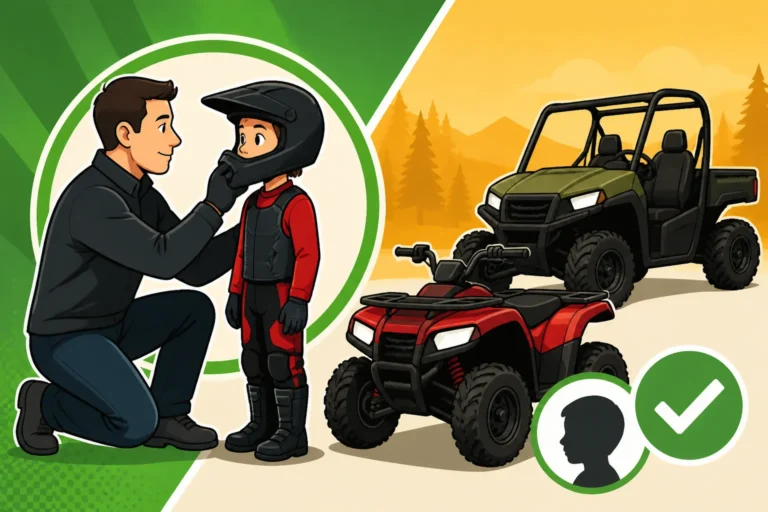
It’s not enough to simply own a helmet; it must fit properly. A helmet that is too loose can shift during an impact, compromising its protective ability. It should be snug but comfortable, sit level on the head, and not obstruct vision. The chin strap must always be fastened securely. Investing in a high-quality, properly fitting helmet for your 12-year-old is arguably the most important safety decision you'll make. Many parents find this a point of contention with kids who want a specific style, but safety must always come first. Make sure you understand the [New Brunswick ATV Helmet Law] and accepted standards.
Other Protective Gear
While the helmet is legally mandatory, smart riders, especially parents of young riders, also insist on additional protective gear. This includes eye protection (goggles or a face shield on the helmet) to shield against dust, debris, and insects. Sturdy gloves are crucial for grip and to protect hands from scrapes and blisters. Long sleeves and pants, ideally made of durable material, help prevent abrasions and protect against sun exposure or branches. Over-the-ankle boots are essential to protect feet and ankles, especially from potential impacts or getting caught.
Think about the environment your child will be riding in. Will they be in dense woods? Over rocky terrain? Will there be mud? Tailor their gear to these conditions. While not all of this additional gear is strictly mandated by law, it is universally recommended by safety experts and experienced riders. Encouraging your 12-year-old to wear all their gear, every time, helps build excellent safety habits that will serve them well throughout their riding life. It's often easier to get them into the habit early than to try and introduce it later.
General Riding Rules for 12-Year-Olds
Beyond the equipment and supervision, 12-year-olds (and their escorts) must adhere to all general rules of the trail in New Brunswick. These include speed limits, yielding right-of-way, respecting private property, staying on marked trails, and never riding while impaired. For a 12-year-old, understanding these rules is part of their safety course training, but consistent reinforcement from their adult escort is key. They need to learn that trails are shared spaces, and courtesy and caution are paramount.
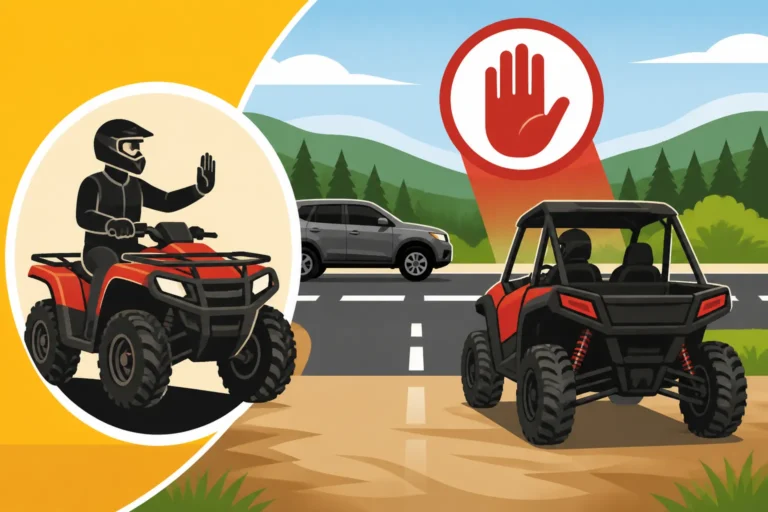
One particular rule to highlight is the prohibition against crossing a highway. [New Brunswick Under-16 Riders Cannot Cross a Road] without very specific conditions and adult guidance. For a 12-year-old, this means they cannot, under any circumstances, operate an ORV to cross a public highway. The adult escort must manage this, which often means either detouring, trailering the machine across, or having the adult operate the ORV across the road while the child walks. This rule is in place due to the inherent dangers of mixing ORVs, particularly with young operators, with high-speed road traffic.
Important Considerations for Parents
Being a parent of a young ORV rider in New Brunswick involves more than just knowing the rules; it's about fostering a culture of safety, responsibility, and continuous learning. Your role as a guide and enforcer of these standards is critical, especially when your child is still developing their skills and judgment.
Why a Safety Course is Non-Negotiable
For your 12-year-old, completing an approved ORV safety course isn't just a legal hoop to jump through; it's a foundational element of safe riding. These courses provide structured learning that goes beyond what you might teach casually. They cover critical safety concepts, machine controls, hazard perception, and emergency procedures in a standardized format. This formal training helps instill good habits from the start, making your child a more competent and safer rider.
Remember, the supervising adult also needs to have completed a safety course, so it can be a great opportunity to learn or refresh your own skills alongside your child. Many clubs and organizations across New Brunswick offer these courses, often at convenient times. Not having a safety course certificate can lead to fines for you and your child, and more importantly, leaves them unprepared for the challenges of the trail. Explore options for [New Brunswick Safety Course Schedule] and understand that there may be [New Brunswick Penalties for No Safety Course].
Understanding Parental Responsibility
As the parent or legal guardian of a 12-year-old ORV rider, you bear significant responsibility for their adherence to all laws and for their overall safety. This includes ensuring they are on an appropriately sized and maintained machine, that they have all the required safety gear, that they have their training certificate, and that they are always properly supervised by a qualified adult. If your child is caught violating ORV laws, the penalties will often fall upon you, the parent or guardian. This could range from fines to more severe consequences depending on the nature of the infraction.
This parental responsibility extends beyond the legal minimums. It means leading by example, consistently reinforcing safe practices, and making conservative choices when it comes to riding conditions or challenging terrain. You are their primary safety net and their most influential teacher. By embracing this responsibility, you're not just avoiding legal trouble; you're actively shaping a safe and enjoyable riding experience for your child.
Crossing Roads and Trails
As noted earlier, a 12-year-old cannot legally cross a highway on their ORV. But what about crossing other types of roads, like secondary roads or woods roads? This is where the intricacies of New Brunswick law come into play. Generally, ORVs can only cross highways at designated crossing points, and often only if the rider is 16 years of age or older with a valid driver's licence. For a 12-year-old, this means the adult escort usually has to manage the machine for any road crossing, or an alternative route must be found.
It’s crucial to understand these rules clearly, as improper road crossings are a frequent cause of accidents and fines. A local club or Service New Brunswick office can provide clarification on specific crossing points or local bylaws that might apply. Always err on the side of caution. If there's any doubt about a crossing, find another way or have the adult escort take the machine across while the child walks. When riding on trails, remember that [New Brunswick Quads Yield to Motor Vehicles] even on designated shared roads.
| Age Group | Max Engine Size (ATV/SxS) | Max Engine Size (Dirt Bike) | Training Required | Supervision Required | Road Crossing Allowed |
|---|---|---|---|---|---|
| 6-11 | 70cc | 90cc | Safety Course | Yes (Adult Escort) | No |
| 12-13 | 90cc | 150cc | Safety Course | Yes (Adult Escort) | No |
| 14-15 | Unrestricted* | Unrestricted* | Safety Course & Class 9 Licence | Conditional (Adult Escort) | Limited (Designated spots) |
| 16+ | Unrestricted | Unrestricted | Safety Course (recommended) & Driver's Licence | No | Limited (Designated spots) |
| *Note: "Unrestricted" refers to engine size, but the machine must still be appropriate for the rider's physical capabilities. Class 9 licence holders still have specific restrictions. |
Practical Steps to Prepare Your 12-Year-Old for Riding
Now that we've covered the legal framework and safety considerations, let's look at some practical steps you can take to get your 12-year-old ready for safe and enjoyable ORV adventures in New Brunswick. Preparation is key to building confidence and ensuring compliance with all regulations.
Machine Registration and Trail Permits
Before your 12-year-old (or you, as the escort) even thinks about riding on public trails, ensure the ORV is properly registered with Service New Brunswick and that you have the necessary trail permits. All ORVs operated on public land or designated trails in New Brunswick must be registered. This involves providing proof of ownership and paying a registration fee. [New Brunswick ORV Registration Explained] covers this in detail. Once registered, your ORV will receive a plate and a registration certificate.
Furthermore, to access the extensive network of trails maintained by QuadNB and its member clubs, you will need a valid trail permit. There are different types of permits, including groomed and non-groomed, and even youth permits. This permit fee directly supports the maintenance and development of the trail system, ensuring safe and enjoyable riding for everyone. The permit sticker must be affixed to the machine in a visible location. Remember, no registration and no permit mean no legal riding on the trails, and potentially significant fines. [New Brunswick Trail Permits for 2026 and 2027] outlines the current permit structure.
Obtaining Insurance
Just like with road vehicles, having insurance for your ORV is a crucial layer of protection. In New Brunswick, all ORVs operated on designated trails are legally required to have at least third-party liability insurance. This protects you in case your machine causes injury to another person or damage to property. Even if you're only riding on private land, many experienced riders recommend having some form of coverage, as accidents can happen anywhere.
Check with your insurance provider about specific ORV policies. They will be able to explain coverage options, deductibles, and any specific requirements for youth riders or different types of machines. Don't assume your home or auto insurance automatically covers your ORV. It's almost always a separate policy. Understanding [New Brunswick Requires Insurance on Trails] is crucial, as is knowing the [New Brunswick Uninsured ATV Fine of $604.50] for non-compliance.
Pre-Ride Checks and Maintenance
Teaching your 12-year-old the importance of a pre-ride check is invaluable. Before every single ride, even a short one, take a few minutes to inspect the machine. This includes checking tire pressure, fluid levels (oil, coolant, brake fluid), chain tension (if applicable), brake function, lights, and steering. Look for any loose bolts, unusual noises, or leaks. This routine helps identify potential mechanical issues before they become dangerous problems on the trail.
Regular maintenance is also key to a safe and reliable ORV. Following the manufacturer's recommended service schedule ensures the machine operates optimally and extends its lifespan. This might involve oil changes, filter replacements, and general inspections. For parents looking to enhance safety or fit for their young rider, a company like SuperATV offers many quality aftermarket parts that can aid in maintenance or customization, from protecting undercarriages with skid plates to improving visibility with lighting, though always ensure any modifications comply with local regulations. A well-maintained machine is a safer machine, and it teaches your child responsibility.
Emergency Preparedness
Even with all precautions, accidents can happen. Being prepared for emergencies is part of responsible ORV riding. Always carry a basic first-aid kit, enough water, and a way to communicate in case of an emergency (a fully charged cell phone, and perhaps a satellite messenger if you're in remote areas with no cell service). Let someone know your planned route and estimated return time, especially if you're venturing into less-traveled areas.
For a 12-year-old, understanding what to do in an emergency is part of their safety training. Practice scenarios, like what to do if they get separated from the adult escort, or how to signal for help. Ensure they know basic first aid, like how to stop bleeding or recognize signs of dehydration. This preparation isn't about fostering fear; it's about empowering them with the knowledge and tools to handle unexpected situations, building their confidence and your peace of mind.
Disclaimer
This article is for general informational purposes only and does not constitute professional advice. Laws, prices and regulations vary by location and change over time. Consult a qualified professional for guidance on your specific situation.