New Brunswick Municipal Bylaws That Open Roads
Navigating the world of ATV and UTV riding in New Brunswick can sometimes feel like trying to solve a complex puzzle, especially when you want to use your machine to connect trails or access services within local communities. Many riders express deep frustration over the patchwork of rules, unsure of which roads are legal to ride on and fearing a hefty fine if they make a wrong turn. This guide is here to untangle the complexities surrounding New Brunswick municipal bylaws that designate specific roads for off-road vehicle (ORV) use, helping you understand where you can ride legally and how to ensure you're always on the right side of the rules.
The Real Challenge of Riding an ATV in New Brunswick Towns
It’s a common scenario: you’re out on a fantastic trail ride, and you see the local gas station or a diner just across a short stretch of pavement. Your instinct might be to take the most direct route, but then you pause, wondering, "Is this allowed here?" The confusion isn't just in your head; it's a very real and persistent issue for off-road enthusiasts across the province. The rules around riding your ATV or UTV on public roads are often a blend of provincial legislation and very specific local regulations, making it difficult to know what's permissible in one community versus another.
The Frustration of Unclear Rules
Imagine trying to plan a multi-day trip that involves connecting different trail systems. You've got your routes mapped out, but inevitably, you'll encounter towns or villages where you need to cross a road or use a short stretch of pavement to get from one section of trail to another, or perhaps just to grab some supplies. The signage can be inconsistent, or sometimes non-existent. One town might have a clear, well-marked route, while the next might have no indications at all, leaving you to guess – and guessing with legal matters is rarely a good idea. This ambiguity leads to significant frustration for riders who want to enjoy their sport responsibly but are hindered by the lack of clear, consistent information. It makes planning difficult and adds an unnecessary layer of stress to what should be an enjoyable outdoor activity.
The Risk of Accidental Trespass or Fines
The fear of getting a ticket or inadvertently trespassing is a constant companion for many riders venturing close to developed areas. Nobody wants to be pulled over by an enforcement officer simply because they misunderstood a local ordinance. The fines for riding an ORV where it's not permitted can be substantial, and beyond the financial penalty, there's the stress of dealing with legal processes. Worse still, accidentally entering private property without permission can lead to strained relationships with landowners and could even jeopardize future access for all riders. Understanding [New Brunswick Penalties for Riding Unregistered] gives you a sense of the financial implications, but municipal violations also carry their own specific consequences, making it crucial to know the local landscape.
Understanding the Legal Framework: Provincial vs. Municipal Authority
To really grasp how municipal bylaws work, it helps to understand the two main layers of government that impact ATV and UTV riding in New Brunswick: the province and the municipalities. Think of it like a hierarchy, where the provincial rules set the broad framework, and then local governments can add specific, more detailed rules within their own boundaries.
The Overarching Provincial Off-Road Vehicle Act
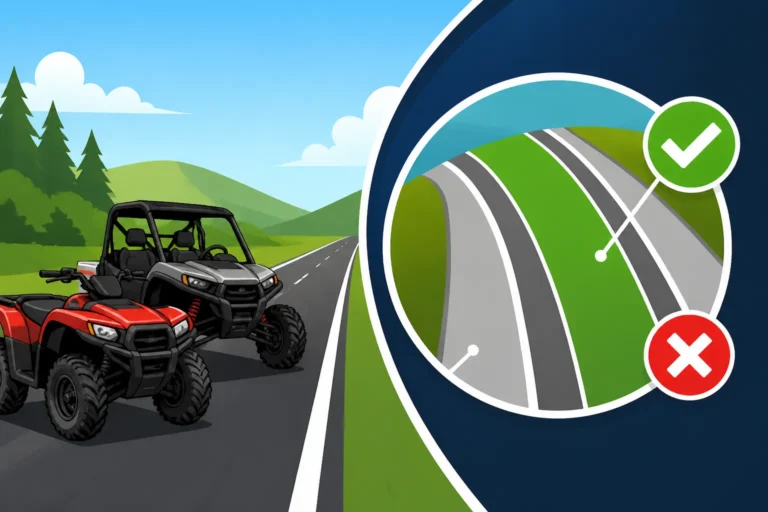
At the provincial level, we have the New Brunswick Off-Road Vehicle Act. This act lays out the fundamental rules for operating ATVs, UTVs, and other ORVs throughout the province. It covers things like registration requirements, insurance mandates, age restrictions for riders, and general safety equipment. It defines where ORVs are generally allowed (like on designated trails and private land with permission) and where they are generally not allowed (like on the main traveled portion of public highways). This act provides the baseline, the "default" settings, if you will, for ORV operation across New Brunswick. Understanding [What New Brunswick's Off-Road Vehicle Act Covers] is your starting point for provincial compliance.
Where Municipalities Can Step In
While the province sets the overarching framework, it also grants municipalities—cities, towns, and villages—the power to create their own bylaws on certain matters, including ORV use within their corporate limits. This is where things get interesting and, frankly, a bit complicated. A municipality can, through a bylaw, designate specific streets or sections of streets where ORVs are permitted to operate under certain conditions, even if the provincial act might otherwise restrict it. These local bylaws are usually created to facilitate access to trailheads, allow riders to reach services like gas stations or restaurants, or connect different parts of a community's trail network. It's important to remember that a municipal bylaw cannot contradict the provincial act, but it can supplement it by providing more permissive access in specific, well-defined areas. This allows local communities to tailor rules to their unique geography and local needs, which is why the rules can vary so much from one town to the next.
What Exactly Is a Municipal Bylaw for ORVs?
So, when we talk about a "municipal bylaw for ORVs," what are we really referring to? It's not just a casual suggestion; it's a legally binding local law that dictates specific conditions for off-road vehicle use within that municipality's jurisdiction. These bylaws are often the result of community input, council discussions, and careful planning to balance the needs of riders with the safety and peace of mind of other residents.
Designated Road Sections and Their Purpose
A key component of these bylaws is the designation of specific roads or road sections where ATVs and UTVs are permitted to operate. These aren't just any roads; they are carefully selected routes that often serve a specific purpose, such as connecting two sections of a trail, allowing access to fuel or food, or providing a safe corridor through a residential area. For example, a bylaw might designate a specific secondary road for ORV use between the hours of 7 AM and 9 PM, with a reduced speed limit of 20 km/h, solely for the purpose of accessing a nearby trail system. These designated routes are usually marked with signs, though the quality and clarity of signage can unfortunately vary. The idea is to create a controlled environment where riders can legally and safely navigate public infrastructure without infringing on broader provincial highway restrictions. This directly relates to [New Brunswick Rules for Riding a Village Street] or [New Brunswick Rules for Riding a Woods Road] where local authorities have specific input.
The Difference Between Ministerial Designations and Bylaws
It's easy to confuse municipal bylaws with what are known as "Ministerial Designations" when it comes to road access. A Ministerial Designation is an order made by the provincial Minister responsible for the Off-Road Vehicle Act. These designations can also open up certain provincial highways or portions thereof for ORV use, often for specific purposes like connecting trails or providing access through unorganized territories. The key difference is the authority behind them: Ministerial Designations come from the province, while bylaws come from local municipal councils.
While both serve to expand legal ORV access beyond the general prohibitions, they operate under different administrative umbrellas. Municipal bylaws are more localized and granular, dealing with specific streets within a town or village. Ministerial Designations often cover longer stretches of provincial roads or highways, sometimes linking entire regions. Riders need to be aware of both, as you might be operating under a provincial designation on one stretch and then transition to a municipal bylaw within a town's limits. Knowing [How a Local Council Bylaw Opens a Road] clarifies the local authority, while a Ministerial Designation often relates to broader provincial infrastructure.
How to Find and Interpret Local Bylaws in New Brunswick
This is often the most challenging part for riders: finding the actual text of these bylaws and understanding what they mean. It's not always as straightforward as you'd hope, but with a bit of persistence, you can usually track down the information you need. Don't be shy about doing your homework; it's always better to be informed than to risk a fine.
Starting Your Search: Where to Look Online and In-Person
Your first and best resource for finding a municipal bylaw is usually the municipality itself. Most cities, towns, and villages in New Brunswick maintain an official website. Look for sections titled "Bylaws," "Council Documents," "Public Notices," or "Recreation/Parks." Many municipalities will post their current bylaws online as PDF documents. Use the search function on their site for terms like "off-road vehicle," "ATV," "UTV," or "bylaw ORV." If you're planning a trip, identify the specific municipalities you'll be riding through or near and check each of their websites.
If you can't find it online, or if the website isn't well-maintained, the next step is to contact the municipal office directly. A phone call to the town clerk or general inquiries line can often point you in the right direction. They can tell you if a bylaw exists, where to find a copy, and sometimes even clarify specific routes. Don't underestimate the power of a friendly conversation with local government staff; they are there to help their constituents. This approach is key to [New Brunswick Local Bylaws and Where to Find Them].
Decoding the Legalese: What to Pay Attention To
Once you get your hands on a bylaw, you might find yourself staring at a document full of legal jargon. Don't panic! Focus on a few key elements:
- Designated Roads/Sections: This is crucial. The bylaw will list specific street names, road numbers, or sections of roads where ORVs are permitted. Pay very close attention to the exact boundaries described.
- Hours of Operation: Many bylaws specify the times of day or days of the week when ORVs are allowed on designated routes. For example, some might prohibit nighttime riding or restrict weekend access to minimize noise in residential areas.
- Speed Limits: Often, the speed limit for ORVs on designated municipal roads will be lower than the posted speed limit for cars. This is for safety and to reduce noise and dust.
- Equipment Requirements: While provincial law covers basic equipment, a bylaw might add specific requirements for riding on their roads, such as needing specific lighting for dusk/dawn riding, or certain types of tires. While the provincial regulations are robust, some riders might look to aftermarket upgrades for enhanced visibility or durability. For example, some may turn to companies like SuperATV for heavy-duty winches or protective gear that exceeds minimum requirements, preparing them for any eventuality, even on designated village roads.
- Passenger Restrictions: Clarify if passengers are allowed and under what conditions, especially for UTVs or two-up ATVs.
- Signage Requirements: The bylaw might mention that designated routes will be marked. While you shouldn't rely solely on signage (as it can be missing or damaged), it's good to know what to look for.
Always read the entire bylaw if possible, as context is important. If anything is unclear, call the municipal office for clarification. It's much better to ask than to guess.
Club Resources and Local Knowledge
Beyond official municipal channels, local ATV and UTV clubs are invaluable resources. These clubs often work directly with municipalities to establish and maintain designated routes. They are usually the first to know about new bylaws, changes to existing ones, or where to find the most up-to-date information. Many clubs post maps or summaries of local bylaws on their websites or social media pages.
Joining a local club, or even just reaching out to one in an area you plan to visit, can provide you with insider knowledge that's hard to find elsewhere. Club members often have firsthand experience navigating these routes and can offer practical advice. They might even organize group rides that utilize these designated municipal roads, giving you a chance to learn the routes safely and legally. This grassroots knowledge can be a game-changer for confident, compliant riding.
Common Provisions You'll Find in ORV Bylaws
While each municipal bylaw is unique, they tend to share several common themes and provisions. Understanding these general categories can help you quickly identify the most important information when you review a new bylaw. Think of these as the standard building blocks that local councils use to craft their rules.
Specific Road Designations and Time Restrictions
The core of any ORV bylaw is the list of specific roads or road segments that are designated for ORV use. These might be quieter side streets, industrial roads, or short connectors designed to link trails. It's rare for bylaws to open up major arterial roads or highways, as those typically fall under provincial jurisdiction and carry heavier traffic. The bylaw will clearly name these roads, sometimes even providing specific block numbers or intersections to define the start and end points of the permissible section.
Alongside the "where," the "when" is equally critical. Most bylaws will specify strict hours of operation. You might find that ORVs are only permitted during daylight hours, or perhaps between 7 AM and 9 PM. Some might prohibit ORV use on specific holidays or during certain community events. These time restrictions are usually put in place to minimize noise disturbances for residents, especially during quiet evening hours or early mornings. Always double-check these details, as riding outside the designated hours can lead to fines, even if you are on an otherwise permitted road.
Speed Limits and Equipment Requirements
Another common provision in municipal bylaws relates to speed limits. While you might be used to a certain speed on the trails, designated municipal roads will almost always have a reduced speed limit for ORVs. This is a safety measure, recognizing that ORVs share these roads with pedestrians, cyclists, and other motor vehicles. It's not uncommon to see limits as low as 20 or 30 km/h, significantly less than the typical car speed limit. Always adhere to these posted or bylaw-specified speeds, regardless of whether a police officer is in sight. [New Brunswick Speed Limits on Designated Roads] covers these details broadly, but local bylaws fine-tune them.
Bylaws might also reiterate or add specific equipment requirements. While your ORV must meet provincial standards (headlights, taillights, brakes, muffler), a municipality might specify additional items for road use. This could include requirements for turn signals, mirrors, or even a specific type of helmet. For example, if you're regularly using designated road sections, you might consider enhancing your machine's visibility. Aftermarket companies like SuperATV offer a range of products, from brighter LED lights to robust mirrors, that can help your vehicle stand out more effectively on shared routes, going beyond the basic requirements to ensure maximum safety. Always ensure your machine is in top condition and meets all provincial and local requirements before heading out.
Passenger and Age Restrictions on Municipal Routes
Many bylaws will include specific rules regarding passengers and the age of operators on designated municipal roads. While provincial law sets general age requirements for ORV operation, local bylaws might add further restrictions for riding on public streets. For example, some bylaws might explicitly prohibit passengers on ATVs even if the machine is designed for two-up riding, or they might have stricter age requirements for operators on designated roads compared to private land.
These restrictions are primarily driven by safety concerns, given the increased risk of operating an ORV in an environment shared with other traffic and pedestrians. Always check the bylaw for details on who can ride, who can be a passenger, and what age requirements apply to operators on those specific municipal routes. Failure to comply can result in serious penalties, and more importantly, risks the safety of yourself and others. This is especially critical for [New Brunswick Rules for a Child Passenger] or [New Brunswick ATV Age Requirements].
| Bylaw Element | Common Provision | Why It's Important |
|---|---|---|
| Road Designation | Specific street names/sections listed. | Defines exactly where you can ride; anything else is off-limits. |
| Hours of Operation | Daylight hours, 7 AM – 9 PM, etc. | Minimizes noise and disturbance for residents; riding outside hours is illegal. |
| Speed Limit | Often 20-30 km/h for ORVs. | Ensures safety on shared roads; lower than typical vehicle speed limits. |
| Equipment | Provincial minimums, sometimes extra like turn signals, mirrors. | Enhances visibility and safety; helps integrate ORVs into mixed traffic safely. |
| Passengers | Often restricted or with strict conditions. | Reduces risk of injury in higher-traffic areas; safety focus for all road users. |
| Operator Age | Provincial minimums, sometimes higher for road use. | Ensures mature, experienced riders are operating in more complex road environments. |
| Signage | Designated routes are usually marked. | Helps riders identify legal routes; always double-check with the bylaw text. |
The Importance of Compliance and What Happens If You Don't
Riding an ATV or UTV in New Brunswick is a privilege, not an inherent right, especially when it comes to shared public spaces like municipal roads. Compliance with both provincial law and local bylaws isn't just about avoiding a ticket; it's about being a responsible member of the riding community and ensuring the long-term viability of ORV access. Ignoring these rules can have significant consequences, both for you personally and for the future of the sport.
The Financial Hit: Fines and Penalties
Let's not sugarcoat it: riding where you're not supposed to be, or failing to follow the specific rules of a bylaw, can be costly. New Brunswick has a system of set fines for various ORV infractions. While provincial fines for things like [New Brunswick No-Registration Fine of $172.50] are well-known, municipalities also have the authority to issue their own tickets for bylaw violations. These fines can range from moderate to substantial, easily running into the hundreds of dollars. Beyond the initial fine, you could also face court costs, impoundment fees for your machine, or even escalating penalties for repeat offenses.
Consider a scenario where you're visiting a new town, unfamiliar with its specific ORV bylaw. You assume a certain road is open because it's a quiet backstreet, but the bylaw explicitly prohibits ORVs there. An enforcement officer could issue you a fine, disrupting your trip and hitting your wallet hard. It's a stark reminder that ignorance of the law is rarely an excuse.
Community Relations and Future Access
Beyond the personal financial impact, non-compliance has a much broader effect: it damages the relationship between the ATV/UTV community and the general public, including municipal decision-makers. When riders consistently disregard bylaws—whether it's speeding through a residential area, riding outside permitted hours, or using non-designated roads—it creates negative perceptions. Residents complain about noise, dust, and safety concerns. These complaints then put pressure on municipal councils to restrict ORV access, rather than expand it.
Every time a rider breaks a bylaw, it jeopardizes the hard work of ATV clubs and advocates who spend countless hours negotiating with local governments to create and maintain these access points. A few bad apples can spoil the barrel for everyone, leading to the closure of existing routes or making it much harder to open new ones. Responsible riding and strict adherence to bylaws are crucial for fostering positive community relations and ensuring that future generations of riders continue to have places to enjoy their sport.
Navigating Shared Spaces: Rules for ATV Riders on Municipal Roads
Once you've confirmed a municipal bylaw allows you on a specific road, your responsibility doesn't end there. Operating an ORV on a public road, even a designated one, means you are entering a shared space with other vehicles, pedestrians, and cyclists. This requires a heightened sense of awareness, courtesy, and strict adherence to specific rules of the road.
Interacting with Vehicle Traffic
When riding on a designated municipal road, you become part of the general traffic flow. This means you must obey all traffic laws that apply to other motor vehicles, in addition to any ORV-specific rules. Stop at stop signs, yield at intersections, signal turns, and always respect speed limits. Remember that [New Brunswick Quads Yield to Motor Vehicles] is a foundational rule, ensuring safety for all road users. Never assume other drivers see you or understand ORV maneuvers. Your machine is often smaller and less visible than a car or truck, so defensive driving is paramount.
Be particularly cautious at intersections, driveways, and when encountering parked vehicles. Maintain a safe following distance from vehicles ahead, and be prepared for sudden stops or turns. If you're on a multi-lane road (though ORVs are usually restricted from these), stay in the right-most lane unless otherwise indicated. Eye contact with other drivers and clear signaling (even hand signals if your machine lacks turn indicators) can prevent misunderstandings and potential accidents.
Respecting Private Property and Noise Limits
Even on a designated municipal road, you are often riding through or adjacent to residential areas and private property. This comes with specific responsibilities. Never leave the designated road or shoulder to enter private property without explicit permission from the landowner. This includes driving onto lawns, cutting across fields, or using private driveways as shortcuts. [New Brunswick Trespass Law for Riders] applies just as much on designated roads as it does on trails. Respecting property boundaries is fundamental to maintaining good community relations.
Noise is another critical factor. While modern ATVs and UTVs are much quieter than older models, they still produce noise. Be mindful of this, especially when riding through residential areas or during early morning or late evening hours, even if the bylaw permits it. Avoid excessive revving, quick acceleration, or unnecessary loud behavior. Think about how you would feel if someone was making excessive noise outside your home. Being considerate of residents goes a long way in ensuring continued ORV access. This means taking extra care when passing homes, farms, or businesses along the designated route. Companies like SuperATV also offer aftermarket exhaust systems that are designed to meet certain sound regulations, which can be an advantage for riders who want to ensure they remain within acceptable noise limits while enjoying their machine.
Advocacy and Future Trends for ATV Road Access
The current landscape of ATV and UTV road access in New Brunswick is the result of years of advocacy and collaboration between riders, clubs, and various levels of government. It's a dynamic situation, constantly evolving, and the future of access largely depends on continued responsible engagement and proactive efforts from the riding community.
The Role of ATV Clubs in Expanding Access
Local ATV and UTV clubs are the unsung heroes when it comes to expanding and maintaining access to trails and designated road routes. These volunteer-run organizations tirelessly work with municipalities, landowners, and provincial authorities. They conduct research into potential road sections, draft proposals for bylaws, attend council meetings, and act as the voice of local riders. They understand the intricacies of local politics and community concerns, which is essential for successful advocacy.
For instance, a club might identify a critical gap in the trail network that could be bridged by designating a short section of a village street. They would then approach the municipal council, present their case, explain the benefits (such as increased tourism or rider convenience), and address potential concerns (like safety and noise). Many of the municipal bylaws that currently allow ORV access are a direct result of these persistent and professional efforts by local clubs. [New Brunswick's 57 Member Clubs] of QuadNB are a testament to this organized effort.
Working with Municipalities for Rider-Friendly Policies
The relationship between riders and municipalities doesn't end once a bylaw is passed. It's an ongoing partnership. Clubs continue to work with municipalities to monitor the effectiveness of bylaws, address any issues that arise, and propose amendments if necessary. This might involve advocating for clearer signage, suggesting adjustments to operating hours based on community feedback, or even proposing new designated routes as communities grow or trail networks expand.
As a rider, you can contribute to this positive trend by becoming involved with your local club. Attend meetings, volunteer for trail maintenance days, and most importantly, ride responsibly and set a good example. When municipal officials see that the ATV/UTV community is organized, respectful, and committed to safety and compliance, they are far more likely to consider rider-friendly policies. Conversely, a lack of engagement or consistent rule-breaking can quickly erode trust and lead to stricter regulations or even outright bans. The future of [New Brunswick ATV Road Rules Explained] depends on this collaborative spirit.
Disclaimer
This article is for general informational purposes only and does not constitute professional advice. Laws, prices and regulations vary by location and change over time. Consult a qualified professional for guidance on your specific situation.