New Brunswick Annual Registration Rule
One of the most common frustrations for off-road vehicle (ORV) owners in New Brunswick is keeping track of paperwork and deadlines. It feels like you just got everything sorted, and then another year has passed, bringing with it the looming need to renew your registration. This guide is here to walk you through the ins and outs of New Brunswick's annual ORV registration rule, helping you understand why it's structured the way it is and how to keep your machine legally on the trails without a hitch.
Understanding New Brunswick's Annual Registration Rule for ORVs
Owning an ATV, side-by-side, or dirt bike in New Brunswick comes with the responsibility of ensuring it's properly registered, and this isn't a one-time affair. Unlike some other vehicle registrations that might be valid for multiple years, ORVs in our beautiful province adhere to a strict annual cycle. This rule is designed to ensure that all active off-road vehicles are accounted for, contributing to trail maintenance, safety initiatives, and overall regulatory oversight each year. It's a system put in place not just for the sake of bureaucracy, but to help manage the vast network of trails we all enjoy and ensure our riding community remains safe and sustainable.
The December 31st Expiration Date
Perhaps the most distinctive feature of New Brunswick's ORV registration system is its universal expiration date: December 31st. This isn't a staggered system where your registration expires a year from the date you originally registered your machine. No matter when you bought or registered your ATV, whether it was in January or November, its registration will always expire on December 31st of that same year. This can often catch new owners off guard, especially if they register a machine late in the season, only to find themselves needing to renew it just a few short weeks later.
The reasoning behind this uniform date is primarily administrative. Imagine the chaos if every single ORV registration expired on its own unique anniversary date throughout the year. Service New Brunswick would be processing renewals constantly, making it harder to predict workloads, manage resources, and conduct annual data analysis. By having a fixed end date for all ORV registrations, the system becomes significantly more streamlined, allowing for more efficient planning and execution of the renewal period. It consolidates the renewal push into a specific window, making it easier for both the government and ORV clubs to manage their responsibilities. You can learn more about this by checking out [New Brunswick Registrations Expire December 31].
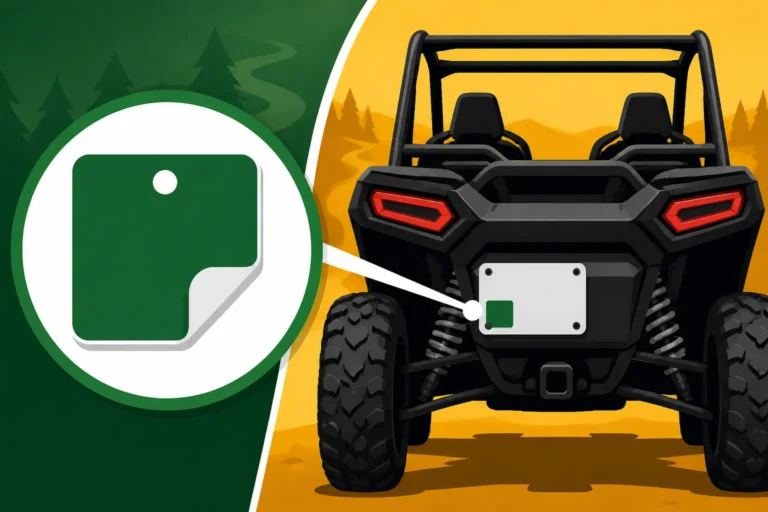
For seasoned riders, this December 31st deadline becomes second nature, a crucial date marked on their calendars alongside holiday plans. It ensures that come January 1st, a new year begins with a fresh slate of valid registrations, or at least the clear understanding of which machines are no longer compliant. This fixed date also simplifies the process for law enforcement and trail wardens; they don't have to calculate individual expiry dates on the fly. A quick glance at the year on the sticker tells them immediately if the registration is current or expired.
Why an Annual Renewal is Crucial
Beyond the administrative convenience, the annual renewal of your ORV registration is absolutely crucial for several reasons, both legal and practical. First and foremost, it's the law. Operating an unregistered ORV on public trails or designated areas in New Brunswick is against the law and can lead to significant penalties. This isn't just a minor infraction; it's taken seriously because an unregistered machine often means it's also uninsured or not properly accounted for in the provincial system.
From a practical standpoint, your annual registration fee goes towards maintaining the very trails we love to ride. These fees, managed by organizations like QuadNB, contribute to brushing, culvert repair, bridge maintenance, and signage across thousands of kilometres of trails. Without these annual contributions, the quality and accessibility of our trail network would quickly deteriorate. So, when you renew your registration, you're not just getting a sticker for your machine; you're investing in the future of off-road riding in New Brunswick.
Furthermore, annual registration helps ensure that the provincial records for ORV ownership are as up-to-date as possible. This is vital for various reasons, including tracking ownership changes, assisting in the recovery of stolen vehicles, and providing accurate data for planning and policy development related to ORV use. It's a continuous process that keeps the entire system robust and responsive to the needs of the riding community. If you're ever wondering what happens if you don't keep up, look into [New Brunswick No-Registration Fine of $172.50].
How the Rule Keeps Things Fair and Organized
The annual registration rule, with its fixed December 31st expiry, plays a significant role in maintaining fairness and organization within the New Brunswick ORV community. By requiring everyone to renew around the same time, it creates a level playing field where all riders are expected to meet the same compliance standards. There's no advantage to registering at one point in the year over another, beyond the fact that registering earlier ensures you're good to go for the full season.
This unified approach also aids in the enforcement process. When every ORV plate displays a sticker that expires on December 31st, it's straightforward for officers and wardens to identify non-compliant machines. This clarity reduces ambiguity and makes it harder for individuals to intentionally or unintentionally operate an unregistered vehicle for an extended period. The system is designed to be clear and unambiguous, reducing grey areas and ensuring that rules are applied consistently across the province.
Moreover, the consistent annual renewal cycle allows organizations like Service New Brunswick to plan their administrative year effectively. They can anticipate the volume of renewals and allocate resources accordingly, ensuring that the process runs as smoothly as possible for everyone involved. This organized approach minimizes wait times and ensures that the system can handle the influx of renewals efficiently. For details on how the system keeps things fair, consider [Why Every ORV Plate Expires on December 31].
The Specifics of Registering Your ORV Annually
Understanding the general principle of annual registration is one thing, but getting into the nitty-gritty of what it actually means for you as an ORV owner is another. It’s not just about paying a fee; it involves specific paperwork, deadlines, and a comprehension of what keeping your machine "on the books" truly entails year after year. This recurring task, while sometimes feeling like a chore, is fundamental to legal and responsible ORV operation in New Brunswick.
What "Annual Registration" Truly Means
When we talk about "annual registration" for your ORV in New Brunswick, it literally means a yearly commitment to update your vehicle's status with Service New Brunswick. Each year, your current registration certificate and the corresponding plate sticker expire on December 31st, regardless of when you initially registered the machine. So, even if you just bought a used ATV in October, you’ll be renewing its registration in December for the upcoming year. This isn't a prorated system where you pay less for fewer months of use; it's a fixed annual cycle.
This consistent yearly renewal ensures that the provincial database remains current. It helps track active ORVs, confirm ownership, and ensures that the necessary fees are collected to support the ORV infrastructure. It's a process of re-validation, confirming that the machine is still owned by you, that its details haven't changed, and that you intend to continue operating it. It's a fresh start for compliance every single year, reinforcing the importance of keeping your paperwork in order.
For instance, consider a family in Moncton who buys a new side-by-side in July. They'll go through the initial registration process, get their plate and sticker, and enjoy the summer and fall riding season. Come December, they’ll receive a renewal notice, reminding them to pay for the next year's registration. This is crucial because if they fail to renew, their machine, legally registered for 20XX, would become unregistered on January 1st of 20XY. It’s a continuous loop that requires attention every single year.
Documents You'll Need for Renewal
Thankfully, renewing an existing ORV registration is generally much simpler than the initial registration process. You usually won't need the extensive documentation required when you first put the machine on the books, especially if you're renewing in person. However, it's always wise to have certain items readily available, just in case. The primary document you'll need is your current registration certificate or the renewal notice that Service New Brunswick sends out.
The renewal notice typically arrives by mail a few weeks or months before the December 31st deadline. This notice will contain all the necessary information, including your ORV's details and your account number, making the renewal process straightforward, whether you're doing it online, by phone, or in person. If you haven't received a notice, don't wait; it's your responsibility to renew, even without the reminder.
While not always required for a standard renewal, it's never a bad idea to have your proof of identity (like a driver's license) and proof of ownership (the original registration certificate) on hand, especially if you're visiting a Service New Brunswick centre. This covers you for any unforeseen issues or if they need to verify details. Keep a digital or physical copy of these documents in an accessible, safe place. A comprehensive guide for initial registration is found in [New Brunswick Registration Paperwork Checklist].
Understanding the Fees for Annual Registration
The annual registration fee for an ORV in New Brunswick is a fixed cost that contributes to the provincial ORV program and trail infrastructure. It's not a variable fee based on how much you ride or the time of year you renew, as mentioned earlier. The fee structure differentiates between types of ORVs, which is important to note. For example, the cost to register an ATV is different from that of a dirt bike.
While specific figures can change, and it's always best to confirm current rates directly with Service New Brunswick, you should expect to pay a set fee each year for your specific type of machine. These fees are vital. They help fund the maintenance of the provincial trail system, support ORV safety initiatives, and contribute to the administrative costs of managing the registration system itself. You might find it interesting to look at [New Brunswick ORV Registration Cost] for more general information on fees.
Think of it as your annual contribution to keeping the riding community vibrant and accessible. These fees are distinct from your trail permit, which is managed by QuadNB, but both are essential for legal trail riding. When budgeting for your annual ORV expenses, remember to factor in both the registration fee and the trail permit cost to ensure full compliance. For instance, [New Brunswick Charges $41 for an ATV] and [New Brunswick Charges $16 for a Dirt Bike] refer to the different cost structures you might encounter.
Navigating the Renewal Process Each Year
Once you understand the 'what' and 'why' of annual registration, the next step is to master the 'how.' Renewing your ORV's registration each year should be a straightforward process, especially with the various options available to New Brunswick residents. Preparing for this annual task can save you headaches and ensure your machine is always trail-ready when you are.
Options for Renewing Your New Brunswick ORV Registration
Service New Brunswick offers several convenient ways to renew your ORV registration, making it easier for you to fit this task into your busy schedule. Knowing your options beforehand can help you choose the method that best suits your needs and location.
The most traditional method is in-person renewal at any Service New Brunswick centre. This option is great if you prefer face-to-face interaction, have questions, or need immediate assistance. You'll simply bring your renewal notice or current registration certificate, present your ID, and pay the fee. They'll issue your new certificate and sticker on the spot, allowing you to affix it to your machine right away. This is often the preferred choice for those who want to ensure everything is processed correctly and without delay. For local options, check out [New Brunswick Service Centres That Register ORVs].
For those who appreciate convenience, online renewal is often the fastest and easiest way to get the job done. This option typically involves visiting the official Service New Brunswick website, navigating to the ORV registration renewal section, inputting your vehicle and personal details from your renewal notice, and paying by credit card. Once processed, your new registration certificate and sticker are usually mailed to you within a specified timeframe. This method is perfect for busy individuals who prefer to handle tasks from the comfort of their home or office. A helpful resource is [New Brunswick Renewal Online].
Finally, renewal by phone is another accessible option, especially for those who might not have easy internet access or prefer speaking with a representative. You can call Service New Brunswick's general inquiries line, and they can guide you through the process, taking your details and payment over the phone. Like online renewal, your new documents will then be mailed to you. This can be a good middle-ground option for many riders. For more details on this, refer to [New Brunswick Renewal by Phone].
| Renewal Method | Pros | Cons | Ideal For |
|---|---|---|---|
| In-Person | Immediate new sticker, direct assistance | Requires travel, potential wait times | Those with questions, needing immediate documentation |
| Online | Convenient, accessible 24/7 | Documents mailed (not immediate) | Busy individuals, comfortable with digital services |
| By Phone | Personal interaction, no internet needed | Documents mailed (not immediate) | Those without internet, prefer verbal guidance |
What to Do If You Miss the December 31st Deadline
Life happens, and sometimes the December 31st deadline can slip by. If you find yourself in this situation, don't panic, but also don't delay taking action. The most important thing is to not operate your ORV until its registration is current. Riding with an expired registration is the same as riding unregistered, and it carries the same penalties.
If you've missed the deadline, you simply need to proceed with the renewal process as soon as possible through one of the methods mentioned above (in-person, online, or phone). There isn't typically an additional "late fee" for renewing after December 31st, but the core issue is that your machine is legally non-compliant during that period. The new registration will still be valid for the current year, expiring on December 31st of that year. So, if you renew in March, your registration will still only be good until December 31st of the same year.
The best advice is to renew proactively. Set reminders, mark your calendar, or use a personal organization tool to ensure you're aware of the upcoming deadline. Service New Brunswick does its part by sending out renewal notices, but ultimately, the responsibility rests with the ORV owner. For more information on dealing with potential fines, see [New Brunswick Penalties for Riding Unregistered].
When to Expect Your Renewal Notice
Service New Brunswick aims to provide ample notice for ORV registration renewals. Generally, you can expect to receive your renewal notice in the mail several weeks, if not a couple of months, before the December 31st expiration date. This usually means you'll see these notices appearing sometime in the late fall, typically around October or November.
These notices are a courtesy reminder, not a mandatory prerequisite for renewal. It's crucial to ensure your mailing address is up-to-date with Service New Brunswick. If you've moved, updating your address is essential to receive these and other important communications. If your address isn't current, you might miss the notice and mistakenly believe you don't need to renew, leading to potential issues down the road.
If November rolls around and you haven't received a renewal notice, it's a good idea to proactively reach out to Service New Brunswick. Don't wait until the last minute. You can contact them by phone or visit a service centre to inquire about your registration status and initiate the renewal process. Being proactive ensures you don't face the new year with an unregistered machine.
Consequences of Non-Compliance with Annual Registration
Ignoring or forgetting your annual ORV registration in New Brunswick can lead to a host of problems that extend far beyond a simple administrative oversight. These consequences can be financial, legal, and even impact your ability to enjoy your machine responsibly. Understanding these repercussions is key to motivating timely renewal and maintaining good standing as an ORV owner.
Penalties for Riding an Unregistered ORV
The most immediate and significant consequence of not renewing your annual ORV registration is the risk of being ticketed if you're caught operating an unregistered machine. In New Brunswick, operating an ORV without a valid, current registration is a violation of the Off-Road Vehicle Act. This isn't just a slap on the wrist; the fines can be substantial. An officer or trail warden can stop you and issue a ticket, which will put a significant dent in your wallet and potentially your riding plans.
Beyond the immediate fine, having a violation on your record can sometimes lead to other complications, though ORV infractions are generally separate from your standard driver's license record. However, it's never a good idea to be operating a vehicle outside of legal compliance. It also sends the wrong message about responsible ORV use within the community. For a clear picture of the costs, refer to [New Brunswick No-Registration Fine of $172.50].
Imagine you're out enjoying a beautiful fall day on the trails near Sussex, and a patrol vehicle pulls up. The first thing they'll check, after your general safety gear, is your registration sticker. If it's expired or missing, that pleasant day can quickly turn into a costly one. This is why many riders ensure their plate sticker is replaced promptly after renewal, and that they also carry a copy of their [New Brunswick Documents You Must Carry].
Insurance Implications Without Current Registration
Your ORV's registration status can have direct and serious implications for your insurance coverage. In New Brunswick, just like with road vehicles, having insurance for your ORV is a requirement, especially when riding on designated trails or Crown land. Many insurance policies are contingent on the vehicle being legally registered. If your registration has expired, your insurance company might deny a claim, arguing that the vehicle was not legally operated at the time of an incident.
Consider a scenario where you're involved in an accident on a trail near Fredericton, and your ORV's registration lapsed a couple of months prior. Even if you have an active insurance policy, the insurer could use the expired registration as grounds to refuse coverage for damages or injuries. This would leave you personally liable for repair costs, medical bills, and potential legal fees, which could be financially devastating. [New Brunswick Requires Insurance on Trails] highlights the importance of this.
Therefore, ensuring your ORV registration is current isn't just about avoiding a ticket; it's about protecting yourself and your assets. It's a critical component of responsible ORV ownership that directly links to your financial safety net. Always verify with your insurance provider how an expired registration might impact your coverage, but generally, legal registration is a foundational requirement for valid insurance claims. You can find more specific information on insurance fines in [New Brunswick Uninsured ATV Fine of $604.50].
Impact on Selling or Transferring Your Machine
An unregistered ORV can also create significant headaches when it comes time to sell or transfer ownership of your machine. When you sell an ORV, the new owner will need to register it in their name. If the machine's previous registration has long lapsed, it can complicate the transfer process at Service New Brunswick. Buyers are often wary of machines with incomplete or outdated paperwork, as it signals potential issues.
A savvy buyer will always ask for proof of current registration and a clear chain of title. If your machine's registration history is spotty or expired, it can make your ORV less appealing to potential purchasers, potentially lowering its resale value or making it harder to sell at all. No one wants to deal with administrative hurdles when buying a used vehicle.
To ensure a smooth sale, always make sure your ORV's registration is current and all ownership documents are in order. This includes having a proper bill of sale. For those looking to create legal documents for private sales, resources like LawDepot offer templates for bills of sale and other agreements that can help ensure all parties are protected and the transfer is legally sound. A clean registration history makes the transaction seamless for both you and the buyer. [New Brunswick Transfer of Ownership Explained] provides excellent guidance on this.
Special Scenarios and Annual Registration
While the annual registration rule is generally straightforward, life isn't always that simple. There are unique circumstances that can arise, from buying a machine mid-year to storing it for an extended period, that might make you wonder how the annual rule applies. Addressing these special scenarios helps ensure you stay compliant, no matter your situation.
Registering a New-to-You Machine Partway Through the Year
One common scenario that can cause confusion is when you purchase a "new-to-you" ORV partway through the year. Let's say you find the perfect used quad in August. You complete the purchase, get your bill of sale, and head to Service New Brunswick to register it in your name. You'll pay the full annual registration fee at that time, and you'll receive a plate and sticker for the current year.
Here's the key: that registration, despite being obtained in August, will still expire on December 31st of the same year. This means you'll need to renew it again for the upcoming year just a few short months later. New Brunswick's system does not prorate the annual registration fee based on the month you register. The fee covers the period up to the universal December 31st expiration.
While it might feel a bit unfair to pay a full year's fee for only a few months of use, this consistency is part of the streamlined administrative system. It ensures that every machine on the books aligns with the same annual cycle. So, when planning a purchase, especially late in the year, factor in that a renewal will be due relatively quickly. Remember, platforms like LawDepot can assist in generating clear, legally sound bills of sale for private transactions, which is crucial for a smooth initial registration. Check out [New Brunswick Registration After a Private Sale] for more details.
What About Machines Stored Over Winter or Not Actively Used?
Many ORV owners in New Brunswick store their machines over the winter months, especially if they primarily ride during the warmer seasons or have a separate snowmobile for winter use. A common question arises: if my ORV isn't being used, do I still need to renew its registration on December 31st?
The answer, generally, is yes, if you intend to operate it at all on public trails, Crown land, or designated areas in the next calendar year. The annual registration is a legal requirement for operation, not storage. If your machine is truly retired, being stored indefinitely on private land, and will absolutely not be ridden on any public access area, then you might choose not to renew. However, as soon as it touches a public trail, or even crosses a road, it must be registered.
It's a judgment call for each owner based on their intentions. If there's any chance you'll take it out for even one ride after January 1st, renewing its registration is the safest and most compliant option. It's often easier to renew annually than to face the hassle and potential penalties of operating an unregistered machine later. Many people keep their machines registered even if they are only using them on their own land, just in case they decide to head to a club trail or a neighbor's property. For insights into machines stored over winter, see [New Brunswick Machines Stored Over Winter].
Businesses and Rental Fleets: Special Annual Rules?
For businesses that operate ORVs, such as rental companies, tour operators, or those using ORVs for commercial purposes (e.g., in logging or farming), the annual registration rule applies in much the same way as it does for private owners. Each machine in their fleet must be registered annually, with the December 31st expiration date being universal.
However, the sheer volume of machines means that businesses often have a more systematic approach to managing their registrations. They typically have dedicated staff or systems in place to ensure all vehicles are renewed on time, minimizing any downtime due to non-compliance. They also need to ensure that their rental agreements and insurance policies are aligned with the legal registration status of their fleet. Businesses like tour operators offering guided excursions, which can be found across New Brunswick from the Miramichi to the Skedaddle Ridge, diligently manage their fleet registrations to ensure continuous legal operation.
For commercial operations, compliance is even more critical, as fines for unregistered vehicles could impact multiple machines and disrupt business. Therefore, for these entities, staying on top of the annual registration deadline is not just about legal obligation but also sound business practice. Using comprehensive documentation tools, which can include resources found on platforms like LawDepot, can be valuable for managing agreements related to their fleet, from purchase to rental contracts, ensuring all legal bases are covered. You can learn more about business machines by reading [New Brunswick Registration for a Business Machine].
Disclaimer
This article is for general informational purposes only and does not constitute professional advice. Laws, prices and regulations vary by location and change over time. Consult a qualified professional for guidance on your specific situation.