Registering a Dune Buggy for $16 a Year
It's incredibly frustrating when you're excited to hit the trails in your dune buggy, only to be met with confusion and conflicting information about how to get it legally registered in New Brunswick. Many folks assume a dune buggy is treated just like an ATV or a side-by-side, but the Off-Road Vehicle Act actually places it in a different category for registration purposes. This guide will cut through the guesswork, walking you through the precise steps to register your dune buggy and get that plate on your machine so you can ride with peace of mind.
Understanding Your Dune Buggy Under New Brunswick ORV Law
Before you even step foot into a Service New Brunswick centre, it’s vital to understand how your dune buggy is classified under the provincial Off-Road Vehicle Act. This isn't just bureaucratic red tape; it directly impacts the fee you pay and the documents you need. Many riders, understandably, lump all their off-road toys into one mental basket, but the province has very specific definitions that can catch you off guard.
The "Dirt Bike" Classification for Dune Buggies
Here's where it gets interesting, and often, confusing for new dune buggy owners. While your dune buggy might look nothing like a two-wheeled dirt bike, the New Brunswick Off-Road Vehicle Act groups certain types of ORVs together for registration fee purposes. Dune buggies, in many cases, fall under the same fee schedule as dirt bikes. This means that, despite their appearance or the number of wheels, they are treated similarly to dirt bikes when it comes to the annual registration cost. It’s a nuance that can save you money, as these machines typically have a lower annual fee compared to ATVs or side-by-sides. This specific classification is a common point of misunderstanding, and it's why many people are surprised to find their annual registration bill is quite modest.
What Qualifies as a Dune Buggy in New Brunswick?
So, what exactly is a dune buggy in the eyes of New Brunswick law for this specific fee structure? Generally, we're talking about a lightweight, open-framed, often two-wheel drive vehicle designed for off-road use, typically with larger tires for sand or loose terrain. Think less "armored utility vehicle" and more "fun, nimble recreational machine." The key is usually its purpose-built design for light off-road recreation, often lacking the full enclosure or cargo capacity of a side-by-side. If your machine is essentially a stripped-down, lightweight vehicle primarily for recreational dirt or sand driving, it's highly likely to fall into this category. The distinction is less about brand and more about the fundamental design and intended use of the vehicle. Machines that are heavily modified cars, or those that have full automotive chassis and components, might be viewed differently, but purpose-built recreational dune buggies usually fit the bill for the [New Brunswick Dirt Bike and Dune Buggy Fees].
The Step-by-Step Registration Process at Service New Brunswick
Getting your dune buggy registered in New Brunswick isn't as intimidating as it might seem, especially once you know what to expect. The process is handled through Service New Brunswick (SNB), much like registering a car or an ATV. The key is to arrive prepared, with all your ducks in a row. Don't rush into it; a little preparation can save you a lot of grief and a second trip.
Preparing for Your Visit to Service New Brunswick
Before you head out the door, gather all your necessary documents. This is the single most important step to ensure a smooth registration. You'll need proof of ownership, personal identification, and potentially a bill of sale or manufacturer's statement of origin (MSO) if it's a new machine. It’s always a good idea to call ahead to your local Service New Brunswick centre, or check their website, for current operating hours or any specific requirements unique to your situation. Remember, the staff at SNB are there to help, but they can only process what you bring them. Having everything organized means less time waiting and more time planning your first ride. For a detailed list, you might want to review [New Brunswick Registration Paperwork Checklist].
Completing the Application for Vehicle Registration
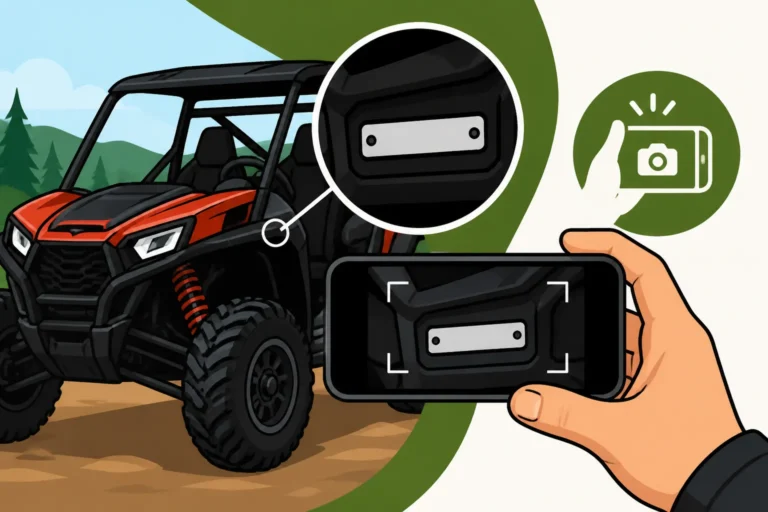
Once you're at Service New Brunswick, you'll be asked to fill out an "Application for Vehicle Registration" form. This form collects all the pertinent information about you, the owner, and your dune buggy. You'll need details like your name, address, date of birth, and driver's license number. For the dune buggy itself, you'll need its make, model, year, and crucially, its Vehicle Identification Number (VIN). Double-check all numbers and spellings to avoid any errors that could delay your registration. This form is standard for all vehicle registrations, so if you've ever registered a car or an ATV before, it will feel very familiar. Don't hesitate to ask the SNB staff if any section is unclear; it's better to get it right the first time. Understanding [Filling Out the Application for Vehicle Registration] can make this step much easier.
What to Expect at the Counter
When you get to the counter, the Service New Brunswick representative will review your application and all supporting documents. They'll verify your identity, confirm the VIN and ownership details, and calculate the applicable fees. This is when you’ll pay for your registration, and potentially, Harmonized Sales Tax (HST) if you purchased the machine privately and it hasn't been paid yet. If everything is in order, they will issue you a registration certificate and an ORV license plate, along with a sticker that indicates the registration's validity. They might ask a few questions, especially if the machine is a custom build or has an unusual VIN. Be prepared to explain its origins or purpose. It's a straightforward process when you're prepared.
Essential Paperwork for Your Dune Buggy
The backbone of any successful registration is having the right documents. For a dune buggy, this is no different. The types of paperwork you need can vary slightly depending on whether you bought the machine new from a dealer or used from a private seller. Getting these documents in order before you visit Service New Brunswick will save you a world of hassle.
Proof of Ownership: Bill of Sale or MSO
This is non-negotiable. You absolutely need to prove that you are the legal owner of the dune buggy.
If you bought it new from a dealer, you'll typically have a Manufacturer's Statement of Origin (MSO) or a New Vehicle Information Statement (NVIS). These documents essentially trace the machine from the manufacturer to the first retail owner.
If you bought it used from a private seller, a detailed bill of sale is critical. This document should clearly state the buyer's name, seller's name, date of sale, purchase price, and the dune buggy's make, model, year, and VIN. Both buyer and seller should sign it. A service like LawDepot can be incredibly helpful here, offering templates for a robust bill of sale that includes all the necessary legal clauses, giving both parties peace of mind and ensuring you have sufficient documentation for Service New Brunswick. Without proper proof of ownership, you simply won't be able to register the machine. For more on this, check out [New Brunswick Registration After a Private Sale].
Personal Identification and Residence Verification
You’ll also need valid government-issued photo identification, such as a driver's license, to prove who you are. This confirms your identity as the person registering the ORV. Additionally, Service New Brunswick will require proof of your New Brunswick residential address. This can often be satisfied by your driver's license if it has your current address, but sometimes they might ask for a utility bill or other official mail with your name and address on it, especially if you're a new resident or have recently moved. It's all about ensuring the registration is tied to the correct individual and address.
The Application for Vehicle Registration Form
While you'll complete this form at Service New Brunswick, it's worth noting here as part of the "paperwork." It's the official request to put your dune buggy on the provincial register. As mentioned earlier, it gathers your personal details and the machine's specifications, including that crucial VIN. Having all your information readily accessible when you sit down to fill it out will make the process much smoother. If you're nervous about making mistakes, you could ask the staff for a blank copy to look over beforehand, though they usually prefer you fill it out on site with their guidance.
Costs Involved Beyond Just the Plate
While it’s true that the annual registration fee for a dune buggy in New Brunswick can be as low as $16, that’s not the only figure you’ll see on your first visit to Service New Brunswick. There are other costs that might apply, and it's essential to budget for them so you're not caught off guard. Understanding these components ensures you have the full financial picture.
The $16 Annual Registration Fee
Yes, the base annual registration fee for a dune buggy, categorized with dirt bikes, is indeed a very reasonable amount. This fee covers the cost of the provincial registration and the issuance of your ORV plate and yearly sticker. It’s designed to be an accessible fee for recreational off-road enthusiasts. This fee is standard across the province, so whether you're registering in Fredericton or Campbellton, this part of the cost will remain consistent. It’s one of the reasons dune buggies can be an attractive option for budget-conscious riders. Keep in mind that this fee, like all annual registrations, is due by December 31st each year, regardless of when you initially registered your machine. [New Brunswick Annual Registration Rule] and [Why Every ORV Plate Expire on December 31] explain this in more detail.
Harmonized Sales Tax (HST) on Private Sales
Here's where many people overlook a significant cost: Harmonized Sales Tax (HST). If you purchase a dune buggy from a private seller, you are generally responsible for paying the HST on the purchase price. Service New Brunswick collects this tax on behalf of the provincial and federal governments at the time of registration. The amount will be calculated based on the purchase price listed on your bill of sale. If the sale price seems unusually low, SNB might use a Red Book value or similar appraisal to determine a fair market value for tax purposes, so be prepared for that possibility. If you buy from a licensed dealer, they will typically collect the HST at the point of sale, so you won't pay it again at SNB. This is a common point of confusion and can make that initial $16 registration feel a lot more expensive! Understanding [New Brunswick HST on an ATV Purchase] provides context.
Other Potential Fees
While less common, there could be other minor fees depending on your specific situation. For instance, if you require a special search of records or need a replacement registration certificate down the line, these services come with their own small charges. Generally, these are not applicable for a standard first-time registration, but it's good to be aware that Service New Brunswick has a schedule of fees for various administrative tasks. For the vast majority of dune buggy owners, the main costs will be the annual registration fee and the HST if applicable.
| Expense Type | Description | Typical Occasion |
|---|---|---|
| Annual Registration Fee | Base fee for the ORV plate and yearly sticker | Every year |
| Harmonized Sales Tax (HST) | Tax on the purchase price of the machine | Private sale registration |
| Plate Replacement Fee | If your plate is lost, stolen, or damaged | As needed |
| Record Search Fee | To obtain historical information about an ORV | As needed |
| Replacement Certificate Fee | For a lost or damaged registration certificate | As needed |
Common Hurdles and How to Overcome Them
Even with the best intentions and all your documents in hand, sometimes you hit a snag. Registering a unique machine like a dune buggy can sometimes present specific challenges that aren't common with more standardized vehicles. Knowing what these hurdles might be and how to navigate them can save you a lot of frustration and repeat trips to Service New Brunswick.
Dealing with Missing or Illegible VINs
The Vehicle Identification Number (VIN) is your dune buggy's unique fingerprint, and it’s absolutely critical for registration. If your VIN is missing, rusted beyond recognition, or altered, you've got a problem. Service New Brunswick cannot register a machine without a clear, verifiable VIN. In such cases, you might need to prove the machine's origin and potentially apply for a new VIN through a provincial inspection process, which can be time-consuming. It’s always wise to inspect the VIN before purchasing a used dune buggy. If you find yourself in this situation, contact Service New Brunswick directly to understand the exact steps you need to take. It's a hassle, but not insurmountable if you're patient and follow their instructions.
Private Sales Without a Clear Bill of Sale
While a simple handwritten bill of sale is often accepted for private sales, issues can arise if it's vague, lacks crucial information, or looks suspicious. For instance, if the purchase price is exceptionally low, SNB might question it for tax purposes, as mentioned earlier. Furthermore, if there's any doubt about the seller's legal right to sell the machine (e.g., if the previous owner is not the one selling), this can hold up your registration. This is another situation where using a legal document service like LawDepot for a robust bill of sale can be a real lifesaver, ensuring all the necessary fields are covered and providing a clear, professional document that minimizes questions at the counter. A comprehensive bill of sale protects both buyer and seller and makes the registration process much smoother.
Registering an Inherited or Gifted Dune Buggy
If you've inherited a dune buggy or received one as a gift, the proof of ownership can be a bit different. Instead of a bill of sale, you might need a copy of the will, a death certificate, or a sworn affidavit stating the machine was gifted to you. The exact requirements can vary, so it's best to confirm with Service New Brunswick what specific documents they will accept to transfer ownership in these circumstances. They want to ensure the transfer is legitimate and that the machine isn't still legally tied to the previous owner, or worse, stolen. This isn't an everyday occurrence for them, so being prepared with proper legal documentation is crucial. For more information on transferring ownership, see [New Brunswick Transfer of Ownership Explained].
Keeping Your Dune Buggy's Registration Up-to-Date
Getting your dune buggy registered is the first step, but it’s an annual commitment. Staying on top of renewals and understanding the rules surrounding your registration is crucial for continuous, legal enjoyment of the trails. Lapsed registrations can lead to fines and inconvenient delays.
Annual Renewal Process
Every ORV registration in New Brunswick, including your dune buggy's, expires on December 31st each year. You'll typically receive a renewal notice in the mail a few weeks before the expiry date. This notice will include instructions on how to renew. You can often renew online, by phone, or in person at any Service New Brunswick centre. The process is usually very straightforward for renewals, as your information is already in the system. Just pay the annual fee, and you'll receive a new sticker to affix to your plate. It's a good habit to mark your calendar or set a reminder for early December to ensure you don't miss the deadline. Renewing [New Brunswick Renewal Online] or [New Brunswick Renewal by Phone] are convenient options.
Displaying Your Plate and Sticker Correctly
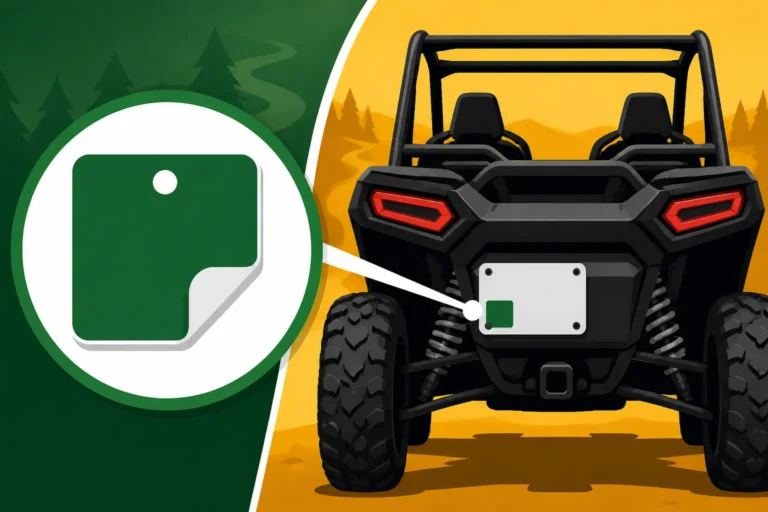
Once your dune buggy is registered, you’ll receive an ORV license plate and an annual validation sticker. The plate must be securely attached to the rear of your machine, clearly visible. The annual sticker then gets placed on the top left corner of the plate. It's not just for aesthetics; proper display ensures law enforcement can quickly verify your registration status. If your plate becomes damaged, faded, or illegible, or if you lose your sticker, you'll need to apply for replacements at Service New Brunswick. Riding with an improperly displayed or missing plate and sticker can lead to fines, even if your registration is otherwise valid.
Consequences of Riding Unregistered
Riding an unregistered dune buggy on public trails or land in New Brunswick is a serious offence. You could face significant fines if stopped by an enforcement officer. Beyond the financial penalty, an unregistered machine might also complicate insurance claims if you're involved in an accident. The registration process exists not just to collect fees, but to ensure accountability and track ownership of machines for safety and environmental reasons. So, while the initial registration might feel like a chore, it's a small price to pay for legal, worry-free trail riding. Ignorance of the law is never an excuse, so ensure your machine is always properly registered before you hit the trails. For more on what officers look for, you might be interested in [New Brunswick Documents You Must Carry].
Disclaimer
This article is for general informational purposes only and does not constitute professional advice. Laws, prices and regulations vary by location and change over time. Consult a qualified professional for guidance on your specific situation.