New Brunswick Shared Highway Sections
It can be incredibly confusing to figure out exactly where you can and cannot ride your ATV or UTV in New Brunswick, especially when rural roads and public highways are involved. Many riders worry about accidentally breaking the law or, worse, putting themselves and others at risk. This guide will clarify the rules around New Brunswick's shared highway sections, helping you navigate these designated areas safely and legally.
Understanding Shared Highway Sections
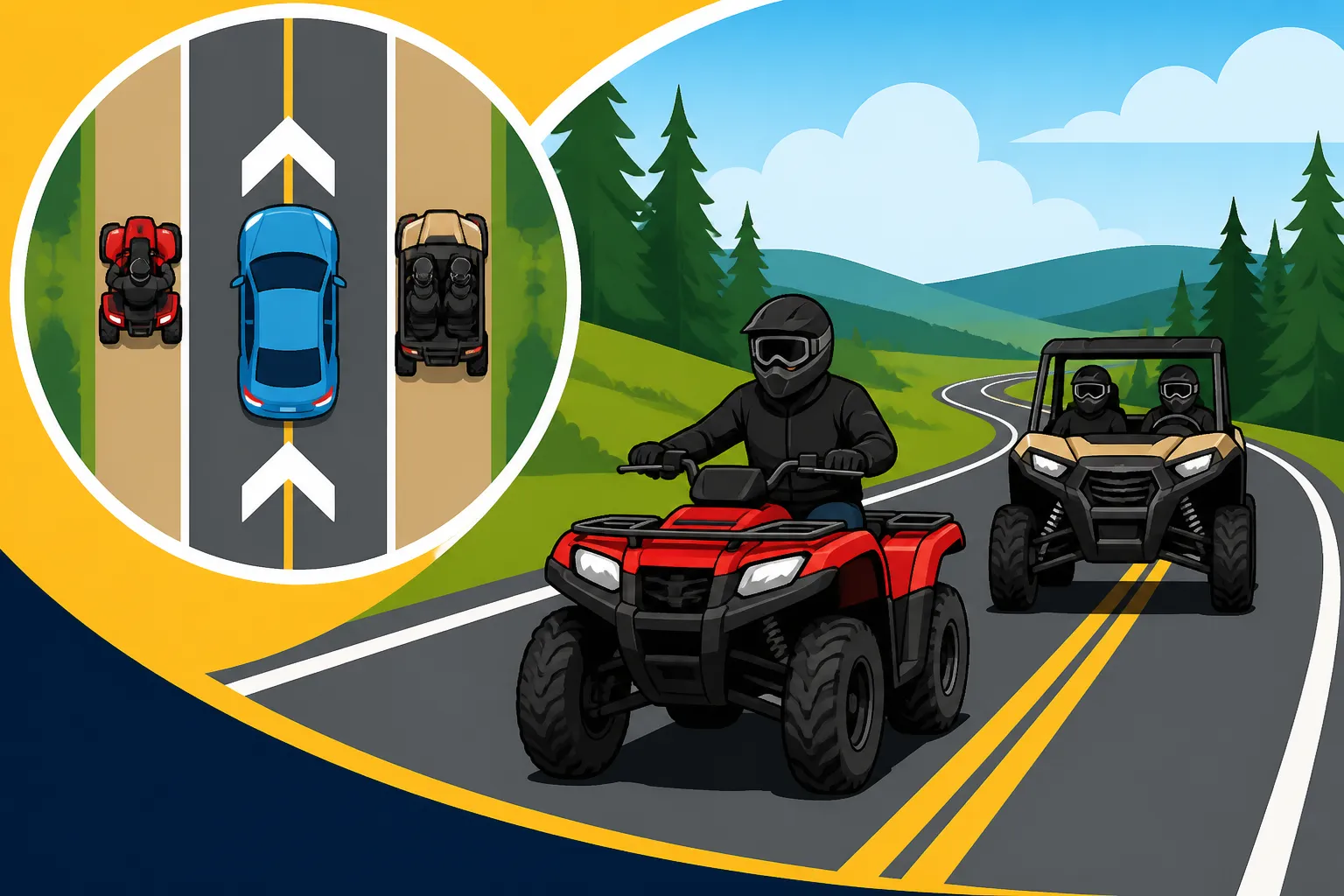
Let's face it, New Brunswick is a vast province with a sprawling network of trails, but sometimes, to get from one fantastic section of trail to another, you just have to use a public road. This isn't unique to our province; many places grapple with how to connect their off-road networks without forcing riders to trailer their machines everywhere. In New Brunswick, the solution often involves designated "shared highway sections," which are specific stretches of public highway where ATVs and UTVs are permitted to travel. These aren't just any roads; they are formally identified and marked areas that bridge gaps in the trail system, allowing riders to maintain their journey.
The whole idea behind shared highway sections is rooted in practicality and access. Our province's off-road vehicle (ORV) regulations recognize the importance of connecting communities and trails. Without these designated sections, many incredible riding loops would be broken, making it far less convenient for riders to explore the full breadth of our beautiful landscape. These sections are a testament to the efforts of clubs and local governments working together to create a more integrated and rider-friendly network. However, it's crucial to understand that "shared" doesn't mean "anything goes." These are public roads, and all users, including ORV operators, must adhere to specific rules designed to ensure everyone's safety.
Many riders, especially those new to the sport or visiting from out of province, mistakenly believe that if they see another ATV on a road, it's automatically legal to ride there. This is a common misconception that can lead to fines and even accidents. The truth is, unless a section of highway is explicitly designated and marked as a shared section, or falls under very specific exceptions like [New Brunswick's 7.5 Metre Rule From a Highway] or for specific farm or woodlot access, riding an ORV on a public road is generally prohibited. It's not enough to assume; you really need to know for sure, and that often means checking maps provided by organizations like QuadNB or looking for official signage.
Where Shared Highway Sections Exist
Identifying where these shared highway sections are located is paramount for any rider planning a route that involves linking trails. These aren't hidden secrets; they're usually well-documented and signed. Often, they are shorter stretches of secondary roads or even parts of village streets that have been specifically designated by the provincial government or, in some cases, by local municipal bylaws. You won't typically find them on major arteries or multi-lane highways, as the risks associated with mixing high-speed traffic and ORVs are simply too great.
One of the best resources for locating these shared sections is the official trail map provided by QuadNB, the provincial ATV federation. Their digital maps, often accessible via apps, will clearly highlight where the trails end and where you might need to use a shared road to pick up the trail again. These maps are updated regularly to reflect any changes in designations. Additionally, you'll often see specific signage on the ground indicating the start and end points of a shared section. These signs are a critical visual cue, confirming that you are on a legally permitted stretch of road for ORV use. Always keep an eye out for them, as they are your official go-ahead.
The designation process itself is quite involved. It usually starts with a request from a local ATV club or municipality, identifying a need to connect trail segments. This request then goes through various levels of government, often involving traffic studies and safety assessments, before a section of highway is officially declared "shared." This structured approach ensures that safety is prioritized, and that these sections are integrated as thoughtfully as possible into the overall transportation network. It's a collaborative effort, and understanding this process helps appreciate why these designated sections are so important for legitimate trail riding.
Navigating Shared Highway Sections Safely
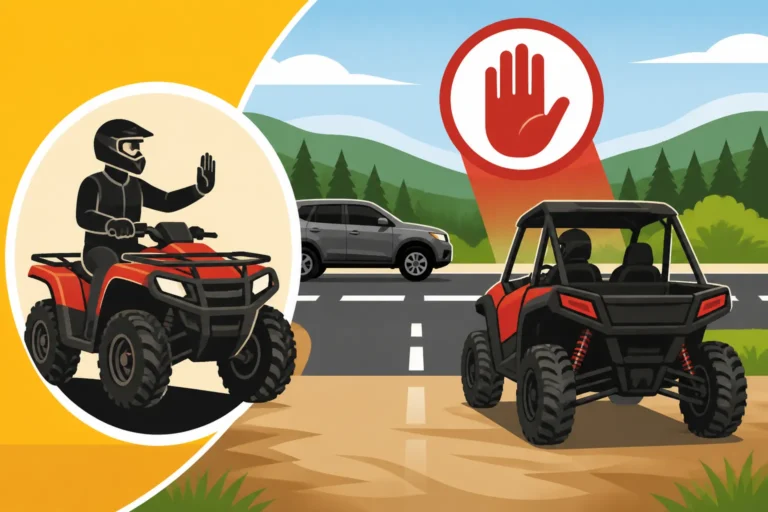
Riding on a shared highway section is fundamentally different from trail riding, and it requires a distinct set of safety practices and adherence to specific rules. The most crucial aspect is shifting your mindset from a rugged trail environment to a mixed-traffic road environment. This means being acutely aware of other vehicles, pedestrians, and cyclists. Just because you're allowed to be there doesn't mean you have the right-of-way over standard highway traffic; in fact, the opposite is often true, as [New Brunswick Quads Yield to Motor Vehicles]. Your primary goal should be to be seen, be predictable, and act courteously.
Speed limits are strictly enforced on shared highway sections, and they are typically the same as for other motor vehicles on that particular road. While you might be used to varying speeds on trails, these road sections demand a consistent and legal pace. Pay close attention to posted speed limits, as they can change frequently, especially when passing through residential areas or small communities. Slowing down isn't just about avoiding a ticket; it's about reducing your stopping distance and giving yourself more time to react to unexpected hazards, which are far more common on a public road than on a dedicated trail.
Visibility is non-negotiable on shared highway sections. Your machine needs to be equipped with proper lighting, both front and rear, and these lights must be functional and on, regardless of the time of day. This includes headlights, taillights, and brake lights. Many riders also choose to add extra reflective tape or brighter LED accessories to their machines for enhanced visibility, especially if they are riding a darker-coloured ATV. Think about it from a driver's perspective: an ATV can be a smaller profile than a car, so anything you can do to make yourself stand out, especially in adverse weather or at dusk, is a smart move. [New Brunswick Lighting Requirements at Night] are especially stringent, so familiarize yourself with them before venturing onto any shared road after dark.
Equipment Requirements for Shared Sections
When you're riding on New Brunswick's shared highway sections, your ATV or UTV isn't just an off-road machine anymore; it's sharing the road with cars and trucks, and that means it needs to meet certain standards. This isn't about making your machine street legal in the traditional sense, but rather ensuring it's equipped to safely interact with other vehicles for these specific, designated stretches. Ignoring these requirements can not only lead to fines but also compromise your safety and the safety of others on the road.
Firstly, your machine must have functional headlights, taillights, and brake lights, as mentioned earlier. But beyond that, things like mirrors become critical. While not always mandatory for pure trail riding, side mirrors are essential for safely monitoring traffic behind you when on a shared road. Imagine needing to make a turn or merge; knowing what's coming up behind you is paramount. Many aftermarket companies, including SuperATV, offer robust mirrors designed to withstand the rigours of off-road use while providing clear visibility for road sections. It's a small investment that makes a huge difference in your ability to navigate shared sections with confidence.
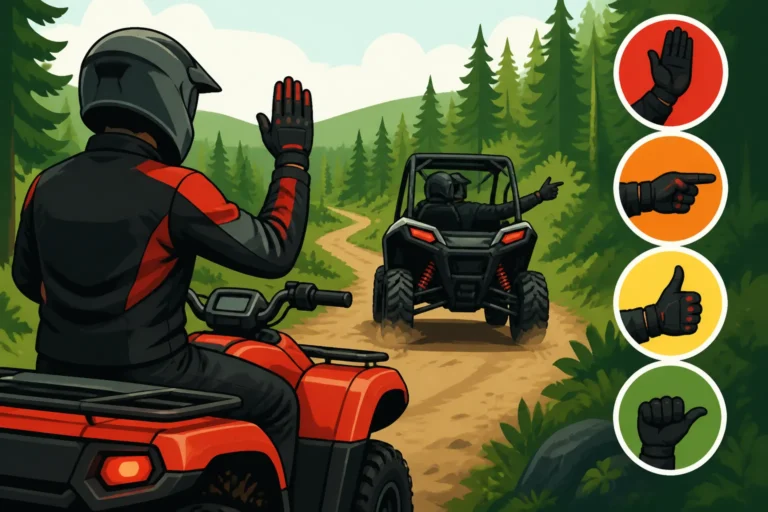
Tires are another consideration. While knobby, aggressive tires are fantastic for mud and rock, they can behave differently on pavement, especially wet pavement. They might wear faster and offer less grip on hard surfaces. While you don't need dedicated road tires for these short stretches, ensuring your existing tires are in good condition and properly inflated for the mixed terrain is important. Some riders who frequently use shared sections might opt for more all-terrain style tires that offer a better balance of grip and wear characteristics. Additionally, ensure your machine has working turn signals if you plan on turning onto or off a shared section. If your machine doesn't have them, you'll need to know and use the appropriate [New Brunswick Hand Signal Requirements].
Here's a quick look at common equipment considerations for shared highway sections:
| Equipment Feature | Requirement for Shared Highway Sections (New Brunswick) | Notes |
|---|---|---|
| Headlights | Mandatory (must be on) | Ensure they are bright and properly aimed. |
| Taillights/Brake Lights | Mandatory (must be on and functional) | Crucial for visibility to vehicles behind you, especially when slowing down. |
| Rearview Mirrors | Highly Recommended (often implied by road usage rules) | Essential for situational awareness and safe lane changes/turns. Aftermarket options are plentiful. |
| Turn Signals | Recommended (if equipped, use them) | If not equipped, master and use hand signals diligently. |
| Horn | Mandatory (must be functional) | Used for warning other users of your presence. |
| Brakes | Mandatory (must be fully functional) | Must be capable of stopping your machine safely and quickly. |
| Tires | Good condition, appropriate tread | While knobby is fine, ensure they're not excessively worn for road use; check pressure. |
| Muffler/Exhaust | Must be in good working order, within noise limits | Avoid excessive noise, especially in residential areas. |
| Safety Flag | Recommended (for increased visibility) | Especially useful if riding in dusty conditions or where sightlines are limited. |
Best Practices and Safety Considerations
Riding on shared highway sections demands a heightened sense of caution and a proactive approach to safety. It's not just about obeying the rules; it's about anticipating potential hazards and making smart decisions to protect yourself and others. Many of these sections are in rural areas, where drivers might not always expect to encounter an ATV or UTV, so you need to ride defensively and visibly.
One of the most effective strategies is to maximize your visibility. We've talked about lights, but also consider your riding gear. Brightly coloured helmets and jackets significantly increase your profile to other drivers. Some riders even go a step further, adding a safety flag to their machine, especially if their ORV is on the smaller side or if they're riding in an area with rolling hills or blind spots. Products from companies like SuperATV often include accessories like light bars and whip lights that can further improve your visibility, both day and night, making you much harder to miss for oncoming traffic. Always assume other drivers don't see you, and ride accordingly.
Maintaining a safe following distance from vehicles ahead of you is also crucial. ATVs and UTVs can have different braking characteristics than cars, especially on pavement. Give yourself ample space to react and stop if the vehicle in front of you suddenly brakes. Conversely, if there's a line of traffic building up behind you, and it's safe to do so, pull over to the side of the road to let them pass. This courtesy can go a long way in fostering positive relationships between ORV riders and other road users. Remember, a single bad interaction can sometimes colour the perception of all riders, so let's all strive to be good ambassadors for our sport.
Penalties and Enforcement on Shared Sections
Ignoring the rules on New Brunswick's shared highway sections isn't just frowned upon; it carries real legal consequences. Law enforcement, including the RCMP and local police, have the authority to pull over ORV operators on these designated roads, just as they would any other vehicle. They are well aware of the specific regulations governing shared sections and are vigilant about ensuring compliance, especially in areas where there might be safety concerns or complaints from residents.
The penalties for infractions can range from monetary fines to more serious consequences, depending on the nature and severity of the violation. For instance, riding on a non-designated highway section could result in a fine, similar to [New Brunswick Penalties for Riding Near a Highway]. Not having proper lighting, failing to signal, or exceeding the posted speed limit are all enforceable offences. These fines can add up quickly and can certainly put a damper on what was supposed to be a fun day of riding. It's not just about the money, though; repeated offenses or serious violations could potentially impact your vehicle registration or even your driving privileges.
Beyond individual fines, there's a broader impact to consider. When riders consistently disregard the rules on shared sections, it can lead to increased scrutiny from communities and a push for more restrictive regulations. The ability to use these shared sections is often a privilege earned through careful negotiation and demonstrated responsibility. Each time a rider operates unsafely or illegally, it jeopardizes future access for everyone. Organizations like QuadNB work tirelessly to maintain and expand access, and it's up to every rider to support those efforts by adhering to the rules, carrying all required documents like [New Brunswick Documents You Must Carry], and being respectful of shared spaces.
Maintaining and Improving Shared Access
The existence and continued availability of shared highway sections in New Brunswick aren't guaranteed; they are the result of ongoing efforts and collaboration between various stakeholders. For riders, it's not enough to just know the rules; it's also about actively participating in the community and advocating for responsible ORV use to ensure these vital connections remain open.
Local ATV clubs play an absolutely critical role in this. They are often the ones identifying the need for new shared sections, working with municipalities, and advocating for their designation. They also help educate riders about the rules and safe practices. Supporting your local club, whether through membership, volunteering, or simply following their guidelines, directly contributes to the maintenance and potential expansion of our trail network, including these shared road segments. These clubs are the backbone of organized ORV riding in the province, and without their tireless work, our access would be far more limited. For instance, getting [New Brunswick Highway Usage Permits] for specific stretches often involves club engagement.
Looking to the future, as ORV technology evolves and more people discover the joy of riding, the conversation around shared access will undoubtedly continue. This might involve exploring new technologies to enhance safety, such as advanced lighting systems – again, think of options from SuperATV that offer improved visibility and compliance – or more standardized signage. The key will always be a balanced approach that respects the needs of all road users while allowing responsible ORV enthusiasts to enjoy the vast beauty of New Brunswick. Your adherence to current rules and your positive example on the trails and shared roads are the best ways to ensure a bright future for ATVing in our province.
Disclaimer
This article is for general informational purposes only and does not constitute professional advice. Laws, prices and regulations vary by location and change over time. Consult a qualified professional for guidance on your specific situation.