New Brunswick Rules for a Side-by-Side Driver
There's nothing quite like the thrill of exploring New Brunswick's beautiful landscapes from the seat of your side-by-side, but let's be honest, figuring out all the rules and regulations can sometimes feel more challenging than a rocky climb. It's a common frustration for many riders who just want to hit the trails and backroads without worrying about fines or legal headaches. This comprehensive guide is designed to cut through the confusion, providing clear, actionable information specifically for side-by-side drivers in New Brunswick, so you can ride with confidence and peace of mind.
Getting Your Side-by-Side Ready for New Brunswick Trails and Roads
Before you even think about firing up that engine and hitting the dirt, there are a few foundational steps you absolutely must take to ensure your side-by-side is legal and ready for New Brunswick's diverse terrain. Ignoring these early steps is a surefire way to quickly turn a fun day into a costly one, and nobody wants that. It's all about making sure your machine is properly identified and documented, just like any other vehicle on the road, even if it's mostly sticking to the trails.
Registration and Annual Permit Essentials
First and foremost, every side-by-side operated in New Brunswick needs to be registered with Service New Brunswick. Think of it like getting a licence plate for your car – it's the official identifier for your machine. This isn't just a suggestion; it's a legal requirement under the Off-Road Vehicle Act. When you purchase a new or used side-by-side, whether from a dealer or a private seller, heading to a Service New Brunswick centre with the proper paperwork is your very first stop. They'll need things like your bill of sale, proof of identity, and the Manufacturer's Statement of Origin (MSO) if it's brand new. Once registered, you'll receive a registration certificate and, crucially, a plate and a validation sticker. This sticker needs to be renewed annually, and guess what? [New Brunswick Registrations Expire December 31], meaning you need to renew before the new year to avoid any lapse. You'll want to keep your registration certificate handy whenever you're out riding, too; it's one of those [New Brunswick Documents You Must Carry]. For those looking to understand the full cost, you might be interested in the details about [New Brunswick ORV Registration Cost].
Beyond the provincial registration, if you plan on riding on the extensive network of managed trails maintained by QuadNB member clubs – and let's be real, who doesn't? – you'll also need a trail permit. This permit helps fund the incredible work these clubs do, keeping those thousands of kilometres of trails in great shape. There are different types of permits, including groomed and non-groomed, and even youth permits. Just like your registration sticker, this permit needs to be displayed correctly on your machine, typically on the left side of the front fender. Not having a valid trail permit when you're on a designated trail can lead to fines, so it's a critical step in your preparation. The cost for these permits can change, so always check the latest figures for a [New Brunswick Trail Permit Cost in 2026].
Understanding Insurance Requirements
While you might assume your regular vehicle insurance covers everything, off-road vehicle insurance is a different beast entirely. In New Brunswick, if you plan to ride your side-by-side on any designated trail, public land, or even cross a highway, you absolutely must have a specific type of liability insurance. This isn't optional; it's a non-negotiable part of responsible riding. Imagine a scenario where you accidentally cause damage to property or injure someone on the trail – without insurance, you'd be personally liable for potentially massive costs. That thought alone is enough to send shivers down any rider's spine. The law is very clear on this: [New Brunswick Requires Insurance on Trails]. You'll want to make sure your policy provides adequate coverage for off-road use, and just like your registration, you should have proof of insurance with you at all times when riding. Getting caught without it can lead to significant fines, so make sure to check out what the [New Brunswick Uninsured ATV Fine of $604.50] might look like.
Many riders, especially those new to side-by-sides, often overlook the importance of specific off-road insurance, thinking their homeowner's policy will suffice. While some policies might offer minimal coverage, it's rarely enough for true trail riding. Speak with an insurance provider who understands off-road vehicles to ensure you're fully protected. They can walk you through the nuances of collision, comprehensive, and liability coverage tailored for your machine. This peace of mind is truly invaluable, knowing that you're covered if the unexpected happens, allowing you to focus on the ride itself.
Essential Safety Equipment for Your UTV
Your side-by-side is a powerful machine, and with that power comes the responsibility to equip it with the right safety gear, not just for you but for any passengers. First and foremost, helmets are not optional for anyone riding in an ORV in New Brunswick. Whether you're the driver or a passenger, you need a helmet that meets recognized safety standards like CSA, DOT, or Snell. This is a critical piece of protection, and [New Brunswick ATV Helmet Law] is strictly enforced. It might seem obvious, but you’d be surprised how many people still try to take shortcuts. Beyond helmets, consider other protective gear. Goggles are a must to protect your eyes from dust, debris, and insects, especially on those fast-paced sections or dusty backroads near Edmundston. Proper gloves can improve your grip and protect your hands, while sturdy boots and long clothing offer protection against minor scrapes, branches, and the elements.
Beyond personal gear, your side-by-side itself needs to be in good working order and equipped for safety. This includes functional headlights and taillights for visibility, especially if you're riding in the early morning fog near the Fundy coast or the long twilight of a New Brunswick evening. A well-maintained braking system is non-negotiable. Many riders also choose to add aftermarket accessories to enhance safety, such as upgraded lighting systems from brands like SuperATV for better night vision, or full windshields to protect against trail debris and weather. While not all accessories are legally mandated, they significantly contribute to a safer and more enjoyable riding experience. Regularly inspect your tires, brakes, lights, and suspension before each ride. A pre-ride check can catch a small problem before it becomes a big, dangerous one.
Who Can Drive a Side-by-Side in New Brunswick? Age, Licensing, and Training
The freedom of driving a side-by-side is incredible, but it's a privilege that comes with specific responsibilities, especially concerning who can operate these machines and who can ride along. New Brunswick has clear rules designed to ensure the safety of all riders, especially the younger ones, and these are rules you definitely don't want to overlook.
Minimum Age and Licence Requirements
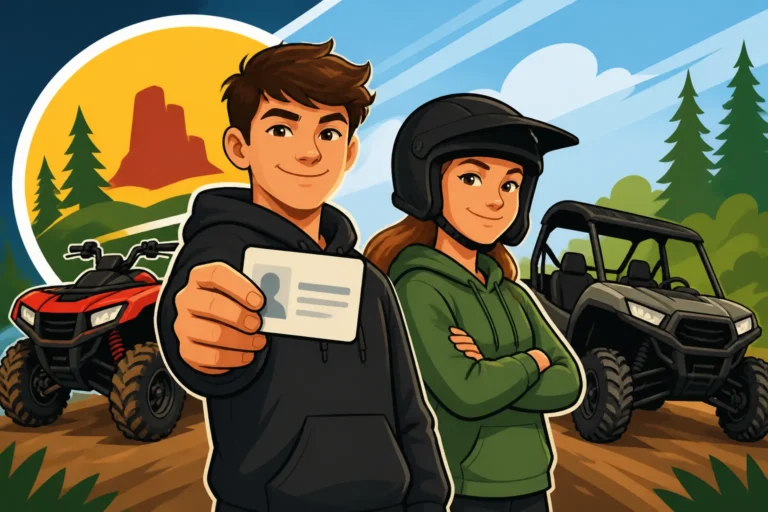
This is a point of frequent confusion for many, but it's crystal clear in New Brunswick: you need to be at least 16 years old to drive a side-by-side on any designated trail or public land. Furthermore, if you're 16 or older, you need to hold a valid driver's licence of any class (yes, even a Class 7 learner's permit works, as long as you adhere to its restrictions, like having an accompanying adult). So, while your side-by-side might not be "street legal" in the traditional sense, the licensing requirements tie back to road vehicle laws. For instance, [New Brunswick ATV Age Requirements] are quite strict. For riders aged 14 and 15, there are specific conditions. They can operate an ORV if they hold a Class 9 ORV licence and are supervised by an adult (19+) who also holds a valid driver's licence and an ORV safety course certificate. It's a structured system to introduce younger riders to the sport safely.
It’s easy to think, "Oh, it's just a dirt track, who's going to know?" But enforcement is active on New Brunswick's trails. Getting caught with an underage or unlicensed driver can lead to significant fines for both the rider and, critically, for the owner of the machine. Parents, this is where your responsibility truly comes into play. You are ultimately accountable for ensuring that anyone operating your side-by-side meets all the legal requirements. This often means making tough decisions about whether your teenager is truly ready, not just legally, but maturely, for the responsibilities of driving such a machine.
The Importance of a Safety Course
Beyond the age and licence, a mandatory ORV safety training course is often required. If you're a New Brunswick resident and plan to operate a side-by-side (or any ORV) on designated trails or public land, you generally need to have successfully completed an approved safety course. There are specific exemptions, for instance, if you were born before a certain date, but for most riders, especially younger ones, this course is essential. The course covers everything from safe operating procedures and trail etiquette to environmental responsibility and basic machine maintenance. It's designed to equip you with the knowledge and skills to navigate New Brunswick's trails safely and responsibly. The [New Brunswick Safety Course Explained] details what to expect.
Think of the safety course as an investment in your well-being and the longevity of the sport. It's not just about ticking a box for the law; it's about making you a more competent and confident rider. For instance, learning how to properly assess terrain, handle emergencies, and understand the nuances of machine control can prevent accidents that even a well-built SuperATV roll cage can only mitigate. Many clubs offer these courses, and completing one often provides a deeper appreciation for the trail system and the community. Plus, having that certificate means you're prepared if an officer asks to see your credentials during a trail stop.
Rules for Carrying Passengers in Your Side-by-Side
One of the great joys of a side-by-side is the ability to share the adventure with friends and family. However, New Brunswick has very specific rules about who can be a passenger and how they must be accommodated. Your side-by-side must be specifically designed by the manufacturer to carry passengers, and it can only carry the number of passengers for which it was designed and equipped. This means if your machine has two seats, you can only have one driver and one passenger, period. [New Brunswick Rules for Two Riders on a Quad] are similar, emphasizing manufacturer design. You cannot have someone riding on your lap, standing in the back, or perched precariously on the cargo rack. Every passenger must have their own designated seat, footrests, and, as mentioned earlier, must wear an approved helmet.
Furthermore, there are age restrictions for child passengers. A passenger under the age of 14 may ride if they can safely reach the footrests and hold onto the handholds, and are accompanied by an adult driver who is at least 19 years old and has successfully completed an approved ORV safety course. This is not the place to bend the rules. The safety of your passengers, especially children, is paramount. An unexpected bump or sudden turn can easily dislodge an improperly seated passenger, leading to serious injury. Always double-check your machine's manufacturer guidelines for passenger capacity and always prioritize safety over convenience.
Navigating New Brunswick: Where You Can Legally Ride Your Side-by-Side
New Brunswick boasts an incredible network of trails and backroads, offering endless opportunities for side-by-side adventures. But understanding exactly where you can and cannot ride is crucial. Straying off the legal path can lead to fines, environmental damage, and even loss of access for all riders. It’s about respecting the land, the rules, and other users.
Riding on Designated Trails and Private Land
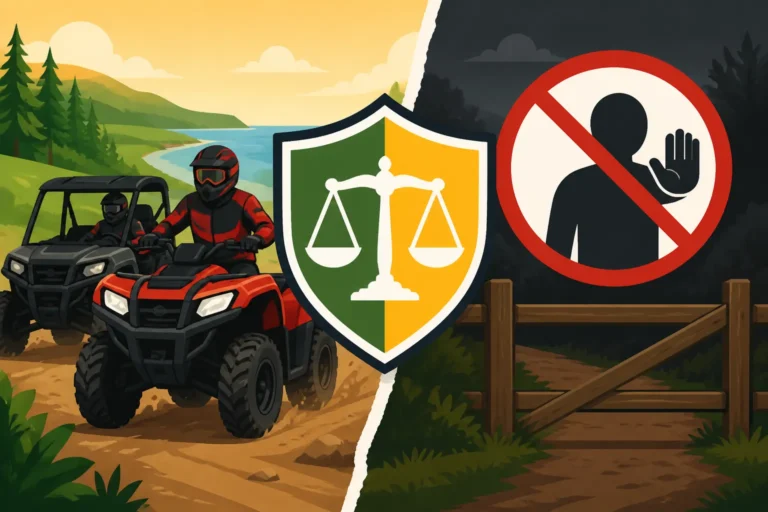
The vast majority of legal side-by-side riding in New Brunswick happens on the extensive network of designated trails, often maintained by local QuadNB clubs. These trails are specifically set aside for off-road vehicles, and they crisscross the province, offering everything from scenic loops around the Miramichi to rugged stretches near the Restigouche. To use these, as discussed, you'll need a valid registration and a trail permit. Always stick to marked trails and respect signage. Riding off-trail, especially in ecologically sensitive areas or on private land without permission, is illegal and harmful to the environment. Many of these trails traverse [New Brunswick Trails That Cross Private Woodlots], so respecting landowners' property is key to maintaining good relationships and access.
When it comes to private land, the rules are straightforward: you can ride on your own private property without requiring provincial registration or a trail permit, provided you don't access public roads or designated trails. However, if you want to ride on someone else's private land, you absolutely must have explicit permission from the landowner. This isn't just common courtesy; it's the law, and trespassing can lead to significant penalties. Many rural areas of New Brunswick have unposted private woodlots, and it's your responsibility to know whose land you're on. Always err on the side of caution: if in doubt, don't ride there, or seek out the landowner for permission first. Maintaining positive relationships with private landowners is vital for the future of off-road riding in the province.
Understanding Road Crossing and Highway Access
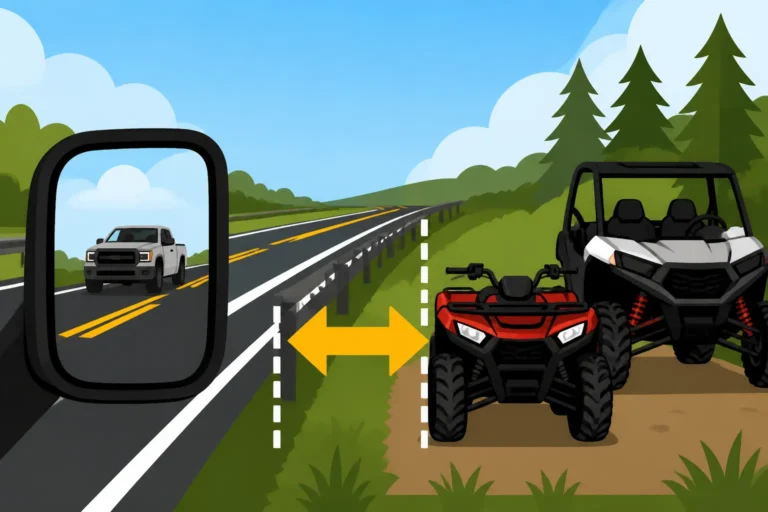
This is where things get particularly tricky for side-by-side drivers. Generally speaking, side-by-sides are not permitted to be operated on public roads or highways in New Brunswick. The key word here is "generally." There are very specific, limited exceptions, primarily for crossing a public highway at a right angle to get from one section of a trail to another, or for accessing fuel or services in very specific, limited circumstances. When crossing a highway, you must stop, yield to all traffic, cross directly, and proceed to the other side. You cannot travel down the shoulder or on the roadway for any distance longer than what's strictly necessary for the crossing. The [New Brunswick's 7.5 Metre Rule From a Highway] also means you generally need to keep a respectful distance from the travelled portion of a highway.
However, certain municipalities may have bylaws that open specific, designated sections of roads to ORV traffic, usually for short distances to connect trail sections or access amenities. These are rare and highly localized, so you cannot assume a road is open unless it's explicitly signed or you've verified with the local authorities. You also need to be aware of [New Brunswick Rules for Crossing a Road]. Attempting to use a side-by-side as a substitute for a road vehicle will quickly land you in trouble with law enforcement, resulting in fines and potentially impoundment of your machine. Always check official sources or ask your local QuadNB club for clarification on specific road sections.
Municipal Bylaws and Designated Road Sections
While provincial law generally restricts side-by-sides from public roads, local municipal councils in New Brunswick have the authority to pass bylaws that designate specific sections of roads for ORV use. This means that in one town, you might be able to ride your side-by-side down a short stretch of Main Street to get to the gas station, while in the neighbouring town, doing the same thing would get you a hefty fine. This patchwork of rules can be incredibly confusing for riders, and it's a valid source of frustration. Before you plan a trip that involves any road travel, even short distances, it is absolutely essential to check the local municipal bylaws for that specific area. You can often do this by visiting the municipal website or calling the local town or village office. Many QuadNB clubs in areas like Florenceville-Bristol or Juniper work closely with their municipalities to get these designations.
These designated road sections are usually clearly marked with signage indicating that ORVs are permitted. If you don't see the signs, assume it's not allowed. And even on designated sections, all rules of the road apply: you must obey speed limits, stop at stop signs, use appropriate hand signals (if your machine lacks indicators, which many side-by-sides do not), and yield to other motor vehicles. You'll want to review [New Brunswick Speed Limits on Designated Roads] for these areas. These bylaws are a fantastic way for communities to embrace the economic benefits of ORV tourism, but they come with strict conditions that riders must respect. Failure to adhere to these local rules not only puts you at risk of fines but also jeopardizes the continued access for all riders in that community.
Common Missteps and Consequences for Side-by-Side Drivers
No one wants to break the law, especially when they're out enjoying nature. However, a lack of awareness or a simple oversight can quickly lead to penalties that put a damper on your riding season. Understanding the common pitfalls and their consequences is crucial for any side-by-side driver in New Brunswick.
Fines for Unregistered or Uninsured Machines
The most fundamental rule we discussed earlier is having your side-by-side properly registered and insured. Skipping these steps is one of the quickest ways to face significant financial penalties. If you're caught operating an unregistered side-by-side on public land, designated trails, or crossing a highway, you're looking at a fine. This isn't a slap on the wrist; the [New Brunswick No-Registration Fine of $172.50] can certainly sting, and that's just for the registration. It quickly adds up.
Even more serious are the consequences of riding uninsured. The law is very clear that you need specific liability insurance for off-road vehicle use on trails or public land. Getting caught without it can result in an even steeper fine, such as the [New Brunswick Uninsured ATV Fine of $604.50]. And remember, if you have an accident while uninsured, you are personally responsible for all damages and injuries, which could amount to tens or hundreds of thousands of dollars. It's a risk simply not worth taking. These fines are designed to emphasize the importance of compliance, not just for revenue, but for the safety and accountability of all riders sharing the trails. Always keep your physical registration and proof of insurance on your machine, perhaps in a waterproof bag in a glovebox or storage compartment.
Penalties for Age and Licence Violations
The age and licensing rules for side-by-side drivers are in place for a reason: safety. Allowing an underage or unlicensed driver to operate your machine, or being an underage driver yourself without the proper Class 9 licence and supervision, comes with serious repercussions. If a 14- or 15-year-old is caught operating a side-by-side without the required Class 9 licence or the supervision of an approved adult, both the youth and the owner of the machine (if different) can face fines. The penalties for these violations reflect the increased risk associated with inexperienced or unauthorized drivers. It’s not just about a ticket; it’s about preventing accidents and ensuring everyone on the trails is capable of handling their machine safely.
Furthermore, if an adult driver doesn't possess a valid driver's licence as required, they too face fines. Law enforcement officers, whether from the RCMP or provincial enforcement, routinely check for these documents on trails and at trailheads. They are well-versed in the Off-Road Vehicle Act, and they're looking out for everyone's safety. For parents, understanding [New Brunswick Parent Responsibility for Passengers] extends to drivers too. The cost of a fine pales in comparison to the potential consequences of an accident involving an unqualified driver, so ensuring everyone who touches the controls of your side-by-side is fully compliant with the law should be a top priority.
Avoiding Trespass and Environmental Fines
New Brunswick's natural beauty is a huge draw for side-by-side enthusiasts, but protecting it is everyone's responsibility. Riding off designated trails onto private property without permission is trespassing, and it carries legal penalties. Landowners have the right to press charges, and fines can be issued. This also applies to riding on Crown land where ORV use is restricted or prohibited. It's not always easy to tell where one property ends and another begins, especially in remote areas, which is why sticking to marked, legal trails is always your best bet. Always ask for [Permission From a Woodlot Owner] if you intend to ride on private property.
Beyond private property, environmental violations can also result in hefty fines. This includes riding in sensitive ecological areas like wetlands, shorelines, or protected habitats. Disturbing wildlife, damaging vegetation, or polluting water sources are serious offenses. For instance, [New Brunswick Rules for Riding a Beach] are very specific, and usually highly restrictive, to protect coastal ecosystems. Always follow "tread lightly" principles: stay on established trails, avoid making new trails, pack out everything you pack in, and never litter. These fines are not just about punishment; they're about preserving the environment that makes New Brunswick such a fantastic place to ride for generations to come. Be a responsible steward of the land, and others will respect you and your sport.
Here's a quick reference for key compliance points:
| Requirement | Side-by-Side Driver Obligation | Key Consequence of Non-Compliance |
|---|---|---|
| Registration | Registered with Service New Brunswick; plate & current sticker displayed. | Fines (e.g., [New Brunswick No-Registration Fine of $172.50]) |
| Trail Permit | Valid QuadNB permit for designated trails; displayed on machine. | Fines (e.g., [New Brunswick Trail Permit Fines]) |
| Insurance | Valid liability insurance for ORV use; proof carried. | Fines (e.g., [New Brunswick Uninsured ATV Fine of $604.50]), personal liability for damages |
| Driver's Licence | Valid Class 1-8 (age 16+) or Class 9 (age 14-15 with supervision). | Fines for unlicensed operation, owner liability |
| Safety Course | Mandatory for most riders (exceptions apply); certificate carried. | Fines (e.g., [New Brunswick Safety Course Fines]) |
| Helmets | Approved helmet for driver and ALL passengers. | Fines (e.g., [New Brunswick's $172.50 Helmet Fine]) |
| Passenger Rules | Machine designed for passengers; designated seats, footrests, helmets. | Fines, safety risks for passengers |
| Road Use | Generally prohibited; specific crossings or municipal bylaws only. | Fines (e.g., [New Brunswick's $292.50 Highway Fine]), impoundment |
| Trespassing | Ride only on public trails or private land with permission. | Fines, legal charges, loss of access |
Disclaimer
This article is for general informational purposes only and does not constitute professional advice. Laws, prices and regulations vary by location and change over time. Consult a qualified professional for guidance on your specific situation.