Gravel Pits and New Brunswick Riders
It’s a scenario many New Brunswick ATV and UTV riders have encountered: you’re driving along, see an old gravel pit, and the wide-open, unkempt terrain just calls out to you. It looks like the perfect place to let loose, test your machine, and enjoy some freedom away from designated trails. But the truth is, riding in gravel pits, as enticing as it might seem, often comes with a host of legal and safety issues that can quickly turn a fun outing into a costly headache. This guide will delve into why those seemingly ideal riding spots are usually off-limits, what risks you face, and where you can legally and safely enjoy your off-road machine in our beautiful province.
The Allure and Illegality of Gravel Pit Riding in New Brunswick
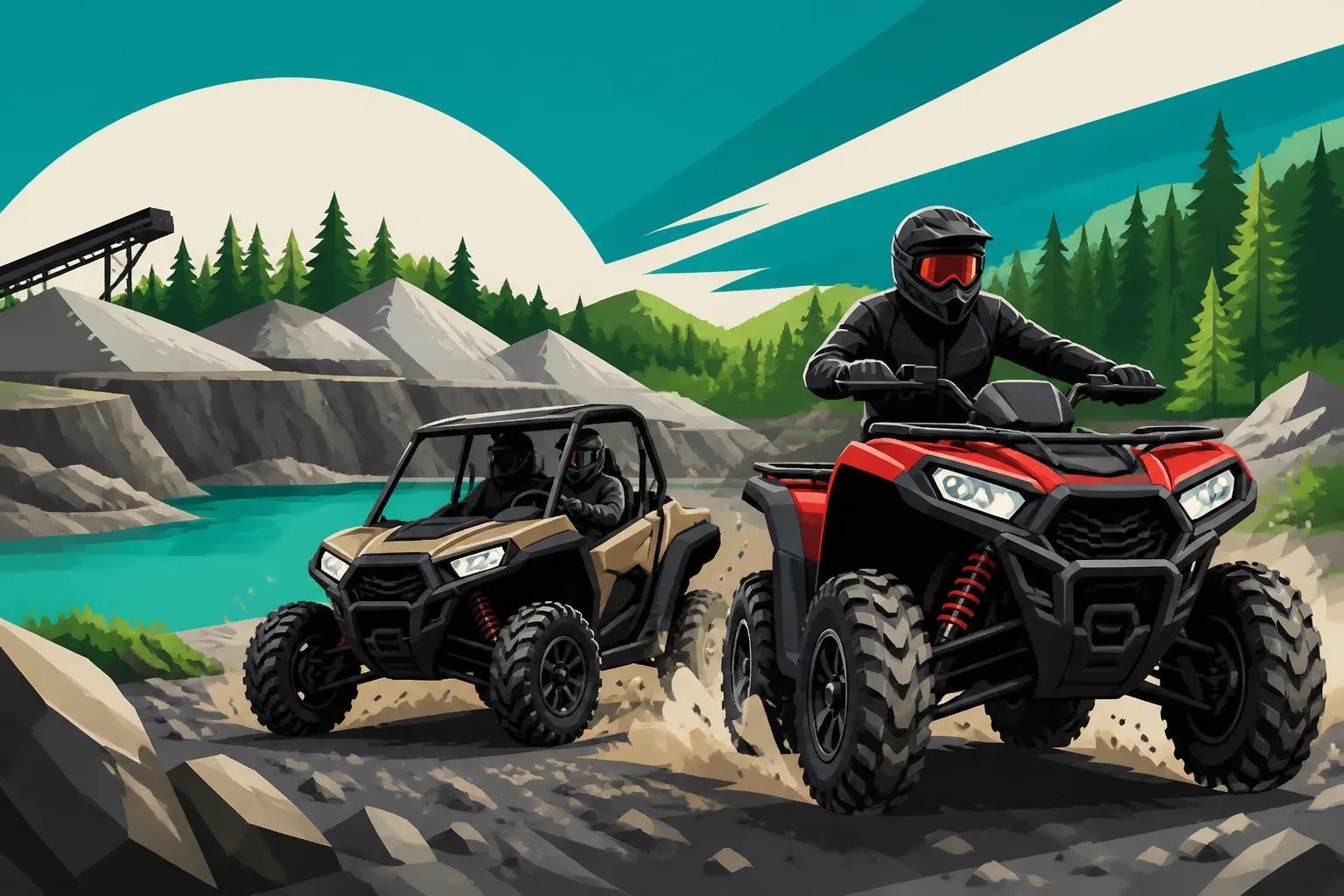
There’s a certain undeniable appeal to a gravel pit. They offer a raw, untamed landscape, often with hills, loose terrain, and expansive flat areas that look like a natural playground for ATVs and UTVs. It’s easy to see why so many riders are drawn to them, especially when they're new to the sport or looking for an informal spot to practice.
Why Gravel Pits Seem Like a Good Idea
For many riders, gravel pits represent a sense of freedom. There are no marked trails, no speed limits (or so it seems), and plenty of space to explore. You might envision practicing sharp turns, climbing steep inclines, or just enjoying the roar of your engine without feeling constrained by the rules of a managed trail system. They often appear isolated, giving the impression that no one will notice or care if you ride there. It feels like a natural extension of off-road adventure, a place where you can really push your machine and your skills without formal restrictions.
The varied terrain within a gravel pit – from loose rock and sand to steeper banks and occasional water features – also offers a unique challenge that some riders seek out. It’s a testing ground for both rider and machine, a place where you can discover what your ATV or side-by-side is truly capable of. For those who enjoy modifying their machines, perhaps adding heavy-duty suspension or stronger tires from brands like SuperATV, a gravel pit can feel like the ideal proving ground for new equipment. However, this perceived freedom often overshadows the crucial legal and safety considerations at play.
The Legal Reality: Gravel Pits Are Off-Limits
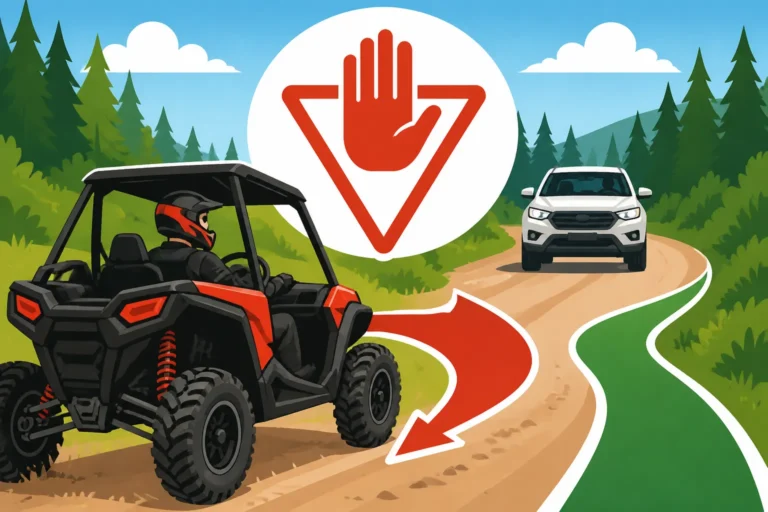
Here’s the hard truth about most gravel pits in New Brunswick: they are almost universally not legal places to ride your ATV or UTV. The vast majority of gravel pits are either private property, owned by individuals or construction companies, or they are Crown land leased out for extraction purposes. In both cases, riding your off-road vehicle there without explicit, written permission is considered trespassing.
This isn't just a minor infraction; it can lead to serious consequences. Property owners have the right to protect their land, and unauthorized vehicle use often causes damage, creates liability risks, and disrupts their operations. Even if a pit looks abandoned, it doesn't mean it's fair game. Many pits are actively used on an infrequent basis, or they are monitored by owners who are tired of unauthorized access and the problems it causes.
Distinguishing Between Public and Private Land
Understanding the difference between public and private land is crucial for any responsible rider. While New Brunswick has a vast amount of Crown land, access rules for ORVs are not universal and often depend on specific designations or leases. A gravel pit, even if located on Crown land, is usually subject to a lease agreement that grants exclusive use to a company for resource extraction, effectively making it private property for the duration of that lease.
Identifying whether a piece of land is public or private can be challenging without proper tools. Relying on "it looks abandoned" is a risky strategy. The best practice is to assume any unknown land is private property and to never ride on it without explicit permission. For designated riding areas, like the extensive QuadNB trail network, signage and maps make it clear where you are allowed to be. For other areas, if you can't verify it's a legal riding spot, it's best to stay off. Ignoring this distinction is one of the [Registration Mistakes New Brunswick Riders Make] most frequently.
Understanding Trespass and Consequences for Riders
Riding where you shouldn't can lead to more than just a stern talking-to. The legal and practical consequences of trespassing on gravel pits in New Brunswick can be significant, impacting your wallet, your reputation, and even your safety.
What Constitutes Trespassing on Gravel Pits
In New Brunswick, trespassing occurs when you enter or remain on private property without the owner's permission. This applies just as much to an old, seemingly abandoned gravel pit as it does to someone's backyard. The law doesn't care if there's a fence or a "No Trespassing" sign; if you don't have permission, you're trespassing. Many gravel pits might not have obvious signage if they haven't had issues in the past, or if the owners assume that common sense dictates that it's not a public riding area.
It's important to remember that permission isn't just about a verbal "go ahead" from a friend who thinks they know the owner. True permission comes directly from the landowner or leaseholder. Without it, even if you ride through an open gate, you are technically breaking the law. Even if you briefly cross a corner of a gravel pit to get to another location, if that pit is not a designated trail or public right-of-way, you are trespassing. The intent behind your presence is less important than the simple fact of being there without authorization.
Penalties and Fines You Could Face
The consequences for trespassing in New Brunswick can range from warnings to substantial fines, and in some cases, even legal action from the property owner for damages. Police or local enforcement officers have the authority to issue tickets under the New Brunswick Off-Road Vehicle Act or the New Brunswick Trespass Act. These fines can escalate quickly, especially if it's not your first offense. Think about it: a construction company that owns a pit could face significant liability if a rider gets hurt on their property, so they are often motivated to enforce trespass laws strictly.
In addition to fines, there's the possibility of your machine being impounded, or even facing civil lawsuits if you cause any damage to the property, no matter how minor. Imagine damaging an access road, disturbing excavation work, or simply leaving ruts that cost the owner money to repair. These costs can quickly dwarf any initial fine. For a broader understanding of legal repercussions, you can look into articles like [New Brunswick Penalties for Riding Unregistered] or [New Brunswick Penalties for Riding Uninsured], as these types of infractions often accompany illegal riding spots.
The Risks Beyond Legal Troubles
Beyond the legal ramifications, riding in gravel pits poses significant safety and environmental risks. For starters, gravel pits are often active industrial sites. There could be heavy machinery, unstable banks, deep excavations, hidden debris, or even blasting operations. These are not recreational environments, and the hazards are often unpredictable and unseen until it's too late. A steep climb that looks manageable might collapse, or you could encounter unexpected obstacles like rebar or discarded equipment. Many riders upgrade their machines with robust components from companies like SuperATV, designed for tough terrain, but even the best equipment can't protect against unknown industrial hazards.
Environmentally, riding in these areas can lead to soil erosion, introduce invasive species, and disturb local wildlife habitats. Loose gravel and sand are easily displaced, affecting drainage and potentially polluting nearby waterways. When riders use these areas, they often leave behind garbage or introduce fluids from their machines, further harming the environment. There's also the risk of attracting more unauthorized riders, creating a cycle of damage and frustration for the landowners and the broader community. It's a lose-lose situation that responsible riders should strive to avoid.
Finding Legal and Safe Alternatives for Off-Road Riding
Instead of risking fines, accidents, and environmental damage in illegal gravel pits, New Brunswick offers a robust network of legal and safe options for ATV and UTV enthusiasts. Embracing these alternatives not only protects you but also contributes positively to the off-road riding community.
Embracing the Official Trail Network
The cornerstone of legal ATV and UTV riding in New Brunswick is the extensive trail network managed by QuadNB, the provincial federation of ATV clubs. With thousands of kilometres of designated, maintained, and insured trails, this network offers a fantastic and safe riding experience. These trails are designed specifically for off-road vehicles, often winding through scenic landscapes, connecting communities, and providing access to services like fuel and food.
To ride on these trails, you need a valid [New Brunswick Trail Permit]. This permit is not just a fee; it's an investment in the trail system, supporting maintenance, signage, and the efforts of countless volunteers who keep the trails in top condition. By riding on official trails, you're not only adhering to the law but also supporting a sustainable riding culture that benefits everyone. The trails offer variety, from gentle paths perfect for a family outing to more challenging sections that will test your skills, without the hidden dangers of an unsupervised gravel pit.
Seeking Permission for Private Land Access
While most gravel pits are off-limits, there are instances where private landowners might grant permission for riding on other parts of their property. This usually applies to large woodlots, farm fields not in active production, or other private tracts of land. The key word here is "permission," and it must be explicit.
If you know a landowner and wish to ride on their property, always ask first. It's best to get this permission in writing, clearly outlining the areas you can ride, any restrictions, and the duration of the permission. A simple handshake might feel friendly, but written consent protects both you and the landowner. Respect their wishes, stay on agreed-upon routes, and leave no trace. Offering to help with chores or trail maintenance can go a long way in building goodwill and securing ongoing access. Remember, landowners are far more likely to grant access to respectful, responsible riders. This approach is fundamental to [New Brunswick Private Woodlot Permission].
Exploring Designated Riding Areas
Beyond the main QuadNB trail network, there might be other specific designated riding areas, although these are less common for general public use and might be specific to certain events or commercial operations. For example, some private businesses or tour operators might have their own controlled environments where you can ride. These are usually structured and supervised, with clear rules and safety protocols in place.
It’s always a good idea to check with local municipalities or provincial recreation departments for information on any specific designated riding parks or areas that might exist in your region. However, these are rare for unsupervised, informal riding, and should never be confused with publicly accessible gravel pits. Sticking to well-known, sanctioned trails or private land with explicit permission is always the safest and most responsible approach.
Responsible Riding and Community Engagement
Being a responsible ATV or UTV rider in New Brunswick isn't just about following the rules; it's about being an active part of a community that values safety, respect for the environment, and sustainable access to our beautiful outdoors.
The Importance of a Trail Permit
We've touched on it already, but it truly cannot be overstated: your [New Brunswick Trail Permit] is your passport to legal and enjoyable riding. It's more than just a sticker; it's an agreement that you'll contribute to the maintenance and future of the trails. These permits are crucial for funding the grooming, repairs, signage, and general upkeep that keep the network safe and accessible. Without permit sales, the trails would quickly fall into disrepair, impacting everyone's riding experience.
When you purchase a permit, you're also implicitly agreeing to adhere to the rules and regulations of the trail system. This includes things like speed limits, respecting private property boundaries (even when the trail crosses them), and practicing good trail etiquette. Responsible permit holders contribute to a positive public image for ATVing, which in turn helps secure continued access and support for the sport. It's a small annual investment that yields massive returns in terms of legal, safe, and enjoyable riding. You can find more information about the costs and benefits in articles such as [New Brunswick Trail Permit Cost in 2026].
Joining a Local ATV Club
Becoming a member of a local ATV club is one of the best ways to enhance your riding experience and contribute positively to the community. These clubs are the backbone of the QuadNB network, with volunteers dedicating countless hours to maintaining trails, organizing group rides, and advocating for rider rights. When you join a club, you gain access to local knowledge, meet fellow enthusiasts, and have opportunities to participate in organized events and trail workdays.
Many clubs offer exclusive benefits to their members, such as discounts on services, access to club-specific trails, or opportunities for safety training. More importantly, being part of a club gives you a voice in decisions that affect ATV riding in your area and helps to ensure that off-road access remains a priority for local governments and landowners. It’s a great way to learn about new trails, understand local regulations, and stay informed about important issues facing riders in New Brunswick.
Enhancing Your Machine for Legal Riding
While gravel pits might tempt riders to push their machines to the limits in unregulated ways, focusing on enhancing your ATV or UTV for legal and responsible trail riding is a far more rewarding path. This isn't just about making your machine faster; it's about making it safer, more reliable, and more capable on varied terrain. Investing in quality parts that improve handling, suspension, and durability from reputable brands like SuperATV can significantly upgrade your riding experience on designated trails.
For example, a good set of tires designed for varied terrain will provide better grip and comfort on established trails than tires purely for mud or sand. Upgraded skid plates protect vital components from rocks and debris encountered on maintained trails. Proper lighting ensures visibility during early morning or late evening rides, adhering to [New Brunswick Lighting Requirements at Night]. By outfitting your machine for responsible trail use, you're not only increasing your enjoyment but also minimizing your environmental impact and enhancing safety for yourself and others. It's about building a machine that performs optimally within the framework of legal and ethical riding.
Remember, the goal is always to have a fantastic time out on the trails, explore New Brunswick’s natural beauty, and do so responsibly. Sticking to designated areas and being a good steward of the land ensures that these opportunities remain available for years to come.
Legal vs. Illegal Riding Locations and Their Consequences
Here's a quick comparison to help solidify the understanding of where you can and cannot ride, and what might happen if you choose the wrong path.
| Feature | Legal Riding Location (e.g., QuadNB Trail) | Illegal Riding Location (e.g., Gravel Pit) |
|---|---|---|
| Permission | Explicitly granted by trail federation/landowner | None, assumed access, or active trespassing |
| Legality | Fully legal with valid [New Brunswick Trail Permit] | Illegal, considered trespassing |
| Safety | Maintained, signed, hazards mitigated | Unmaintained, unpredictable, active industrial hazards |
| Environmental Impact | Managed, minimized through sustainable practices | Uncontrolled, potential for significant damage |
| Community Impact | Positive, supports local clubs and economy | Negative, creates conflicts with landowners |
| Fines/Penalties | Minor for infractions (e.g., speeding on trail) | Substantial fines, impoundment, civil lawsuits |
| Liability | Covered by trail insurance (with permit) | Full personal liability for injuries/damages |
| Riding Experience | Scenic, well-defined, enjoyable, community-focused | Risky, stressful, isolated, potentially dangerous |
Disclaimer
This article is for general informational purposes only and does not constitute professional advice. Laws, prices and regulations vary by location and change over time. Consult a qualified professional for guidance on your specific situation.