A Helmet Meeting FMVSS 218
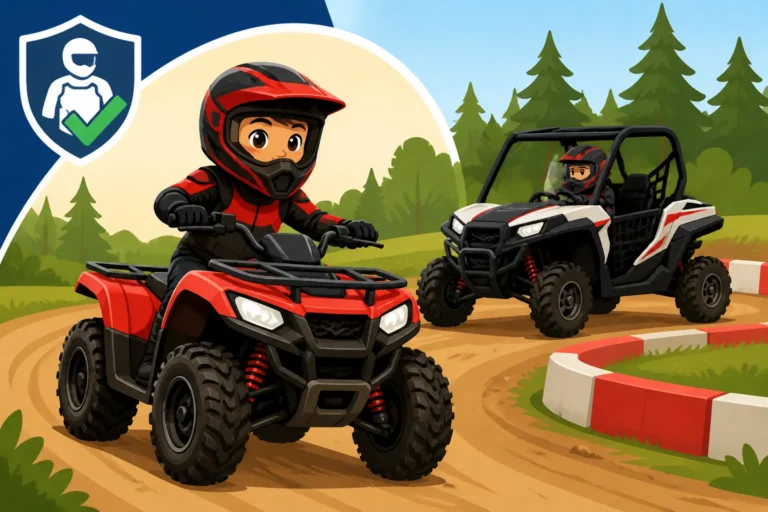
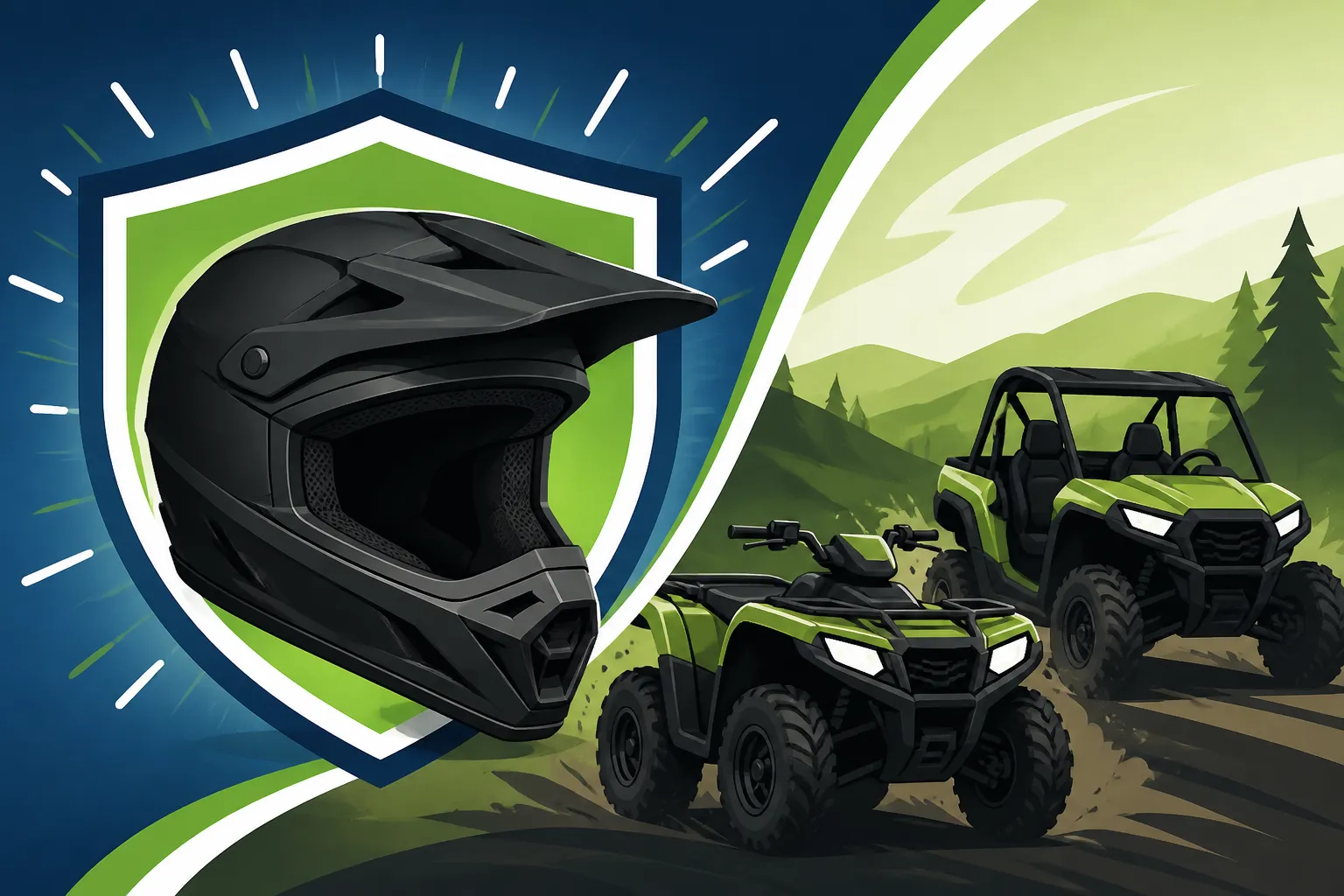
When you're gearing up for a ride on New Brunswick's incredible ATV and UTV trails, nothing is more critical than your helmet. It's not just a piece of gear; it's the last line of defence between your head and the unexpected forces of the trail. The sheer volume of helmet options out there, each with its own certifications and jargon, can be incredibly overwhelming, leaving many riders scratching their heads about what actually makes a helmet safe and legal in our province. This guide will cut through the confusion and explain exactly what a helmet meeting FMVSS 218 means for your safety and compliance here in New Brunswick.
Why Helmet Standards Matter for New Brunswick Riders
Riding an ATV or UTV is an exhilarating experience, offering unparalleled access to New Brunswick's stunning backcountry, from the rolling hills of the Miramichi to the rugged coastlines of Fundy. But with that thrill comes inherent risks. A helmet isn't a suggestion; it's a legal requirement and, more importantly, a life-saving necessity. Understanding the standards behind these crucial pieces of equipment isn't just about avoiding a fine; it's about protecting yourself and your loved ones from severe injury.
The Real-World Risk of Uncertified Helmets
Imagine this: you're out on a beautiful Saturday, navigating a winding trail near the Nashwaak River. Suddenly, a hidden rock or a slippery root sends your machine sideways, and you take a tumble. In that split second, the quality of your helmet determines the outcome. An uncertified or poorly made helmet might offer a false sense of security. Its outer shell could crack too easily, or its inner foam might not absorb impact effectively, transferring dangerous forces directly to your skull. It's a terrifying thought, but the reality is that many serious injuries, even fatalities, on trails could have been mitigated by proper head protection.
Beyond the physical danger, there's the legal and financial fallout. If you're involved in an accident while wearing a helmet that doesn't meet recognized safety standards, you could face significant legal challenges. Insurance claims might be complicated or even denied, and you could be held liable for damages if another party is involved. The cost of a quality, certified helmet pales in comparison to the potential medical bills, legal fees, and personal suffering that can result from a preventable head injury. It truly underlines why cutting corners on head protection is never worth the risk.
New Brunswick's Stance on Helmet Safety
Our province takes rider safety very seriously, and that's reflected in the Off-Road Vehicle Act. It's not enough to just wear any helmet; it must be one that meets specific, recognized safety standards. This ensures that every rider on our extensive trail network, whether you're exploring the [New Brunswick ATV Trails: The QuadNB Network] or just enjoying a local loop, has a baseline level of protection. The goal is to minimize injuries and keep everyone safe so we can all continue to enjoy this incredible sport.
When an officer from the RCMP or a local enforcement agency stops you on the trail for a routine check, one of the first things they'll look at, besides your registration and trail permit, is your helmet. They're checking for that all-important certification sticker or label. If your helmet doesn't meet the provincial requirements, you could be facing a [New Brunswick's $172.50 Helmet Fine], which is a pretty steep price to pay for not being properly equipped. More importantly, it highlights the provincial commitment to ensuring [New Brunswick Helmet Law for Every Occupant] is followed, from the driver to any passengers.
Understanding FMVSS 218: The DOT Standard
When you see a helmet advertised as "DOT certified," it means it meets the Federal Motor Vehicle Safety Standard 218 (FMVSS 218). This is a widely recognized standard in North America, set by the U.S. Department of Transportation. While it's an American standard, it's accepted as a legitimate safety certification right here in New Brunswick. Many riders feel confident knowing their helmet has gone through this rigorous testing.
What "DOT Certified" Actually Means
Achieving FMVSS 218 certification is no small feat. It involves a series of demanding tests designed to simulate real-world impact scenarios and ensure the helmet can effectively protect the wearer's head. First, helmets are subjected to impact attenuation tests, where they are dropped onto various surfaces to measure how well the foam liner absorbs energy and prevents it from reaching the skull. This is crucial because it's the liner that dissipates the force of an impact, not just the hard outer shell. Think about a low-speed tip-over where your head might hit a hard-packed gravel trail; the DOT standard ensures the helmet can handle that kind of direct impact.
Beyond impact, penetration resistance is tested. A sharp, pointed object is dropped onto the helmet to ensure it can withstand punctures, which is vital for preventing objects like rocks or branches from piercing the helmet and causing direct injury. The chin strap, which seems like a minor detail, is actually subjected to retention system tests to ensure it won't stretch or break under tension, keeping the helmet securely on your head during a crash. Without a reliable strap, even the best helmet is useless. These tests aren't just for show; they're designed to replicate the harsh realities of a powersports accident, providing a significant level of assurance that the helmet will perform when it matters most.
How to Spot a Genuine FMVSS 218 Helmet
Identifying a genuine FMVSS 218 certified helmet is straightforward, but it requires knowing what to look for. Every helmet that passes this standard will have a "DOT" sticker permanently affixed to the back of the helmet. This sticker isn't just a simple label; it typically includes the manufacturer's name or brand, the model name, and the letters "DOT FMVSS 218." It’s usually a small, round sticker, but its presence is mandatory. If you don't see it, or if it looks like it could be easily peeled off or is poorly printed, that's a major red flag.
Be wary of counterfeit helmets. Unfortunately, some unscrupulous sellers try to pass off non-compliant helmets with fake DOT stickers. A true DOT-certified helmet will also often have additional information inside, perhaps on a sewn-in label, detailing the manufacturing date and materials. When you're browsing for new gear, whether it's from a local dealership in Fredericton or an online retailer like SuperATV, always make sure to check for that crucial FMVSS 218 sticker. Don't hesitate to ask questions if you're unsure. Your brain is worth a few extra minutes of due diligence.
Other Accepted Helmet Standards in New Brunswick
While FMVSS 218 is widely accepted, it's not the only standard recognized in New Brunswick. The province acknowledges several other certifications, providing riders with a broader choice of safe and compliant helmets. Understanding these different standards can help you make an informed decision based on your riding style, comfort preferences, and budget.
CSA D230 and Snell Certification
In addition to FMVSS 218, helmets that meet the Canadian Standards Association (CSA) standard D230 are also fully acceptable in New Brunswick. The [A Helmet Meeting CSA D230] undergoes similar rigorous testing to ensure it provides adequate protection against impacts and penetrations. For many Canadian riders, seeing the CSA sticker offers an extra layer of confidence, knowing it's a home-grown standard specifically tailored for Canadian conditions and regulations. Both DOT and CSA D230 aim for a high level of safety performance, so you can feel secure wearing either.
Then there's the Snell Memorial Foundation certification, which is arguably one of the most stringent helmet standards in the world. While not legally required in New Brunswick like DOT or CSA, a helmet with a Snell rating (like Snell M2020) is considered to exceed most minimum legal requirements. Snell certification involves even more aggressive and varied impact tests, including multiple impacts in the same spot, and a more rigorous penetration test. Many serious racers or those who demand the absolute highest level of protection will seek out helmets with the [Finding the Snell Sticker Inside a Helmet Shell]. It's important to note that Snell certification is often specific to the type of activity, so ensure you're looking for an "M" series (motorcycle) or "SA" series (auto racing) Snell rating for powersports, not a cycling or equestrian one.
Choosing the Right Helmet for Your Ride
With multiple accepted standards, how do you pick the "right" helmet? It comes down to a blend of safety, comfort, fit, and the type of riding you do. While the minimum standards are crucial, personal preference plays a big role. Do you ride mostly aggressive trails where a full-face off-road helmet with a visor might be best for protection against roost and branches? Or are you more into casual scenic touring where an open-face helmet might offer better ventilation and field of vision, assuming local regulations and trail conditions allow?
Consider factors like ventilation, especially if you ride in the hot New Brunswick summers. Helmets with good airflow prevent overheating and fogging. Weight is another factor; a lighter helmet can reduce neck fatigue on long rides. Ultimately, the best helmet is the one that fits you perfectly, is comfortable enough to wear for hours, and meets one of the recognized safety standards. Don't forget that [New Brunswick Helmet Standards Accepted] cover more than just these three; always confirm with Service New Brunswick or the Off-Road Vehicle Act if you're unsure about a less common certification.
Here's a quick comparison of the common certifications you might encounter:
| Certification | Primary Focus | Key Characteristics | Accepted in NB | Target User |
|---|---|---|---|---|
| FMVSS 218 (DOT) | Minimum impact absorption and penetration resistance for street-legal motorcycles (applied to ORVs) | Self-certified by manufacturers, random government testing. Ensures basic safety. | Yes | General ATV/UTV riders |
| CSA D230 | Safety requirements for helmets used in various non-highway recreational activities | Canadian standard, similar testing to DOT. Robust and reliable. | Yes | General ATV/UTV riders |
| Snell M2020 | Advanced impact protection, multiple impact points, more aggressive testing | Independent, voluntary certification. Exceeds minimum legal requirements. | Yes (often considered superior to minimums) | Enthusiasts, racers, riders seeking maximum protection |
| ECE 22.05/22.06 | European standard for motorcycle helmets | Widely recognized internationally. Often chosen for premium helmets. | Yes (if equivalent to accepted standards) | Riders looking for internationally certified helmets |
Practical Advice for New Brunswick ATV Helmet Compliance
Choosing the right helmet is just the first step. Ensuring it fits properly and is well-maintained are equally important for maximizing its protective capabilities. A certified helmet that doesn't fit or is past its prime offers significantly less protection, potentially putting you at risk even if you think you're compliant.
Ensuring a Proper Fit
A helmet can only do its job if it fits correctly. Many riders make the mistake of buying a helmet that's too loose, thinking it will be more comfortable. However, a loose helmet can shift during an impact, exposing parts of your head or even coming off entirely. When you try on a helmet, it should feel snug all around your head, without any painful pressure points. It should not move freely when you shake your head from side to side or up and down.
A good test is to try and roll the helmet forward or backward on your head. If you can easily pull it over your eyes or push it up past your forehead, it's too big. The chin strap should be securely fastened, allowing only enough room for one finger to fit comfortably underneath. Different manufacturers have different sizing charts, so always measure your head circumference and compare it to their specific guide. Visiting a powersports dealer in your area, perhaps near Moncton or Saint John, allows you to try on various models and sizes, ensuring you get the perfect fit for your unique head shape. Remember, helmets are not one-size-fits-all!
Maintaining Your Helmet for Longevity and Safety
Even the best-fitting, certified helmet has a lifespan. Over time, the materials, especially the EPS (Expanded Polystyrene) foam liner, can degrade due to exposure to sweat, UV light, chemicals (like cleaners or gasoline fumes), and simply the passage of time. As a general rule of thumb, most helmet manufacturers recommend replacing your helmet every five years, or immediately after any significant impact, regardless of visible damage. Even a seemingly minor drop onto a hard surface can compromise the integrity of the inner liner, making it less effective in a future crash.
Regular cleaning is also important. Use mild soap and water for both the shell and the removable comfort liner. Avoid harsh chemicals or solvents, as these can damage the helmet's materials and protective properties. Store your helmet in a cool, dry place, away from direct sunlight or extreme temperatures. Treat your helmet as the critical piece of safety equipment it is, and it will serve you well on countless adventures across [New Brunswick's 10,000 Kilometres of Trail].
Legal Compliance and Passenger Safety
Remember that [New Brunswick Helmet Law for Every Occupant] means that not just the driver, but also any passengers, must wear an approved helmet. This is especially crucial if you're riding a side-by-side or a two-up ATV with children. Make sure you have [Gear Sized for a Young Rider] if you're taking kids along, as an adult helmet simply won't offer them the protection they need. Officers are vigilant about enforcing this.
When you're stopped by an officer, they can ask to see your registration, proof of insurance, and trail permit, and they will absolutely be checking your helmet. It's part of [What an Officer Can Ask to See on a Trail]. Being prepared and compliant means a smoother, safer experience for everyone. So, before you head out on the trails, take a moment to confirm that not only your helmet, but every helmet on your machine, meets the required standards. It's peace of mind that truly has no price.
Disclaimer
This article is for general informational purposes only and does not constitute professional advice. Laws, prices and regulations vary by location and change over time. Consult a qualified professional for guidance on your specific situation.