Brushing a Club Corridor in Spring
Spring is when a New Brunswick club corridor can change quickly: branches lean into the riding line, winter damage becomes visible, and soft ground makes an ordinary workday more complicated. If you’re helping clear brush, the key is knowing what you’re authorized to do, how to spot hazards, and when to leave a section alone until it dries.
What brushing a club corridor involves
Clearing the riding line without widening it
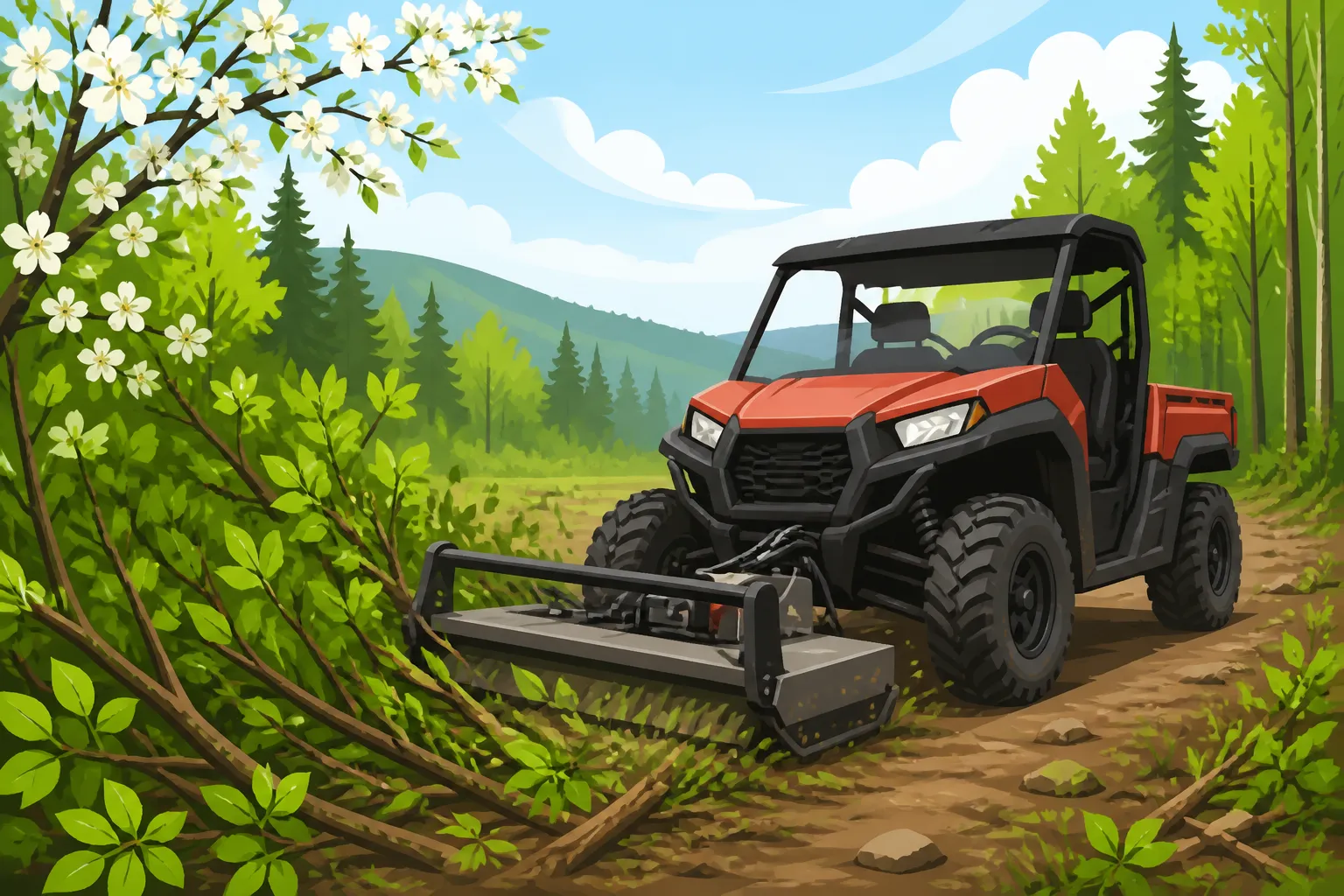
Brushing means trimming vegetation that obstructs a marked trail or creates a hazard for riders. It can include cutting back branches, removing small growth that blocks visibility, and clearing vegetation from signs or trail markers. The goal is a usable corridor—not a wider route or a new trail.
That distinction matters in New Brunswick’s woods. A branch rubbing against a handlebar may need attention, but cutting mature trees, changing a route, or moving markers can affect land access and trail safety. A club’s instructions should define the work area and what volunteers may remove. If you’re unsure whether a tree or obstacle is safe to deal with, stop and contact the person coordinating the work.
Brushing is one part of broader New Brunswick Club Trail Maintenance. It works best when the trail remains within its established boundaries and the work is coordinated with the club responsible for that section. Riders should also Stay on a Marked New Brunswick Corridor rather than creating a bypass around brush or a muddy patch.
Why spring work needs extra care
Spring exposes problems that were hard to see under snow or frozen ground. A leaning tree may have a damaged root plate; branches may be tangled over the trail; and water can undermine the edge of a path. A route that looks merely cluttered could have a hidden washout or an unstable tree above it.
Ground conditions can be just as important as the branches. A machine or work vehicle can rut soft soil, damage drainage, or turn a small wet spot into a much larger repair. Clubs may close or delay work on sections affected by thaw or heavy rain. Check the club’s direction before heading out, and respect New Brunswick Trail Closures After Rain when wet conditions make access or maintenance risky.
Spring also brings changing visibility. A corridor that looked open from one direction may have a branch projecting into the trail from the other. Walk the section carefully before cutting, and look for overhead hazards, damaged signs, soft edges, and other users approaching from either direction.
Plan the work before you start cutting
Confirm permission and the work area
Don’t assume that a trail being open to riding means anyone can perform maintenance there. Contact the local club or work leader first. Ask which section is assigned, what type of work is approved, and whether the club will provide tools or require volunteers to bring their own. The person coordinating the job can also flag known hazards, access restrictions, and sections that should not be entered.
This is especially important where a trail passes through a private woodlot or follows a managed corridor. A well-intended volunteer could cause trouble by cutting beyond the marked route, removing vegetation the club has been asked to leave, or entering an area where maintenance has not been authorized. If permission or boundaries are unclear, pause rather than guessing.
Before setting out, check for updates to New Brunswick Trail Conditions Before You Go. A route may have a closure, reroute, or maintenance notice that changes where volunteers should park or walk in. If you find damage outside the assigned section, record its location and report it rather than expanding the job on your own.
Match tools and protective gear to the task
The right equipment depends on the work and the club’s instructions. For light trimming, a hand pruner or loppers may be appropriate. Larger branches, fallen trees, or overhead hazards require a different level of training and equipment. Do not use a chainsaw or attempt to fell a tree unless you are qualified, authorized, and following the club’s safety procedures.
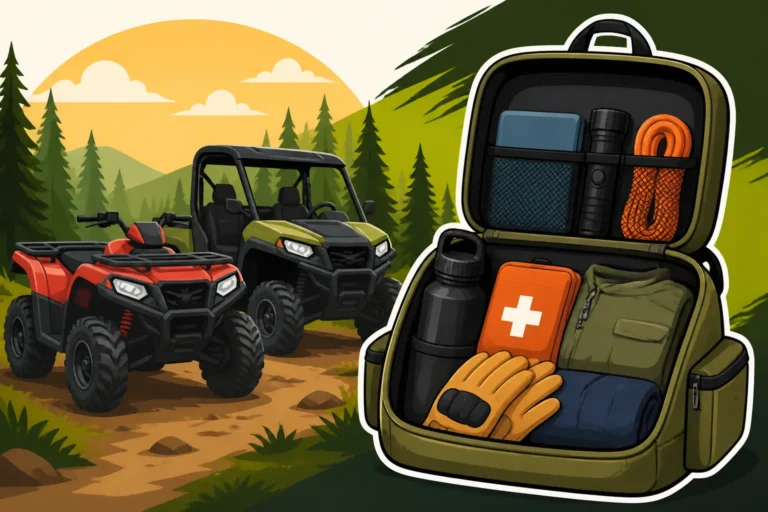
Wear sturdy footwear, gloves, eye protection, and clothing that protects your arms and legs from brush. High-visibility clothing is useful when other volunteers or riders may be nearby. Bring water, a first-aid kit, a charged phone, and any communication equipment the work leader recommends. In remote areas, plan for limited cell reception rather than assuming you can call for help from every point on the trail.
Before work begins, agree on simple communication signals and how the group will handle approaching riders. Keep cutting tools secured when moving, and give other volunteers enough space to work. If the task involves a hazard beyond the team’s skills or equipment, mark or report it and wait for qualified help.
| Situation | Sensible response |
|---|---|
| Small branch blocking the trail | Trim only if the work is authorized and the branch is safe to handle |
| Large fallen tree | Report it and follow the club’s plan; don’t attempt removal without suitable training and equipment |
| Soft or flooded ground | Avoid driving or working in a way that could deepen damage; check for a closure or reroute |
| Unclear trail boundary | Stop and ask the club before cutting |
| Damaged marker or sign | Record its location and report it so the club can confirm the correct replacement |
Brush safely and protect the trail
Work from a clear plan, not guesswork
Walk the section first and identify what needs attention. Notice branches at face and shoulder height, vegetation hiding a sign, and anything that reduces visibility around a bend. Also look above you. A branch caught in another tree or a leaning trunk can be more dangerous than brush at ground level.
Agree on the direction of work and keep the group organized. One person can watch for approaching riders while others work, if the club’s plan allows it. Pause cutting when someone approaches, keep tools pointed away from people, and leave room for riders to pass only when the work leader says the section is safe to use. If the trail should be closed during the job, follow the club’s closure plan rather than improvising a warning.
Make small, deliberate cuts and remove only what is necessary to restore the riding line or visibility. Avoid cutting trees or shrubs simply because they make the corridor look untidy. Don’t create a wider path around a wet area, and don’t push cut material into drainage ditches or onto another part of the trail. Poorly placed debris can become a trip hazard, block water flow, or encourage riders to leave the marked corridor.
Protect signs, drainage, and reroutes
A trail marker is part of the route, not an obstacle to work around. Before trimming near a sign, make sure the cut will not damage its post or make the marker harder to see. If a marker is missing, loose, or facing the wrong way, report it rather than relocating it without approval. Understanding New Brunswick Trail Signage Explained can help volunteers recognize why consistent markers matter to riders who do not know the area.
Pay attention to water as you work. Spring runoff can reveal plugged culverts, eroded edges, or a section where water is crossing the trail. Brush alone may not be the problem. Avoid digging, diverting water, or changing the trail surface unless that work is specifically assigned and the team has permission and the right expertise.
If the route has been formally changed, follow the club’s directions for the reroute. Do not create a shortcut around a blocked or wet section, even if it seems like the quickest fix. New Brunswick Washouts and Reroutes are a reminder that a damaged trail may need a planned detour rather than an improvised passage through the woods.
Finish the job and share what you found
Leave the site tidy and safe
Before leaving, walk the worked section again. Check that cut branches are not sticking into the riding line, signs remain visible, and tools or personal gear have been collected. Look for anything the work may have uncovered, such as exposed wire, a damaged culvert, a leaning tree, or an unstable edge.
Use the club’s instructions for handling cut material. Don’t leave piles where they obstruct sightlines, drainage, or access. Keep vehicles on approved access routes and avoid driving through soft areas simply to collect a tool or bundle of branches. A short walk can be less damaging than another trip over fragile ground.
If the trail has been closed during the work, make sure the person in charge knows when the section is ready for its next inspection. Volunteers shouldn’t reopen a route on their own if the club has a separate process for checking hazards or confirming a reroute.
Report hazards and close the loop with the club
A useful report is specific. Note the trail name or nearby junction, describe what you saw, and explain whether it blocks travel or creates a safety concern. A photo can help the club understand the issue, but take it from a safe position and don’t step into unstable ground for a better angle.
If the location is unfamiliar, a map app such as onX Offroad may help you note where you were when you spotted the problem. Treat any saved position as a reference for the club, not proof that you’re authorized to enter or work in that area. In remote country, a map app should not be your only navigation or communication plan; download useful information ahead of time and tell someone where you’re going.
Send the report through the contact method the local club uses. Reporting Damage to a Club helps turn a volunteer’s observation into something the maintenance team can assess and schedule. You can also ask whether the club has another workday planned. Many jobs are safer and more efficient when volunteers know the site, task, and boundaries before arriving, which is why Club Trail Work Weekends in New Brunswick are a good way to get involved through an organized effort.
A careful brushing day is not measured by how much vegetation gets cut. It’s measured by whether the marked route is safer and clearer without expanding the corridor, damaging a wet section, or creating a new hazard. Check with the club, work within the assigned area, and report anything beyond the team’s scope. That approach helps keep New Brunswick trails usable while protecting the land and the volunteers who maintain them.
Disclaimer
This article is for general informational purposes only and does not constitute professional advice. Laws, prices and regulations vary by location and change over time. Consult a qualified professional for guidance on your specific situation.