Meeting a Snowmobile on the Same Road
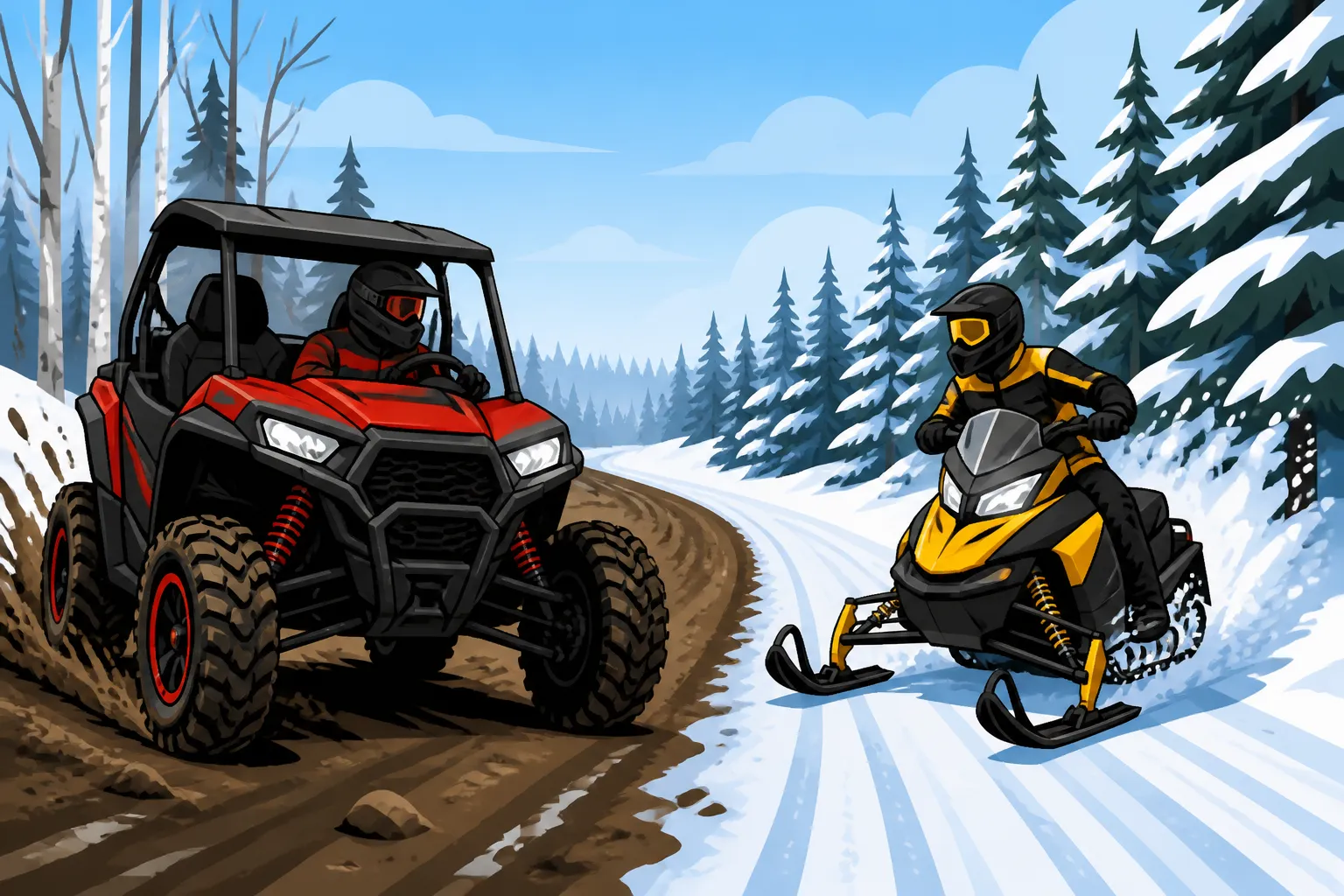
Picture this: you're out on your ATV or side-by-side, enjoying the crisp New Brunswick air, perhaps on a designated shared trail or a quiet woods road, when suddenly, you see a snowmobile heading your way. For a moment, a wave of confusion might hit you. Who has the right of way? Are you even supposed to be here at the same time? It's a common scenario that can lead to uncertainty or even unsafe situations. This guide is here to clear up the confusion and help you confidently and safely navigate those shared spaces, ensuring enjoyable rides for everyone.
Understanding Shared Roads and Trail Designations
It's a common misconception that all trails are exclusive to one type of machine, or that off-road vehicles (ORVs) are never allowed on public roads. New Brunswick's landscape is a beautiful tapestry of designated trails, crown land access, and even certain road sections that are legally shared, especially in rural areas. However, this shared access doesn't come without rules, and understanding them is your first line of defense against any potential issues.
The Role of the Off-Road Vehicle Act
New Brunswick has a comprehensive Off-Road Vehicle Act that governs everything from registration to riding rules. This act doesn't just apply to ATVs and UTVs; it also covers snowmobiles, dirt bikes, and other off-road machines. The key takeaway for shared roads and trails is that the act often allows for multiple types of ORVs to use the same corridor, but specific conditions usually apply. It’s not a free-for-all; rather, it’s a carefully managed system designed to maximize recreational opportunities while prioritizing safety and minimizing environmental impact. For example, some old rail beds are designated as multi-use trails, meaning you might find yourself sharing them with not only snowmobilers but also hikers, cyclists, and even horseback riders.
The nuances within the Act can dictate everything from speed limits to the types of machines allowed in certain areas. This is why having a general understanding is so crucial. While you don't need to memorize every single clause, knowing that these rules exist and where to find more specific information is incredibly helpful. This foundational knowledge will empower you to make informed decisions about where and how you ride, particularly when you know you might encounter other types of users. It also helps you understand why some trails are "four-season" and others might close during specific times of the year for particular users, often due to these legislative designations.
Reading Trail Signage and Local Bylaws
When you’re out on the trails, especially those maintained by groups like QuadNB, you’ll notice a lot of signage. These aren't just decorative; they're your primary source of real-time information about trail conditions, permissible vehicle types, and any special restrictions. A sign indicating a "shared use" corridor often means exactly that – expect to see snowmobiles, especially during winter months, alongside other users. Sometimes, a sign might even specify a season for different types of use. Ignoring these signs isn't just a risk to your safety; it can also lead to hefty fines and damage the reputation of the entire riding community. Always keep an eye out for these visual cues, as they are tailored to the specific section of trail you are on.
Beyond the main trails, some rural roads or village streets might be opened up to ORV traffic, and sometimes this includes both ATVs and snowmobiles, though often in different seasons. This is typically done through municipal bylaws or ministerial designations, which are specific to a particular town or region. What’s allowed in one community might be strictly prohibited in another. This is where a bit of pre-ride research comes in handy, especially if you’re exploring a new area. Consulting local club websites or the municipal office can clarify if you'll be [Riding a Village Street Safely] or navigating a [New Brunswick Shared Highway Sections] and who else you might encounter there. Understanding these local rules is as important as knowing the provincial act itself.
Navigating Encounters with Snowmobiles
Meeting a snowmobile when you're on your quad or side-by-side can be a bit startling if you're not expecting it, especially since they can approach quickly and quietly over snow. It's a moment that demands quick thinking, good judgment, and a respectful attitude from both parties. Safety is always paramount, and a little common courtesy goes a long way to ensure everyone enjoys their ride and gets home safely.
General Rules of the Road (or Trail)
First and foremost, when you encounter any other trail user, whether it's a snowmobile, a hiker, or another ATV, slow down. This is not just a suggestion; it's a fundamental safety principle. Reducing your speed allows you more time to react, reduces the risk of dust or snow kick-up, and generally makes the encounter safer and more pleasant for everyone. Think about visibility: if you’re kicking up a lot of dust, it might obscure your view of an oncoming snowmobile, or vice-versa with snow.
Beyond slowing down, yield the right of way gracefully. While specific rules can sometimes dictate who yields to whom in various scenarios, a universal sign of good trail etiquette is to be prepared to yield, especially to uphill traffic or if you’re on a narrower section. For head-on encounters, it’s often best to move to the right side of the trail, just as you would on a road. Make eye contact if possible, and a friendly wave can go a long way to de-escalate any potential tension and signal your good intentions. Remember, the goal is shared enjoyment, not a contest of wills.
Specifics for Snowmobile Encounters
When it comes to snowmobiles, there are a few extra considerations. Their speed and maneuverability are different from ATVs. On shared trails, especially during winter, snowmobiles generally require a wider, groomed path. If you're on a multi-use trail in winter, be mindful that snowmobilers are often riding at higher speeds and might not expect an ATV. Make yourself visible, perhaps by wearing brightly colored gear or even having additional reflective tape on your machine – something sturdy from a brand like SuperATV could be a good idea for any multi-season rider.
Another crucial point is noise. While modern ATVs are much quieter than older models, snowmobiles also have distinct engine sounds. If you're riding in winter, the ground might be frozen, amplifying sounds, or fresh snow might muffle them. Don't rely solely on hearing an approaching machine; always be scanning visually. If you're in a shared section that's groomed for snowmobiles, try to avoid damaging their groomed surface, if possible. Stick to the side, or if the snow is not too deep, ride off the groomed track slightly. This shows respect for the work the snowmobile clubs put in to maintain those trails and helps foster a positive relationship between rider groups, which is a big part of [New Brunswick Snowmobile and Quad Sharing].
Communicating and Signalling
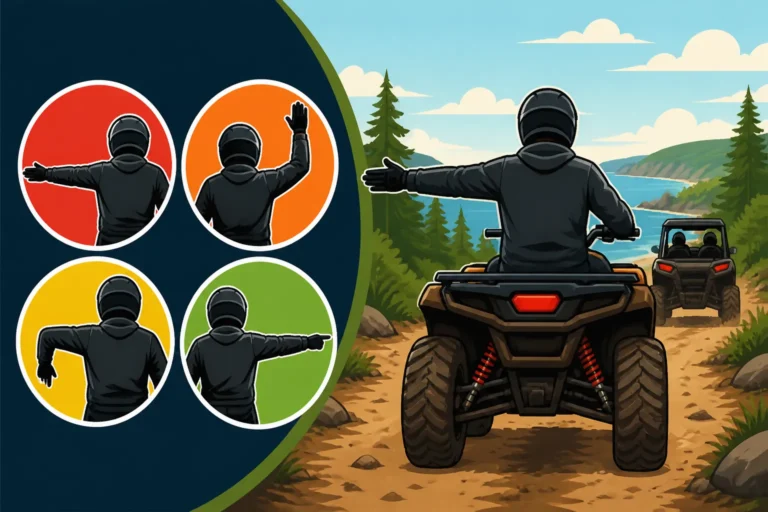
Clear communication is vital. Often, a simple hand signal can convey your intentions. A raised hand can mean "hello," or "I see you." Pointing can indicate how many more riders are behind you in your group. If you're encountering a group of snowmobilers, the lead rider might signal the number of machines behind them; it’s good practice to return the gesture for your own group. This kind of non-verbal communication is a universal language on the trails and enhances safety for everyone.
It's also worth noting that in New Brunswick, [New Brunswick Hand Signals Without Lights] are a recognized part of safe ORV operation. Knowing these basic signals, even if you have working turn signals, can be incredibly useful, especially if your machine's lights are obscured by mud or snow. A little extra effort in clear communication can prevent misunderstandings and potential accidents. After all, everyone is out there to enjoy the beauty of New Brunswick’s outdoors.
Seasonal Dynamics and Trail Courtesy
New Brunswick's seasons dramatically influence how and where we ride our ATVs and UTVs, and consequently, our encounters with snowmobilers. What's perfectly acceptable in summer can be a no-go zone in winter, and vice-versa. Understanding these seasonal dynamics is key to being a responsible and welcomed member of the ORV community.
Winter Riding and Shared Corridors
When winter blankets New Brunswick, the landscape transforms, and so do the trails. Many sections that are open to ATVs in the warmer months become primary snowmobile corridors. Snowmobile clubs work tirelessly, often through volunteer efforts and funding from trail permits, to groom and maintain these paths. When ATVs ride on freshly groomed snowmobile trails, especially when the snow isn't deep enough, they can damage the grooming, creating ruts and rough patches that make it hazardous for snowmobiles. This is a significant point of contention between the two user groups.
It's important to respect these efforts. If you must use a shared corridor in winter, be acutely aware of the conditions. Deep, soft snow might be more forgiving, but if the trail is icy or thinly covered, your ATV's tires can easily ruin the surface. Some areas have clear designations where ATVs are permitted in winter (often ungroomed or specifically signed multi-use trails), while others are strictly for snowmobiles. Always check local trail maps, such as those provided by QuadNB, or consult local clubs before heading out in winter. Investing in appropriate winter gear, for yourself and your machine, such as a durable plow from SuperATV, might even open up more winter riding opportunities on your own property or private trails, reducing the need to potentially interfere with groomed snowmobile paths.
Spring Thaw and Trail Vulnerability
Spring in New Brunswick is a beautiful but tricky time for trails. The melting snow and thawing ground lead to what’s often called "mud season." During this period, trails are incredibly vulnerable to damage. Riding heavy ATVs and UTVs through soft, wet sections can create deep ruts, erode the trail base, and prolong the time it takes for trails to dry out and firm up. This damage affects all users, including snowmobilers who might be using the trails later in the year, as well as hikers and cyclists.
Many clubs will implement [New Brunswick Trail Closures in Spring Thaw] or ask riders to voluntarily stay off certain sections until they've dried out. While it's tempting to hit the trails as soon as the snow disappears, exercising patience and respecting these closures is crucial. It's a testament to responsible riding and ensures the longevity of our shared trail network. Remember, everyone benefits from well-maintained trails, and protecting them during vulnerable times is a collective responsibility.
Rules Table for Shared Access
To help visualize some of these points, here’s a quick overview of how ATVs/UTVs and snowmobiles often share space in New Brunswick:
| Feature/Aspect | ATV/UTV (Generally) | Snowmobile (Generally) | Shared Scenarios |
|---|---|---|---|
| Primary Season | Spring, Summer, Fall (some winter riding) | Winter (when sufficient snow cover) | Multi-use trails, designated roads, private land with permission. |
| Trail Use Focus | Off-road recreation, utility, access. | Winter recreation, touring. | Yielding is crucial. Slow down, move to the right, make eye contact. |
| Road Access | Limited, designated sections (bylaws, ministerial orders). | Limited, designated sections (bylaws, ministerial orders). | Check local bylaws and signage. [New Brunswick Ministerial Designations] and [New Brunswick Highway Usage Permits] may apply. |
| Trail Grooming | Less reliant on grooming (may damage snowmobile grooming). | Highly reliant on grooming for smooth riding. | ATVs should avoid damaging groomed snowmobile trails. Respect conditions and closures. |
| Right of Way | Generally yield to uphill traffic or larger machines. | Generally expect clear, groomed path. | Be prepared to yield to snowmobiles, especially on groomed trails. |
| Documents to Carry | [New Brunswick Documents You Must Carry] (registration, insurance, license, safety cert). | Similar requirements (registration, insurance, license, safety cert). | Always have your papers ready. An officer can ask to see them from either machine. [Carrying Four Documents at Once] is key. |
What to Do in Case of Conflict or Accident
Even with the best intentions and knowledge, sometimes things don’t go perfectly on the trails. Conflicts can arise, accidents can happen, and knowing how to respond appropriately is just as important as knowing the rules of the trail itself. A calm, rational approach will always serve you best.
De-escalating Minor Conflicts
It’s an unfortunate reality that sometimes tensions can flare up between different user groups. Perhaps a snowmobiler feels you’ve damaged their trail, or you feel a snowmobiler passed too close. In these situations, the most important thing is to remain calm and respectful. Getting into a shouting match or engaging in aggressive behavior will only make things worse. Try to de-escalate the situation by using a calm tone, explaining your actions if necessary, and offering an apology if you genuinely believe you were in the wrong.
A simple "My apologies, I didn't realize" or "Let's make sure we're both safe here" can often diffuse the tension. Remember that both ATVers and snowmobilers are passionate about their sports, and sometimes that passion can boil over. If you feel the situation is becoming unsafe or overly aggressive, it’s best to remove yourself from the immediate vicinity. You can always report persistent issues or dangerous behavior to the relevant authorities or trail associations later, providing as much detail as possible about the incident and the other party involved.
Reporting Accidents and Incidents
If a minor incident turns into an actual accident involving damage or injury, your responsibilities increase significantly. First and foremost, ensure the safety of everyone involved. Check for injuries and administer first aid if you are trained and it is safe to do so. If there are serious injuries or significant property damage, you must report it to the RCMP or local police. Even if it seems minor, it’s always better to err on the side of caution.
In New Brunswick, the Off-Road Vehicle Act outlines specific requirements for reporting accidents. You'll need to exchange information with the other party, including names, contact details, and insurance information. Take photos of the scene, damage, and any relevant signage. These details will be crucial for insurance claims and any subsequent investigations. Understanding [New Brunswick Accident Reporting Rules] beforehand can save you a lot of stress in a high-pressure situation. Remember, both ATVs and snowmobiles typically require insurance for trail riding, and this coverage will be essential in the event of a claim.
What an Officer Looks For
Should an officer arrive on the scene of an incident or simply stop you for a routine check, they will be looking for a few key things. This applies whether you're on an ATV or a snowmobile. They will almost certainly ask for your proof of registration, your proof of insurance, your operator's license (or proof of age/training if under 16), and your safety training certificate. These are the "four documents" all riders should [Carry on a Long Trail Day].
Officers are also trained to assess the condition of your machine – are your lights working? Is your exhaust modified to be excessively loud? Are you wearing an approved helmet? They will also observe your riding behavior and the circumstances of any incident. If you've been courteous and compliant with the rules, it will go a long way in any interaction. Conversely, riding without proper documentation or equipment, or acting recklessly, can lead to [New Brunswick Fines for Riding Near a Highway] or other violations. Being prepared and respectful will make any interaction with law enforcement a smoother process for everyone.
Disclaimer
This article is for general informational purposes only and does not constitute professional advice. Laws, prices and regulations vary by location and change over time. Consult a qualified professional for guidance on your specific situation.