Earning a Driver Training Certificate at Age 14
It’s a truly exciting time when your 14-year-old expresses an interest in hitting the trails on an ATV or side-by-side here in New Brunswick. However, that excitement can quickly turn into a bit of a headache as you navigate the specific rules and requirements for young riders. This guide is here to walk you through exactly what you need to know about earning that all-important driver training certificate, smoothing out the path for your teen to ride legally and safely.
Why a Driver Training Certificate Matters at 14 in New Brunswick
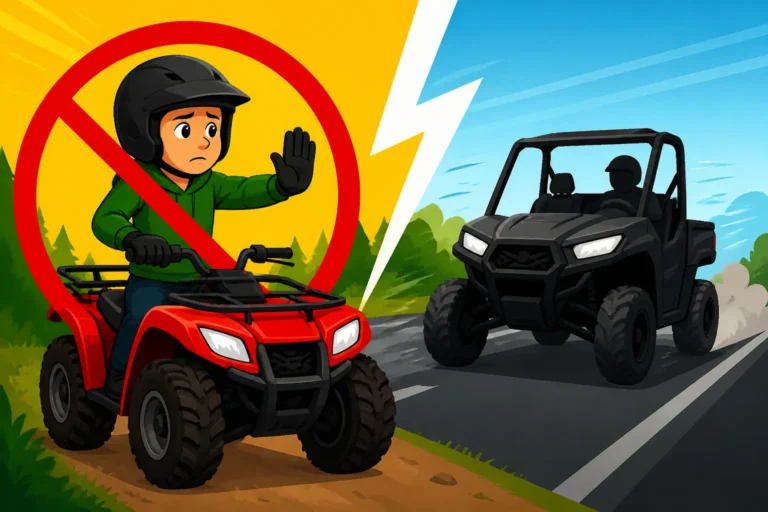
For a 14-year-old in New Brunswick, simply hopping on an off-road vehicle (ORV) and riding off into the sunset isn't an option. The province has clear regulations designed to ensure the safety of young riders and others on the trails. A driver training certificate isn't just a suggestion; it's a fundamental requirement that opens the door to responsible riding. Without it, your teen isn't just missing out on trail access; they're also at risk of significant penalties.
The Law and Young Riders: What You Need to Know
In New Brunswick, the law specifically addresses riders aged 14 and 15, carving out a pathway for them to legally operate an ORV. Unlike adults who generally only need to hold a valid driver's license (any class) to operate an ORV, these younger teens have a two-part requirement. First, they must successfully complete an approved ORV driver training course and obtain that certificate. This isn't just about showing up; it’s about demonstrating a foundational understanding of safe operation and the rules that govern our trails. Think of it as their initial stamp of approval, proving they’ve learned the ropes.
The second part of the puzzle is that this certificate works in conjunction with a [New Brunswick Class 9 Licence for Teens]. This Class 9 license is essentially a special permit for off-road vehicles that 14 and 15-year-olds must possess. While the driver training certificate proves they've learned the skills, the Class 9 license makes it official and legal for them to operate. Without both, they’re not legally compliant. It's a system designed to ensure both education and formal recognition of that education, aiming for a safer riding environment for everyone.
Safety First: Beyond Just Legal Compliance
While legal compliance is absolutely critical to avoid fines and potential legal issues, the true value of the driver training certificate extends far beyond simply ticking a box. This course is designed with real-world safety in mind, preparing young riders for the unpredictable nature of our trails. It’s about building a foundation of knowledge and skills that can prevent accidents, which can be devastating for young people and their families. They learn how to assess risks, how their machine handles in different situations, and how to react quickly and safely when things don't go as planned.
The course covers everything from understanding the mechanics of their machine to proper riding posture, obstacle negotiation, and emergency braking. It instills a sense of responsibility, not just for their own safety, but for the safety of passengers, fellow riders, and even wildlife. Think about navigating a sudden dip in the trail, encountering a downed tree, or having to react to another rider unexpectedly. The training provides the reflexes and decision-making skills needed in these moments. It's an investment in their well-being, equipping them with the confidence and competence to enjoy the sport responsibly. For parents, knowing your child has received this specialized training offers immense peace of mind.
What the New Brunswick ATV Driver Training Course Involves
So, what exactly happens in one of these driver training courses? It’s not just sitting in a classroom listening to lectures; it’s a comprehensive program that combines theoretical knowledge with crucial hands-on experience. The goal is to produce riders who understand not only the "how" but also the "why" of safe and responsible ORV operation. This blend ensures that when they hit the trails, they're not just operating a machine, but actively making informed decisions.
Classroom Learning and Theory
The classroom portion of the ORV driver training course lays the essential groundwork. This is where young riders delve into the legal framework surrounding ORV use in New Brunswick, understanding where they can and cannot ride, the importance of [New Brunswick Trail Permits for 2026 and 2027], and the role of organizations like QuadNB in maintaining the trail network. They'll learn about the different types of off-road vehicles, their components, and basic maintenance checks that every rider should perform before heading out. This includes pre-ride inspections, understanding tire pressure, checking fluid levels, and ensuring all controls are in working order.
Beyond mechanics, a significant focus is placed on rider responsibility. This includes topics like environmental stewardship – how to minimize impact on sensitive ecosystems – and trail etiquette, such as yielding to other users and staying on marked paths. They'll also cover essential safety gear, emphasizing the non-negotiable requirement of wearing a helmet that meets recognized standards. Understanding [New Brunswick Helmet Standards Accepted] is critical, as not just any helmet will do. The classroom also touches on what to do in case of an accident, basic first aid, and how to carry [New Brunswick Documents You Must Carry] on the trail. This theoretical knowledge is the backbone for safe and informed riding.
Hands-On Riding Skills
Once the classroom lessons are absorbed, it's time to put theory into practice. The hands-on portion of the course is arguably the most vital, as it allows young riders to develop the muscle memory and practical judgment needed for safe operation. Under the direct supervision of certified instructors, participants will get to know their machine intimately, or a rental machine if they don't own one yet. They’ll start with the absolute basics: learning how to mount and dismount safely, understanding the throttle and brakes, and executing smooth starts and stops.
The training progresses to more complex maneuvers, simulating real-world trail conditions. This includes navigating turns at various speeds, managing ascents and descents on hills, and learning how to shift their body weight for better control. Instructors often set up obstacle courses to teach avoidance techniques, how to ride over small hazards, and how to maintain control on uneven terrain. For those interested in accessories, some instructors might even discuss how aftermarket parts, like those from SuperATV, can enhance safety and performance, for example, by providing better ground clearance or more robust protection for the underside of the machine. The practical sessions are designed to build confidence, hone reflexes, and solidify the safe riding habits that will serve them well for years to come. This practical application is what truly transforms a student into a competent rider.
The Process: From Registration to Certification
Embarking on the journey to get your 14-year-old certified might seem a bit daunting with all the rules and steps, but it's a straightforward process once you know what to do. The key is to plan ahead, gather your information, and follow the instructions carefully. It's worth every bit of effort for the peace of mind and the opportunities it opens up for your young rider.
Finding an Approved Course and Registering
The first step is to locate an approved ORV driver training course. In New Brunswick, these courses are typically offered through the QuadNB Federation and its member clubs. Their website is usually the best place to start, as it lists upcoming courses, locations, and contact information for instructors. You can often find a [New Brunswick Safety Course Schedule] that works for your family's availability. When searching, look for courses specifically designed to meet the provincial requirements for young riders. It’s worth checking if your local club offers a course or can recommend a nearby one.
Once you’ve found a suitable course, the registration process will involve providing personal details for the participant, usually including their name, date of birth, and contact information. Parents or guardians will need to sign consent forms, as the participant is a minor. Be prepared for the [New Brunswick Safety Course Costs $160], though remember that sometimes youth rebates or discounts for QuadNB members might apply, so always inquire about [New Brunswick Youth Course Rebates]. It’s a good idea to register well in advance, especially during popular seasons like spring or fall, as spots can fill up quickly. Confirm the course location, start time, and any specific items your teen needs to bring.
What to Bring and What to Expect on Course Day
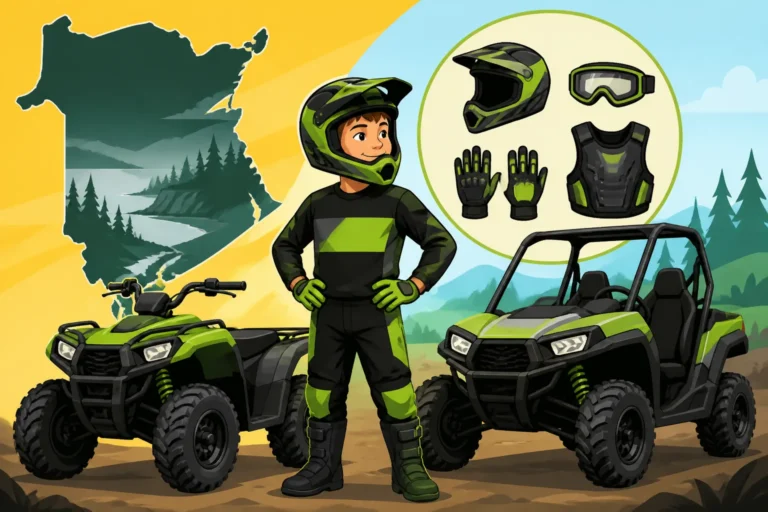
When the big day arrives, preparation is key to a smooth and successful experience. Most importantly, your teen needs to be dressed appropriately for a day of outdoor activity and riding. This means sturdy, closed-toe footwear that covers the ankle (work boots are ideal), long pants (jeans are usually fine), a long-sleeved shirt or jacket, and gloves. Essential safety gear, like a properly fitting helmet and eye protection (goggles or glasses), is a must. If your teen doesn't own a machine yet, don't fret; many course providers offer [New Brunswick Course Machine Rentals] for a small fee, which is a fantastic way to try it out before committing to a purchase.
Parents, make sure you have all the necessary paperwork, including the signed parental consent forms and any payment receipts. It's often required for a parent or guardian to attend at least part of the course, especially for the initial briefing, to understand the expectations and rules. The course itself will be a mix of classroom instruction and practical riding exercises. Teens should come ready to listen, ask questions, and actively participate. They'll be guided through all the maneuvers and safety checks they need to learn, often getting personalized feedback from the instructor. It's a full day of learning and hands-on experience, so pack snacks and water!
Receiving Your Certificate: The Official Green Light
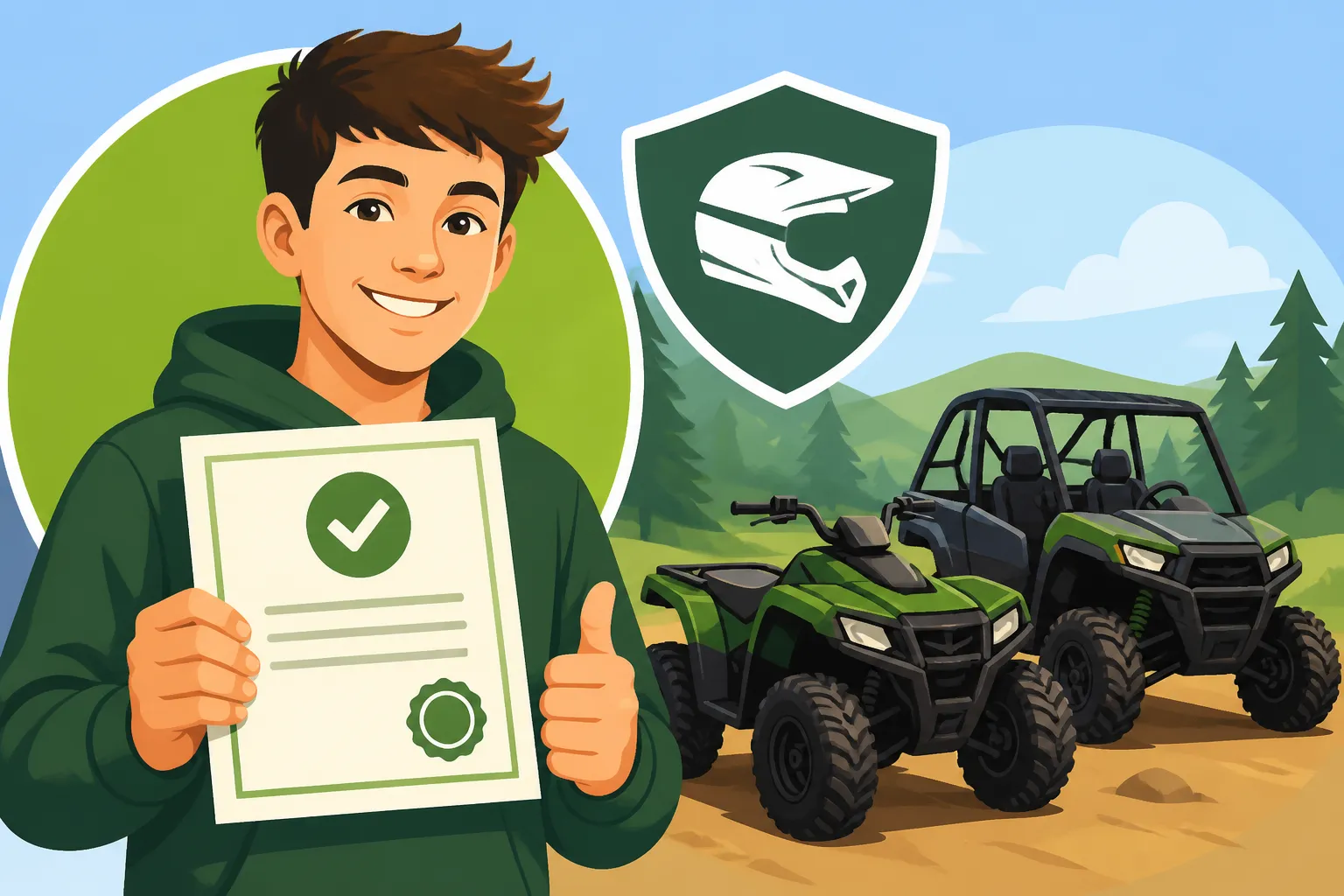
The moment of truth arrives at the end of a successful course: receiving the coveted driver training certificate. This physical document is tangible proof that your 14-year-old has completed the required education and demonstrated the necessary skills to operate an ORV safely and legally in New Brunswick. It’s not just a piece of paper; it’s their official ticket to further independence on the trails, allowing them to proceed with applying for their Class 9 license.
This certificate is critically important and must be kept safe. It serves as official documentation that you may need to present when applying for the Class 9 license, and potentially when an enforcement officer requests to see it on the trail. [Producing Your Safety Certificate When an Officer Asks] is a key part of compliance. It signifies that your teen has met a specific standard, enabling them to enjoy the sport while respecting the rules and contributing to a safer riding community. Once they have this certificate in hand, the next step is applying for the Class 9 license through Service New Brunswick, formalizing their legal ability to ride.
Beyond the Certificate: What Comes Next for Young Riders
Earning that driver training certificate is a massive achievement and a crucial step, but it's really just the beginning of a lifelong journey of responsible riding. For 14-year-olds in New Brunswick, there are still specific rules and considerations they (and you as parents) need to be aware of to ensure their continued safety and legal compliance on the trails. It's about ongoing education, adherence to specific operating conditions, and a commitment to safe practices.
Riding with an Adult Escort
One of the most important rules for 14 and 15-year-olds in New Brunswick, even after obtaining their driver training certificate and Class 9 license, is that they cannot ride unsupervised. The law requires them to be accompanied by an adult who is at least 19 years old and also holds a valid driver's license (any class) and an ORV driver training certificate. This means that both the teen and the escort need to have completed the appropriate training. For more details, you can look into [New Brunswick Adults Escorting Young Riders]. This isn't just a formality; it's a vital safety measure.
The adult escort acts as a supervisor, mentor, and emergency contact. They are there to provide guidance, reinforce safe riding practices, and offer assistance if any issues arise, whether it's a mechanical problem, a difficult section of trail, or an unexpected situation. This partnership allows young riders to gain more experience in various conditions under the watchful eye of an experienced and certified adult. It ensures that while they are developing their independence, they always have a knowledgeable resource to turn to, making every ride a learning opportunity and a safer adventure.
Understanding Machine and Trail Restrictions
Beyond the need for an escort, 14-year-olds also face certain restrictions regarding the type of machine they can operate and how they can use it. New Brunswick has specific [New Brunswick Engine Caps for Young Riders] that dictate the maximum engine size an underage rider can operate. For example, a 14-year-old generally cannot operate a machine exceeding 250cc. These limits are in place to match machine power and size to the rider's experience and physical capabilities, preventing them from being overwhelmed by a machine that is too powerful or too large to handle safely.
Furthermore, there are strict rules about where and how young riders can operate their ORVs. For instance, [New Brunswick Under-16 Riders Cannot Cross a Road] independently. Any road crossing must be done under the direct supervision of their adult escort, following all the legal requirements for crossing highways. They are also prohibited from riding on public highways unless specifically designated for ORV use with a proper permit, and even then, specific speed limits and rules apply. Understanding [New Brunswick Rules for a 14-Year-Old Rider] and [New Brunswick Rules for a 15-Year-Old Rider] is paramount. It’s also important to ensure their machine is appropriately equipped with protective accessories; for example, investing in quality skid plates or A-arm guards from brands like SuperATV can provide an extra layer of protection for the machine when navigating varied New Brunswick terrain.
Ongoing Skill Development
Receiving a driver training certificate is a fantastic accomplishment, but it's crucial to remember that it's a starting point, not the finish line. Like any skill, operating an ORV safely requires continuous practice, learning, and adaptation. The trails of New Brunswick offer a huge variety of terrain, from rocky climbs to muddy sections and winding forest paths, and each presents its own challenges. Encouraging your teen to continuously refine their skills and decision-making will make them a better, safer, and more confident rider.
This ongoing development can involve practicing maneuvers in controlled environments, riding with different experienced adults, and gradually tackling more challenging trails as their confidence and ability grow. It's also about staying informed about [New Brunswick Trail Etiquette Locals Expect], new regulations, and the evolving conditions of the trails. Regular machine maintenance checks and understanding how their ORV performs under different loads or in changing weather conditions are also part of this continuous learning. The more experience they gain, coupled with a commitment to safety, the more they will truly master the art of off-road riding, opening up years of enjoyment on New Brunswick's incredible trail network.
Here's a quick overview of key requirements for young riders:
| Age Group | Driver Training Certificate | New Brunswick Licence | Adult Escort Required | Engine Size Restrictions | Road Crossing Restrictions |
|---|---|---|---|---|---|
| 6-13 years | N/A (Closed Course) | N/A | Yes (19+, Certified) | Max 70cc (6-11), Max 90cc (12-13) | Prohibited |
| 14-15 years | Required | Class 9 ORV Licence | Yes (19+, Certified) | Max 250cc | Prohibited without certified escort/permit |
| 16+ years | Recommended (for safety) | Any Valid Driver's Licence | No | Generally no engine size limit* | Specific rules apply for highways |
| *Note: Some exceptions may apply; always verify current regulations. |
Disclaimer
This article is for general informational purposes only and does not constitute professional advice. Laws, prices and regulations vary by location and change over time. Consult a qualified professional for guidance on your specific situation.