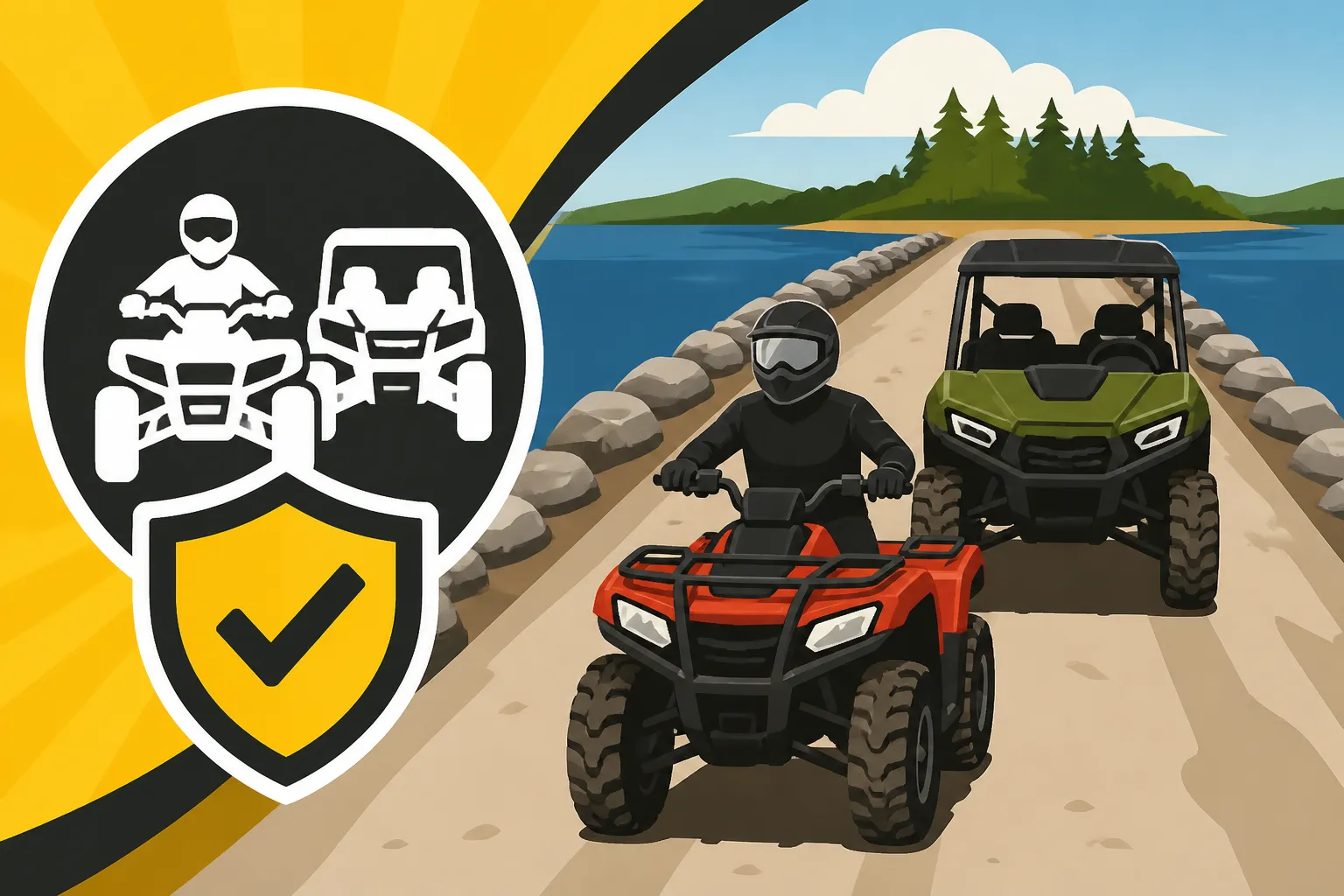
New Brunswick Rules for Riding a Causeway
Riding your ATV or UTV across a causeway in New Brunswick can feel like a tricky navigation puzzle. One minute you're on a well-defined trail, the next you're on what looks like a public road, and the rules suddenly feel blurry. This guide is here to untangle that confusion, laying out exactly what you need to know to safely and legally ride your machine over those stretches of land connecting two shores, helping you avoid fines and keep your adventure worry-free.
Understanding the Legal Landscape Around Causeways
Causeways, by their very nature, blur the lines between off-road trails and public roadways. They're built-up sections of land that bridge bodies of water, and depending on where they are and how they're designated, the rules for your ATV or UTV can change dramatically. It's this ambiguity that often leads to frustration for riders.
What Defines a Causeway in New Brunswick for ORV Use?
In New Brunswick, a causeway isn't just a physical structure; it's a legal one in the eyes of off-road vehicle regulations. Many causeways are integral parts of provincial highways or municipal roads, designed for traditional vehicle traffic, not necessarily ATVs or UTVs. The core issue is that the Off-Road Vehicle Act primarily governs off-road use. When you hit a causeway, you're often encountering a stretch that legally constitutes a "road" or "highway," even if it doesn't look like a busy four-lane thoroughfare.
This can be incredibly confusing for riders. You might be deep in the woods, following a well-worn path, and suddenly you emerge onto a gravel causeway that connects two sections of your intended trail. Instinct might tell you it's just another part of the trail, but legally, it could be a classified road. The key is understanding that the legal definition of the land beneath your tires takes precedence over how it feels or looks to you as a rider. It's this subtle, often invisible, boundary that can catch even experienced riders off guard.
The Overlap with Highway Usage and ORV Act Restrictions
The crux of the matter lies in the New Brunswick Off-Road Vehicle Act and its relationship with provincial highway regulations. Generally, ATVs and UTVs are not permitted on the "travelled portion" of a provincial highway. Many causeways fall squarely into this category, or at the very least, they exist within the 7.5-meter setback rule from the travelled portion of a highway. This rule means that even if you're riding parallel to a highway on what seems like a ditch or shoulder, you could still be in violation if you're within that defined distance.
It's vital to recognize that causeways, especially those on main routes, are often policed as part of the highway system. This means that if you're found operating your ORV on one without proper authorization, you could face significant penalties. These fines are not trivial; riding on a highway without authorization can lead to a [New Brunswick's $292.50 Highway Fine], in addition to other potential charges if your machine isn't properly registered or insured. The intent of the causeway – whether it's solely for trail access, or a crucial part of a public thoroughfare – is what ultimately dictates whether you can legally traverse it on your machine.
Navigating Specific Causeway Scenarios
Not all causeways are created equal when it comes to ORV access. The rules can differ drastically based on who owns the land, how it's designated, and what local bylaws are in effect. It's crucial to understand these distinctions to avoid inadvertently breaking the law or putting yourself at risk.
Causeways Integrated with Provincial Highways
Imagine you're riding a scenic route near the coast, and your trail abruptly brings you to a causeway that's clearly part of a numbered provincial highway, complete with traffic signs and higher speed limits for cars. In New Brunswick, these causeways are generally off-limits for ATVs and UTVs. Provincial highways are designed for motor vehicle traffic, and ORVs are prohibited from operating on them, with very few, highly specific exceptions.
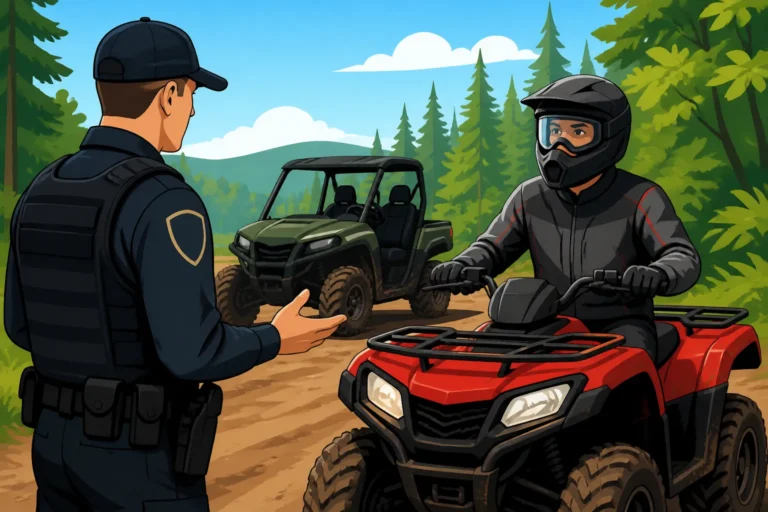
These exceptions usually involve designated crossing points, where the highway has been specifically marked and engineered for ORV passage. You might see specific signage indicating an ORV crossing, or in very rare cases, a [New Brunswick Highway Usage Permits] might be granted for a short, unavoidable stretch. However, these are exceptions, not the norm. Attempting to ride your ORV on a causeway that is part of a provincial highway, without explicit and clear authorization, is not only illegal but extremely dangerous due to the speed and volume of highway traffic. Police enforcement in these areas is common, and you risk a substantial fine and possible impoundment of your machine.
Municipal Road Causeways and Local Bylaws
Now, consider a different scenario: a causeway that forms part of a municipal road, perhaps connecting two small communities or crossing a river within a village. This is where the rules can become more nuanced. Unlike provincial highways, some municipal roads can be opened to ORV traffic if the local council passes a specific bylaw. This means that a causeway on a municipal road might be accessible to your ATV or UTV, but only if the municipality has explicitly allowed it.
The variability here is immense. One town might have embraced ORV tourism and opened certain road sections, including causeways, while a neighbouring village might strictly prohibit it. Therefore, the actionable step for any rider is to always, always check with the local municipality directly. You can often find information through resources like [New Brunswick Bylaw Lookups Before You Ride], or by simply calling the local town or village office. Never assume that just because a causeway looks quiet or out-of-the-way that it's permissible for ORV use. Ignorance of a local bylaw is not a valid defence.
Causeways on Designated ORV Trails
Finally, let's talk about the most rider-friendly scenario: a causeway that is an officially designated part of a sanctioned ORV trail network, such as those maintained by QuadNB member clubs. In these cases, the causeway is generally permissible for ATV and UTV use. These sections have typically been incorporated into the trail system through agreements with landowners or the province, ensuring legal passage for riders.
When you're on a causeway that is clearly marked as part of a [New Brunswick ATV Trail Map Downloads], you can usually ride with confidence, knowing you're within the bounds of the law. However, even on these designated trail sections, all other rules of the Off-Road Vehicle Act still apply. This means you still need a valid [New Brunswick Trail Permit Cost in 2026], your machine must be registered, and you need to carry all required [New Brunswick Documents You Must Carry]. You also need to adhere to posted speed limits, practice responsible trail etiquette, and ensure your machine is equipped with all the necessary safety gear. These causeways are often maintained by clubs as well, so respecting the infrastructure is key.
Essential Precautions and Best Practices for Causeway Riding
Riding on or near causeways, even permitted ones, requires extra vigilance. The blend of potential road traffic, unique structures, and legal complexities means that riders need to be more prepared and cautious than on a typical wooded trail.
Safety and Visibility Concerns
Causeways, by their very design, can present unique safety challenges. They are often narrower than standard roads, with limited or no shoulders, and sometimes feature blind spots or curves. When you consider that they might also carry faster-moving vehicular traffic, the risk profile for an ATV or UTV rider increases significantly. It's not just about avoiding collisions; it's about being seen and having time to react.
This means that high-visibility gear isn't just a suggestion; it's a necessity. Brightly coloured clothing, reflective elements, and ensuring all your lights are in perfect working order are paramount. Consider adding aftermarket lighting or visibility accessories to your machine. For instance, companies like SuperATV offer a range of products from bright LED light bars that illuminate your path to whip lights that make your presence known from a distance, especially crucial when crossing a causeway where you might share space with other vehicles. Always be aware of your surroundings, listen for approaching traffic, and slow down to a safe speed that allows you to assess the situation and react if necessary.
Checking Local Regulations and Signage
We can't stress this enough: do your homework before you ride. Relying on assumptions when it comes to causeways is a recipe for trouble. Before heading out on any ride that might involve a causeway, make a point to check current local regulations. This involves consulting municipal websites for [New Brunswick Municipal Bylaws That Open Roads], reviewing updated [New Brunswick ATV Trail Map Downloads] from organizations like QuadNB (which often highlight restricted areas or road crossings), and familiarizing yourself with any official government advisories.
Always look for physical signage on the ground. "No ORV" signs, speed limit changes, or indications of shared road use are there for a reason. If you encounter a causeway that doesn't have clear trail markings, or if it looks like a public road and you haven't verified its ORV status, err on the side of caution. Pushing through an unverified section can lead to fines, such as [New Brunswick Penalties for Riding Unregistered] or even charges related to riding where you shouldn't be. Proper planning and attention to detail are your best defense against unexpected legal troubles.
What to Do If You Encounter a Causeway Unexpectedly
Sometimes, despite your best planning, you might find yourself on a trail that unexpectedly leads to a causeway, and you're unsure if you're allowed to cross it. In such situations, the safest and smartest course of action is to turn around. Do not attempt to cross if you are in doubt. The potential risks—a substantial fine, an accident with a road vehicle, or even the impoundment of your machine—far outweigh the inconvenience of backtracking.
This is where detailed navigation tools come in handy. Having a GPS with updated trail maps, or a reliable app that shows designated ORV routes, can be invaluable. Systems that can utilize GPX downloads, often available from trail organizations, can help you stick to known legal paths and avoid unintended detours onto prohibited causeways. If you're planning a longer trip, consider your entire route and anticipate potential causeway crossings, researching each one in advance. It's far better to adjust your route on a map at home than to find yourself in a tricky legal or dangerous situation out on the trail.
Here's a quick reference for common causeway scenarios:
| Causeway Type | Common Status for ORVs | Key Considerations | Action for Rider |
|---|---|---|---|
| Provincial Highway Causeway | Generally Prohibited | Part of numbered highway; high traffic, legal restrictions. | Avoid entirely unless explicitly signed for ORV crossing. |
| Municipal Road Causeway | Varies by Local Bylaw | Check local municipal bylaws; speed limits apply. | Research municipal bylaws before riding. |
| Designated ORV Trail Causeway | Generally Permitted | Part of sanctioned trail network; follow trail rules. | Ensure valid trail permit and registration. |
| Private Land Causeway (with access) | Permitted (with permission) | Requires landowner permission; typically low traffic. | Always secure landowner permission in advance. |
Remember, causeways can represent both a vital link in a trail system and a potential legal trap. By understanding the rules, prioritizing safety, and always doing your research, you can ensure your New Brunswick ATV or UTV adventure remains enjoyable and above board. Pay attention to [New Brunswick Lighting Requirements at Night] if you find yourself near one after dark, and always have your [New Brunswick Equipment a Rider Must Carry] on hand. The peace of mind is worth the effort. You might even find that some robust gear from SuperATV, like their durable mirrors or brush guards, could give you extra confidence when navigating these mixed-use areas, ensuring you're ready for whatever the terrain—or the regulations—throw your way. For more general guidelines on where you can ride, check out [Can You Ride an ATV on the Road in New Brunswick?].
Disclaimer
This article is for general informational purposes only and does not constitute professional advice. Laws, prices and regulations vary by location and change over time. Consult a qualified professional for guidance on your specific situation.