New Brunswick Uninsured Machine Fines
It's a sinking feeling, isn't it? You're out enjoying the incredible trails New Brunswick has to offer, the engine humming, the sun on your face, when suddenly you see flashing lights. Or maybe it's just the nagging worry in the back of your mind: "What if I get caught without insurance?" This guide is all about tackling that very real anxiety, breaking down the specific fines and far-reaching consequences of riding an uninsured ATV or UTV in our beautiful province.
The Hard Reality of Uninsured Riding in New Brunswick
Let's be blunt: riding an off-road vehicle (ORV) without proper insurance in New Brunswick isn't just frowned upon; it's a direct violation of the rules designed to protect everyone. Many riders think it's just about saving a few bucks a year, but the potential costs, both financial and personal, far outweigh any perceived savings. It’s a gamble that very rarely pays off, and often leaves riders in a much worse position than if they had simply obtained coverage from the start.
Why Insurance Is More Than Just a Good Idea
For most ORVs operating on designated trails or public lands in New Brunswick, insurance isn't optional—it's mandatory. This isn't some arbitrary rule dreamt up to make your life harder. It’s a fundamental safety net, designed to cover damages and injuries that can occur when you’re out on the trails. Imagine hitting a patch of unexpected gravel, losing control, and damaging someone else's property, or worse, causing an injury. Without insurance, you are personally on the hook for every single penny of that cost. It's a huge financial exposure that could impact your savings, your home, or your future earnings for years.
Furthermore, trail networks like those managed by QuadNB, our provincial federation, rely on riders being properly insured. It’s a condition of use for their extensive network. So, beyond the legal mandate, it's also a matter of respecting the community and the infrastructure that allows us all to enjoy our machines. Having insurance is a crucial part of responsible riding, showing that you're prepared for the unexpected and ready to be accountable. This coverage is especially vital if you've invested heavily in your machine, perhaps outfitting it with durable upgrades and accessories from a reputable brand like SuperATV. You want to protect that investment, and good insurance is the primary way to do it.
The Specific Fine for an Uninsured ORV
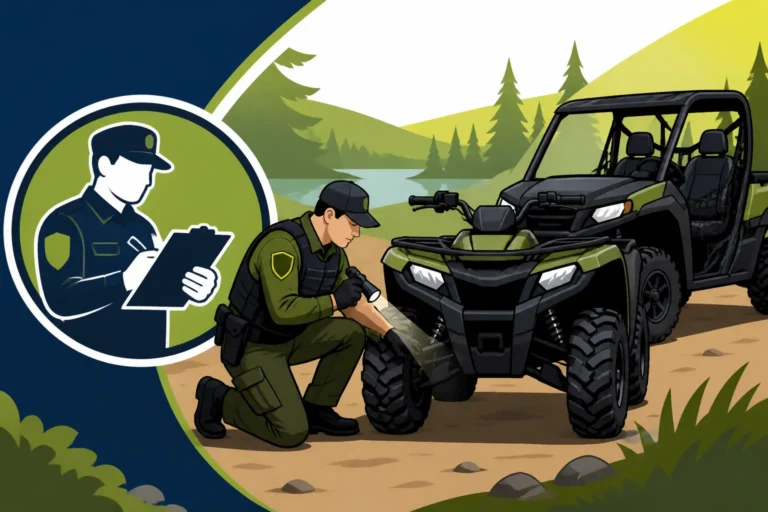
When an officer pulls you over and discovers your ORV is uninsured, you’re not just looking at a slap on the wrist. New Brunswick has a clear set fine for this infraction, and it’s a substantial amount. While exact figures can change, you're typically looking at a fine that is several hundred dollars. This isn't a small ticket; it's designed to be a significant deterrent. This fine is usually outlined under the Off-Road Vehicle Act and its associated regulations. You can find more details on [New Brunswick Penalties for Riding Uninsured].
This type of fine is known as a "set fine," which means the amount is predetermined. Unless you successfully dispute the ticket in court, this is the amount you'll be required to pay. It’s an immediate hit to your wallet, far exceeding the typical annual cost of an ORV insurance policy. Think about it: a single fine could easily be more than several years' worth of insurance premiums. It makes that "saving" feel pretty hollow in retrospect. For information on what kind of coverage is required, check out [New Brunswick Requires Insurance on Trails]. Keep in mind there are some specific situations, such as [New Brunswick Insurance Exemption for Dirt Bikes], but these are generally for very limited, private land use, not general trail riding.
Beyond the Immediate Fine: What Else Uninsured Riding Can Cost You
While the upfront fine is certainly a shock, the true cost of riding an uninsured machine can extend far beyond that initial penalty. This is where the decision to skip insurance really comes back to bite you, potentially affecting your long-term financial stability and even your ability to continue riding. It's a risk that most experienced riders would advise against taking, no matter how short the trip or how familiar the terrain.
Financial Catastrophe in Case of an Accident
The immediate fine is just the tip of the iceberg. If you're involved in an accident while riding an uninsured ORV, even a minor one, the financial fallout can be catastrophic. Imagine you're riding a gravel road, misjudge a corner, and slide into someone's fence, causing extensive damage. Or worse, you collide with another ORV or pedestrian, causing injuries. Without liability insurance, you are personally responsible for all the repair costs, medical bills, and any potential lost wages for the injured party. These costs can quickly escalate into tens of thousands, or even hundreds of thousands, of dollars.
This kind of debt isn't something you can easily walk away from. It could mean wage garnishment, liens on your property, or even bankruptcy. It's not just your machine at risk; it's your entire financial future. Even if you accessorize your machine with the toughest parts from a supplier like SuperATV, no amount of aftermarket strength will protect you from the legal and financial liability of an accident you cause while uninsured. The peace of mind that comes with proper coverage, knowing that a significant portion of these potential costs would be handled by your insurer, is truly priceless.
Potential Legal Ramifications and Machine Seizure
Beyond the financial hit, riding uninsured can also lead to severe legal consequences. Depending on the specifics of the situation and the officer's discretion, your ORV could be impounded or even seized. This means your machine could be towed away and held until fines are paid, and potentially until you prove you have obtained insurance. The costs for towing and storage add up quickly, piling onto your existing financial burden. Imagine having to pay hundreds, if not thousands, of dollars just to get your own machine back, a machine you might already be struggling to insure.
You might also be required to appear in court, consuming your time and potentially leading to further legal fees if you choose to hire representation. A conviction for riding uninsured could also go on your record, potentially impacting your ability to get future insurance coverage at reasonable rates, or even affecting your driver's licence if there are linked provincial regulations. It's a situation that creates a cascade of negative effects, all stemming from that initial decision to forgo insurance.
The Impact on Your Riding Privileges and Record
Receiving a fine for an uninsured machine isn't just about the money; it can also affect your future riding privileges and your overall record. While ORV infractions might not always directly translate to demerit points on your standard driver's licence, they certainly flag you as a high-risk individual to insurance companies. This could lead to significantly higher premiums down the road, making future insurance much more expensive than it would have been initially. It’s a vicious cycle where a past infraction makes future compliance more costly.
Furthermore, repeated offences or severe incidents could lead to temporary or even permanent bans from certain trail systems, especially those managed by clubs. Our ORV community in New Brunswick thrives on responsible behaviour, and those who consistently flout the rules risk losing access to the very places they love to ride. The long-term impact on your ability to enjoy your machine responsibly should not be underestimated.
Protecting Yourself: Getting Your Machine Insured
The solution to all these potential headaches is surprisingly straightforward: get your ORV insured. It's a proactive step that safeguards your finances, protects your riding privileges, and ensures you're a responsible member of the New Brunswick ORV community. Don't wait until you're facing a fine or, worse, dealing with the aftermath of an accident.
The Simplicity of Getting ORV Insurance
Getting off-road vehicle insurance in New Brunswick is generally a simple process. Most major insurance providers offer policies specifically for ATVs, UTVs, and other ORVs. You can often get a quote online, over the phone, or by visiting a local insurance broker. The cost is usually quite manageable, especially when compared to the fines and liabilities you could face without it. For a general idea, you might want to look into [New Brunswick Insurance Cost for an ATV] or [New Brunswick Insurance for a Side-by-Side], as costs can vary based on machine type and coverage.
Policies typically include liability coverage (to protect you if you cause damage or injury to others), and you can often add collision and comprehensive coverage to protect your own machine from damage or theft. Many policies also offer coverage for aftermarket accessories, which is a great benefit if you've invested in upgrades. It's a small annual expense that provides monumental peace of mind, allowing you to focus on the joy of riding rather than worrying about legal and financial risks.
What to Look For in an ORV Insurance Policy
When you're shopping for ORV insurance, it's wise to consider a few key elements to ensure you're adequately covered. First, pay close attention to the liability limits. While there's usually a minimum required, opting for higher liability coverage can offer greater protection in the event of a serious accident. This is your primary defense against catastrophic personal financial loss.
Next, consider your deductibles for collision and comprehensive coverage. A higher deductible usually means a lower premium, but it also means you'll pay more out-of-pocket if you need to make a claim. Think about your comfort level with this risk. Lastly, if you've customized your machine with aftermarket parts like a winch, lights, or upgraded suspension from companies such as SuperATV, ask about coverage for these accessories. Many standard policies might only cover the stock value of your ORV, so ensuring your investments are protected is crucial. Don't hesitate to ask your insurance provider about what exactly is covered under various scenarios.
Carrying Proof of Insurance on the Trail
Once you have your insurance, the final crucial step is to always carry proof of it with you when you ride. This isn't just a suggestion; it's a requirement under New Brunswick law. Whether it's a physical copy of your insurance card or an electronic version on your phone, you need to be able to present it to an officer upon request. You can't just say, "Oh, I have it at home." That won't cut it.
Many riders keep their registration and insurance documents in a waterproof bag or container in a saddlebag, under the seat, or in a glove box. Just make sure it’s easily accessible and protected from the elements. This proof, along with your valid registration certificate and a valid trail permit, forms part of the essential [New Brunswick Documents You Must Carry]. For more on this, you can look up information on [Proof of Insurance on the Machine] or [Keeping a Copy of the Registration on the Machine]. Being prepared means you can enjoy your ride without any unnecessary stress or potential fines.
What to Do If You Receive an Uninsured Machine Fine
Even with the best intentions, sometimes things happen. Maybe you genuinely forgot to renew your policy, or perhaps you bought a used machine and thought the previous owner's insurance carried over (it almost never does). If you find yourself holding a ticket for riding an uninsured machine, it's important to understand your options and act promptly.
Understanding Your Ticket and Options
An uninsured machine fine in New Brunswick is typically a set fine, meaning the amount is clearly stated on the ticket. When you receive such a ticket, you generally have a few options. You can pay the fine, which resolves the issue but acknowledges guilt. Or, you can choose to dispute the ticket in court. Disputing the ticket means you believe there was an error, or you have a valid defence for why the fine shouldn't apply to you.
It's vital to read your ticket carefully, noting the due date for payment or for indicating your intention to dispute. Missing these deadlines can lead to additional charges or complications. Before deciding to dispute, it's often wise to understand the potential [New Brunswick Court Costs for an ATV Citation] and the effort involved.
Steps to Take After Receiving a Fine
If you receive an uninsured machine fine, the very first thing you should do, even before deciding whether to pay or dispute, is to immediately get your machine insured. This demonstrates responsibility and prevents future infractions. It also shows a proactive approach that could potentially be seen favourably if you do end up in court.
Next, if you plan to dispute the ticket, consider seeking legal advice. A lawyer specializing in provincial offences can assess your situation, advise you on the strength of your case, and represent you in court if necessary. They can help you understand the nuances of [Disputing a Set Fine] and navigate the legal process. Even if you choose to simply pay the fine, getting insured promptly is a non-negotiable step to ensure you can continue to ride legally and responsibly in New Brunswick.
Disclaimer
This article is for general informational purposes only and does not constitute professional advice. Laws, prices and regulations vary by location and change over time. Consult a qualified professional for guidance on your specific situation.