New Brunswick Equipment Checks by Officers
There's a specific kind of anxiety that can creep into your mind when you're out enjoying the beautiful New Brunswick trails, especially when you see an officer up ahead. Will your machine pass muster? Are your papers in order? This guide aims to ease those worries by clearly outlining what New Brunswick officers look for during equipment checks on ATVs and UTVs, helping you ride with confidence and compliance.
Understanding the Officer's Role and Authority
It’s completely normal to feel a little bit of apprehension when you’re stopped by an officer, whether you’re in your car or on your ATV. But understanding why they conduct these checks and the authority they operate under can help demystify the process and make you feel more prepared. Officers aren’t just out to give tickets; they're there to ensure everyone's safety and the proper use of our shared trail systems and public lands.
Why Officers Check Your Machine
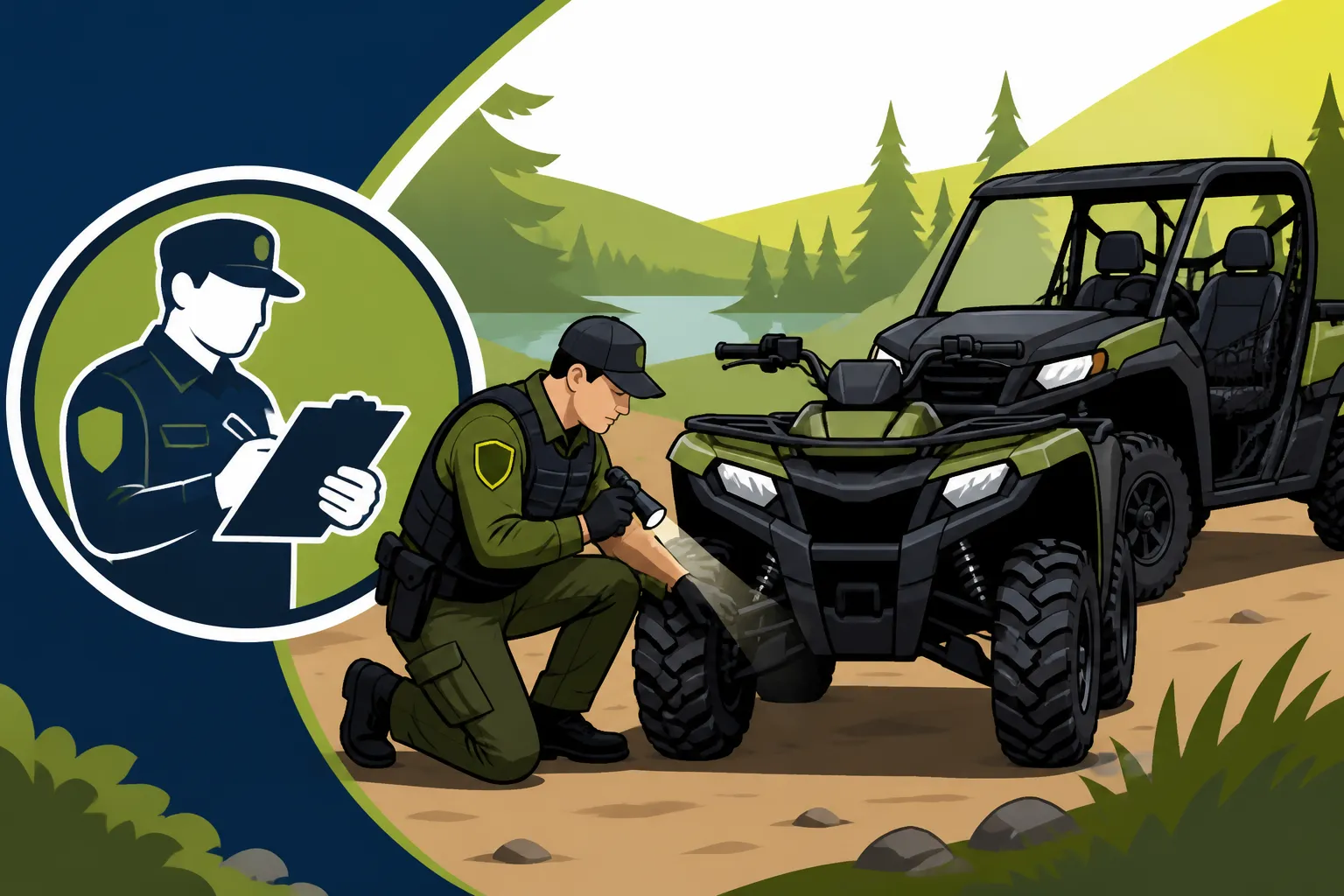
At its core, an officer checking your ATV or UTV is doing so for several crucial reasons, all aimed at protecting riders, the public, and the environment. Firstly, safety is paramount. They want to ensure your machine is in proper working order, reducing the risk of accidents caused by faulty equipment. This includes checking things like your brakes, lights, and steering. Imagine the disaster if someone's brakes failed on a steep descent because they hadn't been maintained.
Secondly, officers are enforcing the New Brunswick Off-Road Vehicle Act and its associated regulations. These laws are in place to manage how and where off-road vehicles can be used, minimizing conflicts with other land users and protecting sensitive natural areas. This is why they'll be looking for things like proper registration, valid insurance, and that you're riding in authorized areas. It's about ensuring fair play and responsible recreation for everyone who enjoys the outdoors. Compliance also ensures that the funds from registrations and permits contribute to trail maintenance and development, something all riders benefit from.
Where Checks Typically Happen
You might encounter an equipment check in a few common locations across the province. Trailheads are a prime spot, as they're often bottlenecks where many riders begin or end their journeys. It's an efficient place for officers to interact with a larger number of riders and ensure everyone is starting their ride legally and safely. Popular riding areas, especially those known for specific events or heavy traffic, are also common points for checks.
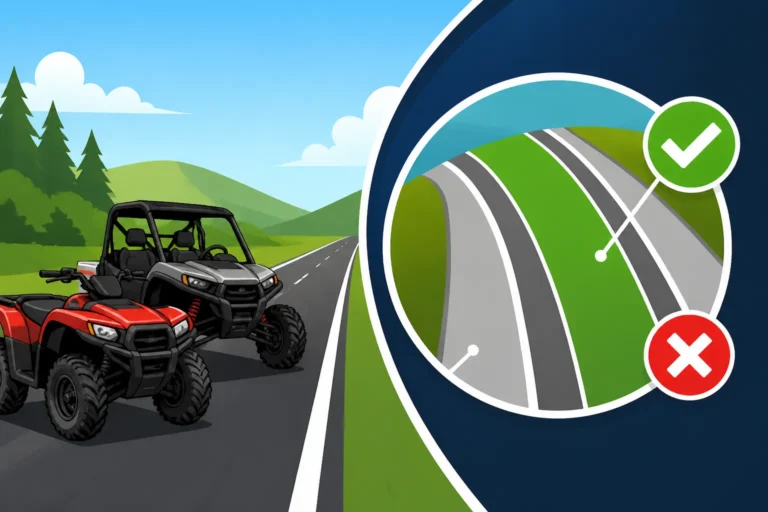
Another frequent location is at road crossings or designated highway access points. Because ATVs and UTVs have specific rules about where and how they can interact with public roads, officers often position themselves at these junctions to ensure riders are following the regulations, such as those related to [New Brunswick Highway Usage Permits] or the 7.5-metre rule. So, whether you're pulling into a staging area or just about to cross a paved road, always be ready.
What Officers Look For on Your ATV or UTV
When an officer pulls you over, they're not just glancing at your machine. They have a specific list of items they'll be checking, covering everything from your personal documents to the mechanics of your vehicle. Knowing what these are in advance can make all the difference between a quick, pleasant interaction and a prolonged, stressful one.
Essential Documents and Identification
First and foremost, officers will ask for your paperwork. This is non-negotiable and something every rider should have readily accessible. You'll need to produce your [New Brunswick ORV Registration Explained] certificate, which proves your machine is officially recognized by the province. This includes having a current plate and sticker. Without it, you could face significant fines, like the [New Brunswick No-Registration Fine of $172.50].
Next up is proof of [New Brunswick Requires Insurance on Trails]. New Brunswick law mandates that any ORV operating on a trail system or public land must have valid insurance. Carrying proof of this prevents fines like the [New Brunswick Fines for an Uninsured Quad]. Your driver's license, or appropriate Class 9 license for younger riders, will also be requested to verify you're legally permitted to operate the machine. Lastly, if you're a younger rider or accompanying one, having your [New Brunswick Safety Course Explained] certificate on hand is crucial. [New Brunswick Documents You Must Carry] clearly outlines these requirements, emphasizing the need to produce all four documents promptly.
Machine Condition and Required Equipment
Beyond your paperwork, the physical condition and equipment on your ATV or UTV are under scrutiny. Functioning lights are a must, especially if you're riding during low-light conditions or after dusk. This means headlights, taillights, and brake lights all need to be in working order. Officers will often ask you to demonstrate these. Your brakes are critical safety components, so expect them to be checked for proper function and adjustment.
A muffler is not just for noise reduction; it's a legal requirement to ensure sound levels are within acceptable limits. Aftermarket exhausts that are excessively loud can lead to tickets. Make sure your tires are in good condition, without excessive wear or damage, and that they're appropriate for the terrain. While not universally required for all trails, some areas or situations might necessitate a safety flag, particularly for dune buggies or side-by-sides. If you've modified your machine, perhaps with aftermarket parts from SuperATV, ensure these modifications still comply with New Brunswick's regulations and haven't compromised safety features.
Rider Safety Gear
Your personal safety equipment is just as important as your machine's condition. The absolute must-have is a properly fitting, approved helmet. New Brunswick has strict [New Brunswick ATV Helmet Law] requirements, and every occupant on the machine, driver and passenger alike, must wear one. This isn't just about avoiding a fine; it's about protecting your life in case of an accident.
Beyond the helmet, officers will often look for other sensible safety gear. While not all are strictly mandated by law, they show responsible riding. This includes appropriate eye protection, like goggles or a helmet visor, to shield your eyes from debris, dust, and branches. Sturdy footwear that covers your ankles is also important, along with long pants and a long-sleeved shirt to protect against scrapes and sun exposure. Think of it this way: the more prepared you are with gear, the more an officer sees you as a responsible rider.
Common Issues That Lead to Fines or Warnings
Even experienced riders can sometimes overlook details that lead to a stop or even a ticket. Knowing the most common pitfalls can help you avoid them and keep your ride enjoyable and worry-free. Many issues stem from simple oversight rather than deliberate rule-breaking.
Overlooked Registration and Insurance Details
One of the most frequent reasons riders get stopped and ticketed is for expired or missing registration. We all have busy lives, and sometimes that little sticker or certificate renewal date just slips our minds. It's easy to forget that [New Brunswick Registrations Expire December 31] every year. That's why it's so important to have a system to remind yourself. [New Brunswick Annual Registration Rule] means you must renew every year, regardless of how much you ride.
Similarly, having valid insurance is not something you can skip. Officers will always ask for proof of insurance. An expired policy or simply forgetting your proof at home can lead to issues. Many riders assume if they're only riding on private land, they don't need insurance, but that's not always the case if you ever touch a public trail or road crossing. Always make sure you have proof of your current insurance policy in your possession. [Checking Your Plate Sticker Is Still Valid] along with your registration certificate and insurance card should be part of your routine pre-ride checks.
Mechanical Malfunctions and Modifications
Another area that can catch riders off guard relates to the machine itself. A loud muffler is a common complaint from residents and can quickly draw an officer's attention. If your exhaust system has been modified to be significantly louder than the factory setting, it's likely non-compliant. While performance parts from a company like SuperATV can enhance your ride, ensure any modifications, especially to the exhaust, still meet local sound regulations.
Non-functional lights are another big one. A burnt-out headlight or a brake light that isn't working can be dangerous and is an easy thing for an officer to spot, especially around dusk or dawn. Before every ride, a quick walk-around to check all your lights is a simple habit that can save you a lot of hassle. Furthermore, if any of your key safety features, like brakes or steering, are visibly damaged or not working correctly, you could be deemed unsafe to ride.
Rider Compliance and Age Restrictions
New Brunswick has clear rules regarding who can ride what, and where. Underage riders, particularly those who don't meet the minimum age requirements for certain machines or trails, are a significant concern for officers. For example, a 14-year-old rider needs to have completed a safety course and be under the direct supervision of an adult. Officers will verify these details rigorously.
Carrying too many passengers, or having passengers who aren't wearing helmets, are also quick ways to get stopped. Quads are typically designed for one rider unless specifically manufactured for a passenger seat, and even then, both occupants require a helmet. Knowing and adhering to these [New Brunswick Equipment a Rider Must Carry] guidelines, especially regarding age and passenger rules, demonstrates responsible riding and helps ensure everyone's safety on the trail.
How to Ensure You're Ready for an Equipment Check
The best way to eliminate that pre-check anxiety is to be thoroughly prepared before you even put your helmet on. A little bit of proactive planning goes a long way in ensuring your rides are smooth, safe, and free from unexpected interruptions.
Pre-Ride Checklist for Peace of Mind
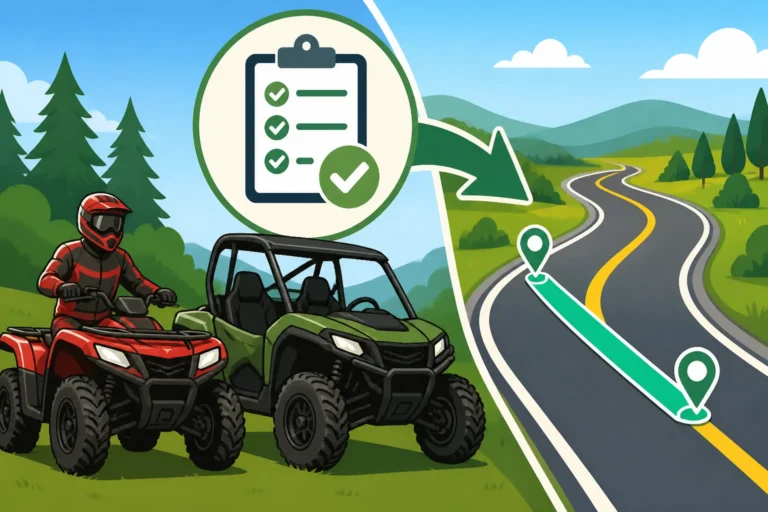
Before every single ride, get into the habit of running through a quick checklist. This doesn't have to be exhaustive, but hitting the key points will cover most of what an officer looks for.
- Documents: Double-check you have your valid registration certificate, proof of insurance, your driver's license (or Class 9), and if applicable, your safety course certificate. Keep them in a waterproof bag, easily accessible, but secured on your machine, like in a saddlebag or storage compartment. [Producing Four Documents at Once] will become second nature.
- Lights: Turn on your ignition and check your headlights, taillights, and brake lights. Give your brake lever/pedal a squeeze to ensure the brake light illuminates.
- Brakes: Test both your front and rear brakes to ensure they engage firmly and smoothly.
- Tires: Give your tires a quick visual inspection for any obvious punctures, low pressure, or excessive wear.
- Muffler: Listen to your exhaust. Does it sound excessively loud? If so, you might need to address it.
- Helmet: Ensure your helmet is easily accessible and fits correctly. If you have passengers, confirm they have their helmets too.
- Plate/Sticker: Take a quick glance at your license plate and ensure your current registration sticker is clearly visible and not peeling.
This quick routine takes only a few minutes but can save you hours of headache and hundreds of dollars in fines. Even if you've got robust, high-quality accessories from a brand like SuperATV, regular inspection is still key to ensuring everything performs as it should.
Interacting Respectfully with Officers
Should an officer stop you, a calm and respectful demeanor is your best asset. Pull over safely to the side of the trail or road as directed. Turn off your engine and remove your helmet so you can hear clearly and communicate effectively. Keep your hands visible and calmly wait for the officer to explain why they stopped you and what they need.
Answer their questions honestly and directly. When asked for your documents, retrieve them carefully and hand them over. Avoid arguing or becoming defensive, even if you believe there's been a misunderstanding. If you have questions or concerns about the stop, voice them respectfully once the officer has finished their initial checks. Most officers are simply doing their job to keep everyone safe, and a polite interaction usually goes much smoother for all involved.
| Item Type | What Officers Check For | Why It's Important | Potential Consequence of Failure |
|---|---|---|---|
| Documents | Valid Registration Certificate | Legal proof of ownership & annual renewal | Fine for no registration, machine impoundment |
| Proof of Insurance | Financial protection for accidents | Fine for no insurance | |
| Driver's License / Class 9 | Legal authorization to operate | Fine for operating without proper license | |
| ORV Safety Course Certificate (for young riders) | Demonstrates safety training for specific age groups | Fine for operating without required certification | |
| Machine Equipment | Functioning Headlights, Taillights, Brake Lights | Visibility for safe operation, especially in low light | Fine, deemed unsafe to operate |
| Working Brakes (Front & Rear) | Essential for stopping safely | Fine, deemed unsafe to operate | |
| Approved Muffler (not excessively loud) | Noise pollution control, public peace | Fine for excessive noise | |
| Good Condition Tires | Traction and control | Deemed unsafe, potential for accident | |
| Visible License Plate & Current Sticker | Identification & proof of current registration | Fine for expired plate/sticker, identification issues | |
| Rider Equipment | Approved Helmet (CSA, DOT, ECE, Snell, ANSI) | Head protection for driver & passenger | Fine for no helmet, serious injury risk |
| Appropriate Footwear (over ankle, sturdy) | Foot and ankle protection | Recommendation/warning, injury risk | |
| Eye Protection (goggles, visor) | Protects eyes from debris | Recommendation/warning, injury risk |
Disclaimer
This article is for general informational purposes only and does not constitute professional advice. Laws, prices and regulations vary by location and change over time. Consult a qualified professional for guidance on your specific situation.