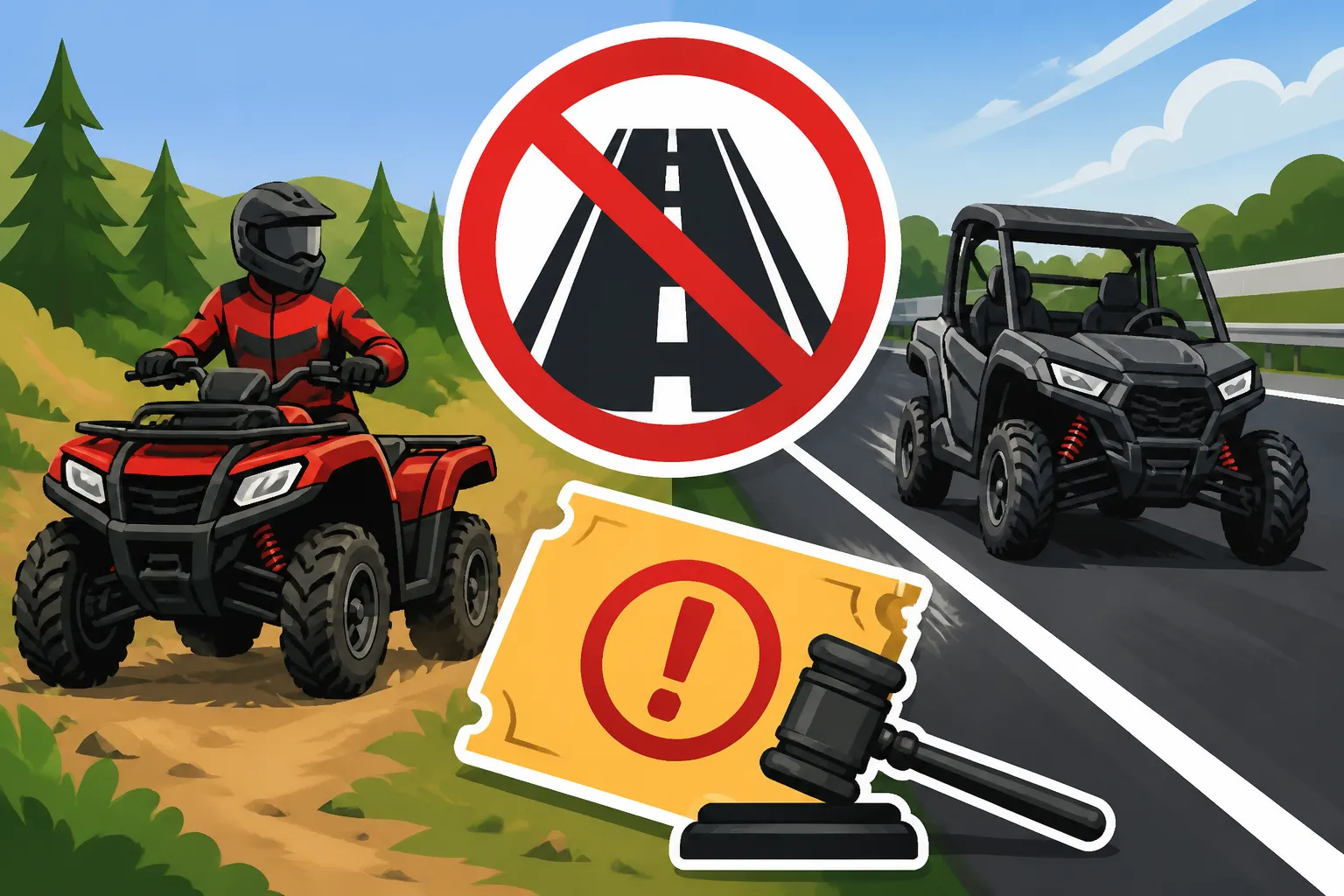
New Brunswick Fines for Riding Near a Highway
It’s a frustrating reality for many ATV and UTV enthusiasts in New Brunswick: you just want to enjoy the beautiful trails and scenery, but the rules around roads and highways can feel like a minefield. One wrong turn or a moment of misunderstanding can lead to a significant fine, not to mention a whole lot of stress. This guide is here to untangle the complexities of riding your off-road vehicle near New Brunswick highways, explaining the infamous 7.5-metre rule, detailing the penalties you face, and offering practical, real-world advice to keep you riding legally and safely.
The Core Problem: Understanding New Brunswick's Highway Rules
Let's face it, the lines between an off-road trail and a public road can often feel blurred, especially in our beautiful, sprawling province. Many of us ride through rural areas where trails might run parallel to roads or even cross them. It's easy to assume that if you're not on the paved surface, you're in the clear. However, New Brunswick's Off-Road Vehicle Act has specific, strict regulations about how close you can operate your ATV or UTV to a public highway, and misunderstanding these rules is a common way riders end up with an unexpected ticket. The intent of these rules isn't to spoil your fun, but to ensure safety for both ORV operators and conventional vehicle traffic, preventing accidents and maintaining order on our shared landscapes.
Why the 7.5-Metre Rule Exists
The 7.5-metre rule isn't just an arbitrary number conjured up by lawmakers; it's a critical safety measure designed to create a buffer zone between off-road vehicles and high-speed highway traffic. Imagine a large, powerful side-by-side operating directly alongside a busy provincial highway. The potential for dust, noise, or an unexpected swerve from either vehicle to create a dangerous situation is very real. This separation minimizes the risk of collisions, reduces distractions for drivers on the highway, and gives ORV riders a safer space away from the immediate hazards of faster-moving vehicles. It's about protecting everyone, from the family out for a Sunday drive to the enthusiast enjoying their machine.
Furthermore, this rule helps to manage the public's perception of off-road vehicle use. When ORVs are seen to operate responsibly and maintain a respectful distance from main thoroughfares, it fosters a better relationship between riders and the general public. Ignoring such rules can lead to complaints, stricter enforcement, and potentially even more restrictive regulations down the line. It's a small concession for the privilege of enjoying our vast trail network, ensuring that ORVs can coexist harmoniously with other forms of transportation. You can learn more about [What New Brunswick's Off-Road Vehicle Act Covers] to understand the full scope of these regulations.
What Constitutes a "Highway" in New Brunswick
When we talk about "highways" in the context of the 7.5-metre rule, it's crucial to understand that this isn't just about four-lane divided roads. In New Brunswick, the definition of a "highway" is much broader than you might think. It includes almost any public road, from busy provincial highways like the Trans-Canada to smaller, paved secondary roads and even gravel roads that are publicly maintained. Essentially, if a road is open for public vehicular traffic and maintained by the province or a municipality, it likely falls under the "highway" definition for the purpose of this rule.
This wide definition often catches riders by surprise. Many assume that if they're on a quiet, rural back road, the same strict rules don't apply. However, an enforcement officer can ticket you just as easily on a remote paved road as on a bustling highway if you violate the 7.5-metre distance. This means riders must be vigilant and aware of their surroundings at all times, understanding that most publicly accessible roads, regardless of their size or traffic volume, are considered highways under the Act. To avoid any confusion, always assume the rule applies unless you have specific, verifiable information to the contrary for that particular stretch of road.
The Infamous 7.5-Metre Rule Explained in Detail
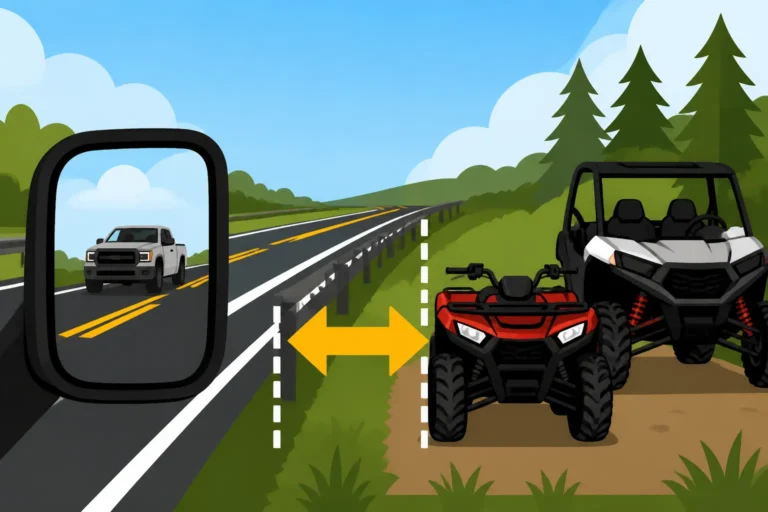
The 7.5-metre rule is arguably one of the most misunderstood and frequently violated regulations for off-road vehicle operators in New Brunswick. It essentially states that you cannot operate an off-road vehicle within 7.5 metres (about 25 feet) of the travelled portion of a highway. This isn't just about staying off the asphalt; it extends a significant distance into the ditch, shoulder, or even beyond, depending on the specific layout of the road. It's a rule that requires active awareness and often a bit of pre-planning to ensure compliance.
Many riders, especially those new to the sport or visiting from other provinces, often find themselves scratching their heads, wondering how to accurately gauge this distance in real-time. It's not always easy, especially when you're focusing on riding safely and navigating varied terrain. However, the onus is on the operator to know and abide by this rule. Ignoring it, even unintentionally, will not exempt you from the fines. Understanding [7.5 Metres From the Travelled Portion] is key to staying out of trouble.
Measuring the Distance: From Where to Where?
This is where the rubber meets the road, quite literally. The "travelled portion" of a highway refers to the part of the road normally used by vehicles, which typically means the paved or graveled surface where cars and trucks drive. So, the 7.5-metre measurement begins at the edge of that travelled portion. It's not measured from the center line, or from the ditch line, but from the outermost edge of where vehicles actually operate. This means if there's a paved shoulder, that shoulder is considered part of the travelled portion, and your 7.5 metres starts from the edge of that shoulder.
Consider a typical rural highway with a paved surface and perhaps a gravel shoulder leading to a ditch. Your 7.5-metre buffer zone starts from the outer edge of that gravel shoulder. If there's no shoulder, it starts from the edge of the pavement. This distance is substantial, often pushing you well into the ditch or beyond, into the tree line or private property. It's not simply about keeping your tires off the pavement; it's about maintaining a significant separation from the actual path of road vehicles. I always tell folks to think of it as "way out of sight, way out of mind" from the perspective of a car driver.
Common Misconceptions About the Rule
One of the biggest misconceptions is that the rule only applies to major provincial highways. As discussed, it applies to almost any publicly maintained road. Another common belief is that if you're on a well-used path or a designated trail that runs parallel to a highway, you're automatically compliant. This isn't always true. Even if a path seems like a natural extension of a trail, if it's too close to the travelled portion of a public road, you could still be in violation. It's crucial to consult official trail maps or local bylaws, which sometimes provide specific exceptions for certain stretches.
Some riders also mistakenly believe the rule doesn't apply if the road is quiet, or if they're just going a short distance. Unfortunately, the law doesn't make exceptions for traffic volume or convenience. The 7.5-metre rule is a constant requirement. Similarly, some might think that if their machine is "street legal" in another province, it overrides New Brunswick's specific ORV Act. This is a big nope; New Brunswick has its own set of rules, and you must adhere to them regardless of where your machine is registered or what modifications it has. Staying informed about [New Brunswick ATV Road Rules Explained] can help clear up many of these misunderstandings.
Exemptions and Designated Areas Where You CAN Ride Near Roads
While the 7.5-metre rule is broad, there are specific situations and designated areas where you might legally operate your ORV closer to, or even on, a public road. These exceptions are critical for riders to understand, as they provide legal pathways for connectivity between trails, access to services, or crossing hazardous areas. However, these are not blanket permissions and always come with their own set of specific conditions and requirements.
It's tempting to think any shoulder or ditch is fair game, but that's precisely the mindset that leads to tickets. Instead, always assume the default is "no" when it comes to riding near roads, and only proceed if you know for certain that a specific exemption applies to your location and situation. Blindly following another rider or relying on hearsay can land you in trouble, so always do your homework!
New Brunswick Municipal Bylaws That Open Roads
Some municipalities in New Brunswick have enacted specific bylaws that designate certain roads or sections of roads for shared use by off-road vehicles. These are often smaller, less travelled municipal roads that help connect trail networks, provide access to gas stations or restaurants, or allow riders to navigate around an otherwise impassable section of trail. When a municipal bylaw opens a road, it effectively creates a legal exception to the general provincial rules for that specific stretch.
These bylaws are a fantastic development for riders, but they come with important caveats. First, you must confirm that such a bylaw exists for the specific road you intend to use. Information is usually available through the municipal office or via local ATV clubs. Second, even on these designated roads, there are almost always additional rules about speed limits, time of day for operation, and sometimes even the type of ORV permitted. Always respect these local rules; they're in place for community safety and to ensure the continued privilege of road access. For more insight, check out [How a Local Council Bylaw Opens a Road].
Getting a Highway Usage Permit for One Stretch
Beyond municipal bylaws, there are also provisions for individual riders or groups to obtain a "highway usage permit" for specific, limited circumstances. This permit is typically for situations where an ORV needs to travel a short distance on a provincial highway to access another trail section, cross a bridge, or reach a specific destination where no alternative route exists. It's not a free pass to drive your ORV down the highway whenever you please, but rather a targeted authorization for a specific, necessary use.
Applying for a permit usually involves demonstrating the need, outlining the exact route and distance, and adhering to strict safety protocols, which may include specific lighting, signage, or even escort vehicles. These permits are usually granted by the Department of Transportation and Infrastructure. They are not easily obtained for recreational cruising, but are designed for practical purposes. If you find yourself in a situation where a highway section is unavoidable, exploring this permit option is a far better choice than risking a substantial fine. You can find more details in [Getting a Highway Usage Permit for One Stretch].
The Exception for Crossing a Highway Safely
One of the most crucial exceptions to the 7.5-metre rule is the provision for safely crossing a highway. This is often necessary when a trail network is bisected by a public road. While you cannot operate alongside the highway, the law does permit you to cross it, provided you do so in the safest, most direct manner possible. This means crossing at a right angle, yielding to all oncoming traffic, and not lingering on the travelled portion of the road. It is paramount that you perform a complete stop, look both ways thoroughly, and only proceed when it is absolutely safe to do so.
Even when crossing, you must adhere to all traffic laws as if you were another vehicle: signal (if equipped, otherwise use hand signals), wait for gaps in traffic, and be extremely visible. Some crossings may be explicitly marked or have designated crossing points, which should always be prioritized. Remember, an officer observing an unsafe or prolonged crossing can still issue a ticket. The focus is on minimizing the time spent on the highway surface and ensuring you pose no threat to other road users. Being clear on [New Brunswick Rules for Crossing a Highway] is vital for safe riding.
New Brunswick Fines for Riding Near a Highway: What to Expect
Let's not sugarcoat it: the fines for violating New Brunswick's off-road vehicle rules, particularly those concerning highways, are not minor. They are designed to be a significant deterrent, reflecting the seriousness with which the province views the safety of its roads and the responsible operation of ORVs. Receiving a ticket for riding too close to a highway can put a serious dent in your wallet and potentially lead to other headaches. It's a harsh lesson that many riders unfortunately learn the hard way.
These penalties aren't just about collecting revenue; they are a direct consequence of the potential danger posed by ORVs operating too close to fast-moving highway traffic. An officer isn't just trying to ruin your day; they are enforcing a law that protects lives. Understanding the financial implications might just be the push you need to always err on the side of caution and ensure you're well beyond that 7.5-metre buffer zone.
The Standard Fine for Highway Infractions
The primary fine for operating an off-road vehicle within the prohibited 7.5-metre proximity to a highway in New Brunswick is substantial. You're looking at a set fine that can be quite impactful. While specific amounts can change, it's generally in the realm of several hundred dollars, often accompanied by additional fees or surcharges. For example, a common fine for operating an ORV on a highway without a permit, or too close to one, is the [New Brunswick's $292.50 Highway Fine]. This isn't a parking ticket; it's a significant financial penalty that most riders would much rather avoid.
This fine applies whether you're actively riding parallel to the road, using the ditch as a shortcut, or even briefly coming within the 7.5-metre limit without a valid exemption. The enforcement is typically zero-tolerance, meaning an officer isn't likely to give you a warning if they observe you clearly violating the rule. The best defense is always prevention: know the rules, respect the boundaries, and keep a safe distance.
Additional Penalties and Consequences
Beyond the initial financial hit, there can be other consequences for highway-related ORV infractions. Depending on the specifics of the situation, repeated offenses could lead to more severe penalties. While typically not resulting in demerit points on your driver's license (as ORV infractions are separate), they can certainly add up in terms of fines and legal fees if you choose to dispute them without proper grounds.
In some cases, if the operation is deemed particularly reckless or dangerous, an officer might have the discretion to issue more serious charges, or even impound your machine, though this is less common for a simple 7.5-metre violation unless other factors are involved. Perhaps more importantly, these fines contribute to a negative image of ORV riders in the community. Every ticket issued reinforces the idea that some riders don't follow the rules, which can lead to increased public pressure for even stricter regulations. It’s in every rider’s best interest to be an ambassador for responsible riding.
Avoiding Fines: Practical Tips for Responsible Riding
Nobody wants a ticket, especially when you're out trying to relax and enjoy the trails. The good news is that most fines for riding near highways are entirely avoidable with a bit of foresight, education, and responsible behaviour. It's not about memorizing every single bylaw in every corner of New Brunswick, but rather adopting a proactive approach to your riding habits. Think of it as investing a little time upfront to save a lot of money and hassle later.
A key part of responsible riding is preparing yourself and your machine for the conditions and the rules of the area. This isn't just about having fun; it's about being a safe and courteous member of the trail community. By following these practical tips, you can significantly reduce your chances of encountering law enforcement for highway-related infractions and enjoy your rides with peace of mind.
Planning Your Route: Using Maps and Apps
The absolute best way to avoid unintentional highway proximity is to plan your route before you even hit the throttle. This is where modern technology really shines. Utilize up-to-date trail maps, whether they're paper maps from your local club or, even better, digital maps on your phone or GPS device. Apps like the QuadNB MapGear app are invaluable resources. They often clearly mark designated trails, access points, and areas where road use or crossings are permitted. You can even download GPX files for certain trails.
Before you head out, trace your intended route. Look for sections where trails run close to or intersect with public roads. Identify any areas where you might need to use a designated road section or perform a highway crossing. If you see a long stretch where the trail parallels a highway, make a mental note to ensure you're well beyond that 7.5-metre buffer. Planning helps you anticipate potential problem spots and allows you to confirm local bylaws or permits in advance, rather than making a spontaneous, illegal decision on the fly. For detailed navigation, check out [New Brunswick Trail Maps and the MapGear App].
Understanding Signage and Local Regulations
Beyond pre-planning, remain observant of signage while you're riding. New Brunswick trails and roadsides are often marked with signs indicating permissible uses, trail closures, or specific rules. Look for signs that might indicate a road is open for ORV use under a municipal bylaw, or conversely, signs that explicitly prohibit ORVs. These signs are there for a reason, and ignoring them is a direct path to a fine.
Furthermore, always be aware that local municipalities can have specific bylaws that either open or close certain roads to ORV traffic, or impose additional restrictions. What's legal in one town might not be in another. If you're riding in an unfamiliar area, a quick call to the local municipal office or a check of their website before your trip can save you a lot of grief. This due diligence ensures you're not caught off guard by a local rule you weren't aware of.
Equipping Your Machine for Safety and Compliance
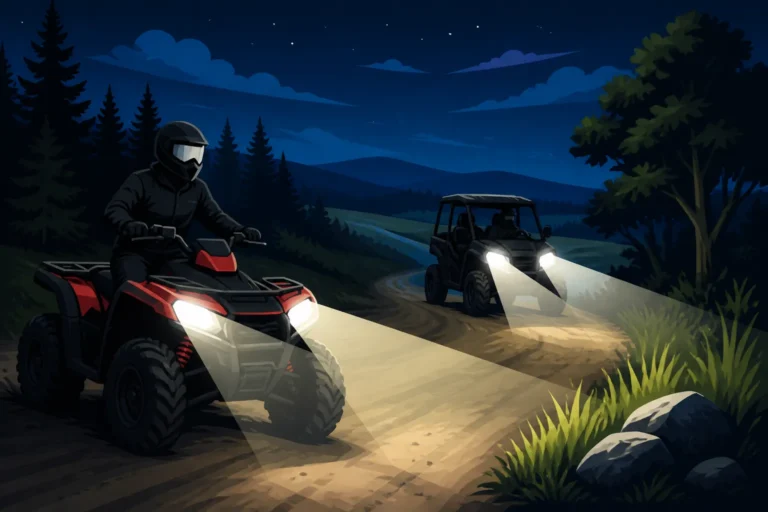
While not directly preventing you from being within 7.5 metres of a highway, having your machine properly equipped for safe operation, especially when near or crossing roads, can make a difference in your overall safety and how you're perceived by both the public and law enforcement. Good visibility is paramount. This means ensuring your headlights and taillights are functional and bright, especially if you might be riding near dusk or dawn. Many riders also add additional reflective tape or flags, which can be particularly useful when operating near roads where you need to be seen by other traffic.
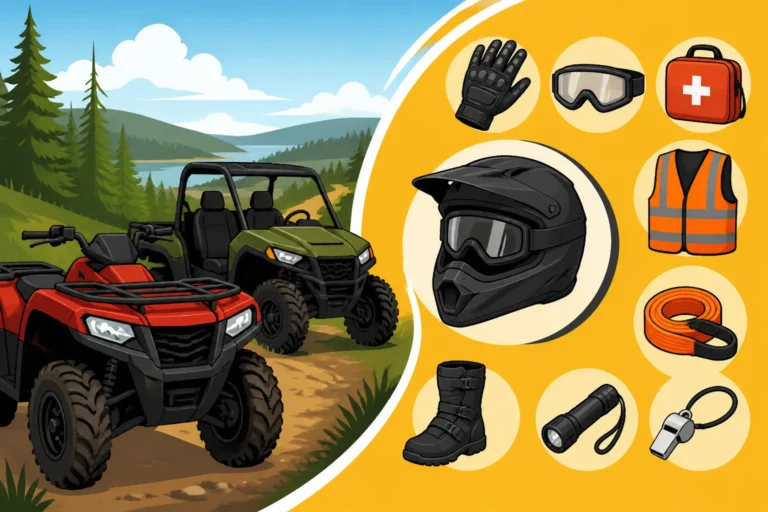
Consider adding robust mirrors to your ATV or UTV if they aren't standard or are flimsy. Clear, well-adjusted mirrors allow you to better monitor traffic behind you, which is crucial when preparing to cross a road or if you unexpectedly find yourself closer to a highway than intended. Companies like SuperATV offer a range of aftermarket accessories, from enhanced lighting kits to sturdy mirrors, that can significantly boost your machine's visibility and your awareness, making it safer to navigate areas where you might interact with road traffic. These are practical upgrades that contribute to safer riding and help present a responsible image of ORV use. Remember, there are also general requirements for [New Brunswick Equipment a Rider Must Carry].
What to Do If You're Pulled Over or Ticketed
Even the most careful and well-intentioned rider can sometimes find themselves in an unexpected situation. Perhaps you made an honest mistake, misjudged a boundary, or were caught off guard by unclear signage. If you're pulled over by law enforcement while riding your ATV or UTV, it's natural to feel a bit anxious. However, how you conduct yourself in that moment can significantly impact the outcome, both in terms of the immediate interaction and any potential follow-up. Knowing the right steps can help de-escalate the situation and protect your rights.
The goal is always to be respectful and cooperative, while also being aware of what is expected of you. Remember that officers are simply doing their job to enforce provincial laws designed for public safety. Your calm and respectful attitude can go a long way.
Interacting with Law Enforcement
If an officer signals you to stop, pull over immediately and safely to the side of the trail or road. Turn off your engine, remove your helmet, and keep your hands visible. This immediately shows cooperation and respect. When the officer approaches, listen carefully to what they say and ask. They will likely ask for your registration, proof of insurance, and trail permit. You must be able to produce these documents, so always ensure they are readily accessible and kept in a waterproof bag on your machine. For more details, refer to [What an Officer Can Ask to See on a Trail].
Answer their questions honestly and politely. Avoid arguing or becoming defensive. If you're unsure about something, it's okay to say, "I'm not sure, officer." If you believe you were following the rules, you can explain your understanding calmly, but avoid debating the law on the spot. Your primary goal is to provide the requested information and comply with their instructions. If you receive a ticket, accept it calmly. You'll have an opportunity to address it later if you choose to dispute it.
Disputing a Set Fine
Receiving a ticket doesn't automatically mean you're guilty or that you have to pay the fine without question. In New Brunswick, as with other traffic infractions, you generally have the right to dispute a set fine in court. If you genuinely believe you were not in violation of the 7.5-metre rule, or if there were specific extenuating circumstances (like being on a section of road explicitly designated as open for ORVs by bylaw), you can choose to plead not guilty.
To dispute a fine, you typically follow the instructions on the back of the ticket, which usually involves contacting the court within a specified timeframe to schedule a hearing. Before your court date, gather any evidence that supports your case: maps showing legal trail access, copies of permits, photos of signage, or witness statements. Be prepared to present your case clearly and concisely to the judge. Sometimes, simply appearing in court can lead to a discussion with the prosecutor, who might offer a reduced fine or alternative resolution. However, going to court takes time and effort, so weigh the costs and benefits before deciding to dispute.
Broader Context: Why These Rules Matter for Rider Safety and Community Relations
It's easy to view rules like the 7.5-metre highway proximity as arbitrary restrictions on our freedom to ride. However, stepping back and looking at the bigger picture reveals that these regulations serve critical purposes that extend beyond individual tickets. They are fundamental to ensuring the safety of all road users, fostering positive relationships between the ORV community and the general public, and ultimately, safeguarding the future of off-road riding in New Brunswick. When we understand the "why" behind the rules, it becomes much easier to accept and abide by them.
Responsible riding isn't just about avoiding fines; it's about being a good citizen and an ambassador for our sport. Every time a rider acts carelessly or breaks a rule, it casts a shadow on the entire ORV community. Conversely, when we demonstrate respect for the law and other road users, we build goodwill and strengthen the argument for continued access and reasonable regulations.
Protecting Riders and Other Road Users
The most obvious and important reason for the 7.5-metre rule is safety. Off-road vehicles and highway vehicles are designed for very different environments. ATVs and UTVs, with their open cockpits and often slower speeds, are not built to withstand impacts with cars or trucks moving at highway speeds. Operating too close to a highway dramatically increases the risk of a severe accident, not just for the ORV operator and passengers, but for anyone in a vehicle on the road. Dust clouds, sudden movements, or even just the distraction of an ORV operating too close can lead to dangerous situations.
By creating a clear buffer zone, the rule actively works to prevent these types of interactions. It keeps vulnerable ORVs away from high-speed traffic, thereby reducing the likelihood of catastrophic collisions. It's a proactive measure that recognizes the inherent dangers of mixing different types of vehicles on shared landscapes, ultimately protecting lives and preventing injuries. This is why strict adherence to the rule, and other safety regulations such like [New Brunswick Helmet Law for Every Occupant], is so crucial.
Maintaining Positive Community Perceptions of ORVs
Beyond direct safety, the way ORV riders conduct themselves has a massive impact on public opinion. Unfortunately, a few bad apples can spoil the bunch, leading to widespread negative perceptions of the entire ORV community. When ATVs and UTVs are seen operating dangerously close to highways, roaring down ditches next to residential areas, or simply being too visible in ways that disrupt other users, it generates complaints from the public. These complaints, in turn, can lead to increased enforcement, demands for stricter laws, and even the closure of valuable trail access.
Conversely, when riders consistently demonstrate responsible behaviour – staying on marked trails, respecting private property, and adhering to rules like the 7.5-metre buffer – it builds trust and goodwill. It shows that ORV enthusiasts are responsible members of the community who care about safety and respecting shared spaces. This positive perception is vital for securing and maintaining trail access, supporting local clubs, and ensuring the long-term viability and growth of off-road riding in New Brunswick. Every responsible ride is an investment in the future of our sport.
Summary of New Brunswick Highway Proximity Rules and Fines
To help clarify the various scenarios and consequences related to operating your ORV near New Brunswick highways, here’s a straightforward table. This table summarizes common situations, what the rule generally dictates, and the potential outcome you might face. Remember, this is a general guide, and specific situations can always have unique details, but it offers a quick reference point for common scenarios.
| Scenario | Rule/Action Required | Potential Outcome/Fine |
|---|---|---|
| Operating within 7.5 metres of a highway | Must maintain at least 7.5 metres from the travelled portion, unless exempt. | Significant fine (e.g., ~$292.50) |
| Crossing a highway | Must stop, yield to all traffic, cross directly and safely, and not linger. | Legal if done safely; unsafe crossing can result in a fine. |
| Using a road opened by municipal bylaw | Must adhere to specific bylaw rules (speed, time of day, road type). | Legal if compliant; violation of bylaw can result in a fine. |
| Riding on a highway without a permit | Prohibited unless a specific Highway Usage Permit is obtained. | Significant fine (e.g., ~$292.50) |
| Riding on a shared highway section | Must adhere to highway usage permit conditions and all standard traffic laws. | Legal if compliant; violation can result in fine & charges. |
| Impaired operation near a highway | Strictly prohibited, regardless of proximity; follows general impaired driving laws. | Heavy fines, license suspension, criminal charges (e.g., New Brunswick Impaired Riding Penalties) |
This table clearly highlights the importance of understanding specific regulations and the penalties for not following them. Always prioritize safety and legal compliance to ensure your rides are enjoyable and worry-free.
Disclaimer
This article is for general informational purposes only and does not constitute professional advice. Laws, prices and regulations vary by location and change over time. Consult a qualified professional for guidance on your specific situation.