Moving Here With a Machine
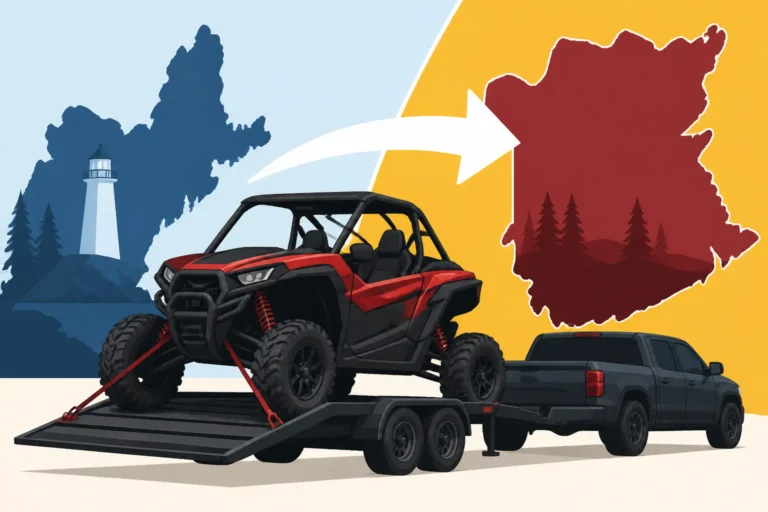
Moving to a new province is already a monumental task, filled with boxes, new addresses, and figuring out where the best coffee shop is. But when you add bringing your beloved ATV or UTV into the mix, it can feel like a whole new layer of bureaucracy. This guide is here to walk you through the specifics of registering your off-road vehicle in New Brunswick as a new resident, ensuring you get on those incredible trails without a hitch.
Welcome to New Brunswick: Bringing Your ATV/UTV Across the Border
Congratulations on your move to the beautiful province of New Brunswick! Whether you've come for the stunning coastline, the vibrant communities, or the endless outdoor adventures, you're in for a treat. However, one of the first things many outdoor enthusiasts realize is that provincial regulations for off-road vehicles (ORVs) can differ significantly from what they're used to. It's not as simple as just changing an address on your existing registration, and getting this right from the start will save you a lot of headaches and potential fines down the road.
Why Your Previous Registration Won't Cut It
You might be thinking, "My ATV is already registered in Ontario/Quebec/Maine, why do I need to do it again?" And that's a perfectly valid question, one that many new residents ask. The reality is, each province and state has its own unique set of laws governing ORV ownership, operation, and trail access. Your previous registration certificate and plate are tied to the regulations of that specific jurisdiction. When you become a resident of New Brunswick, your vehicle must comply with New Brunswick's Off-Road Vehicle Act. This means you'll need a new New Brunswick registration certificate and plate to legally operate your machine here.
It can feel like a bit of a bureaucratic hoop jump, especially if your old registration is still perfectly valid where you came from. But think of it this way: New Brunswick has its own system for tracking machines, collecting provincial taxes where applicable, and ensuring that all ORVs on its trails are accounted for. This helps fund trail maintenance, safety initiatives, and enforcement. So, while it's an extra step, it's a necessary one to become a fully compliant and welcome member of the New Brunswick riding community. It's all part of the process covered in [New Brunswick ORV Registration Explained].
The Importance of a Smooth Transition
Let's be real, nobody wants to start their new life in New Brunswick with an unexpected fine. Getting your ATV or UTV properly registered as soon as you settle in is crucial for several reasons. First and foremost, it keeps you on the right side of the law. Operating an unregistered ORV in New Brunswick can lead to significant penalties, and trust me, you'd rather spend that money on gas for a long trail ride than a ticket.
Beyond avoiding fines, a smooth transition means you can actually enjoy your machine sooner. New Brunswick boasts an incredible network of trails, thanks to organizations like QuadNB, and you'll want to explore them! Having all your paperwork in order means you can confidently hit the trails, join local clubs, and fully immerse yourself in the vibrant riding culture here. It sets you up for hassle-free riding, allowing you to focus on the fun and adventure that awaits you across the province.
The Paperwork Puzzle: What You'll Need to Register Your Out-of-Province Machine
Now, let's talk brass tacks: the documents you'll need. This is often where people get tripped up, so it's best to have everything organized before you head to a Service New Brunswick centre. Think of it like gathering all the pieces of a puzzle – once you have them all, putting them together is much easier.
Proof of Ownership is Paramount
The absolute cornerstone of any vehicle registration, especially when bringing a machine from another province or country, is undeniable proof of ownership. Without this, Service New Brunswick simply cannot issue a new registration in your name.
If you recently purchased your ATV or UTV, you'll need the original bill of sale. This document clearly states who sold the machine to you, who bought it, the date of sale, and the price. If you purchased it privately and perhaps only have a handwritten note, it's a good idea to formalize it. Services like LawDepot offer customizable bill of sale templates that ensure all the necessary information is included, making it more professional and less likely to cause issues at the counter. Having a robust bill of sale will show a clear chain of ownership and help calculate any applicable sales tax in New Brunswick, particularly if you're coming from a province with different tax rules.
If you've owned your machine for a while, you'll need the original registration certificate or title from your previous jurisdiction. This document serves as proof that the vehicle was legally registered to you there. It's crucial that this document is the original; photocopies generally aren't accepted. Make sure it's in your name and matches your identification. If you've somehow misplaced this critical document, you'll need to contact the motor vehicle authority in your previous province or state to obtain a certified copy or duplicate before you can proceed here. Trying to register without solid proof of ownership is a non-starter.
Your New Brunswick Residency and Identity
Beyond proving the machine is yours, you need to prove you are now a resident of New Brunswick. This establishes your eligibility to register a vehicle in the province.
First, you'll need valid identification. Ideally, this would be your New Brunswick driver's license. If you've just moved here and are still in the process of transferring your driver's license, bring your out-of-province license along with any temporary New Brunswick ID or proof of application for your provincial license. They need to confirm your identity matches the ownership documents.
Secondly, you'll need proof of your New Brunswick address. This is critical to ensure the registration is linked to your new home. Acceptable documents typically include a utility bill (power, water, internet), a signed lease agreement for your residence, a mortgage statement, or even a recent bank statement showing your new New Brunswick address. Make sure the address on these documents matches what you'll be putting on the registration application. This ties into the general requirements for [New Brunswick Registration and Proof of Address].
The Machine's Details: VIN and Odometer
Don't forget the specifics of the machine itself. The Vehicle Identification Number (VIN) is paramount. This unique 17-character code identifies your specific ATV or UTV and is used by Service New Brunswick to verify details and ensure it's not reported as stolen. Make sure the VIN on your ownership documents perfectly matches the VIN stamped on the frame of your machine. It's a good idea to write it down or take a clear photo before you go to the service centre.
While not always required for ORVs in the same way it is for cars, having the current odometer or hour meter reading for your machine is a good practice. Some forms or clerks might ask for it, particularly if the machine is newer or if there are any doubts about its history. Being prepared with this information just makes the process smoother and faster.
| Document Type | Specific Requirement | Importance |
|---|---|---|
| Proof of Ownership | Original Bill of Sale or Previous Jurisdiction Title | Essential to prove you legally own the machine. |
| Personal ID | New Brunswick Driver's License or Valid Photo ID | Confirms your identity as the new owner. |
| Proof of Residency | Utility Bill, Lease Agreement, Mortgage Statement | Establishes you as a New Brunswick resident. |
| Vehicle Details | Clear VIN (Vehicle Identification Number) | Unique identifier for your machine. |
| Other (Optional) | Odometer/Hour Meter Reading, Old Registration Plate | Good to have on hand for comprehensive details or for return if required. |
The Registration Process: Step-by-Step for New Residents
Once you've got all your documents in hand, you're ready to tackle the actual registration process. While some vehicle renewals can be done online, bringing an out-of-province ORV into New Brunswick for the first time usually requires an in-person visit.
Visiting a Service New Brunswick Centre
The most common and often the only way to initially register an out-of-province ATV or UTV as a new resident is by visiting a Service New Brunswick centre. These centres are located throughout the province, and you can usually find the closest one with a quick search online. It's recommended to go during off-peak hours if possible, as wait times can vary.
When you go, make sure you bring every single document we discussed previously. It's better to have too much than not enough. The staff at Service New Brunswick are there to help, but they can only process your request if all the necessary information and original documents are presented. Trying to do this online or over the phone simply won't work for a first-time registration as a new resident because they need to verify your original out-of-province documents and establish your new residency in person. For locations, check out [New Brunswick Service Centres That Register ORVs].
Filling Out the Application for Vehicle Registration
At the Service New Brunswick counter, you'll be provided with an "Application for Vehicle Registration" form. This form is fairly standard, but it's important to fill it out accurately. You'll need to provide your personal information (name, address, contact details) and detailed information about your ATV or UTV (make, model, year, VIN, type of ORV like ATV, UTV, dirt bike, or side-by-side). They will use your ownership documents to verify these details.
Don't be surprised if they also inquire about the purchase price of your machine, especially if your bill of sale is recent. New Brunswick has Harmonized Sales Tax (HST), and if you haven't paid the provincial portion of sales tax on the machine when you moved it here, you might be required to pay it during the registration process. This is a common point of confusion for new residents, but it ensures everyone contributes fairly. This is often covered in detail when discussing [New Brunswick HST on an ATV Purchase]. If you’re unsure, ask the Service New Brunswick staff. They’re usually very helpful in clarifying tax obligations for newly registered machines.
Paying the Fees and Getting Your Plate
Once your application is complete and all documents are verified, you'll proceed to pay the required registration fees. The exact fee will depend on the type of ORV you are registering. For instance, the registration fee for an ATV is typically different from that of a dirt bike or a side-by-side. You can find general information on these costs under [New Brunswick ORV Registration Cost].
Upon payment, you'll be issued your new New Brunswick ORV registration plate and a temporary registration certificate right on the spot. Your official registration certificate will usually be mailed to your new New Brunswick address within a few weeks. It's vital to remember that all New Brunswick ORV registrations expire on December 31st of the year they are issued, regardless of when you registered it. This means your first registration might be for less than a full year, but the renewal process is much simpler. Keep this in mind when you read about [New Brunswick Registrations Expire December 31]. You’ll then need to renew annually to keep your machine legal for the trails.
Beyond Registration: Insurance, Safety, and Getting on the Trails
So, you've got your New Brunswick plate and registration certificate – fantastic! But before you can hit the extensive trail network, there are a few more critical steps you need to take. Registration is one hurdle, but safely and legally operating your machine involves a few other considerations unique to New Brunswick.
Essential Insurance for the Trails
Having your machine registered is a huge step, but it’s only half the battle when it comes to legal operation on New Brunswick trails. The province mandates that all off-road vehicles operated on designated trails must carry liability insurance. This isn't just a suggestion; it's a legal requirement. You can find more specific details under [New Brunswick Requires Insurance on Trails]. This insurance protects you financially in case of an accident where you are at fault, covering damage to property or injury to others.
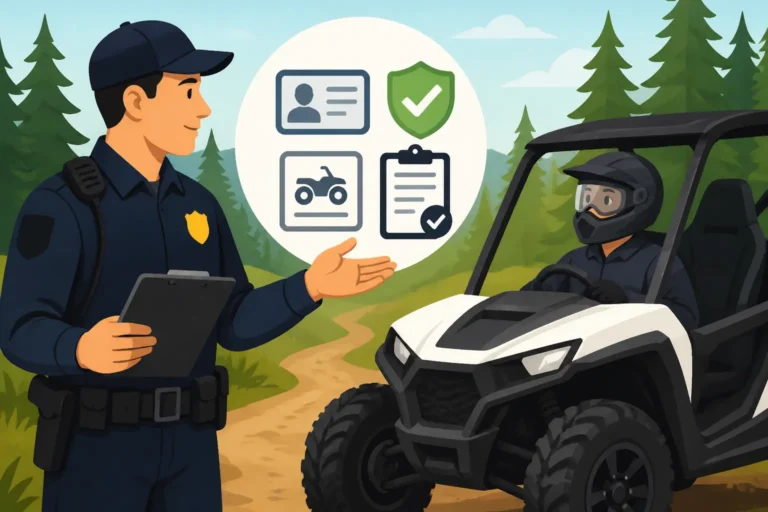
It’s wise to start getting quotes from insurance providers as soon as you know your registration is sorted. Many insurance companies offer specific ORV policies. While liability is mandatory for trail use, you might also consider additional coverage like collision or comprehensive, especially if your ATV or UTV is new or valuable. Remember, you must be able to produce proof of insurance if requested by law enforcement or a trail warden, so keep a copy of your policy documents on your machine. This is crucial as per [New Brunswick Proof of Insurance on the Machine]. Don't leave home without it.
Safety Courses and Age Requirements
New Brunswick takes ORV safety seriously, and rightfully so. To ensure all riders are equipped with the knowledge and skills to operate safely, there are mandatory safety training requirements, particularly for younger riders. If you or anyone who will be operating your machine is under a certain age, a certified safety course is often a prerequisite. For instance, young riders between the ages of 14 and 15 must successfully complete a safety training course and hold a Class 9 driver's licence to operate an ORV. Adults over 16, while not always mandated to take a course, are highly encouraged to do so, especially if they are new to ORV riding or haven't ridden in a while.
These courses cover everything from basic machine operation and maintenance to trail etiquette, environmental considerations, and emergency procedures. Investing a little time in a safety course can prevent accidents and ensure everyone has a more enjoyable experience. You can get more information on what these courses entail and where to find them by looking into [New Brunswick Quad Safety Course Explained] or [New Brunswick ATV Age Requirements] for specific age-related rules.
Getting Your Trail Permit
Finally, with your machine registered and insured, the last piece of the puzzle for trail access is acquiring a trail permit. In New Brunswick, the vast majority of managed trails are maintained by the QuadNB Federation and its member clubs. To ride on these trails, you need a valid QuadNB trail permit. This permit acts as your membership fee to the federation and helps fund the maintenance, grooming, and signage of the extensive trail network.
There are different types of permits available, including groomed and non-groomed, and even short-term day or week permits for visitors. Which one you choose depends on when and where you plan to ride. For example, a groomed permit covers year-round access on designated groomed trails, whereas a non-groomed permit typically applies to three-season trails. It's important to understand the distinctions, which you can read about in [New Brunswick Groomed vs Non-Groomed Permits]. You can purchase these permits from many local dealerships, QuadNB member clubs, or sometimes even online. Once you have it, display the sticker prominently on your machine as instructed, and get ready to explore the stunning New Brunswick wilderness!
Disclaimer
This article is for general informational purposes only and does not constitute professional advice. Laws, prices and regulations vary by location and change over time. Consult a qualified professional for guidance on your specific situation.