Replacing a Peeled Sticker
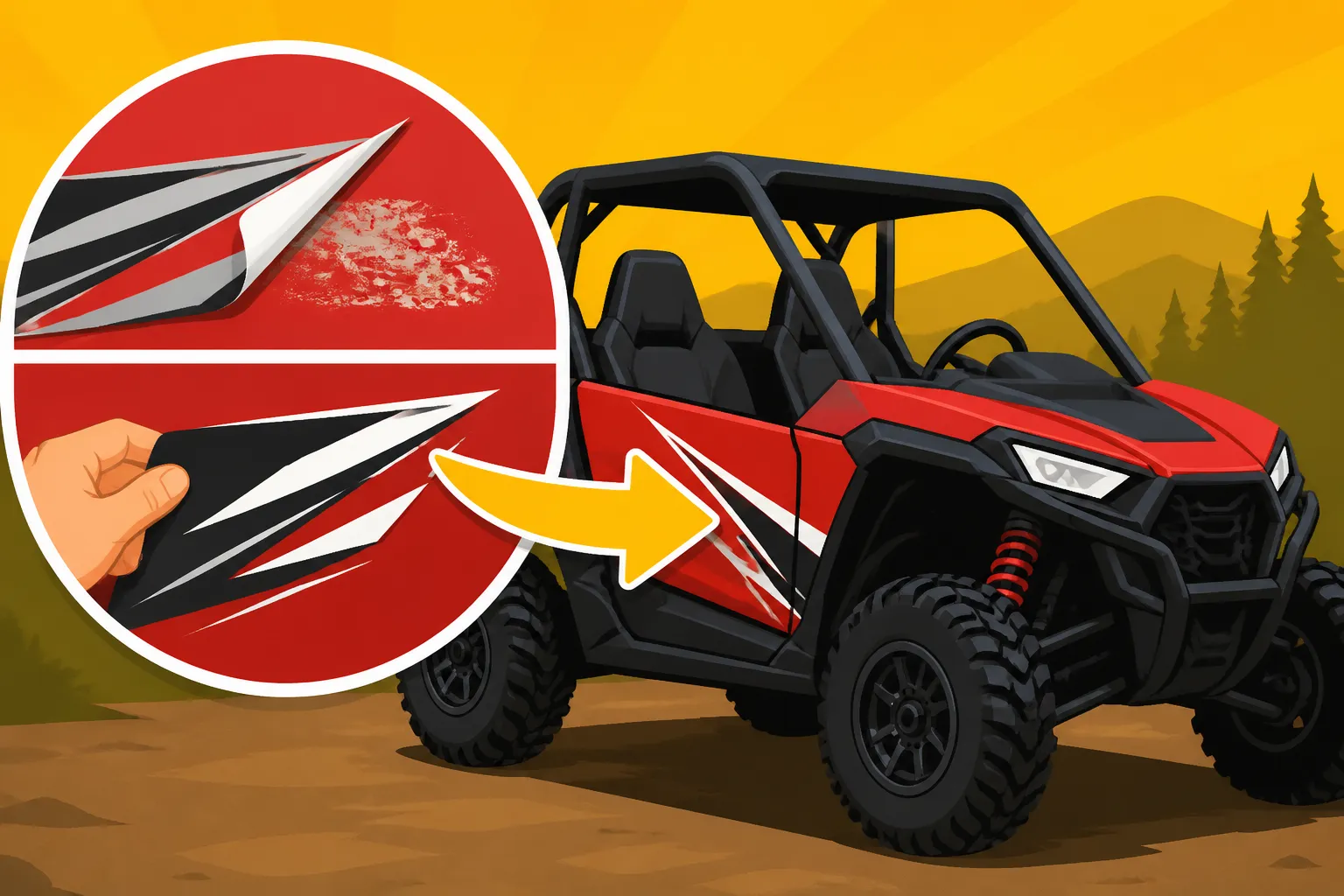
It's incredibly frustrating, isn't it? You head out for a perfect day on the trails, only to notice that the crucial little sticker on your ATV or side-by-side's plate is looking worse for wear. Maybe it's faded from all those sunny rides, or perhaps it's started peeling at the edges, flapping in the wind like a tiny, annoying flag of non-compliance. You immediately think of potential headaches with law enforcement or trail patrols. This guide is here to walk you through exactly what to do when your New Brunswick registration sticker decides to give up the ghost, ensuring you stay legal and stress-free on the trails.
Why Your Sticker Might Be Peeling or Fading
Let's face it, our ATVs and UTVs are tough machines built for tough environments. But those little stickers, while designed to be durable, aren't completely invincible. It's a common issue, and understanding why it happens can help you appreciate why replacements are sometimes necessary.
Environmental Factors and Wear and Tear
New Brunswick weather is a beast, offering everything from scorching summer sun to freezing winter snow and ice, often within the same week! Your registration sticker, perched prominently on your machine, takes a direct hit from all of it. UV rays from the sun are notorious for fading colours and weakening adhesive over time, turning that vibrant green or blue into a ghostly pastel. Rain, mud, and splashing through puddles constantly assault the sticker, trying to work their way underneath the edges. Think about the constant vibration from engine use and trail bumps, the abrasive effects of dust and grit, or even the occasional brush with a low-hanging branch on a tight trail. All of these contribute to the natural wear and tear that can cause peeling or fading. It's not usually a sign of a cheap sticker, but rather a testament to the life your machine leads out on the challenging trails of New Brunswick.
Another common culprit is aggressive cleaning. While it's great to keep your machine sparkling, a high-pressure wash aimed directly at the sticker can quickly force water beneath the edges, leading to premature peeling. Even vigorous scrubbing with a brush or cloth can snag an edge and start the process. This isn't to say you shouldn't clean your machine, but it highlights the need for a little extra care around that vital piece of identification. Over time, the adhesive itself can simply degrade, losing its grip on the plastic or metal of your ATV, especially if the machine is frequently stored in extreme temperatures.
Improper Application
Sometimes, the problem isn't the sticker itself or the environment, but how it was applied in the first place. When you first get your registration sticker, whether it's for a new machine or a renewal, the application process might seem straightforward, but a few missteps can lead to problems down the road. For instance, if the surface where the sticker is to be applied wasn't perfectly clean and dry, any dust, dirt, or moisture trapped underneath can prevent the adhesive from bonding properly. It's like trying to put a bandage on a dusty knee – it just won't stick.
Applying a sticker in cold weather can also be an issue. The adhesive might not cure effectively, making it brittle and less likely to adhere firmly to the surface. Similarly, if there's any condensation or humidity when the sticker goes on, that moisture can become trapped and eventually compromise the bond. We've all been in a hurry to get out and ride, and sometimes that rush means we don't take the extra minute or two to properly prepare the surface or ensure a bubble-free application. Those small bubbles can become weak points where water and grime can start to infiltrate, leading to those annoying peeled edges we're trying to fix. Getting it right the first time can save you a trip later, but don't fret if it's too late – replacements are readily available.
The Importance of a Visible, Valid Sticker
You might be thinking, "It's just a sticker, what's the big deal?" But in New Brunswick, that small decal carries a lot of weight. It's not just decoration; it's a critical component of your machine's legal status and your access to the province's incredible trail network. Ignoring a peeled or faded sticker can lead to consequences that no rider wants to face.
Avoiding Fines and Demonstrating Compliance
That little sticker is your immediate, visual proof that your ATV or UTV is properly registered for the current year. When a conservation officer, RCMP officer, or even a local peace officer pulls up alongside you on a trail, one of the first things they'll look for is that valid sticker. If it's so faded that the year or colour code is illegible, or if it's peeling off so badly that it looks like it could have been swapped from another machine, it raises red flags. This can lead to them questioning your compliance, potentially stopping you for a closer inspection, and asking for your other documentation like your registration certificate and proof of insurance.
The worst-case scenario? If your sticker is completely gone, unreadable, or perceived as tampered with, it could be seen as riding an unregistered machine. We've all heard the stories, or maybe even experienced it ourselves – fines for non-compliance can be hefty. For example, the [New Brunswick No-Registration Fine of $172.50] is a clear indicator that the authorities take this seriously. Having a clear, intact sticker is one of the easiest ways to demonstrate that you're a responsible rider who respects the rules and regulations designed to keep everyone safe and the trails accessible. It's a small piece of plastic, but it speaks volumes about your adherence to the Off-Road Vehicle Act.
Trail Access and Club Requirements
Beyond just avoiding fines, a valid and visible registration sticker is often your passport to the vast network of managed trails across New Brunswick. Organizations like QuadNB, which maintain thousands of kilometres of trails, rely on these visual cues to ensure that only registered and permitted machines are using their infrastructure. When you purchase a trail permit, part of that agreement is to display your valid registration and permit stickers properly. If you're out riding and encounter a trail patrol or club volunteer, they will be [Checking Your Plate Sticker Is Still Valid] along with your trail permit.
Imagine planning a fantastic weekend ride with friends, only to be turned back at a trailhead because your sticker is unreadable. It’s a real buzzkill. Many clubs have strict policies, and for good reason: the fees from registrations and permits contribute directly to trail maintenance, signage, and insurance, which benefits all riders. Without a clear sticker, it's difficult for them to verify your compliance, and they might err on the side of caution. It's about collective responsibility and ensuring the sustainability of our beloved trail system. So, keeping that sticker in tip-top shape isn't just about avoiding a ticket; it's about being a good steward of the trails and showing respect for the community that maintains them.
How to Replace Your Peeled or Faded Sticker in New Brunswick
Alright, so you've assessed the situation, and your sticker definitely needs replacing. Don't worry, the process in New Brunswick is fairly straightforward, and it's designed to get you back on the trails with minimal hassle. It's certainly not something to dread!
What You'll Need and Where to Go
Before you head out, gather a few essential items to make the replacement process as smooth as possible. Firstly, you'll absolutely need your existing ORV registration certificate. This document proves that the machine is indeed registered to you and that you're the rightful owner requesting the replacement. It's the primary piece of identification for your ATV or UTV. Secondly, make sure you have a valid form of personal identification, such as your driver's license. This confirms your identity as the registered owner. While you might not always be asked for it for a simple sticker replacement, it's always better to have it on hand to avoid any delays.
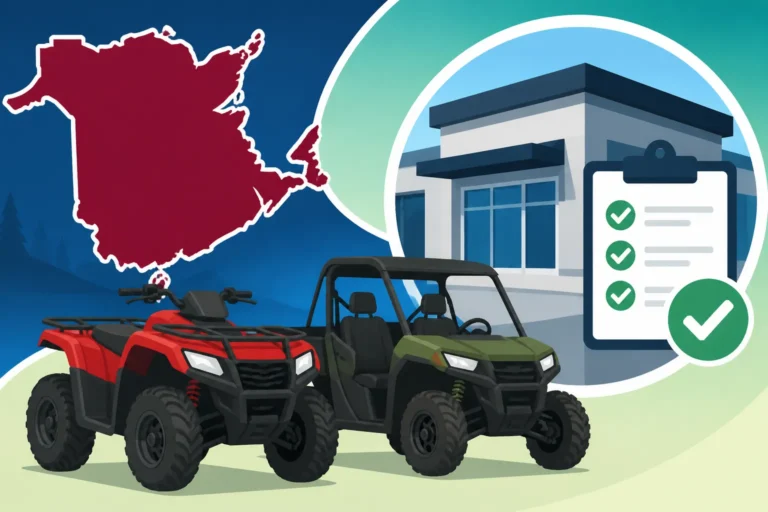
When it comes to where to go, your destination will be a Service New Brunswick centre. These are the government service hubs that handle all things related to vehicle and ORV registration in the province. There are many [New Brunswick Service Centres That Register ORVs] located in communities across the province, so you should be able to find one that's convenient for you. While some services can be done online or by phone, a physical sticker replacement usually requires a visit in person, as they need to issue you a new physical decal. There will be a small administrative fee for the replacement sticker. This fee covers the cost of producing and issuing the new decal, and while I can't give you an exact current price, it's generally a nominal amount, definitely much less than a fine for non-compliance. Be prepared to pay this fee when you request your replacement.
The Application Process for a Replacement
Once you arrive at a Service New Brunswick centre with your documents in hand, the process is pretty quick and painless. Head to the counter and explain that you need a replacement registration sticker for your Off-Road Vehicle because your current one is peeled, faded, or otherwise damaged. They might ask to see your registration certificate and personal ID. In some cases, depending on their internal procedures, they might have a quick form to fill out, or they might simply process it directly in their system.
The friendly staff will then verify your information and machine details. After confirming everything, you'll pay the replacement fee. Unlike some other vehicle-related transactions that might involve waiting for something to be mailed, you'll typically receive your new registration sticker right then and there. This means you can often get it sorted out in a single visit and be ready to reapply it to your machine almost immediately. This efficiency is great because it minimizes your downtime and gets you back to what you love doing: riding! Remember, this process is specifically for the sticker; if your entire registration plate is damaged, that's a slightly different process with its own set of considerations.
Tips for Applying Your New Sticker
Getting a new sticker is only half the battle; applying it correctly ensures it lasts and doesn't end up peeling again in a few months. First and foremost, choose the right location. In New Brunswick, the registration sticker is typically affixed directly to the registration plate, often in a designated corner or area. However, the larger trail permit sticker from QuadNB usually goes on the left front fender of your machine, so make sure you're putting the registration sticker in its proper place on the plate.
Preparation is key. Before applying the new sticker, thoroughly clean the surface where it will go. Use rubbing alcohol or an automotive-specific surface cleaner to remove any dirt, grime, or adhesive residue from the old sticker. Let it dry completely. A clean, dry surface ensures the best possible bond. Try to apply the sticker in mild, dry weather conditions – avoid extreme cold, heat, or humidity. Peel off the backing slowly and carefully, trying to avoid touching the adhesive side. Position the sticker precisely, then apply it from one edge to the other, smoothing out any air bubbles as you go with your thumb or a credit card. Press firmly over the entire surface to ensure a strong, even bond. Taking these few extra minutes can significantly extend the life of your new sticker and keep you compliant for the long haul. Remember, your trail permit sticker usually goes on the left front fender, as detailed in [Why the Registration Sticker Goes on the Left Fender], but the registration sticker itself always adheres to the plate.
Common Questions About Sticker Replacement
Even a simple process like replacing a sticker can spark a few common questions. It's always good to be fully informed so there are no surprises when you head to Service New Brunswick. Let's tackle some of the things riders often wonder about this particular task.
Is There a Cost for a Replacement Sticker?
Yes, there is indeed a cost associated with replacing your registration sticker in New Brunswick. While it might seem like a small item, it's considered an administrative service, and Service New Brunswick charges a nominal fee for issuing a new decal. This isn't a penalty, but rather a standard charge to cover the processing and production of the replacement.
I can't provide the exact dollar amount here, as fees can change, but generally, it's a relatively small fee compared to the initial registration cost or, more importantly, the fines you could face for riding with an invalid or unreadable sticker. It's always a good idea to check the Service New Brunswick website or give them a quick call before you visit to confirm the current fee, so you're not caught off guard. Paying this small fee is a minor inconvenience that saves you a potentially much larger headache down the trail.
What If My Entire Plate is Damaged?
This is a great question, and it's important to distinguish between replacing just the sticker and replacing the entire registration plate. If your plate itself is bent, cracked, unreadable, or lost – essentially, if it's no longer fit for purpose – then you'll need to go through the process of getting a full replacement plate, not just a sticker. This situation is more serious because the plate carries the unique identifier for your machine, and a damaged one can render your vehicle effectively unregistered in the eyes of the law.
The procedure for [When a Bent or Faded Plate Needs Replacing] is similar in that you'll still visit a Service New Brunswick centre and need your registration certificate and ID. However, the fees will be different, and the process might involve a bit more paperwork, as they're essentially replacing a core identification component. You might also have to surrender your damaged plate if you have it. Always be clear when you visit Service New Brunswick whether you need just a sticker or the entire plate to ensure they guide you through the correct process.
Can I Replace It Online or By Phone?
While Service New Brunswick offers a growing number of services online and over the phone for convenience, replacing a physical registration sticker typically requires an in-person visit. The reason is simple: they need to hand you the physical sticker. Unlike renewing your registration, which often can be done electronically and a new sticker mailed to you, a specific replacement request for a damaged or peeled sticker usually means you'll pick it up on the spot.
However, it's always a good idea to check the Service New Brunswick website or make a quick phone call before you head out. Policies can evolve, and there might be specific circumstances or updates to their services. For example, you can [New Brunswick Renewal by Phone] or [New Brunswick Renewal Online] for your full registration, which includes a new sticker being mailed, but if you've already received that and then it peels, an in-person visit for a new sticker is the most common route. Generally, for replacing a damaged sticker (not just receiving a new annual one), expect to swing by a service centre.
Here's a quick overview of the sticker replacement process:
| Aspect | Detail |
|---|---|
| Purpose | Replace peeled, faded, or damaged ORV registration sticker |
| Where to Go | Any Service New Brunswick centre |
| Documents Needed | Current ORV registration certificate, valid personal ID (e.g., driver's license) |
| Cost | Small administrative fee (check SNB for current amount) |
| Turnaround Time | Typically issued on the spot during your visit |
| Application Tips | Clean surface, dry conditions, apply firmly, smooth out bubbles |
| Location on Machine | Affix to the ORV registration plate (not the fender, which is for trail permits) |
Disclaimer
This article is for general informational purposes only and does not constitute professional advice. Laws, prices and regulations vary by location and change over time. Consult a qualified professional for guidance on your specific situation.