Permission From a Woodlot Owner
We've all been there: you're itching to get out on your ATV or side-by-side, but the public trails feel a little crowded, or you've spotted a gorgeous stretch of woods road that looks perfect for a quiet ride. The problem? It's often private land, and riding without permission can land you in a heap of trouble. It's frustrating to see enticing trails and not know how to respectfully gain access. This guide is all about navigating that tricky landscape, showing you exactly how to approach New Brunswick woodlot owners, build trust, and secure permission to ride responsibly on their private property, keeping everyone happy and safe.
The Basics of Private Land Access for Riders
The allure of untouched trails, fewer crowds, and the freedom to explore at your own pace on private land is undeniable for any off-road enthusiast. However, this isn't simply a matter of finding a spot and riding. Private property comes with its own set of rules and, more importantly, its own owner with legal rights and concerns. Understanding these fundamentals is your first step towards gaining respectful access.
Why Permission Isn't Just a "Nice-to-Have"
Let's be blunt: riding on private land without permission is trespassing, plain and simple. In New Brunswick, this isn't just a minor infraction; it carries real consequences. You could face significant fines, and in some serious cases, your machine could even be impounded. Imagine planning a fun day out only to end up with a hefty ticket and your quad towed away because you didn't take the time to ask first. It's a costly mistake that's entirely avoidable.
Beyond the legal penalties, there's the critical issue of liability. Many landowners are hesitant to allow riders because they worry about potential accidents and being held responsible if someone gets hurt on their property. This is a very real concern for them. It's not just about what you do, but what could happen. While there are some nuances to landowner liability laws, the peace of mind that comes from a clear agreement is invaluable. Demonstrating that you understand and respect their concerns is paramount to building any kind of rapport. Remember, a landowner's property is their responsibility, and they have every right to protect it from potential issues. To learn more about the legal framework, you might want to read up on [New Brunswick Trespass Law for Riders].
Identifying Potential Woodlots and Owners
So, you've seen a promising patch of woods. How do you figure out who owns it? This can be the trickiest part, but it's crucial. Your best bet is often to start by visiting your local Service New Brunswick office. They may have resources or be able to point you in the right direction for property records. Sometimes, local municipal offices can also help with property information, especially in more rural areas. There are often online property search tools, but their accessibility and detail can vary across the province.
Another common tactic is to simply ask around. If the land is near a residential area, a neighbour might know who owns the adjacent woodlot. This approach can be a bit like detective work, but it's essential legwork.
It's also important to distinguish between private land and Crown land. New Brunswick has a vast amount of Crown land, and while there are rules for riding there, they differ significantly from private property. You don't need a landowner's permission for Crown land, but you still need to respect regulations. If you're unsure, always assume it's private and seek permission. For details on public access, check out [Who to Ask Before Riding New Brunswick Crown Land]. When you're looking for land, try to identify woodlots that might be less actively managed or are already adjacent to existing official trails. These owners might be more amenable to allowing careful riders, especially if they see your presence as a form of informal surveillance against illegal dumping or other unauthorized activities.
Making the Approach: Respectful Engagement
Once you've identified a potential woodlot and its owner, the next step is to make contact. This stage requires patience, politeness, and a genuine understanding of their perspective. Your goal here isn't just to ask for something, but to open a dialogue and build a trusting relationship.
The Initial Contact: How and What to Say
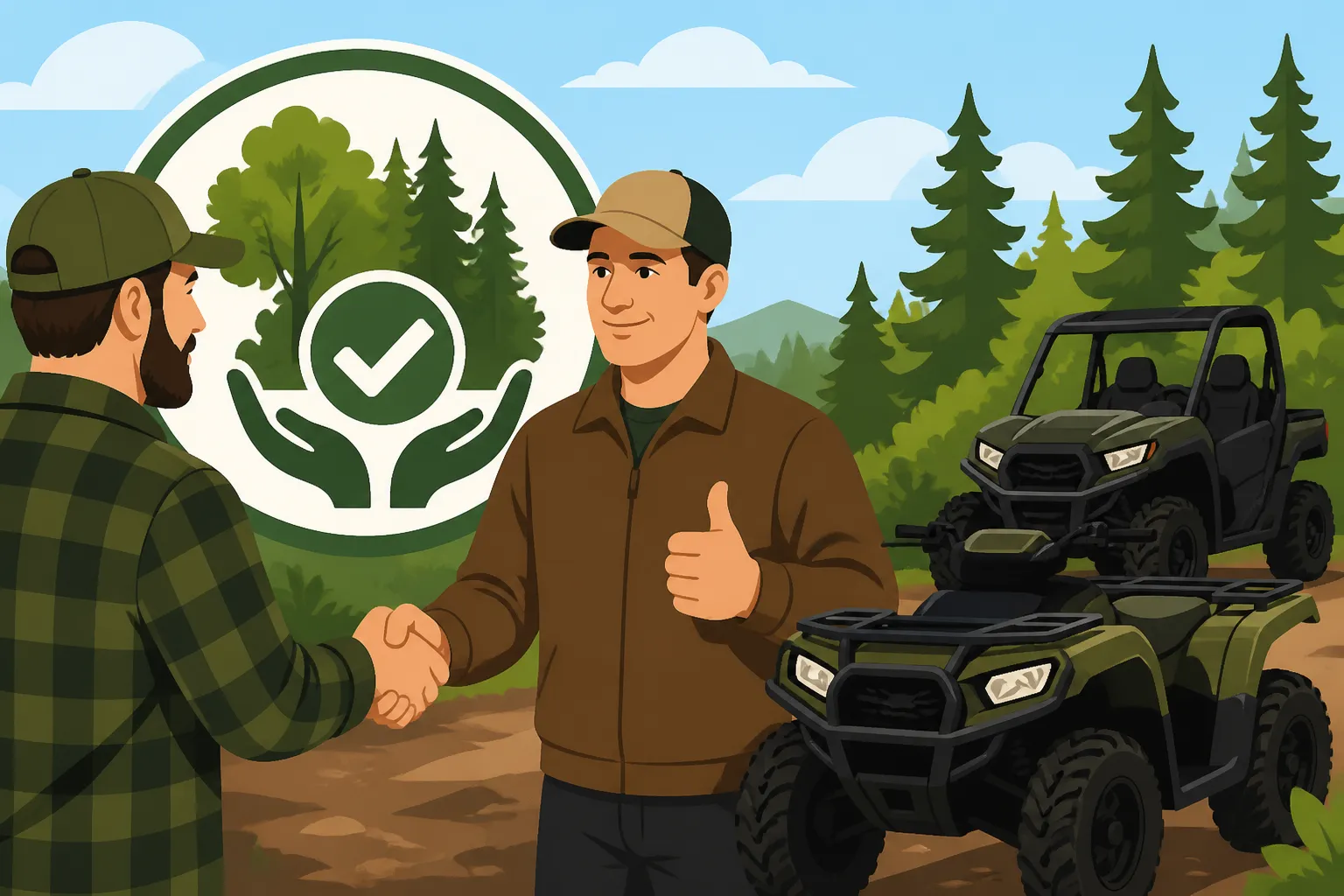
How you first reach out can make all the difference. While a phone call can be convenient, an in-person visit often leaves a stronger, more positive impression. It shows you're serious, willing to make an effort, and gives the owner a chance to meet you face-to-face. If you do go in person, make sure it's at a reasonable time, and respect their schedule if they seem busy. If an in-person visit isn't feasible, a polite phone call or even a well-written letter explaining your intentions can work.
When you do make contact, be clear, concise, and respectful. Introduce yourself, state where you live (if appropriate and relevant), and explain why you're calling. For example: "Hello, my name is [Your Name], and I live nearby on [Your Road]. I'm an ATV enthusiast, and I've noticed your beautiful woodlot. I was wondering if you ever allow responsible riders to use some of your trails or access roads for recreation." Be prepared to offer your contact information, including a phone number and email address, so they can reach you if needed.
Crucially, what you don't say is just as important. Never demand access or act entitled. Avoid making assumptions that they should let you ride. The tone should be one of humble request, emphasizing your commitment to responsible riding. It's a good idea to have a simple map on hand, whether on paper or on your phone, to point out the specific areas you're interested in riding. This helps the landowner visualize your request and can alleviate concerns about you venturing into sensitive areas.
Addressing Landowner Concerns and Building Trust
Landowners often have very valid concerns when it comes to allowing strangers on their property. Anticipating these concerns and having thoughtful answers ready can go a long way in building trust. Here are some common worries and how you can address them:
- Property Damage: They might fear ruts, erosion, or damage to gates and fences. You can explain that you'll stick to existing trails or roads, ride carefully, and promise to repair any accidental minor damage. Perhaps you use high-quality tires that are less prone to tearing up soft ground, or you're equipped with recovery gear like a
SuperATVwinch, so you don't have to tear up their property if you get stuck. - Fire Risk: Especially in dry seasons, this is a major concern. Assure them you're aware of fire risks, carry a small extinguisher (if applicable), and will never smoke or build fires on their land. You'll also be mindful of your machine's exhaust system, ensuring it's in good working order to prevent sparks.
- Liability: As mentioned, this is a big one. You can explain that you carry liability insurance on your ATV, which is actually required by law for riding on designated trails in New Brunswick. While the rules around private land and insurance can vary, clearly stating you have coverage shows you're a responsible operator. [New Brunswick Requires Insurance on Trails] covers the general requirements, but it's good to specify that you're personally insured. The [New Brunswick Owner-Only Private Land Exemption] is an important distinction to understand here, as it may affect their perceived liability if they aren't charging you for access.
- Noise and Disturbance: Promise to ride quietly and respect their peace and that of their neighbours. Explain that you won't be doing donuts or excessively revving your engine.
- Garbage and Litter: This is a common complaint. Assure them you operate on a "pack it in, pack it out" principle, leaving absolutely no trace of your visit.
- Security and Trespass by Others: Interestingly, your presence, especially if you're a regular, can sometimes be a benefit. You might offer to keep an eye on their property, reporting any suspicious activity, illegal dumping, or damage you notice to them. This can turn a potential risk into a watchful ally.
By openly discussing these points and offering solutions, you demonstrate that you're not just looking for a place to play, but that you're a considerate individual who understands and respects their property.
Setting the Terms: What to Agree On
If a landowner is open to the idea, this is where you solidify the details. Don't leave anything to assumption. Clear communication now will prevent misunderstandings and potential issues down the line. Think of this as drafting a simple, informal contract of respect and shared understanding.
Key Discussion Points for Safe and Respectful Riding
Before you even think about starting your engine, have a thorough conversation about the "how, when, and where" of your riding.
- Specific Areas of Access: Clearly define where you can and cannot ride. Is it only on existing logging roads? Can you use certain trails? Are there areas that are off-limits (e.g., near sensitive wildlife habitats, reforestation efforts, or residential boundaries)? Perhaps you can walk the property together initially to map out the acceptable routes.
- Operating Hours and Days: Agree on specific times of day or days of the week when riding is permitted. This helps avoid disturbing the owner or their neighbours at inconvenient times. Some landowners might prefer you ride only during daylight hours, or avoid certain days when they are often on their property.
- Seasonal Restrictions: Certain seasons might have specific restrictions. For instance, some landowners might ask you to avoid riding during wet periods to prevent excessive rutting, or during hunting season to avoid interfering with hunters. [Hunting Season and Trail Sharing] is a common consideration.
- Speed and Noise Limits: Discuss acceptable speed limits, especially near any residences or active work areas. Reiterate your commitment to quiet operation.
- Group Size: If you plan to ride with friends, specify the maximum number of machines or riders you'll bring. A solo rider might be acceptable, but a group of ten might not.
- Emergency Protocols: What should you do if you get stuck, have a breakdown, or, worst-case scenario, have an accident? Discuss how you'll communicate with them or whom to contact in an emergency. This is where having good recovery gear from brands like
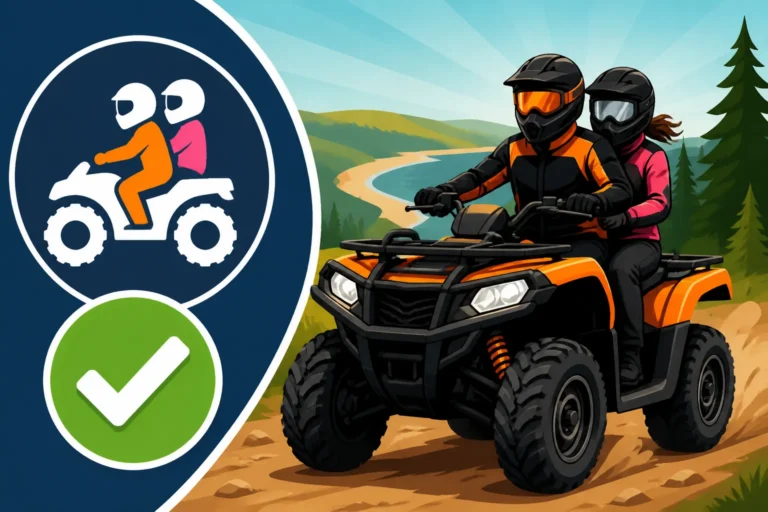
SuperATVcan reassure them, as you're less likely to need external help that might involve heavy equipment on their land. - Passenger Rules: If you plan to carry a passenger, ensure the landowner is comfortable with it, and remind them that [New Brunswick Passenger Rules on a Quad] are always in effect for safety.
Formalizing the Agreement (Optional but Recommended)
While a handshake agreement can suffice for some, a simple written agreement, even a basic one, can offer peace of mind for both parties. It doesn't need to be a complex legal document drafted by lawyers. A straightforward letter or email outlining the agreed-upon terms, signed by both you and the landowner, can prevent misunderstandings.
What to include:
- Your name and the landowner's name.
- The date the agreement begins and, if desired, an end date or review period.
- A clear description of the property (e.g., lot number or general location).
- The specific areas where riding is permitted (perhaps referencing a simple sketch map).
- Any agreed-upon restrictions (hours, seasons, speed, group size).
- A statement acknowledging your responsibility for your own actions and a commitment to safe, respectful riding.
- Your contact information and theirs.
This written record serves as a reference point for both of you. It's not about distrust; it's about clarity. Once you have this, make sure to carry a copy of it with you whenever you ride on their property. Just like you carry your registration and insurance, proof of permission is another vital document. For more on what documents to carry, check out [Carrying Four Documents at Once].
| Feature | Seeking Private Land Access | Using Public/Club Trails |
|---|---|---|
| Effort to Access | High (identifying owner, negotiating terms) | Low (buy a permit, find a trailhead) |
| Riding Freedom | Potentially very high (tailored rules, unique terrain) | Moderate (designated trails, strict rules) |
| Liability | Shared responsibility, agreement helps clarity | Generally covered by club/federation insurance (with permit) |
| Crowds | Low | Moderate to High, especially on weekends |
| Maintenance | No expectation of landowner maintenance, rider self-sufficient | Regular grooming and maintenance by clubs |
| Cost | No direct cost to landowner, potential offer of help | Annual trail permit fees |
| Relationship | Personal relationship with landowner | Relationship with local club and riding community |
| Risk of Trespass | Low if permission secured | Minimal if on marked trails |
Maintaining the Relationship and Future Access
Gaining permission is a huge win, but keeping it is an ongoing responsibility. Your behavior as a rider directly impacts whether you'll be welcomed back – and whether other landowners might consider similar requests from other riders in the future. You are an ambassador for the sport.
Being a Model Rider: The Best Way to Keep Your Privilege
Once you have permission, your number one job is to honor every single agreement you made. This isn't optional; it's fundamental to maintaining trust.
- Stick to the Rules: If you agreed to only ride logging roads, don't veer off into the sensitive new growth. If you said you'd ride between 9 AM and 5 PM, don't show up at 7 AM or stay past dusk. Consistently adhering to the agreed-upon terms is crucial.
- Leave No Trace: This cannot be emphasized enough. Pack out absolutely everything you pack in, and if you see any stray litter that isn't yours, consider picking it up. Leave the property cleaner than you found it. This shows profound respect.
- Report Issues: Be the landowner's extra set of eyes. If you notice a fallen fence, unusual tire tracks, illegal dumping, or anything else amiss on their property, report it to them promptly. This demonstrates your value beyond just recreation.
- Small Gestures of Appreciation: A heartfelt thank you note, a small gift during the holidays (like homemade jam or baked goods), or even offering to help with a small chore (clearing a drain, cutting some firewood) can go a long way in solidifying the relationship. These aren't bribes; they're genuine expressions of gratitude.
- Mind Your Machine: Keep your ATV or UTV in good working order. A quiet muffler, well-maintained tires, and the ability to recover yourself if stuck (perhaps with recovery boards or a portable
SuperATVwinch) minimize your impact on their land and reduce the chance of needing the landowner's assistance.
By being an exemplary rider, you not only ensure your continued access but also build a positive reputation for the entire ATV community in the area.
When Permission is Denied or Revoked
It's important to understand that not every landowner will say yes, and even if they do, circumstances can change.
- Respect a "No": If a landowner politely declines your request, accept it gracefully. Don't argue, pester, or try to guilt-trip them. Their property, their rules. A polite thank you for their time is always the best response. There might be reasons you're not privy to, and pushing the issue will only create resentment and could paint all riders in a negative light.
- Understand Changing Circumstances: Sometimes, permission might be granted only to be revoked later. This could be due to a change in their personal circumstances, new projects on their land, or even issues caused by other riders who weren't as respectful as you. If this happens, ask for clarification if appropriate, but ultimately, respect their decision. It's their land, and they have the right to change their mind.
- Focus on Alternatives: If private land access isn't an option, or if it's withdrawn, remember that New Brunswick has an incredible network of public and club trails. The [New Brunswick ATV Trails: The QuadNB Network] offers thousands of kilometers of managed trails specifically designed for off-road vehicle use. While they might be different from a secluded woodlot, they offer vast opportunities for riding and are maintained by dedicated clubs. This extensive network means you always have a legal and enjoyable place to ride, even if private access remains elusive.
Being a responsible, respectful rider is the key to enjoying our beautiful province, whether on private land with permission or on the fantastic public trails.
Disclaimer
This article is for general informational purposes only and does not constitute professional advice. Laws, prices and regulations vary by location and change over time. Consult a qualified professional for guidance on your specific situation.