How a Local Council Bylaw Opens a Road
It’s a familiar frustration for many of us who love hitting the trails in New Brunswick: you’re out for a fantastic ride, enjoying the scenery, only to hit a paved road where the trail abruptly ends. You might need to cross it to get to the next section, or maybe you just want to pop into a nearby village for gas or a bite to eat. But without clear rules, that short stretch of road feels like an insurmountable barrier. This guide is all about demystifying how local council bylaws can actually open up these roads, creating legal pathways for your ATV or UTV to connect the dots and enhance your riding adventures.
Understanding the Legal Landscape: Province Versus Local Authority
Navigating the rules for riding ATVs and UTVs in New Brunswick can feel like a bit of a maze sometimes, especially when you’re trying to figure out where you can and can’t legally operate your machine. There’s a common misconception that all off-road vehicle rules are set at the provincial level and apply universally. While the provincial government certainly lays down the foundational laws, there’s a crucial layer of local governance that often dictates the specific access points and road usage within towns and municipalities. This dual system can be confusing, but understanding it is key to expanding your riding opportunities.
Provincial Off-Road Vehicle Act: The Foundation
The provincial Off-Road Vehicle Act is the backbone of ATV and UTV regulation across New Brunswick. It sets out the general framework for everything from registration and insurance requirements to helmet laws and age restrictions. For instance, it mandates that your ORV be registered with Service New Brunswick and that you carry proof of insurance, especially if you plan to ride on managed trails. It also defines what constitutes an off-road vehicle and outlines the basic rules for operating them safely and responsibly.
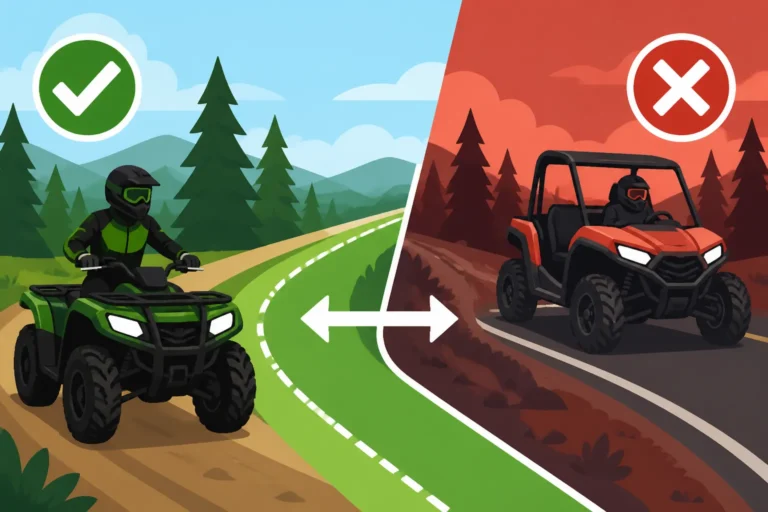
However, when it comes to riding on public roads, the provincial act generally takes a more restrictive stance. Historically, the default has been that ORVs are not permitted on highways or public roads unless specifically allowed. This blanket restriction is designed to protect public safety and maintain the flow of conventional traffic. It’s why you can’t just hop on your quad and ride down Main Street in Fredericton without a specific allowance. This foundational provincial law creates a clear distinction between designated off-road trails and the public road network.
The Gaps Provincial Law Leaves
While the provincial Off-Road Vehicle Act provides a solid framework, it can't possibly account for every unique local situation or the specific needs of individual communities. This is where the gaps appear, and often, these gaps lead to frustration for riders. Imagine a scenario where a thriving trail system is split in two by a small, quiet municipal road, or where the only gas station for miles is just off the trail but across a forbidden paved section. The provincial law, in its broad strokes, doesn't offer solutions for these hyper-local connectivity challenges.
This is precisely why municipalities and local governments have the authority to create their own bylaws, filling in these gaps. They understand their local geography, traffic patterns, and the economic benefits that responsible ORV tourism can bring. Without these local bylaws, many communities would remain cut off from valuable services or simply prevent riders from enjoying seamless journeys on trails that happen to cross short stretches of road. It’s this very need for local solutions that empowers councils to step in and tailor the rules to their specific community.
The Power of Local Bylaws: What They Can Do
When it comes to opening up roads for ATVs and UTVs, local council bylaws are incredibly powerful tools. They give municipalities the flexibility to adapt provincial rules to their specific needs and desires, often with the goal of enhancing local tourism, connecting trail systems, or allowing residents to access services more easily. It's not just about drawing lines on a map; it's about creating thoughtful, practical solutions that benefit both riders and the community.
Designating Roads for ORV Use
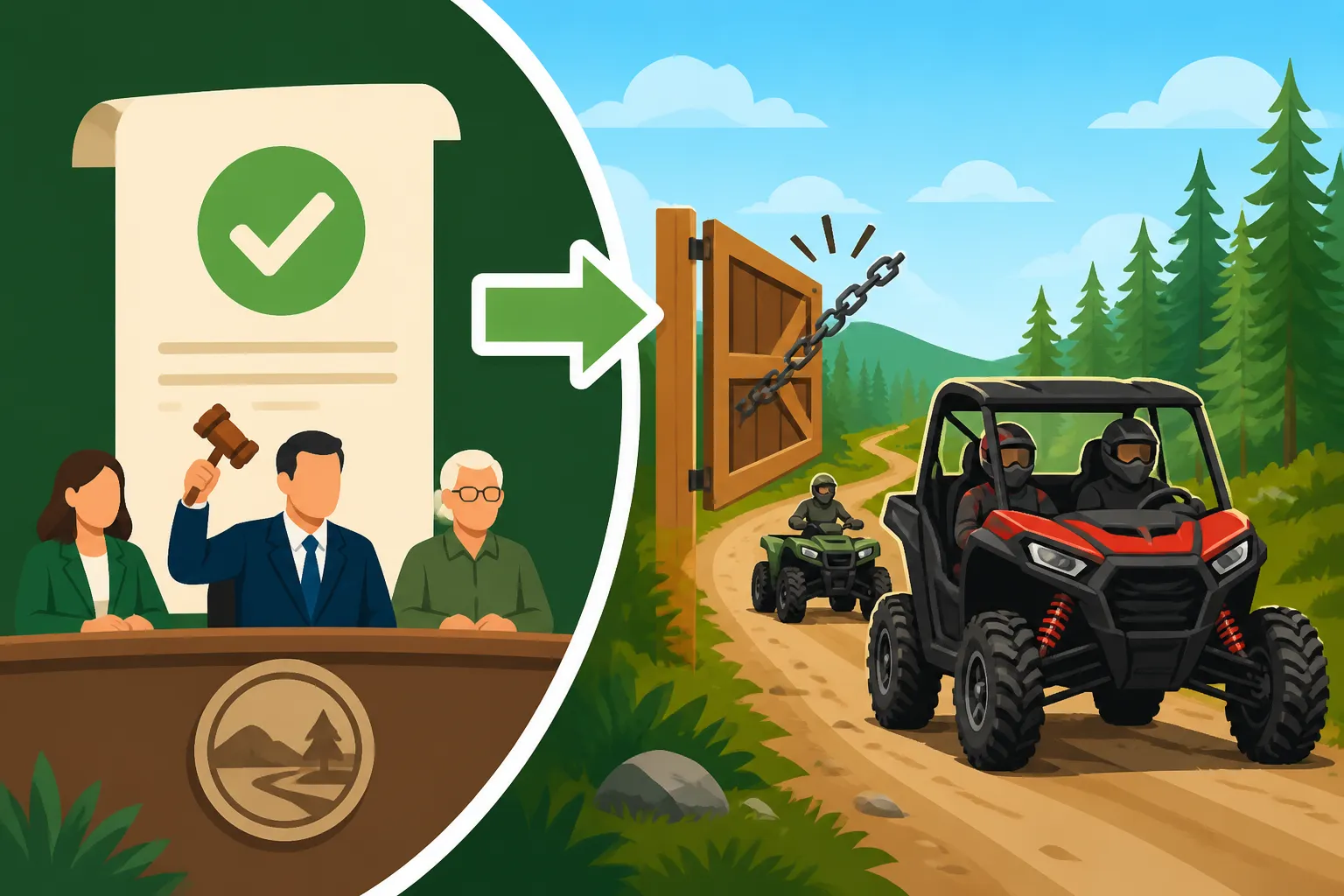
The primary function of a local bylaw, in this context, is to legally designate certain public roads or sections of roads for ORV use. This means a town council can say, "Yes, this particular street, from here to there, can be used by ATVs and UTVs." This isn't a free-for-all; these designations are usually very specific, outlining the exact roads or parts of roads that are opened. You'll often find these are lower-traffic municipal roads, often connecting trailheads, allowing access to local businesses like gas stations or convenience stores, or linking two parts of a larger trail network that would otherwise be isolated.
For example, a bylaw might open a 2-kilometre stretch of Route 105 through a small village like Keswick Ridge, allowing riders from the local club to legally get from one section of trail to another without having to trailer their machines. Without such a bylaw, that short hop would be illegal, leading to potential fines and a huge inconvenience for riders. These designations are carefully considered, balancing rider access with public safety and resident concerns.
Setting Specific Conditions and Hours
Beyond simply opening a road, local bylaws can impose very specific conditions and restrictions on ORV use, ensuring that the privilege is exercised responsibly. This is crucial for gaining public acceptance and maintaining safety for all road users. You might encounter bylaws that specify hours of operation, perhaps only allowing ORVs on certain roads between sunrise and sunset, or during specific seasons. They can also set reduced speed limits, often lower than the posted limit for other vehicles, to minimize noise and improve safety.
Furthermore, bylaws often stipulate that ORV operators must follow all rules of the road that apply to other vehicles, such as stopping at stop signs, yielding to traffic, and using appropriate hand signals. Some might even require specific safety equipment beyond what's provincially mandated, though this is less common. It’s all about integrating ORV traffic smoothly and safely into the existing road environment. A well-crafted bylaw anticipates potential issues and includes measures to mitigate them, often requiring common sense and courtesy from riders.
Linking Trail Systems and Amenities
One of the most valuable aspects of local bylaws is their ability to create vital connections. Think of a patchwork quilt: each piece is great on its own, but it's the stitching that makes it a cohesive, functional whole. Similarly, bylaws can be the "stitching" that links fragmented trail systems, allowing riders to enjoy much longer and more diverse routes without interruption. It's frustrating to have to stop a ride, load up your machine, drive a short distance, and then unload just to continue on a separate section of trail. Bylaws eliminate this hassle.
Moreover, these designations often connect riders directly to amenities that are essential for a long day out. This means easier access to fuel, food, and lodging within a community, which in turn boosts the local economy. When riders know they can legally and safely access these services, they're more likely to spend their money in that community. For instance, a bylaw might connect a major trail with a specific gas station or restaurant in Plaster Rock, encouraging riders to support local businesses. This symbiotic relationship benefits both the riding community and the towns they visit.
How a Bylaw Comes to Be: The Process
It might seem like these bylaws just magically appear, but they are actually the result of a thoughtful, often lengthy, process involving community input, council deliberation, and official adoption. It's a democratic process designed to ensure that new rules serve the best interests of the community as a whole, not just a select few. Understanding this process can empower you to participate and advocate effectively for ORV access in your own area.
The Community's Role: Public Input
Before any bylaw is drafted or approved, local councils typically engage in a period of public consultation. This is your chance, as a rider, resident, or business owner, to voice your opinions, share your experiences, and highlight the potential benefits or concerns of opening roads to ORVs. Councils often hold public meetings, circulate surveys, or invite written submissions. This input is crucial because it helps council members understand the diverse perspectives within their community.
For example, a group of riders might present a compelling case about how opening a certain road section could complete a 100-kilometre loop, attracting more tourism to the area. Conversely, residents along that road might express concerns about noise, dust, or safety. A balanced bylaw is usually one that has carefully considered all these points. This is also where local ATV clubs, like those affiliated with QuadNB, often play a pivotal role, acting as organized voices for the riding community and presenting well-researched proposals to their local governments.
Council Deliberation and Adoption
Once public input has been gathered and absorbed, the proposed bylaw typically moves to the council for deliberation. This stage involves council members discussing the merits and drawbacks of the proposal, often referring back to the public feedback they received. They might debate specific clauses, suggest amendments, or even send the bylaw back for further review or additional public input if significant concerns remain. It's a rigorous process to ensure the final bylaw is robust and fair.
Following these discussions, the bylaw will undergo several "readings" – formal presentations and votes by the council. If it passes all required readings, it is officially adopted. This adoption signifies that the local government has formally agreed to the terms and conditions outlined in the bylaw, making it a legal instrument within their jurisdiction. This entire process can sometimes take months, or even longer, reflecting the careful consideration given to such decisions.
Official Publication and Enforcement
After a bylaw is adopted, it’s not immediately enforceable. It first needs to be officially published, making it accessible to the public. This usually involves posting it on the municipal website, placing notices in local newspapers, or making hard copies available at the municipal office. This ensures that residents and visitors alike have a clear understanding of the new rules. It’s vital for riders to check these official sources, as ignorance of a bylaw is no excuse for non-compliance. You can’t just assume a road is open because you saw someone else riding on it.
Once published, the bylaw comes into effect and can be enforced by local law enforcement, often the RCMP or municipal bylaw officers. These officers will be responsible for ensuring that riders adhere to the designated roads, speed limits, hours of operation, and any other conditions stipulated in the bylaw. Penalties for violating these local bylaws can range from warnings to significant fines, similar to those for other traffic infractions. It’s always best to be informed and compliant to avoid any unpleasant surprises on your ride. Check out [New Brunswick Fines for Riding Near a Road] to understand the potential consequences.
Finding and Understanding Local Bylaws
So, you’ve heard that a particular town or village might have opened some roads to ATVs or UTVs, and you’re itching to explore. But how do you actually find these bylaws, and more importantly, how do you make sure you understand them correctly? It's not always as straightforward as you'd hope, but with a little digging, you can arm yourself with the right information.
Municipal Websites and Offices
The most reliable place to start your search for local ORV bylaws is the official website of the municipality you plan to visit. Most towns and cities in New Brunswick have a dedicated section for bylaws or municipal services where you can find downloadable documents. Look for terms like "Off-Road Vehicle Bylaw," "ATV Bylaw," or "Traffic Bylaw" – sometimes ORV regulations are embedded within broader traffic rules. If you can’t find it online, don't hesitate to call or visit the municipal office in person. The staff there are usually very helpful and can point you directly to the relevant documents or even provide printed copies.
It’s not enough to just find the bylaw; you need to read it carefully. Pay close attention to the specific road names, sections, and any conditions listed, such as speed limits, hours of operation, or seasonal restrictions. A common mistake is assuming that if one road is open, all roads are open. This is rarely the case. The bylaw will likely include an appendix or a map clearly outlining the designated routes. Understanding the nuances here is crucial for avoiding unintentional infractions. For instance, a bylaw in Grand Bay-Westfield might specifically open certain connecting roads but leave others closed.
Local ATV Clubs as Resources
Local ATV clubs are invaluable resources when it comes to understanding bylaw specifics in their area. These clubs are usually at the forefront of advocating for ORV access and often work directly with municipal councils to help draft and implement bylaws. They have firsthand knowledge of which roads are open, what the specific conditions are, and where to find the most up-to-date information. Many clubs maintain their own websites or social media pages where they share details about local riding regulations, including newly adopted bylaws or changes to existing ones.
Becoming a member of a local club or simply reaching out to them can save you a lot of guesswork and help you interpret complex legal language. They might even have custom maps that clearly show the open road sections. For example, if you’re riding near Sussex, connecting with the local club there could quickly inform you about any road access bylaws and how they interact with the broader trail network. These clubs are passionate about responsible riding and are typically eager to help fellow enthusiasts navigate the rules safely. They often serve as the bridge between riders and local government, and their insights can be gold. You can also explore [New Brunswick Municipal Bylaws That Open Roads] for more general information on this topic.
Riding Smart: Adhering to Bylaw Rules
Having a local bylaw open up a road for ORV use is a fantastic step forward for the riding community. But with that privilege comes a significant responsibility: to ride smart and adhere strictly to all the rules, both local and provincial. Failure to do so not only puts you at risk of fines but also jeopardizes the continued access for all riders. Every time you ride on a designated road, you're an ambassador for the entire ORV community.
Beyond Just the Bylaw: Other Requirements
While a local bylaw might grant you permission to ride on a specific road, it doesn't exempt you from all the other provincial requirements for operating an ORV. You still need to ensure your machine is properly registered with Service New Brunswick and that you have valid insurance. In New Brunswick, [New Brunswick Requires Insurance on Trails], and that typically extends to any public road where you might be operating. You also need to carry your registration certificate, proof of insurance, and a valid driver's license (or Class 9 license for eligible youth) whenever you're operating your machine.
Furthermore, safety equipment is non-negotiable. This means wearing an approved helmet at all times, even for short stretches on a municipal road. For UTVs, seatbelts are mandatory for all occupants. Your machine itself must also meet certain provincial standards, such as having proper lighting if you're riding near dawn, dusk, or at night. Many riders find accessories from companies like SuperATV helpful for ensuring compliance and safety, offering everything from enhanced lighting kits to durable mirrors that improve visibility on shared roads. It's about being fully equipped and prepared, not just legally permitted to be on that specific strip of pavement.
Respecting Bylaw Restrictions
The conditions outlined in a bylaw are not suggestions; they are enforceable rules. This means if a bylaw states a 30 km/h speed limit on a designated road section, you must adhere to it, even if the general road speed limit for cars is 50 km/h. If it specifies "daylight hours only," riding at night is illegal, regardless of how well-lit your machine is. These restrictions are put in place for specific reasons, often related to noise reduction, traffic volume, pedestrian safety, or community comfort. Ignoring them undermines the very purpose of the bylaw.
Think of it this way: every time a rider disregards a bylaw restriction – whether it's speeding, making excessive noise, or riding outside the permitted hours – it creates a negative impression on local residents and law enforcement. This negative perception can quickly lead to calls for stricter enforcement, or worse, for the bylaw to be revoked entirely, closing off access for everyone. Responsible riding means setting a good example, always. This includes yielding to pedestrians, bicyclists, and conventional vehicles, and minimizing any potential disruptions.
What to Do If You're Unsure
It's inevitable that you might encounter a situation where you're unsure if you're allowed to ride on a particular road, or what specific rules apply. In such cases, the best course of action is always to err on the side of caution. If you can, avoid the questionable section of road. If that's not possible, pull over safely and try to confirm the rules. You might be able to check a local club's map on your phone, or if you're lucky, spot signage indicating ORV access.
If in doubt, it’s always safer to assume a road is not open to ORVs unless clearly signed or explicitly stated in a published bylaw you've verified. Don't rely on hearsay or the actions of other riders, as they might be misinformed or intentionally breaking the rules. Getting pulled over for riding illegally can result in fines and potentially even having your machine impounded. It’s far better to spend a few minutes confirming the rules beforehand than to face the legal consequences later. You can also consult resources like [New Brunswick Registration Paperwork Checklist] to ensure you have everything else in order before you even head out.
Advocating for More Access
The landscape of ORV access in New Brunswick is constantly evolving, with more communities recognizing the economic and recreational benefits of opening up limited road sections. If you believe your community could benefit from such bylaws, or if you want to see existing access expanded, there are concrete steps you can take to become an effective advocate. Your voice, combined with others, can make a real difference.
Joining or Forming a Local Club
One of the most impactful ways to advocate for ORV access is by joining an organized ATV or UTV club. These clubs, particularly those affiliated with QuadNB, are the strongest collective voice for riders in New Brunswick. They have established relationships with local and provincial governments, understand the political process, and can present a united front when advocating for trail development, maintenance, and road access bylaws. A single rider’s voice can be easily overlooked, but a club representing dozens or hundreds of members carries significant weight.
If there isn't an active club in your area, consider forming one! It might seem like a daunting task, but even a small group of dedicated individuals can begin to make inroads. Clubs provide structure, allow for shared resources, and enable you to approach municipal councils with well-researched proposals and a clear understanding of community needs. They can also demonstrate the commitment of riders to responsible operation, which is crucial for gaining public and governmental support.
Engaging with Local Government
Directly engaging with your local government is another vital step. This doesn't mean just showing up at a council meeting unannounced; it means thoughtful, respectful, and prepared communication. Start by researching your local council members, understanding their priorities, and identifying who might be most receptive to ORV-related initiatives. Request meetings with individual councillors or the mayor to present your case. Come prepared with facts, figures, and well-thought-out proposals. Highlight the economic benefits that increased ORV tourism could bring to local businesses, from gas stations to restaurants and accommodations.
For instance, you could present data on how other New Brunswick towns that have opened roads have seen an increase in visitor spending. You might even propose specific road sections that would create logical connections without significantly impacting residential areas or traffic flow. It's about building relationships, fostering understanding, and demonstrating that riders are a responsible and valuable part of the community. Always maintain a polite and constructive tone, even if you face initial resistance. Remember, patience and persistence are key when working with municipal processes. Check out [Calling a Town Office to Ask] for tips on how to effectively communicate with municipal staff.
Showcasing Responsible Riding
Ultimately, the most powerful form of advocacy is demonstrating responsible riding every single time you're on the trail or a designated road. When local residents see ATVs and UTVs operating safely, quietly, and respectfully within the designated parameters, it builds trust and goodwill. Every positive interaction, every time a rider stops for a pedestrian, adheres to speed limits, or avoids excessive noise, contributes to a positive image of the ORV community. Conversely, every instance of irresponsible riding – speeding, trespassing, or tearing up trails – sets back years of advocacy work.
Encourage all riders you know to practice impeccable trail etiquette and road safety. Ensure your machines are well-maintained to minimize noise and emissions. Consider joining club clean-up days or volunteering for trail maintenance. These actions show that the ORV community is committed to being a good neighbour and a responsible user of shared spaces. When councils see that riders are serious about upholding rules and contributing positively, they are far more likely to consider opening more access points and maintaining existing ones. Products like those from SuperATV, designed for trail maintenance and recovery, can even help clubs keep trails in top shape, further showcasing responsibility.
Common Bylaw Elements and What They Mean for Riders
When a municipality in New Brunswick adopts a bylaw to open certain roads for ORVs, they're not just giving a blanket permission. These bylaws typically contain specific elements designed to integrate ORV traffic safely and efficiently. Understanding these common elements will help you navigate designated road sections confidently and legally.
| Bylaw Element | Description | Rider Implications |
|---|---|---|
| Designated Roads | Specific streets, highways (non-arterial), or portions thereof explicitly opened for ORV use. | You must stick to these named roads. Riding on an undesignated road is illegal and can result in fines. Always check a map or the bylaw's appendix. |
| Speed Limits | Often a reduced speed limit (e.g., 30 km/h) specifically for ORVs, regardless of the posted limit for other vehicles. | You are legally obligated to respect the ORV-specific speed limit. Exceeding it is an infraction and can erode public trust in ORV access. This is especially true in residential areas where noise is a concern. |
| Hours of Operation | Restrictions on when ORVs can be operated on designated roads (e.g., "sunrise to sunset," "7 AM to 9 PM"). | Riding outside these hours is prohibited. Plan your trips accordingly and ensure you are off designated roads before the restricted time begins. This often addresses noise concerns for residents during quiet hours. |
| Safety Equipment | Reinforcement of provincial helmet and seatbelt laws, or sometimes additional requirements. | Always wear an approved helmet and ensure passengers do too. In UTVs, seatbelts are mandatory. Make sure your machine has proper lighting if riding near dusk/dawn. |
| Rules of the Road | ORVs must obey all traffic laws: stop signs, yield signs, traffic lights, and right-of-way rules. | Treat your ORV like any other vehicle on these designated road sections. Do not assume you have priority. Use appropriate hand signals, especially if your machine lacks turn indicators, as discussed in [New Brunswick Hand Signals Without Lights]. |
| Signage | The municipality's responsibility to post signs indicating ORV access and any specific rules. | While signage helps, you are still responsible for knowing the bylaw. Don't rely solely on signs, which can be vandalized or obscured. Always cross-reference with the official bylaw document if possible. |
| Penalties | Outlines the fines or other consequences for violating the bylaw. | Fines can be substantial. Violating bylaws can also lead to negative public perception and potentially the revocation of ORV access in the future. Respect the rules to keep these roads open for everyone. |
This table provides a snapshot of what you'll typically encounter. Each bylaw will have its own specific wording and details, so always refer to the official document for the exact rules in any given municipality. Understanding these points means a safer, more enjoyable, and legally compliant ride every time you hit a designated road section.
Disclaimer
This article is for general informational purposes only and does not constitute professional advice. Laws, prices and regulations vary by location and change over time. Consult a qualified professional for guidance on your specific situation.