Trespass and Posted Woodlots
It’s a scenario many New Brunswick ATV and UTV riders grapple with: you’re out enjoying the stunning wilderness, a trail suddenly narrows or diverges, and you see a faded "No Trespassing" sign, or worse, you don’t see one until it’s too late. The fear of unknowingly riding on private property, or worse, getting caught trespassing, is a legitimate concern that can really put a damper on your ride. This guide is here to walk you through the nuances of navigating private woodlots in New Brunswick, helping you understand the laws, identify potential issues, and ride responsibly.
Understanding Trespass Laws on New Brunswick Woodlots
Riding an off-road vehicle in New Brunswick offers unparalleled freedom and access to some incredible landscapes. However, that freedom comes with a significant responsibility, especially when it comes to private land. Unlike some jurisdictions, New Brunswick has very clear rules about where you can and cannot ride, and private woodlots are often at the heart of these discussions.
The Foundation: Private Property is Private
At its core, New Brunswick's trespass law is simple: unless you have explicit permission, private property is off-limits. This isn't just a suggestion; it's a fundamental legal principle. Many of the vast, beautiful forested areas we love to explore are not Crown land or public trails. They belong to individuals, families, or companies who manage them for various purposes – logging, hunting, personal enjoyment, or simply as an investment.
Imagine a farmer who owns a large tract of woods behind their home, using it for personal firewood or even just a quiet retreat. If a group of riders blasts through, disturbing the peace, leaving ruts, or potentially damaging young trees, it's not just an annoyance; it's a violation of their property rights. The law recognizes and protects these rights. Even if a trail looks abandoned or unused, if it crosses private land, you need permission. This is especially true for those scenic routes that seem to connect two public trails but actually cut through someone's woodlot. Always remember that just because a path exists, doesn't mean it's a public right-of-way.
What "Posted" Signs Legally Mean
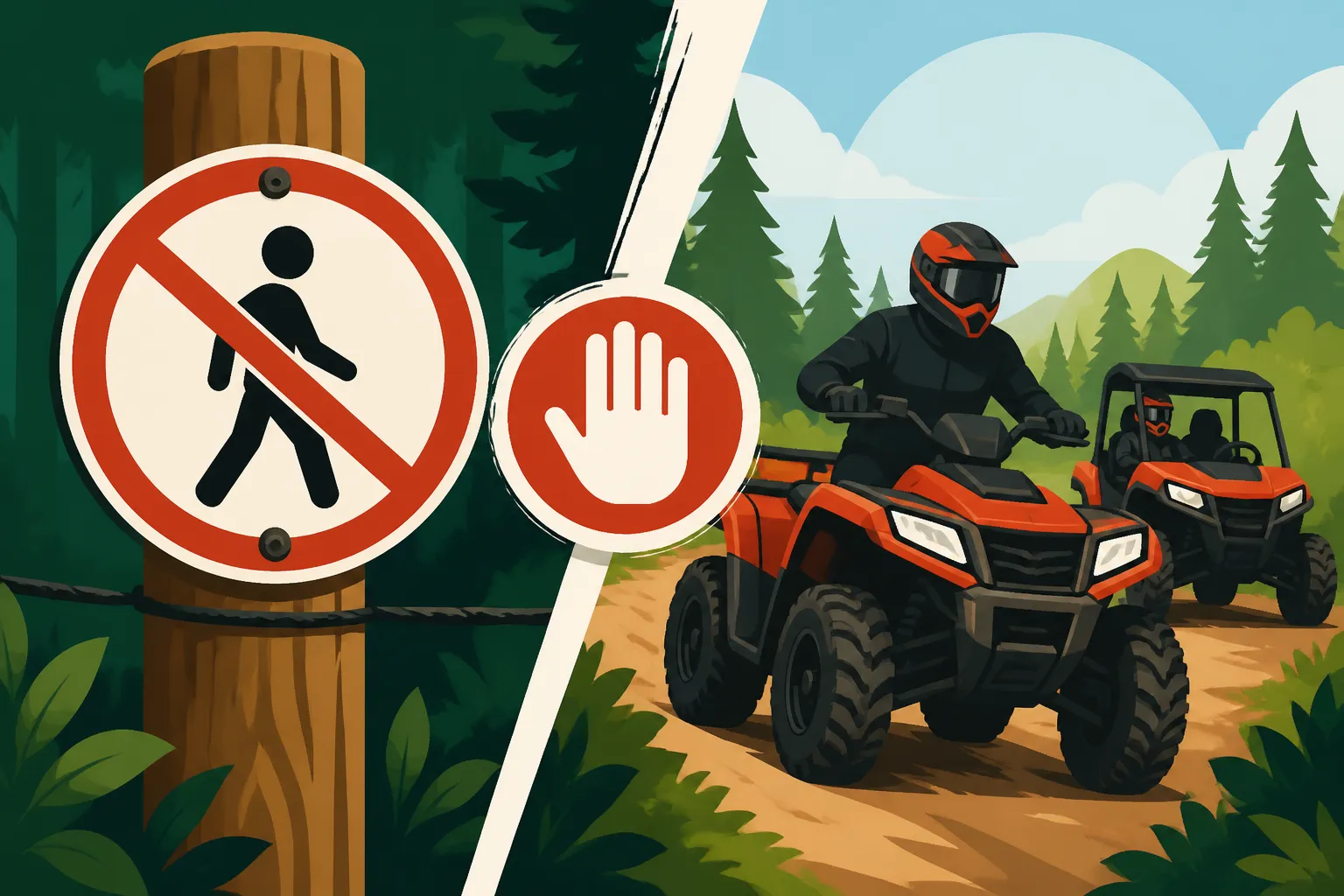
When you see a "No Trespassing" sign, or even something more explicit like "Private Property – No ORVs," it serves as a clear, undeniable declaration from the landowner. These signs aren't just polite requests; they carry legal weight. In New Brunswick, a landowner doesn't necessarily have to post their land for it to be considered private and off-limits. However, visible posting makes it absolutely clear, removing any reasonable doubt for someone claiming they didn't know.
The wording on these signs can vary, from simple "Posted" notices to more detailed instructions about specific activities that are prohibited. Regardless of the exact phrasing, the message is the same: stay out. Ignoring these signs and proceeding anyway puts you directly in violation of the law. It's a clear act of defiance against the landowner's wishes and can result in significant legal trouble, including fines and potential impoundment of your machine. When you're out riding, be vigilant for these signs, especially when entering areas that might transition from known trails to less familiar territory. [New Brunswick Trespass Law for Riders] clarifies this further.
The Fines and Consequences of Trespassing
Trespassing on private land with an ORV in New Brunswick isn't just a slap on the wrist. The fines can be substantial, and the impact can extend beyond your wallet. If you're caught riding on posted or unposted private property without permission, you could face penalties under the Off-Road Vehicle Act, in addition to the landowner potentially pursuing civil action.
A conservation officer, RCMP officer, or even a local peace officer has the authority to issue tickets. Beyond the immediate fine, repeated offences or particularly egregious acts of trespass could lead to your machine being impounded. Imagine having your prized quad or side-by-side towed away, incurring impound fees on top of the trespass fine. It's an expensive and frustrating experience that nobody wants. This is also compounded by the fact that many trail systems are built on goodwill with private landowners, and a few bad apples can ruin access for everyone, leading to entire sections of trails being closed down. [New Brunswick Penalties for Riding Unregistered] gives an idea of how seriously the province takes ORV infractions.
Identifying and Avoiding Private Woodlots
It's one thing to know the law, and another to practically apply it while out on the trail, especially when the lines between public and private can seem blurry. Many riders find themselves in a bind simply because they weren't sure whose land they were on.
Recognizing Unmarked Private Land
Not all private woodlots are clearly marked with "No Trespassing" signs. In fact, many are not. This is where it gets tricky for riders. How do you tell if you're on private land if there are no signs? Look for clues:
- Property Markers: Fences, old survey pins, painted trees (often specific colours used by landowners or forestry companies), or even subtle changes in vegetation or tree cutting patterns can indicate a property line.
- Road Quality: A well-maintained, gravel road that suddenly turns into a rough, overgrown track might be transitioning from public or Crown land access to a private logging road or woodlot path. Conversely, a private road might be surprisingly well-maintained if it's used by a landowner frequently.
- Infrastructure: Old logging camps, hunting blinds, game cameras, or even neatly stacked piles of firewood are strong indicators that someone is actively using or managing that land.
- Gates: A gate across a road, even if open, often signifies a private entrance. Always assume a gated road is private unless you know for certain it's not.
When in doubt, it’s always best to err on the side of caution. Turning around is far better than facing a confrontation or a fine. Many landowners are fiercely protective of their property, and rightly so. They don't want strangers on their land, especially those on loud vehicles that can disturb wildlife or damage property. [New Brunswick Rules for Riding a Woodlot] goes into more detail about these specific considerations.
Why Even "Old Roads" Can Be Private
One of the most common misconceptions among riders is the idea that "old roads" or abandoned paths are automatically public access. This is almost never the case. Many of these historical routes, once used for logging, farming, or even old settlement access, are still very much part of private landholdings. Generations might have passed, the active use may have ceased, but the land ownership remains.
Just because a road appears on an old map, or locals say "everyone used to ride down there," doesn't grant you a legal right of way. Property boundaries are static, and these old routes often sit squarely within private deeds. The landowner might tolerate some foot traffic, but often draws the line at motorized vehicles due to potential damage, noise, or liability concerns. Always consider the origin of any "old road" you encounter. Was it a Crown land access road that was maintained, or a private cart path for someone's woodlot operations? Without explicit knowledge, treat it as private.
Using Maps and Technology to Stay Legal
In this day and age, there's really no excuse for getting lost or accidentally trespassing, thanks to readily available mapping technology. Investing in good GPS software or a dedicated GPS unit that shows property boundaries can be a game-changer. Apps like the official QuadNB MapGear app are incredibly helpful, clearly delineating sanctioned trails from surrounding private land and Crown land. [New Brunswick Trail Maps and the MapGear App] explains how to leverage these tools.
Before you head out, plan your route meticulously. Download maps for offline use, as cell service can be spotty in remote areas of New Brunswick. Mark known public access points and potential private land boundaries. Many modern ORVs and even aftermarket accessories from brands like SuperATV offer robust mounting solutions for tablets or smartphones, making it easy to keep your navigation in view. A quick glance at a digital map showing property lines can prevent a costly mistake. It’s also wise to check for any local bylaws that might restrict ORV use in certain areas. [New Brunswick Bylaw Lookups Before You Ride] can help with this planning.
| Property Type | Access Status | Key Indicators | Rider Action |
|---|---|---|---|
| Public/Crown Land | Generally Permitted | Government signage, known recreational trails, clear designation on official maps. | Ride responsibly, adhere to rules, stay on marked trails. |
| Posted Private | No Access | "No Trespassing" signs, "Private Property," specific prohibitions (e.g., "No ORVs"). | Do NOT enter. Turn around immediately. |
| Unposted Private | No Access (Implied) | Fences, gates, active logging/farming, property markers, changes in road quality, old camps, hunting blinds. | Assume private; seek permission or avoid. |
The Power of Permission: Your Best Defence
While avoiding private land altogether is always an option, there are times when responsible riding might involve crossing a small section of private property, or perhaps you've identified a fantastic woodlot that you'd love to explore. In these cases, permission isn't just a courtesy; it's a necessity.
How to Approach Landowners Respectfully
Asking for permission can feel daunting, but a respectful approach often yields positive results. The key is to be polite, clear, and understanding of the landowner's perspective. Here’s how you can go about it:
- Identify the Owner: This can sometimes be the hardest part, but resources like local service centres, land registry offices, or even simply asking neighbours can help.
- Timing and Demeanour: Approach them at a convenient time, not when they're busy or just about to leave. Dress presentably and be articulate. A friendly, non-demanding attitude goes a long way.
- Be Clear About Your Intentions: Explain exactly where you want to ride, how often, and with how many machines. Emphasize that you will stick to their requested routes, ride safely, and leave no trace.
- Offer to Help: Sometimes, offering a hand with a small chore – splitting wood, helping with a fence line, or even just clearing some brush – can open doors. It shows you value their property and are willing to contribute.
- Provide Contact Info: Leave your name and phone number. This builds trust and shows you're accountable.
Remember, a landowner has every right to say no, and if they do, respect their decision without argument. Aggression or persistence after a clear refusal will only cement a negative impression for all future riders. [Permission From a Woodlot Owner] provides additional strategies for this important interaction.
The Value of Written Permission
While a verbal agreement is legally binding, written permission offers a layer of protection and clarity that benefits both the rider and the landowner. It removes ambiguity and provides a clear record of the agreement. A simple written note can include:
- The names of the landowner and the rider(s) granted permission.
- A clear description of the specific areas or trails permitted for riding.
- Any restrictions (e.g., specific dates/times, number of machines, speed limits, specific types of machines).
- The duration of the permission (e.g., for a single day, a season, or until revoked).
- Signatures of both parties and the date.
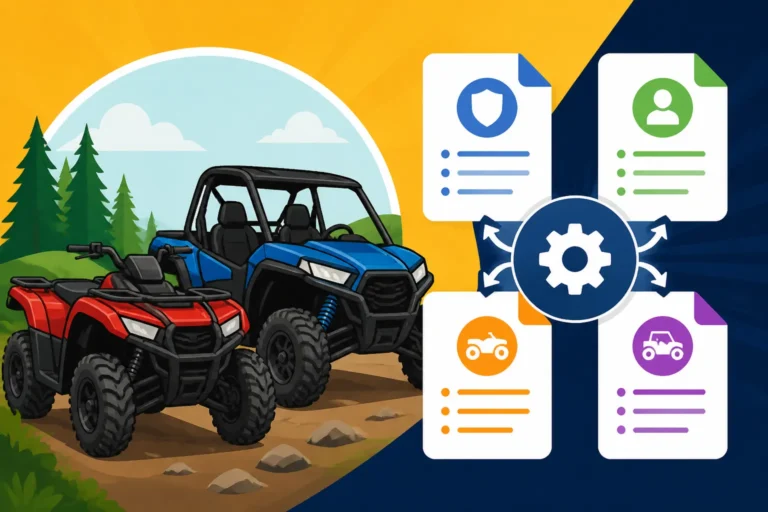
Carrying a copy of this written permission on your machine is crucial. If you're ever stopped by an officer or questioned by another individual, having that document instantly verifies your right to be there. It’s a small effort that can save a lot of headaches and demonstrates your commitment to responsible riding. You might even consider laminating it or storing it in a waterproof bag from a brand like SuperATV to keep it safe and legible, especially if it’s a long-term agreement. [Carrying Four Documents at Once] recommends this practice for all essential paperwork.
Building Trust for Future Access
Gaining permission from a landowner isn't a one-time transaction; it's the start of a relationship based on trust and mutual respect. How you conduct yourself while riding on their land directly impacts not only your future access but also the reputation of all ORV riders in the area.
- Adhere Strictly to the Agreement: Never deviate from the agreed-upon routes or conditions. If you said you'd ride only on Sundays, don't show up on a Saturday.
- Leave No Trace: Pack out everything you pack in. Don't litter. Avoid disturbing wildlife or damaging property.
- Report Issues: If you notice a downed tree, a washed-out section, or any other issue on their land, let the landowner know. This shows you care.
- Express Gratitude: A simple thank-you, perhaps a small token of appreciation at the end of the season, can go a long way in solidifying a positive relationship.
By being a model of responsible riding, you not only secure your own access but also help to foster a more positive image for the entire ORV community. This goodwill can be invaluable in maintaining and even expanding trail networks across New Brunswick.
Disclaimer
This article is for general informational purposes only and does not constitute professional advice. Laws, prices and regulations vary by location and change over time. Consult a qualified professional for guidance on your specific situation.