New Brunswick Ticket Costs for Trail Violations
There’s nothing quite like the freedom of hitting the trails on your ATV or UTV in New Brunswick. The fresh air, the beautiful scenery, the camaraderie with fellow riders – it’s what we live for. But that feeling can quickly turn to dread when you see an officer waving you down, especially if you’re not sure why. Getting a ticket on the trails can be a huge headache, not just for the immediate sting to your wallet, but for the ripple effect it can have on your riding season. This guide is here to walk you through the common trail violations in New Brunswick and give you a realistic understanding of what those tickets might cost, helping you avoid unnecessary fines and keep enjoying the trails responsibly.
Understanding the Lay of the Land: New Brunswick's Off-Road Vehicle Act
When you first get into ATV and UTV riding, the sheer volume of rules and regulations can feel overwhelming. It’s like a whole new language to learn, and sometimes it feels like they’re just there to make your life harder. But trust me, once you understand the "why" behind these rules, they start to make a lot more sense, and adhering to them becomes much easier. The goal isn't to impede your fun, but to ensure everyone's safety, protect our precious natural environment, and maintain good relationships with the landowners who graciously allow us access.
Why Rules Are There and Why They Feel Annoying
It’s completely natural to feel a bit of frustration when you encounter rules that seem overly restrictive or just plain confusing. You just want to ride, right? But the New Brunswick Off-Road Vehicle Act is designed with several crucial objectives in mind. First and foremost, it’s about safety. It helps prevent serious accidents by setting standards for helmets, machine registration, and rider age. Secondly, it protects our environment; by regulating where and how you can ride, it helps prevent trail erosion, habitat destruction, and noise pollution in residential areas. Finally, these rules foster shared use and respect. They ensure that our trails can be enjoyed by a variety of users – from other ATV riders to hikers and snowmobilers – and they build trust with private landowners, whose cooperation is absolutely vital for maintaining our extensive trail network. Without these guidelines, the chaos would quickly lead to trail closures and a breakdown of the riding community we all cherish.
Who Enforces the Rules on New Brunswick Trails
You might wonder who exactly has the authority to issue a ticket out on a remote trail. It’s not just the friendly faces at Service New Brunswick who handle your paperwork. On the trails, you could encounter a variety of enforcement officers, and they all have the power to stop you and check for compliance. This includes members of the Royal Canadian Mounted Police (RCMP), local municipal police forces, and provincial conservation officers. These officers are specifically trained in the Off-Road Vehicle Act and are on patrol to ensure everyone is following the rules. Moreover, some ATV clubs have authorized trail patrol volunteers, who, while not having ticketing power themselves, play a crucial role in educating riders and reporting serious infractions to the proper authorities. So, you're never truly "alone" out there, and it's always best to assume you could be checked at any time.
The "Set Fine" System: What It Means for Your Wallet
One aspect of New Brunswick’s enforcement system that often surprises riders is the "set fine" system. This means that for many common ORV infractions, there isn't a range of penalties; there's a specific, pre-determined fine amount. When an officer issues you a ticket for a set fine violation, they don't have the discretion to lower the amount based on your explanation or circumstance. The fine is what it is, and it's up to you to either pay it or dispute it in court. This system is designed for consistency and efficiency, but it also means that even a seemingly minor oversight can lead to a significant financial hit. Understanding that these fines are fixed can be a powerful motivator to double-check your paperwork and gear before every ride, because there's generally no negotiating the cost once that ticket is written.
Common Trail Violations and Their Associated Ticket Costs
It's easy to think "it won't happen to me," but overlooking even a small detail can lead to a significant fine. Let's look at some of the most common trail violations in New Brunswick and give you a realistic idea of the penalties involved. Remember, while I can't give you exact dollar amounts, I can tell you that these fines are designed to be a strong deterrent, and they certainly add up quickly.
Riding Without Proper Registration or Plate
This is probably one of the most frequent reasons riders get stopped, and it's a completely avoidable headache. Whether you forgot to renew, bought a used machine and haven't transferred the ownership, or simply haven't registered your brand-new quad yet, riding an unregistered ORV on public trails is a violation. The frustration of getting caught for something that often feels like an administrative oversight is real. However, the province sees it as a serious matter. A ticket for riding an unregistered machine or one without a visible, valid plate can carry a penalty that easily runs into the hundreds of dollars. It’s a significant penalty that could put a real damper on your riding budget. Make sure your [New Brunswick ORV Registration Explained] is up to date and your plate is securely attached and visible.
Skipping Your Trail Permit and Why It Matters
New Brunswick boasts an incredible network of managed trails, maintained by dedicated volunteers from our provincial ATV federation, QuadNB. These trails don’t maintain themselves, and your annual trail permit is a direct contribution to their upkeep. It pays for brushing, grading, bridge repairs, and signage – all the things that make your riding experience safe and enjoyable. Opting to skip out on a permit might seem like a way to save a few bucks, but it undermines the entire system and can lead to a very steep fine. Riders caught without a valid trail permit will face one of the most substantial fines on the books, often several hundred dollars. This fine is generally much higher than the cost of the permit itself, making it a poor financial choice to ride without one. You can read more about [New Brunswick Trail Permit Fines] and ensure you're covered.
Riding Uninsured: A Risky Gamble
Insurance might feel like another mandatory expense, but when you consider the potential consequences of an accident, it becomes incredibly important. New Brunswick law [New Brunswick Requires Insurance on Trails] mandates that all ORVs operating on designated trails carry liability insurance. This isn’t just to protect your machine, but to protect you from potentially devastating financial responsibility if you cause an accident involving another person or property. The fine for riding an uninsured ATV is one of the highest penalties you can incur, often in the high hundreds of dollars, potentially even crossing into four figures. It’s a very significant financial risk, and the province takes it extremely seriously. Beyond the fine, if you're involved in an accident, the financial liability could be catastrophic.
Helmet Violations: Protecting Your Head and Your Wallet
This one should be a no-brainer for every rider. Helmets save lives, full stop. The New Brunswick [New Brunswick ATV Helmet Law] is very clear: every occupant on an ORV must wear an approved helmet. This includes passengers, too! Not wearing a helmet, or wearing one that doesn't meet recognized safety standards (like CSA, DOT, or Snell certifications), will earn you a significant fine. This fine is easily in the hundreds of dollars, a stark reminder of the importance of this vital piece of safety gear. Beyond the financial penalty, the risk to your personal safety is simply not worth taking.
Age Restrictions and Supervision Failures
Riding an ATV is exhilarating, and many young people are eager to get out on the trails. New Brunswick has specific rules regarding rider age [New Brunswick ATV Age Requirements] and the types of machines they can operate, as well as strict supervision requirements for minors. For adults, allowing an underage rider to operate an ORV unlawfully, or failing to provide proper supervision as required by law, can result in serious penalties. These fines are often substantial, targeting the supervising adult, and reflect the province’s commitment to protecting young riders. It’s critical for parents and guardians to be fully aware of and adhere to these regulations.
Unsanctioned Road or Highway Use
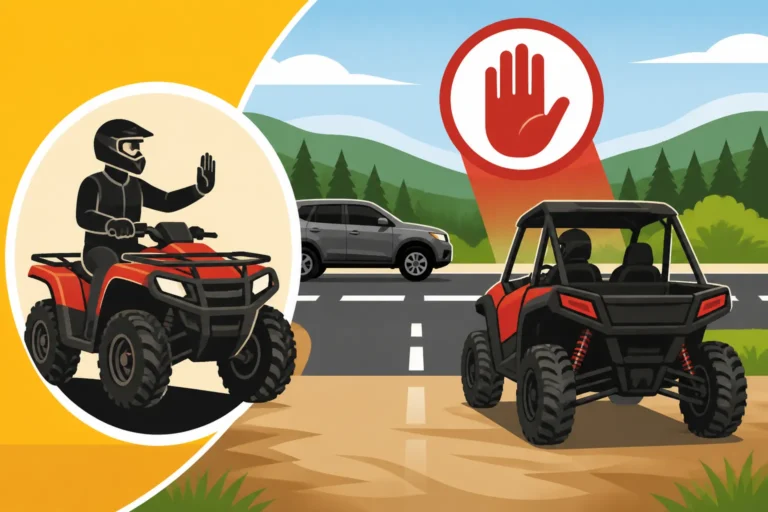
It's tempting to use a paved road to connect two trail sections or to run into town for gas. However, ORVs are generally not permitted on public roads and highways in New Brunswick, with very limited exceptions for designated crossings or specific, provincially designated shared-use sections. Riding your ORV on an unauthorized road or highway, or too close to the "travelled portion" of a highway (there's a [7.5 Metres From the Travelled Portion] rule to be aware of), can result in a hefty ticket. Fines for these types of violations are significant, often running into the hundreds of dollars. It’s another one of those rules that, if ignored, can turn a convenient shortcut into a very expensive detour.
Environmental & Trespass Violations
Our natural landscape is a huge part of what makes riding in New Brunswick so special. To preserve it, and to respect private property, there are strict rules about where you can ride. Riding on private land without explicit permission, or venturing into environmentally sensitive areas like certain beaches, wetlands, or protected habitats, are serious offenses. A ticket for trespass [New Brunswick Trespass Law for Riders] or environmental damage can lead to potentially substantial fines, not to mention the possibility of civil action from landowners. These violations can also damage the reputation of all riders and lead to further restrictions or trail closures for everyone.
| Violation Type | Example Scenario | General Cost Impression |
|---|---|---|
| No Registration/Plate | Riding a newly purchased quad before registering it. | Moderate to High |
| No Trail Permit | Attempting to ride a club trail without an annual sticker. | High |
| No Insurance | Operating an ORV on a trail with lapsed liability coverage. | Very High |
| No Helmet / Improper Helmet | Rider or passenger not wearing a certified helmet. | Moderate to High |
| Age Restriction / Unsupervised Minor | A 12-year-old riding alone on a machine too large. | High |
| Unauthorized Road Use | Taking a paved secondary road to get to another trail. | Moderate to High |
| Trespassing / Environmental Damage | Riding on posted private land or sensitive wetlands. | High to Very High |
Beyond the Ticket: The Wider Ramifications
While the immediate sting of a ticket fee is definitely unpleasant, the impact of a trail violation can extend far beyond that initial financial hit. It’s important to understand these broader ramifications, as they can have long-lasting effects on your riding enjoyment and your personal finances. It’s not just about avoiding a ticket in the moment; it’s about protecting your future as a rider.
Insurance Premiums and Future Costs
Just like with driving a car, getting a ticket on your ORV can have a ripple effect on your insurance premiums. While some minor infractions might not impact your rates immediately, more serious violations, especially those related to safety (like not wearing a helmet) or operating an uninsured machine, could lead to a significant increase in your annual insurance costs. Insurers view these violations as indicators of higher risk. For repeat offenders, the consequences can be even more severe, potentially leading to policy cancellation or difficulty finding coverage at an affordable rate. It's a hidden cost that can add up over years, making that initial fine look small in comparison.
Court Appearances and Legal Fees
If you decide to dispute a ticket, you’ll likely find yourself navigating the provincial court system. While everyone has the right to contest a charge, it's not a quick or inexpensive process. You'll need to prepare your case, potentially gather evidence, and take time off work or other commitments to attend court dates. If you choose to hire legal representation, the legal fees can quickly dwarf the cost of the original ticket. Even if you represent yourself, the time, stress, and potential [New Brunswick Court Costs for an ATV Citation] associated with a court appearance are significant factors to consider. Sometimes, paying the set fine, while frustrating, might be the less costly option in the long run.
Impoundment and Machine Recovery Costs
In more serious cases, particularly for egregious violations like repeated offenses, operating an uninsured or unregistered machine, or impaired riding, law enforcement has the authority to impound your ORV. This is where the costs can really skyrocket. First, there's the towing fee to get your machine from the trail to an impound lot. Then, you'll be on the hook for daily storage fees, which can accumulate quickly. Before you can even think about getting your machine back, you'll likely need to prove that the original violation has been rectified (e.g., proper registration, insurance, or payment of outstanding fines). The hassle, combined with potentially hundreds of dollars in recovery fees, can be a major financial blow and a huge inconvenience.
The Community Impact: Erosion of Trust and Access
Perhaps one of the less tangible but equally important ramifications of individual violations is their impact on the broader riding community. When riders break rules – whether it's riding on private land without permission, damaging sensitive areas, or ignoring safety regulations – it erodes public trust. This can lead to increased scrutiny from landowners, residents, and environmental groups, often resulting in calls for tighter regulations or, worse, the closure of vital trail sections. Every time a rider gets caught doing something illegal or irresponsible, it makes it harder for everyone else to enjoy the trails. Responsible riding and adherence to the rules are crucial for maintaining the positive image of our sport and ensuring continued access to the incredible New Brunswick trail network for all of us.
Avoiding the Fines: Proactive Steps for Every Rider
Nobody wants to get a ticket. It's frustrating, expensive, and can put a real damper on your enjoyment of the trails. The good news is that most violations are easily avoidable with a little preparation and awareness. By taking a few proactive steps, you can significantly reduce your risk of receiving a fine and ensure your riding adventures remain hassle-free and enjoyable.
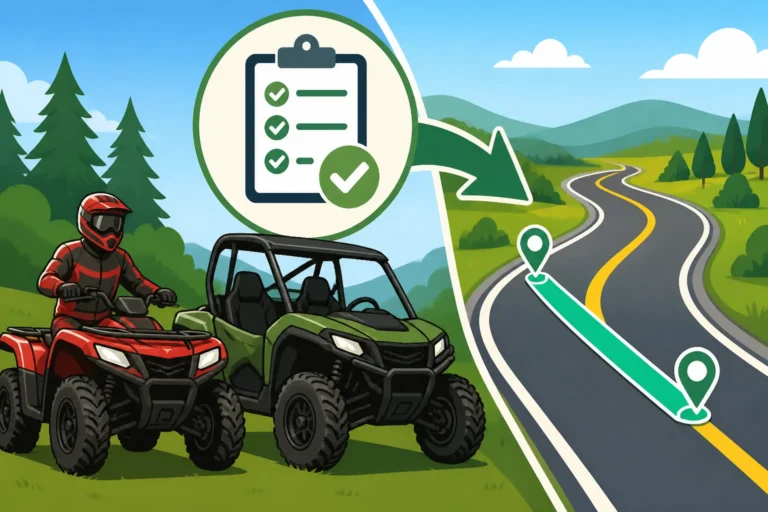
The Pre-Ride Checklist: Your Best Defense
Before you even think about loading up your machine or heading out the door, develop a simple, consistent pre-ride checklist. This habit will save you countless headaches. Take five minutes to confirm these essentials:
- Registration: Is your ORV registration current? Is your plate securely attached and visible?
- Insurance: Do you have valid liability insurance for your machine? [New Brunswick Insurance Requirements for Riders] are critical.
- Trail Permit: Is your QuadNB trail permit valid and affixed properly? Is it the right type for the trails you plan to ride? [New Brunswick Groomed vs Non-Groomed Permits]
- Helmet: Is your helmet certified and in good condition? Do all passengers have one?
- Documents: Do you have your [New Brunswick Documents You Must Carry] (registration, proof of insurance, and trail permit) on your person or securely on your machine?
Making this a routine will dramatically reduce your chances of being caught off guard.
Staying Informed: Know the Rules
Ignorance of the law is never an excuse, especially when it comes to ORV regulations. The rules can change, and new bylaws might be introduced in certain areas. It's your responsibility as a rider to stay up-to-date.
- Official Sources: Regularly check the Service New Brunswick website or the New Brunswick government's publications on the Off-Road Vehicle Act for the latest regulations.
- QuadNB: The provincial federation, QuadNB, is an invaluable resource. Their website often has summaries of rules, trail maps, and news about any changes.
- Local Clubs: Your local ATV club is a great place to learn about specific local rules, trail closures, and any unique situations in your riding area.
A few minutes spent reading up can save you hundreds of dollars and a lot of frustration.
Investing in Safety Gear and Accessories
While some safety items are mandatory, investing in good quality gear and accessories can enhance your safety, comfort, and compliance. For instance, ensuring your lights are bright and fully functional is key, especially if you ever find yourself out longer than expected. Brands like SuperATV offer a wide range of aftermarket parts that can improve your machine's reliability and equip it for various conditions, which can indirectly help prevent situations where you might be tempted to break rules (e.g., a reliable winch from SuperATV could help you get unstuck rather than having to take an illegal shortcut). Think about proper tires for the terrain you ride, effective mudguards, and even a small first-aid kit. High-quality gear isn't just about performance; it's about preparation and reducing your risk on the trail.
Joining a Local Club: A Network of Knowledge
Becoming a member of a local ATV club is one of the smartest moves you can make as a New Brunswick rider. These clubs are the backbone of our trail system, and their members are a wealth of knowledge.
- Information Hub: Clubs often share updates on local regulations, trail conditions, and potential enforcement hotspots. They can answer specific questions you might have about confusing rules.
- Support: Your membership dues directly support trail maintenance, helping to keep our trails safe and open.
- Community: You'll connect with experienced riders who can offer advice, share best practices, and help you understand the nuances of riding responsibly in New Brunswick.
Being part of a club gives you a direct link to the community and the collective wisdom that helps everyone ride legally and safely. They also offer a [New Brunswick Quad Safety Course Explained] that can further educate you and even reduce your insurance costs.
Disclaimer
This article is for general informational purposes only and does not constitute professional advice. Laws, prices and regulations vary by location and change over time. Consult a qualified professional for guidance on your specific situation.