New Brunswick Rules for Riding a Rail Bed
Riding along an old rail bed in New Brunswick can feel like stepping back in time, offering unique scenery and a flatter, often smoother path than some of our rougher woods trails. But many riders get confused about where exactly they can, and cannot, take their ATV or UTV on these historic routes, leading to frustration and sometimes costly fines. This guide is here to untangle the complexities of New Brunswick's rules for riding rail beds, ensuring you can enjoy these scenic corridors legally and responsibly.
The Dual Nature of New Brunswick Rail Beds: What You Need to Know
When you look at an old railway line, long since abandoned by trains, it’s easy to assume it’s just another stretch of open land. For ATV and UTV riders in New Brunswick, this assumption can lead to a lot of headaches. Rail beds in our province aren't all created equal in the eyes of the law, and understanding their status is the first step to knowing where you can legally ride. They often pass through varied landscapes, from bustling village outskirts to deep, quiet forests, and their legal designation can shift from one kilometre marker to the next.
The Transition from Railway to Trail
Historically, these rail beds were private property, owned by the railway companies. When the tracks were pulled up, the land didn't automatically become public domain for all recreational use. In many cases, these former rail lines have been acquired or leased by the provincial government, often through initiatives like the Sentier NB Trail program, or by groups such as QuadNB (formerly the New Brunswick All-Terrain Vehicle Federation) and local snowmobile clubs. This acquisition process means that a rail bed can become part of a formal trail network, designated for specific uses under specific conditions.
Sometimes, a rail bed might still be privately owned, perhaps by adjacent landowners who claimed sections after the railway ceased operations. Riding on these sections without explicit permission from the owner is trespass, pure and simple, and can lead to serious consequences, including fines and having your machine impounded. It’s a common frustration to encounter a section that seems open, only to realize you've inadvertently crossed onto private land. Before you head out, always double-check your maps and local information to confirm the status of the rail bed you intend to ride. A quick call to the local ATV club or checking the official QuadNB trail map can save you a lot of grief.
Identifying Legally Permitted Rail Bed Trails
So, how do you know if a rail bed is one you can legally ride? The golden rule is to look for clear signage and consult official trail maps. If a rail bed is part of the designated provincial trail system, it will be marked. You’ll see the distinctive blue QuadNB signs, indicating that it's a managed trail where your permit is valid. These signs are there for a reason – they don't just point the way, they confirm legal access.
Conversely, if a rail bed isn't marked as part of an official trail network, or if you find yourself on a section of the [Sentier NB Trail Is Not a Quad Trail] system (which is primarily for non-motorized use, with specific exceptions for snowmobiles in winter), you should assume it's off-limits for ATVs and UTVs unless you have specific, written permission. This can be tricky because some older rail beds might look like ideal riding spots, but without that official designation, they are legally no different from any other piece of private land or restricted corridor. Always carry your [New Brunswick Trail Maps and the MapGear App] so you can confirm your location against the official network, especially when exploring new areas. Relying on what "looks open" is a recipe for trouble.
Navigating the Law: Off-Road Vehicle Act and Rail Beds
The New Brunswick Off-Road Vehicle (ORV) Act governs where, when, and how you can operate an ATV or UTV in the province. When it comes to rail beds, these regulations are paramount. It’s not just about knowing if you can ride; it's also about knowing how you must ride, what paperwork you need, and what equipment your machine must have to be compliant. Ignoring these rules on a rail bed is just as serious as ignoring them on any other designated trail.
Registration and Insurance: Non-Negotiables
No matter where you ride your ATV or UTV in New Brunswick – be it a rugged woods trail, a meticulously groomed club trail, or a section of a former rail bed – you must have your machine properly registered and insured. This isn’t a suggestion; it’s the law. Your ATV or UTV needs a valid registration plate and decal, clearly displayed. [New Brunswick ORV Registration Explained] covers this process in detail, but the key takeaway is that an unregistered machine is an illegal machine on any public or designated trail.
Furthermore, you are legally required to have appropriate liability insurance. [New Brunswick Requires Insurance on Trails] ensures that in the event of an accident, you and others are protected. Enforcement officers regularly check for both registration and insurance on trails, and the penalties for non-compliance are steep. Imagine being out on a beautiful, long stretch of rail bed, enjoying the scenery, only to be stopped and face a fine like [New Brunswick Uninsured ATV Fine of $604.50] or [New Brunswick No-Registration Fine of $172.50]. It can really put a damper on your day, and your wallet. Always keep your proof of registration and insurance with you, ideally in a waterproof bag on your machine, as outlined in [Carrying Four Documents at Once].
The All-Important Trail Permit and Membership
For those rail beds that are part of the provincial trail network managed by QuadNB, you will absolutely need a valid trail permit. This permit isn't just a fee; it's your membership to the federation and contributes directly to the maintenance, grooming, and signage of the very trails you ride, including those scenic rail bed sections. There are different types of permits, like [New Brunswick Groomed vs Non-Groomed Permits], depending on how and when you plan to ride.
It's common for rail beds to be shared-use trails, and your permit ensures you're contributing to their upkeep. Without a permit, you're essentially freeloading on the hard work of volunteers and the fees paid by other riders. An officer on patrol, especially during busy seasons, will definitely be checking for that sticker. [New Brunswick Penalties for No Trail Permit] are substantial, serving as a clear reminder that these permits are not optional. Understanding that your permit directly supports the network you’re enjoying makes it easier to appreciate its value.
Understanding Shared-Use Designations
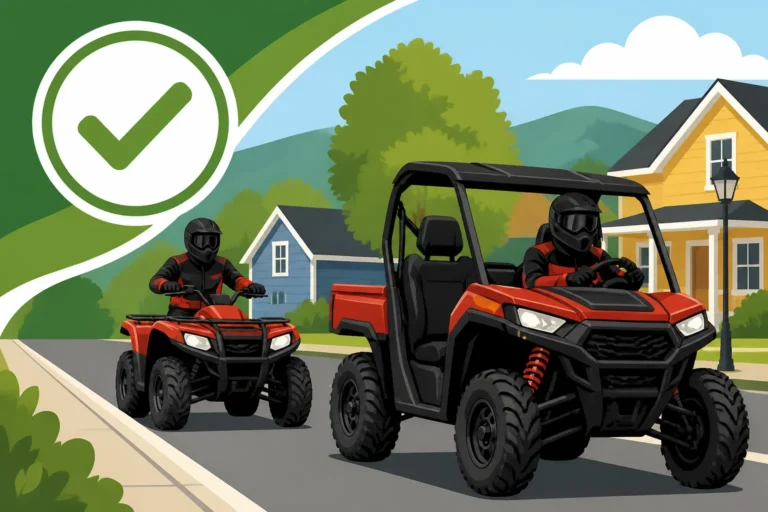
Many rail beds in New Brunswick are designated as multi-use corridors. This means you might encounter pedestrians, cyclists, horseback riders, and in some seasons, even snowmobiles. The ORV Act and trail etiquette dictate that ATV and UTV riders must always yield to non-motorized users. This isn't just a courtesy; it's a safety measure and a legal requirement to ensure harmonious coexistence on these shared paths.
A significant aspect of shared-use rail beds in New Brunswick relates to winter. Many rail beds that are open to ATVs and UTVs in the warmer months become exclusively designated for snowmobiles once the snow flies. This is because snowmobile clubs often hold leases on these sections for winter grooming and use. So, while a rail bed might be perfect for your quad in October, it could be a snowmobile-only trail in January. [New Brunswick Snowmobile Leases on Rail Beds] explains this dynamic further. Always check [New Brunswick Trail Closures in Winter] and other seasonal updates from QuadNB before heading out to avoid riding illegally or damaging groomed snowmobile trails. Respecting these seasonal designations is crucial for maintaining good relationships between user groups.
Seasonal Access, Sharing the Path, and What to Expect
Riding a rail bed is often a different experience than tackling rugged bush trails. They tend to be longer, straighter, and can invite higher speeds, but they also demand a heightened sense of awareness due to their shared-use nature and seasonal restrictions. Understanding these nuances is critical for a safe and enjoyable outing.
Winter Restrictions and Snowmobile Leases
As mentioned, winter brings a significant change to many rail beds. When the snow settles in, a large portion of New Brunswick's rail bed network transforms into designated snowmobile trails. This is often due to leasing agreements between the provincial government and snowmobile clubs, empowering these clubs to groom and maintain the trails specifically for winter motorized recreation. For ATV and UTV riders, this means that many rail beds become off-limits once winter conditions set in.
It's not just a suggestion; it's a legal restriction. Riding an ATV or UTV on a groomed snowmobile trail can lead to fines and can also damage the groomed surface, spoiling it for snowmobilers. These designated winter trails are typically patrolled, and ignorance of the rules is not an excuse. Riders need to be aware of [New Brunswick's Trail Infrastructure Fund] which supports these multi-use corridors, reinforcing the need for compliance with seasonal use agreements. Always consult the latest QuadNB and local snowmobile club maps to confirm which sections of rail bed are open to quads, and which are reserved for snowmobiles, particularly between December and April. A great option for some machines that see heavy use and need reliable performance on various trails, including those that might have specific seasonal access, is to use robust aftermarket parts from companies like SuperATV.
General Etiquette and Safety Considerations
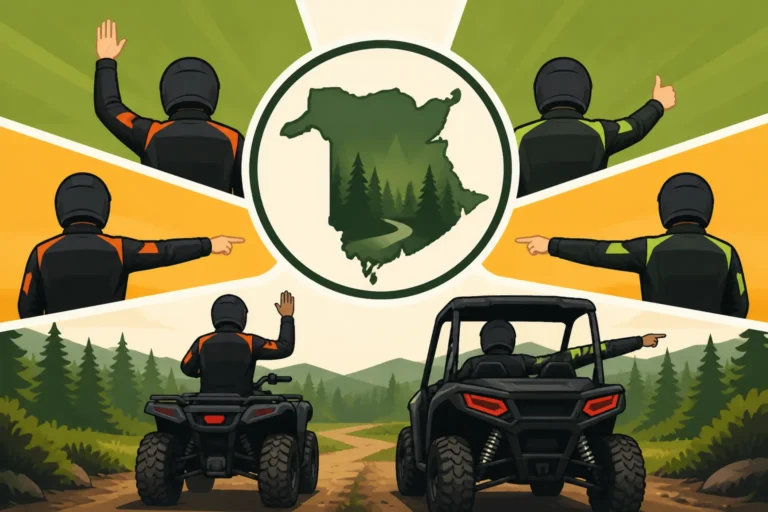
Because rail beds are often shared by various user groups, good trail etiquette is paramount. Always slow down when you approach other users – pedestrians, cyclists, horseback riders, or even other ORVs. Give them a wide berth, make eye contact, and offer a friendly wave. Excessive speed or kicking up dust can create a negative experience for everyone and give ATV riders a bad name. Remember that you are an ambassador for the entire riding community.
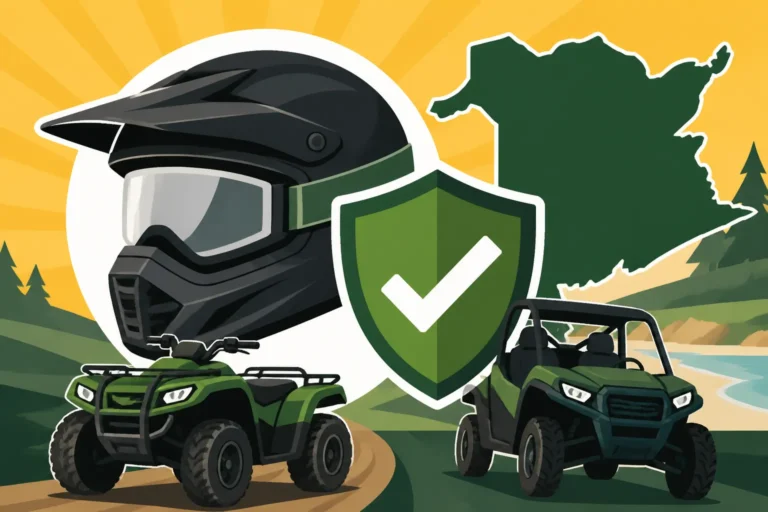
Safety is also a huge factor. While rail beds are generally flatter, they can still have hazards like washouts, culverts, or rough sections, particularly after heavy rain or during spring thaw. Always wear appropriate safety gear, including a helmet that meets recognized standards. Your machine should be in good working order, with effective brakes and proper lighting if you plan to ride near dusk or dawn. Many riders choose to upgrade their machines with durable components, and options from brands like SuperATV are popular for ensuring your machine can handle the varying conditions of New Brunswick's trails. Also, be mindful of wildlife, as deer and moose are common in many areas that rail beds pass through.
Enforcement and Penalties on Rail Beds
Enforcement of the Off-Road Vehicle Act on rail beds is carried out by various authorities, including conservation officers, RCMP, and designated trail wardens. They have the authority to stop riders, check for required documents (registration, insurance, trail permit, and driver’s license), and issue fines for violations. This includes riding without a permit, operating an unregistered or uninsured machine, speeding, or riding in prohibited areas.
The penalties for these infractions can be significant, as we touched on earlier with [New Brunswick Penalties for Riding Unregistered]. Beyond fines, repeated violations could potentially lead to your machine being impounded. It’s always best to be prepared and compliant. If an officer stops you, remain courteous and cooperative. Knowing the rules and adhering to them not only prevents fines but also contributes to a positive perception of ATV and UTV riders in the province. These rail beds are a fantastic resource for riders, and we all play a part in preserving access by riding responsibly.
| Document / Item | Requirement for Rail Bed Riding | Notes |
|---|---|---|
| ORV Registration | Mandatory | Display plate and decal. |
| Liability Insurance | Mandatory | Proof of insurance must be carried. |
| Trail Permit (QuadNB) | Mandatory (on designated trails) | Funds trail maintenance. Check maps for designated sections. |
| Driver's License | Mandatory (for ages 16+) | [New Brunswick's Minimum Age of 16] for independent riding. |
| Helmet | Mandatory | Must meet safety standards (e.g., DOT, ECE, Snell). |
| Machine Roadworthiness | Good working order | Effective brakes, lights (if applicable), muffler. |
| Yield to Non-Motorized | Mandatory | Slow down, give space to pedestrians, cyclists, horses. |
| Respect Seasonal Closures | Mandatory | Especially during winter for snowmobile-only sections. |
| Stay on Marked Trails | Mandatory | Avoid straying onto private land or closed areas. |
| Carry Documents | Highly Recommended | Keep registration, insurance, permit, and license on your person/machine. |
Disclaimer
This article is for general informational purposes only and does not constitute professional advice. Laws, prices and regulations vary by location and change over time. Consult a qualified professional for guidance on your specific situation.