New Brunswick Snowmobile and Quad Sharing
It’s a common scenario in New Brunswick: you’re out on your quad, enjoying the crisp air and beautiful scenery, and suddenly you find yourself on a section of trail or road that looks suspiciously like a snowmobile route. Or maybe you're a snowmobiler heading to a friend's place, and you encounter ATVs on what you thought was your path. This can lead to confusion, frustration, and even safety concerns, making you wonder what the actual rules are for snowmobiles and ATVs sharing the same spaces, especially when those spaces include public roads. This guide aims to clear up that confusion, explaining the regulations and best practices for multi-use trails and shared road sections, so you can ride confidently and respectfully alongside your fellow outdoor enthusiasts.
The Evolution of Shared Trails and Roads in New Brunswick
For years, many of us in New Brunswick have enjoyed our ATVs and snowmobiles on distinct networks, often unaware of the intricate dance that allows both types of machines to sometimes coexist. However, as our province's trail network has grown and the popularity of both sports has boomed, the need for integrated, multi-use access has become increasingly apparent. It's not just about getting from point A to point B; it's about connecting communities, boosting local economies, and maximizing the incredible natural beauty we're so fortunate to have.
Why Sharing Became Necessary
Think about it: many of our communities are relatively small, and the infrastructure to build completely separate, parallel networks for every type of off-road vehicle simply isn't always feasible or financially responsible. We share roads with cars and trucks, so why shouldn't we explore ways for different types of off-road machines to share certain corridors when appropriate? This necessity for shared access often comes into sharp focus during shoulder seasons, or when a rider needs to access fuel, food, or lodging in a nearby town. Without designated shared routes, riders might be tempted to use unauthorized paths, which can lead to trespassing issues or unsafe conditions.
Moreover, the sheer expense and logistical challenge of maintaining separate trail systems across a vast province like New Brunswick is immense. By strategically designating certain sections for multi-use, resources can be pooled, and maintenance efforts can be more efficient. This benefits everyone involved, from the volunteers grooming the trails to the riders enjoying them. It's about practical solutions for real-world needs, allowing both quad and snowmobile enthusiasts to enjoy more of what New Brunswick has to offer, bridging gaps that would otherwise be difficult or impossible to cross.
The Role of Legislation in Facilitating Multi-Use
It's not just a free-for-all out there. The ability for quads and snowmobiles to share certain roads and trails is carefully regulated by provincial legislation, primarily through the Off-Road Vehicle Act and its associated regulations. These laws are designed to balance the needs of various user groups, ensure public safety, and protect the environment. They define what constitutes an "off-road vehicle," where these vehicles can and cannot operate, and the conditions under which different types of machines can share routes. For example, specific provisions address [New Brunswick ATV Road Rules Explained], outlining how and when quads can legally use public roadways, often including conditions that may also apply to snowmobiles in certain contexts.
Local municipal bylaws also play a significant role. While the province sets the overarching framework, local governments have the power to designate specific roads or sections of roads for off-road vehicle use, including shared access. This means that rules can vary from one community to another, making it crucial for riders to always check local regulations. This collaborative approach between provincial legislation and local governance ensures that multi-use access is implemented thoughtfully, considering the unique characteristics and needs of each area, rather than a blanket rule that might not work everywhere.
Detailed Regulations for Quads and Snowmobiles on Shared Highways and Roads
Navigating shared spaces between snowmobiles and quads, especially on sections of public roads, requires a clear understanding of the rules. It's not just about knowing where you can ride, but how you can ride safely and legally. The rules are in place for everyone's protection, whether you're on a two-lane highway shoulder or a designated shared woods road.
Designated Highway Sections and Permits
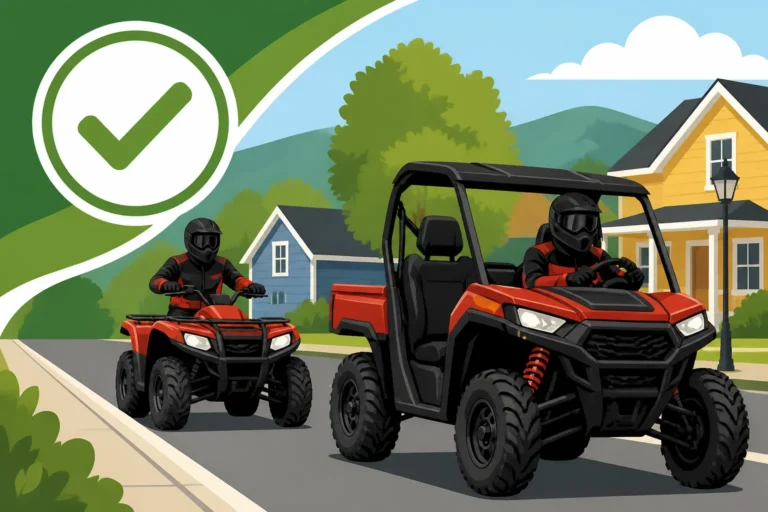
One of the most common areas of confusion arises when ORVs need to use a short stretch of highway to connect two trail sections or to access services. In New Brunswick, this isn't simply allowed on any road; specific sections must be designated by the Minister of Natural Resources and Energy Development, or by municipal bylaws, for off-road vehicle use. When such a designation exists, it means that both quads and snowmobiles, if legally registered and insured, can use that stretch of road. However, you often need a [New Brunswick Highway Usage Permits] to do so. These permits aren't just a formality; they're a critical part of ensuring that riders are aware of the specific conditions and responsibilities that come with sharing a highway with conventional vehicles.
Remember, even on a designated section, the rules of the road for motor vehicles still largely apply. You're expected to operate your machine in a predictable manner, adhere to posted speed limits, and respect other traffic. It's not a trail; it's a shared transportation corridor. Always confirm designations and permit requirements before you venture onto any public road section, as the penalties for unauthorized use can be substantial, including [New Brunswick Fines for Riding Near a Highway].
Speed Limits and Right-of-Way
Speed is a critical factor when different types of vehicles share a space. On designated shared sections of public roads, the speed limit for off-road vehicles is typically lower than for cars and trucks, and it's essential to adhere to these limits. Exceeding them is not only illegal but incredibly dangerous, especially given the different braking and handling characteristics of quads and snowmobiles compared to cars. Furthermore, [New Brunswick Speed Limits on Designated Roads] exist not just for safety, but to minimize disruption to other road users and residents.
When it comes to right-of-way, the general rule is that off-road vehicles must yield to conventional motor vehicles. On shared trails or designated multi-use corridors, the rule of courtesy often prevails: larger, faster machines should give way to smaller, slower ones, and always be prepared to stop. For instance, if you're on a fast-moving quad and encounter a snowmobile, it's prudent to slow down and give them ample space. Always be prepared to [Yielding Every Time You Meet a Car] when traversing any road or crossing. This respectful approach helps prevent accidents and ensures a positive experience for everyone enjoying the outdoors.
Lighting, Signalling, and Visibility Requirements
Visibility is paramount, especially when quads and snowmobiles might be sharing routes, or when either is interacting with road traffic. Both types of machines must be equipped with appropriate lighting, particularly if you're riding after dusk or before dawn. This includes working headlights and taillights. Many riders choose to enhance their visibility with aftermarket lights, and companies like SuperATV offer a wide range of lighting solutions, from LED light bars to brighter replacement headlights, which can be invaluable when navigating mixed-use environments. Such upgrades aren't just for looking cool; they're a vital safety measure.
Beyond lighting, proper signalling is crucial. While quads often have turn signals, snowmobiles typically rely on hand signals. If you're on a quad without turn signals, you must use clear and unambiguous [New Brunswick Hand Signal Requirements] to indicate your intentions, just as you would on a dirt bike. Wearing brightly coloured clothing and helmets can also significantly increase your visibility to other riders and motorists, making you easier to spot whether you're on a snowy trail or a gravel road. Remember, a well-lit and clearly signalled machine is a safe machine, reducing the risk of collisions in shared spaces.
Navigating Multi-Use Trails and Rail Beds
Beyond specific road sections, much of the snowmobile and quad sharing happens on dedicated trail systems, including the vast network of rail beds that crisscross New Brunswick. These multi-use corridors are fantastic resources, offering extensive opportunities for exploration. However, they come with their own set of guidelines to ensure everyone can enjoy them safely and sustainably. Understanding these nuances is key to a harmonious experience.
Seasonal Restrictions and Trail Access
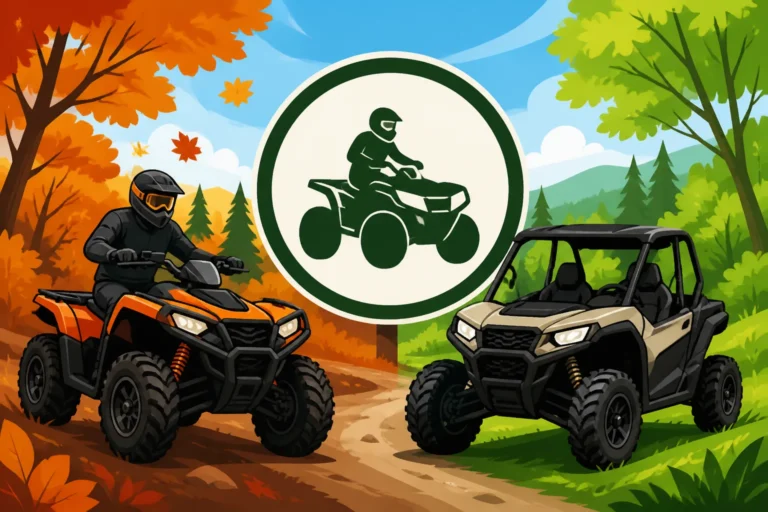
It's a common misconception that if a trail is open for one type of ORV, it's open for all, all the time. This simply isn't true, particularly with snowmobile and quad sharing. Many rail beds and managed trails have seasonal restrictions. For example, some trails primarily managed by snowmobile clubs might be designated solely for snowmobiles during winter months, especially if they are groomed. Conversely, some quad trails might be closed during spring thaw to prevent damage. [New Brunswick's 10,000 Kilometres of Trail] network is extensive, but its usage can change with the seasons.
It's absolutely vital to check the current status of any trail before you head out. Organizations like QuadNB and local snowmobile clubs provide up-to-date information on trail conditions and closures. Disregarding these seasonal rules can lead to significant trail damage, costly repairs, and even fines. It also creates friction between user groups. Respecting these seasonal designations ensures the longevity and quality of our trails for everyone to enjoy, whether you're riding a powerful quad or a nimble snowmobile.
Understanding Trail Signage and Markers
Good signage is the backbone of a safe and efficient trail system, especially where multiple types of machines are present. [New Brunswick Trail Signage Explained] covers a range of markers, from directional arrows and hazard warnings to signs indicating permitted vehicle types and speed limits. On shared trails, you'll often see specific signs indicating "Multi-Use Trail," or separate markers for snowmobiles and ATVs. These signs are not mere suggestions; they are directives put in place by trail managers and clubs to guide riders and prevent conflicts.
Learning to interpret these signs correctly is paramount. A sign indicating "Snowmobiles Only" means exactly that, regardless of whether there's snow on the ground or if you're running heavy-duty SuperATV tires on your quad. Ignoring these signs can lead you into unsafe areas, private land, or zones where your machine is explicitly not allowed. Always pay attention to the markers, especially at junctions and intersections, as they are your best friends in navigating the intricate web of New Brunswick's trail systems.
Respecting the Environment and Infrastructure
Our trails are not just pathways; they're corridors through delicate ecosystems and often traverse private land or sensitive areas. When quads and snowmobiles share these spaces, respecting the environment and the underlying infrastructure becomes even more critical. This means staying on marked trails, avoiding sensitive areas like wetlands, and not creating new routes. Trail clubs invest countless hours and significant funds into maintaining bridges, culverts, and signage, which are essential for safe passage.
Any damage to these structures, whether intentional or accidental, impacts everyone. If you notice a washout, a broken culvert, or a damaged sign, report it to the relevant trail club or authorities. Packing out what you pack in, and perhaps even picking up a piece of litter left by someone else, goes a long way. Ultimately, we are all stewards of these beautiful trails, and a responsible approach ensures that future generations of quad and snowmobile riders can continue to enjoy them.
Promoting Safe and Harmonious Coexistence
Sharing trails and roads isn't just about following rules; it's about fostering a culture of mutual respect and safety. When different types of machines, with varying speeds, sizes, and handling characteristics, operate in the same space, understanding and anticipating each other's movements becomes crucial. It’s about being a good neighbour on the trail, regardless of what you’re riding.
Rider Etiquette for Different Machine Types
Imagine a large, rumbling side-by-side meeting a nimble single-rider snowmobile on a narrow trail. Or a fast-moving quad encountering a group of slower, sight-seeing snowmobilers. These scenarios highlight the need for specific etiquette. As a general rule, slower machines should keep to one side to allow faster machines to pass safely, where conditions permit. When passing, always signal your intention, slow down, and provide ample space. Dust is another major factor on quad trails, and when encountering snowmobilers or other quads, it’s courteous to slow down to minimize dust clouds.
For snowmobilers, being aware of quad characteristics is important. Quads can leave ruts and churn up terrain, especially in less-than-ideal conditions, which can be challenging for snowmobiles. Snowmobilers, in turn, need to be mindful of leaving obstacles like studded track marks that could affect quads later. A simple wave, a nod, or a friendly "hello" as you pass goes a long way in building positive relationships between rider groups. We're all out there to enjoy the beauty of New Brunswick, so let's do it with a smile and respect.
Essential Safety Gear and Practices
Regardless of whether you're on a quad or a snowmobile, wearing the right safety gear is non-negotiable, especially on shared routes. A properly fitted helmet, meeting recognized standards, is legally required for every occupant on an ORV in New Brunswick, as highlighted in [New Brunswick Helmet Law for Every Occupant]. Beyond the helmet, eye protection, gloves, sturdy boots, and appropriate riding apparel are crucial. When sharing trails, this gear protects you not only from potential impacts but also from environmental elements like flying debris, dust, or snow kicked up by other machines.
Practices like maintaining a safe following distance are even more important on shared trails. Different machines have different stopping distances, and varying terrain conditions can alter them further. Always ride within your skill level and the capabilities of your machine. Regular maintenance of your machine, including checking brakes, tires, lights, and fluid levels, ensures reliability and safety. If your machine is equipped with SuperATV protective accessories like full skid plates or heavy-duty bumpers, these can offer an extra layer of protection during unexpected encounters or mishaps on diverse terrain.
Education and Awareness Programs
Knowledge is power, and in the world of shared ORV trails, it's also a key to safety and harmony. Both QuadNB and various snowmobile federations offer safety courses and educational materials. These courses cover everything from basic machine operation and trail etiquette to advanced safety techniques and first aid. Taking a certified safety course, regardless of your experience level, can refresh your knowledge and introduce you to best practices for riding responsibly, especially in multi-use environments.
Awareness campaigns also play a role in informing the public about shared trail rules and the importance of respecting all users. These initiatives often highlight seasonal closures, emphasize speed limits, and promote courteous behaviour. By actively participating in these programs, supporting our local clubs, and staying informed about changing regulations, we collectively contribute to a safer, more enjoyable, and sustainable future for off-road recreation in New Brunswick.
The Impact on Local Communities and Tourism
The concept of snowmobile and quad sharing on trails and roads in New Brunswick extends far beyond just recreational activity. It has a tangible and often significant impact on local economies, community development, and the overall tourism landscape of our province. When managed well, shared access can be a powerful engine for rural prosperity, offering unique experiences that draw visitors from near and far.
Economic Benefits of Shared Trails
Think about a small village along a major multi-use trail. When both snowmobilers in winter and quad riders in other seasons can access that village, it brings a consistent flow of visitors who need fuel, food, lodging, and perhaps even repairs for their machines. This means more business for local gas stations, restaurants, convenience stores, and accommodations. This influx of cash helps sustain local businesses, creates jobs, and keeps communities vibrant. Companies like SuperATV, which provide a wide range of accessories and parts, contribute to this ecosystem by supporting local dealers and empowering riders to customize and maintain their machines for optimal trail performance, further fueling the local economy.
The combined spending power of both quad and snowmobile enthusiasts can be substantial. For example, a group of riders might stop for lunch at a diner, fill their tanks, and then buy groceries for their camp, directly injecting money into the local economy. This economic impact is often most keenly felt in our rural areas, where other forms of tourism might be less prevalent. Shared trails essentially extend the "season" for these businesses, allowing them to remain viable year-round by catering to different types of outdoor recreationists.
Addressing Community Concerns
While the economic benefits are clear, it's also true that shared trail access can sometimes raise concerns among local residents. Issues like noise, dust, increased traffic on rural roads, and potential environmental impacts are valid points that need to be addressed. Effective management of shared trails involves open communication with communities, listening to their feedback, and implementing measures to mitigate negative impacts. This could mean designating specific access points, enforcing strict speed limits through residential areas, or even rerouting trails away from sensitive zones.
For instance, the [New Brunswick's 7.5 Metre Rule From a Highway] is one example of a regulation designed to minimize the impact of ORVs on adjacent properties and highway users. Successful multi-use initiatives are those that actively engage with local stakeholders, seeking to find common ground and build consensus, ensuring that the benefits of shared access are maximized while potential drawbacks are minimized for everyone involved.
Future Outlook for Multi-Use Development
The future of snowmobile and quad sharing in New Brunswick appears promising, with a continued focus on expanding and improving the multi-use trail network. There's a growing recognition of the value these trails bring, both for recreation and economic development. Plans often include developing new connections, upgrading existing infrastructure like bridges and culverts, and exploring innovative ways to integrate different user groups. This could involve more detailed signage, dedicated multi-use sections, or even smart-trail technology to provide real-time information to riders.
Continued collaboration between provincial agencies, municipal governments, and volunteer trail clubs (such as QuadNB and various snowmobile clubs) will be crucial. Their ongoing efforts to maintain and manage these extensive networks, coupled with the commitment of riders to respect the rules and each other, will ensure that New Brunswick remains a premier destination for off-road vehicle enthusiasts for many years to come.
Disclaimer
This article is for general informational purposes only and does not constitute professional advice. Laws, prices and regulations vary by location and change over time. Consult a qualified professional for guidance on your specific situation.