New Brunswick Uninsured ATV Fine of $604.50
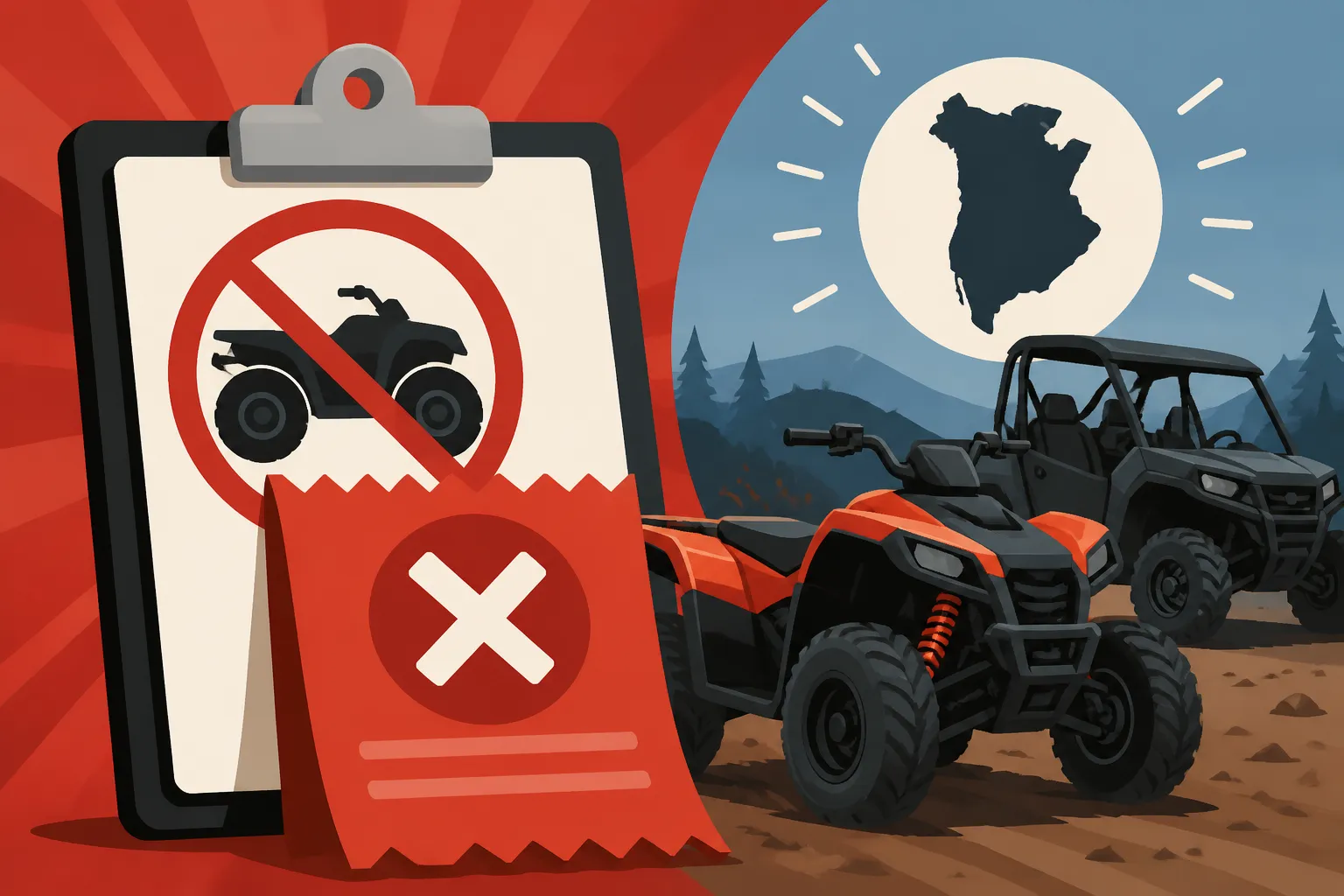
It's a sinking feeling, isn't it? You're out enjoying the trails of beautiful New Brunswick, the sun on your face, the wind in your hair, and then suddenly, there are flashing lights behind you. An officer approaches, asks for your paperwork, and you realize your ATV isn't insured. The result? A hefty New Brunswick uninsured ATV fine of $604.50. This guide is here to walk you through exactly what that fine entails, why it exists, and most importantly, how to avoid it so your trail rides remain worry-free.
Understanding New Brunswick's ATV Insurance Requirement
Let's be honest, insurance often feels like just another bill, another piece of paper to keep track of. But when it comes to riding your ATV or UTV in New Brunswick, it's not just a suggestion; it's a critical legal requirement that protects everyone on the trails.
The 'Why' Behind the Rules
New Brunswick, like many other provinces, has seen a significant increase in off-road vehicle usage. With more machines comes a greater potential for accidents, property damage, and personal injury. The province's Off-Road Vehicle Act was put in place to ensure that if something unfortunate does happen, there's a safety net in place. Imagine being involved in an accident, even a minor one, and discovering the other party has no way to cover damages or medical expenses. It can turn a recreational outing into a financial nightmare.
The trail system here, particularly those managed by groups like QuadNB, relies on responsible riding and a framework that minimizes risk for all users. The insurance requirement directly supports this by making sure that financial accountability is part of the package when you choose to ride. It's not just about protecting yourself, but about protecting others and the integrity of the trails we all share. Without this requirement, the financial burden of accidents would fall solely on individuals, or even public services, which isn't sustainable for our vibrant riding community.
Who Needs Insurance and When
The rule is pretty clear: if you're riding your ATV or UTV on any designated off-road trail, public land where ATVs are permitted, or crossing a highway where allowed, you must have valid liability insurance. This isn't just for thrill-seekers on remote trails; it applies to everyone, whether you're taking a leisurely ride through a provincial park or just making a quick hop across a secondary road to get to another trail section. [New Brunswick Requires Insurance on Trails] details this extensively.
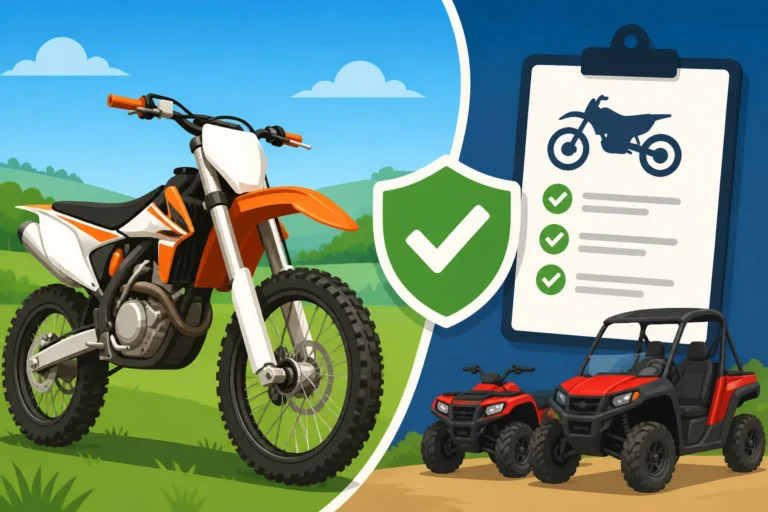
However, there are a few important nuances. For instance, if you're riding exclusively on your own private property and never venture onto public trails or roads, the provincial insurance requirement generally doesn't apply. This is a common misunderstanding, and it's vital to know the distinction. Even then, many private landowners still choose to carry insurance for their own peace of mind, as accidents can happen anywhere. Another key point: dirt bikes have a specific exemption. [New Brunswick Insurance Exemption for Dirt Bikes] clarifies that while registered, they don't always require the same trail insurance as ATVs and UTVs. This distinction often surprises people, so always check the specifics for your type of machine.
Proof of Insurance: What to Carry and How
Having insurance is one thing, proving you have it is another. When an officer stops you on a trail or road, they're going to ask for your documents. This is where many riders get caught off guard. It's not enough to simply have a policy; you need to carry proof of that policy with you on the machine. This usually means your insurance card or certificate.
The province mandates that you carry proof of your vehicle's registration, your driver's license (or Class 9 if applicable), your safety training certificate (if required for your age), and your valid trail permit. And yes, a current copy of your liability insurance is absolutely part of that quartet. [New Brunswick Proof of Insurance on the Machine] stresses the importance of having this physical proof. Many riders store these documents in a waterproof bag in their storage box or saddlebag. Relying on a digital copy on your phone can be risky, especially in areas with no cell service or if your phone battery dies. Think about having a laminated copy for durability, especially if you're hitting the muddy trails often. It's a small step that can save you a huge headache and a significant fine. [Carrying Four Documents at Once] is a great resource if you're unsure what should be in your document pouch.
Deconstructing the $604.50 Fine for Uninsured ATVs
When we talk about a $604.50 fine, it's not just a number pulled out of thin air. It's a specific amount designed to reflect the seriousness of the offense and act as a deterrent. Let's break down what this penalty truly means for riders.
The Immediate Impact of a Ticket
Receiving a ticket for riding an uninsured ATV or UTV carries an immediate financial sting of $604.50. This isn't a "slap on the wrist" fine; it's a substantial amount that can quickly derail a fun weekend or throw a wrench into your budget. This figure includes the base fine itself plus any applicable surcharges, which can vary slightly but are generally standardized across the province.
Beyond the dollar amount, there's the inconvenience and stress of the situation. Being pulled over, having to deal with the officer, and receiving a ticket can be an upsetting experience, especially if you genuinely forgot your paperwork or weren't aware of the specific requirement. It can cast a shadow over your entire riding day. Furthermore, if you're operating a machine that doesn't belong to you, and it's uninsured, the responsibility (and the fine) typically falls to the operator, although the owner could also face consequences if they knowingly allowed an uninsured machine to be ridden. It's a clear message from the province: take insurance seriously, or face a significant financial penalty.
Beyond the Fine: Other Potential Consequences
While the $604.50 fine is the most immediate consequence, not having insurance can lead to other, potentially more severe, issues. Let's consider a scenario where you're involved in an accident while uninsured. Even if it's a minor fender-bender with another ATV, or perhaps you accidentally cause damage to private property adjacent to a trail, you are personally liable for all damages. This means out-of-pocket expenses for repairs, medical bills for injured parties, and potentially legal fees if the situation escalates. That $604.50 fine might seem trivial compared to a lawsuit seeking tens of thousands of dollars for injuries or property damage.
Another often-overlooked consequence is the potential impact on your future insurability. Having a record of operating a vehicle without mandatory insurance can make it harder, or more expensive, to obtain insurance in the future, not just for your ATV, but potentially for other vehicles like your car or truck. Insurance companies view such infractions as a sign of higher risk. In some severe cases, repeat offenses could even lead to your machine being impounded, causing further expenses and logistical nightmares. [New Brunswick Penalties for Riding Uninsured] gives a broader overview of the various repercussions you might face.
How the Fine Breaks Down
The $604.50 fine for operating an uninsured ATV in New Brunswick is typically a combination of a base fine set by regulation and additional victim fine surcharges. While specific legislative documents would detail the exact breakdown, this structure is common across many traffic and vehicle-related infractions. The base fine represents the core penalty for the offense itself, while the victim fine surcharge is a mandatory addition, legislated to support programs and services for victims of crime. This means that a portion of every fine collected goes towards a broader public good, even though it adds to the total amount you have to pay.
It's important to understand that this is a "set fine" amount, meaning it's a standardized penalty for this particular offense. You won't find yourself in a situation where an officer has discretion to issue a lower amount for riding without insurance, unlike some other types of infractions where a range might apply. The consistency ensures that everyone committing the same offense faces the same immediate financial consequence. This fixed amount serves as a clear benchmark for what the province considers a serious breach of off-road vehicle regulations.
Navigating Insurance Options for Your ATV or UTV
So, you understand the importance of insurance and the hefty fine for not having it. Now, let's talk about how to actually get covered. It's not as daunting as it might seem, and there are options out there for every rider.
Types of Coverage to Consider
When you're looking for ATV or UTV insurance, you'll generally encounter a few main types of coverage, similar to car insurance, but tailored for off-road vehicles.
- Liability Coverage: This is the absolute minimum you need and is what the province mandates. It protects you financially if you're found responsible for causing injury to another person or damaging their property while operating your ATV. For example, if you accidentally hit another rider on the trail, or damage a farmer's fence while cutting across a field (with permission, of course!), your liability coverage would kick in to cover those costs. Without it, these expenses come directly out of your pocket.
- Collision Coverage: This covers damage to your own ATV if you're involved in an accident, regardless of who is at fault. Hit a tree? Roll your machine on a tricky incline? Collision coverage helps pay for the repairs or replacement of your ATV, minus your deductible. For those with newer, more expensive machines, this can be invaluable.
- Comprehensive Coverage: This protects your ATV from non-collision-related incidents. Think theft, vandalism, fire, or damage from natural disasters like floods or falling trees. If your ATV is stolen from your garage or damaged in a lightning storm, comprehensive coverage would help you recover.
- Uninsured/Underinsured Motorist Coverage: This is a smart addition, especially on shared trails. It protects you if you're hit by another ATV rider who doesn't have insurance or doesn't have enough insurance to cover your damages. While New Brunswick mandates liability, unfortunately, not everyone follows the rules.
- Specific Endorsements: Depending on your usage, you might want to add endorsements. If you use your ATV for work, like on a farm or for guiding, you might need specific commercial endorsements. If you have custom parts or modifications, you might need to ensure they're covered too.
Shopping for the Right Policy
Finding the right insurance policy means doing a bit of legwork. It's always a good idea to get quotes from multiple providers. Many major insurance companies that offer car or home insurance also have ATV/UTV policies. Think about companies like TD Insurance, Aviva, or even local brokers who specialize in recreational vehicles.
When you're getting quotes, be prepared to provide details about your machine (make, model, year, VIN), your riding habits (how often, where you ride), and your driving record. Don't just focus on the lowest premium; compare what each policy actually covers, the deductibles, and any exclusions. Sometimes paying a little more for better coverage can save you a lot in the long run. Also, ask about discounts! Many insurers offer discounts for bundling policies (e.g., ATV, car, home), for completing an approved ATV safety course, or for being a member of an ATV club like QuadNB. [New Brunswick Insurance Cost for an ATV] and [New Brunswick Insurance for a Side-by-Side] can give you an idea of what to expect, but remember, prices vary based on many factors.
Common Pitfalls and How to Avoid Them
One of the biggest pitfalls is assuming your home insurance policy will cover your ATV. While some home policies might offer very limited coverage for ATVs on your own property, they almost never extend to liability coverage required for riding on trails or public lands. Always check with your insurance provider directly and get written confirmation of your ATV coverage. Don't just assume!
Another mistake is letting your policy lapse or forgetting to renew it. Set reminders, mark your calendar, or opt for automatic renewals if your provider offers them. It's easy to get caught up in life and overlook an insurance renewal notice, only to find yourself riding uninsured without even realizing it. Also, be honest about your usage. If you tell your insurer you only ride on private land, but regularly hit the public trails, you could void your policy if you need to make a claim. This would leave you completely exposed financially, even if you thought you were covered. Finally, understanding the paperwork is key. Using resources like those available through LawDepot can help you generate legal documents and understand the language often found in policies, ensuring you're clear on what you're signing.
What to Do If You're Caught Without Insurance
It happens. Maybe you genuinely forgot, or perhaps you made a mistake and ventured onto a trail you thought was private. If an officer stops you and you can't produce proof of insurance, here's what you can expect and what your options are.
The Immediate Aftermath of Being Stopped
First and foremost, remain calm and respectful with the officer. Arguing or being uncooperative will not help your situation and could potentially lead to further charges. The officer will typically ask for your driver's license, ATV registration, trail permit, and proof of insurance. If you cannot provide valid proof of insurance, they will likely issue you a ticket for the $604.50 fine. They will explain the charge and the process for paying or disputing it.
The machine itself may not be immediately impounded for a first offense of no insurance, but the officer may advise you that you cannot continue riding it on public land or designated trails until you can prove it is insured. This might mean having to arrange for someone to pick up your ATV, or even loading it onto a trailer if you brought one, rather than continuing your ride. It's an inconvenient and costly interruption to your day, but it's important to comply with their instructions to avoid escalating the situation further.
Options for Disputing or Paying the Fine
Once you have the ticket in hand, you generally have two main options: pay the fine or dispute it.
- Paying the Fine: If you acknowledge the offense and don't wish to dispute it, you can pay the fine. The ticket will usually outline the methods for payment, which often include online payments, mail, or in-person at a Service New Brunswick centre. Paying the fine means you are admitting guilt to the offense.
- Disputing the Fine: If you believe you were wrongly issued the ticket, or if you can later provide proof that you did have insurance at the time of the stop (perhaps you just didn't have the physical card on you), you can dispute the fine. The ticket will provide instructions on how to request a court date. This typically involves notifying the court within a specific timeframe (e.g., 15-30 days) that you intend to plead not guilty. In court, you'd present your case, which might include showing your valid insurance policy from the date of the offense. Sometimes, if you can quickly show proof of valid insurance that was active at the time of the ticket, you might be able to have the charge dropped or reduced, but this isn't guaranteed and varies by jurisdiction and circumstance.
Taking Steps to Prevent Future Issues
After receiving a fine for being uninsured, it's a stark reminder to get your affairs in order. The most crucial step is to immediately obtain a valid ATV insurance policy if you don't already have one. Don't delay. Then, make it a habit to always carry the required documents with you. [New Brunswick Registration Paperwork Checklist] is an excellent resource to ensure you have everything.
Create a dedicated pouch or small, waterproof bag for your ATV documents: registration, insurance card, driver's license, and trail permit. Keep it stored securely on your machine, perhaps in a glove box or under the seat, so it's always there when you need it. Before every ride, do a quick check of your document pouch, just like you'd check your fuel level. It might feel a bit excessive at first, but it quickly becomes second nature and is far less hassle than dealing with another $604.50 fine. If you use a digital proof, ensure it's easily accessible and you have a backup plan for no signal or dead battery.
Exemptions and Special Circumstances
While the general rule is "insurance required on trails," New Brunswick's Off-Road Vehicle Act does have a few specific situations where the insurance requirement might not apply or is handled differently. It's crucial to understand these nuances to avoid assumptions that could lead to a fine.
Riding on Private Land Exclusions
As mentioned earlier, one of the most significant exemptions relates to private property. If you own an ATV and ride it exclusively on land that you own or lease, and you never venture onto public trails, roads, or other public property where the ORV Act applies, then you are generally not required to carry the provincial minimum liability insurance for trail riding. [New Brunswick Owner-Only Private Land Exemption] clarifies this specific scenario.
However, this doesn't mean you're immune from risk. Accidents can still happen on private land, and without insurance, you'd be personally responsible for any damages or injuries. Many landowners still opt for a personal liability policy, sometimes bundled with their home insurance, even for private land use. This provides a safety net if, for example, a guest riding on your property is injured, or if you accidentally cause damage to a neighbour's property. The exemption is about the mandatory provincial trail insurance, not about eliminating all risk. Always consider your personal exposure and what level of protection you're comfortable with. [Riding Your Own Land Without Trail Insurance] delves deeper into these considerations.
Dirt Bikes and Specific Exemptions
Here's where things get a bit interesting for two-wheeled off-road enthusiasts. In New Brunswick, dirt bikes (often classified as off-road motorcycles) have a distinct exemption regarding trail insurance. While they generally still need to be registered and display a plate if ridden off private property, they are not typically subject to the same mandatory liability insurance requirement as ATVs and UTVs when ridden on designated trails. [New Brunswick Insurance Exemption for Dirt Bikes] provides the definitive information on this.
This exemption is often due to how dirt bikes are classified and their historical usage, sometimes aligning more with traditional motorcycle regulations, or a recognition of different risk profiles. However, don't confuse this exemption with a free pass. Dirt bike riders still need to be aware of all other rules, including registration, trail permits, helmet laws, and age restrictions. If a dirt bike is modified to be street legal and ridden on public roads, it would then fall under motor vehicle insurance requirements, which are much stricter. It's a specific exemption, not a blanket removal of all responsibility.
Understanding Rental Machine Insurance
If you're planning to rent an ATV or UTV for a day trip or a guided tour in New Brunswick, you might wonder about the insurance. Reputable rental companies and tour operators in the province are responsible for ensuring their fleet of machines is properly insured. When you rent a machine, the liability insurance for the vehicle itself is usually covered by the rental company's policy.
However, you, as the renter, will typically be required to sign a waiver and might be offered optional damage waiver insurance (similar to what you'd see with a rental car) that covers any damage you might cause to the rental machine itself. It's essential to read the rental agreement carefully to understand exactly what is covered by the rental company and what your personal liability would be. Don't assume anything. Ask questions about collision damage, theft, and any deductibles you might be responsible for in case of an incident. This ensures both you and the rental company are protected, allowing you to enjoy your ride without unexpected financial surprises.
Protecting Yourself: Best Practices for ATV Ownership
Beyond just avoiding fines, responsible ATV ownership is about safeguarding your investment, your well-being, and the future of riding in New Brunswick. A little preparation goes a long way.
Regular Document Checks
It's easy to stick your registration and insurance card in a pouch and forget about them until an officer asks. However, regular checks are a simple, yet effective, best practice. Before the start of each riding season, or even quarterly, take a few minutes to pull out all your documents.
Check the expiry dates on your registration, your trail permit, and especially your insurance policy. Are they all current? If your driver's license is nearing its expiry, make plans to renew it. While you're at it, inspect the physical condition of your documents. Is your insurance card faded and unreadable? Is your registration certificate torn? If so, consider getting replacements. For instance, Service New Brunswick can issue a [New Brunswick Replacement Certificate at $20] and also handles replacement plates and decals. Clear, legible documents demonstrate responsibility and make interactions with officials much smoother. This small routine can save you a significant amount of stress and potential fines down the road.
| Document Type | When to Check | Key Details to Verify | Where to Get Replacements |
|---|---|---|---|
| ATV Registration | Annually (before Dec 31 renewal) | Expiry Date, Your Address | Service New Brunswick |
| Insurance Card/Cert. | Annually (policy renewal date) | Effective Dates, Policy # | Your Insurance Provider |
| Driver's Licence | Every few years (as printed) | Expiry Date, Your Address | Service New Brunswick |
| Trail Permit Sticker | Annually (seasonal purchase) | Current Season's Validity | QuadNB, Dealers, Service NB |
| Safety Certificate | Once (keep for life) | Your Name, Course Date | Course Provider/Service NB |
Educating Yourself and Others
The rules and regulations for ATV and UTV riding in New Brunswick are not static. They can evolve, new bylaws might be introduced, or existing ones might be updated. It's your responsibility as a rider to stay informed. Regularly check the official Service New Brunswick website for updates on off-road vehicle laws, or the QuadNB website for trail-specific rules and permit information. Joining a local ATV club is also an excellent way to stay in the loop, as clubs often share information about changes in regulations, trail conditions, and local events.
If you often ride with friends or family, especially those new to the sport or visiting from out of province, take the time to share your knowledge. Ensure they understand New Brunswick's specific requirements regarding registration, insurance, helmets, and age restrictions. Many of these rules, such as [New Brunswick ATV Age Requirements] or [New Brunswick ATV Helmet Law], are critical for safety and legal compliance. It's about fostering a culture of responsible riding throughout the community, which ultimately benefits everyone. Knowledge is power, and in this case, it's also a powerful tool for avoiding penalties.
Leveraging Resources Like Online Templates
Sometimes, getting all your paperwork in order feels like a huge task. For things like creating a bill of sale for a private transaction, writing a permission letter to ride on private land, or understanding various legal agreements, online resources can be incredibly helpful. Platforms like LawDepot offer a range of legal document templates that can guide you through the process of creating legally sound paperwork.
For instance, if you're selling your ATV, a comprehensive bill of sale template ensures all necessary details are covered, protecting both buyer and seller. If you're buying a used machine, having access to these kinds of templates can help you identify what documents you should be receiving, like a proper transfer of ownership. [New Brunswick Transfer of Ownership Explained] is a crucial read here. While these resources aren't a substitute for legal advice, they provide a structured, accessible way to manage the administrative side of ATV ownership, reducing errors and ensuring you have the right documentation when you need it. This systematic approach contributes significantly to staying compliant and avoiding issues that could lead to fines or disputes.
Disclaimer
This article is for general informational purposes only and does not constitute professional advice. Laws, prices and regulations vary by location and change over time. Consult a qualified professional for guidance on your specific situation.