New Brunswick Penalties for Riding Unregistered
Riding an off-road vehicle (ORV) in New Brunswick is an exhilarating experience, offering access to thousands of kilometres of stunning trails and beautiful backcountry. However, the thrill can quickly turn into a significant headache – and a financial hit – if your machine isn't properly registered. This guide will walk you through the very real and often surprising penalties for riding an unregistered ATV or UTV in our beautiful province, helping you understand why staying on the right side of the law is so crucial.
The Immediate Consequences of Riding Unregistered
It’s easy to think that skipping registration might save you a few bucks or a bit of time. But trust me, from the moment an enforcement officer spots your unregistered machine, those small savings can vanish, replaced by hefty fines and a whole lot of stress. New Brunswick takes its ORV regulations seriously, and for good reason: registration helps fund trail maintenance, ensures accountability, and contributes to the overall safety of the riding community.
Understanding the Steep Financial Penalty
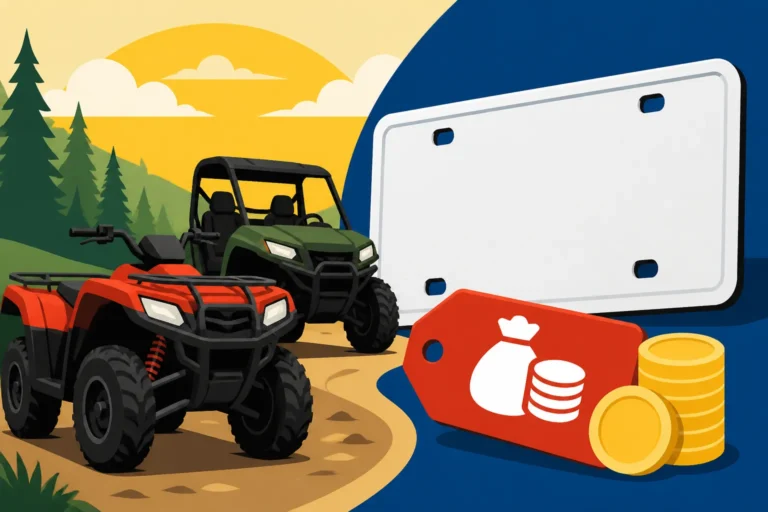
Let's not beat around the bush: the most immediate consequence of riding an unregistered ATV or UTV in New Brunswick is a substantial fine. We're talking about the [New Brunswick No-Registration Fine of $172.50]. This isn't just a minor slap on the wrist; it's a significant amount of money that could have been better spent on gas for your machine, a new piece of gear, or even contributing to your favourite local club.
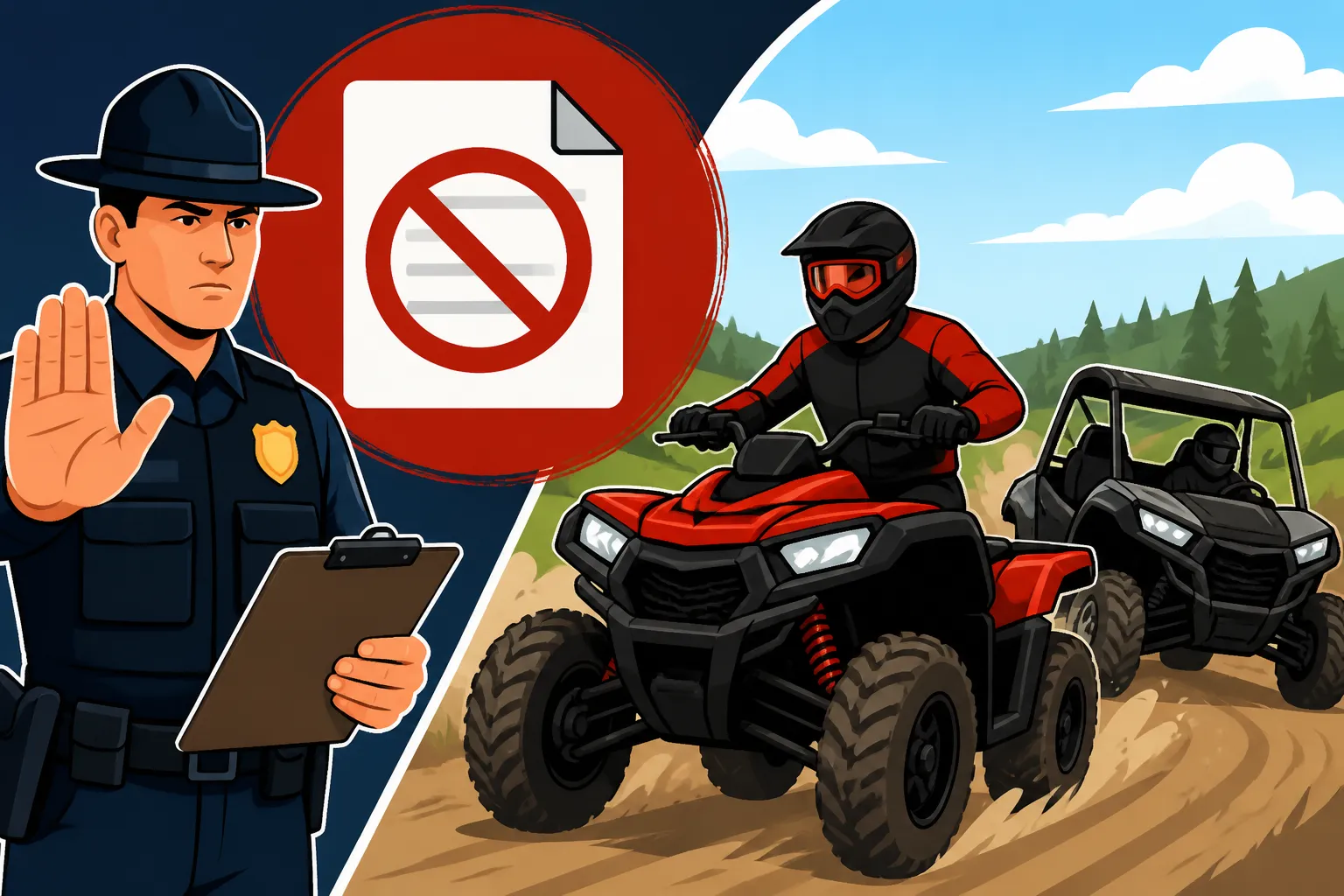
Think about it: that fine alone is often more than the annual registration cost itself, which makes the choice to ride unregistered a losing proposition right from the start. You're essentially paying a premium for not following the rules. When an officer pulls you over, they're not just looking for speeding; they're checking for valid registration, proof of insurance, and that all occupants are wearing proper helmets. Coming up short on any of these can lead to fines, but the lack of registration is one of the most fundamental violations.
This penalty isn't just about revenue; it's about discouraging illegal activity and ensuring that everyone contributing to the trail system is doing their part. When you register your machine, you're not just getting a plate; you're becoming part of a regulated system designed to keep trails open and safe for everyone. Failing to register means you're circumventing this system, and the province has made it clear there are consequences for that.
Beyond the Ticket: The Risk of Impoundment and Towing
While the fine itself is a major deterrent, the situation can escalate quickly beyond just a monetary penalty. If you're caught riding an unregistered ORV, an enforcement officer has the authority to have your machine towed and impounded. Imagine being out on a fantastic day, deep in the woods or on a scenic trail, only to have your ride abruptly ended and your machine hauled away on a flatbed.
The costs associated with towing and impoundment can quickly dwarf the initial fine. You'll be on the hook for the towing fee, daily storage fees at the impound lot, and possibly administrative charges before you can even think about getting your ORV back. This isn't a small inconvenience; it can mean hundreds of dollars in unexpected expenses, not to mention the logistical nightmare of arranging for pickup, often from a remote location. It’s a frustrating and completely avoidable situation that many riders have unfortunately experienced.
Furthermore, an impounded machine isn't just a financial burden; it's a disruption to your life. You might miss out on planned rides, face difficulties getting to work if you rely on the machine, or simply have to put valuable time and energy into rectifying a situation that could have been prevented with a simple registration. It truly highlights why New Brunswick Penalties for Riding Unregistered are designed to be a strong disincentive.
Navigating the Registration System to Stay Legal
Avoiding penalties is really quite straightforward: register your machine and keep that registration current. The process in New Brunswick is designed to be accessible, and understanding the few key steps can save you a world of trouble and ensure your adventures stay on track.
First-Time Registration Essentials
When you purchase a new or used ATV or UTV, one of the first things on your checklist should be registration. For a brand-new machine, you'll typically need your identification, proof of purchase (like a bill of sale), and the Manufacturer's Statement of Origin (MSO) or Certificate of Origin. This document proves that your machine is new and has not been previously registered. Taking these items to a [New Brunswick Service Centres That Register ORVs] will get you started.
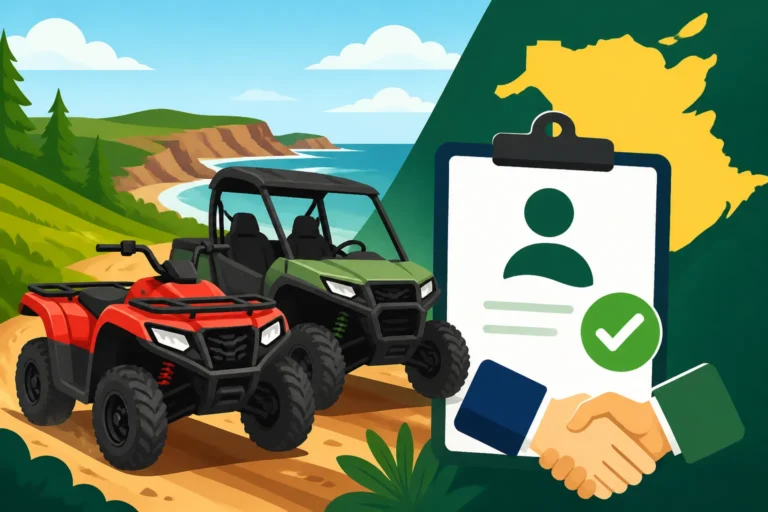
For a used machine bought from a private seller, the process is slightly different but equally critical. You'll need a valid bill of sale signed by both you and the previous owner, along with your identification. A comprehensive bill of sale is vital here, as it acts as your proof of ownership. If you're unsure how to draft one, resources like LawDepot offer reliable templates that can help ensure all the necessary information is included, protecting both parties and smoothing the registration process. This is especially important for [New Brunswick Registration After a Private Sale]. Without proper documentation, you could find yourself unable to register the machine, leaving you in a very tricky spot.
It's tempting to put off this paperwork, especially after the excitement of a new purchase. But delaying registration means every ride you take is a gamble. Make it a priority to visit Service New Brunswick promptly after acquiring your ORV. Having all your ducks in a row with documents like your bill of sale and ID will make the process quick and painless, setting you up for legal and enjoyable riding from day one.
The Importance of Timely Renewals
Getting your machine registered the first time is a great start, but it's only half the battle. In New Brunswick, all ORV registrations operate on an annual cycle, meaning [New Brunswick Registrations Expire December 31] of each year, regardless of when you first registered it. This universal expiry date means you always know when to renew, but it also means it's easy to forget if you're not paying attention.
Forgetting to renew your registration, even by a few days into the new year, puts you at risk of the same penalties as someone who has never registered their machine. Many riders get caught out in early January, thinking they have a grace period, but that's simply not the case. Your plate sticker clearly shows the year of validity, and officers will be checking. Renewing your registration is typically much quicker and easier than the initial process.
You have several convenient options for renewal. Many riders choose [New Brunswick Renewal Online] through the Service New Brunswick website, which is quick and available 24/7. Alternatively, you can renew [New Brunswick Renewal by Phone] or visit one of the many Service New Brunswick centres in person. Whichever method you choose, setting a reminder for November or early December is a smart move to ensure you're always legal when you hit the trails.
Specific Riding Scenarios and Registration Requirements
One of the biggest areas of confusion for ORV riders often revolves around where registration is actually required. There are some common misconceptions that can lead riders into trouble, so let's clarify those distinctions to keep you safe and legal.
Public Trails vs. Private Land: Clearing Up Misconceptions
A frequent misunderstanding among riders is the belief that if you're "just riding on private land," you don't need to register your ATV or UTV. While there is a specific [New Brunswick Owner-Only Private Land Exemption], it's much narrower than many people realize. This exemption generally applies only if you are riding exclusively on land you own, and the machine never touches or crosses any public property – not a public road, not a ditch beside a public road, and certainly not a managed club trail.
The moment your wheels touch a public trail, a road allowance, a shared woods road, or any land that isn't solely your own, your machine must be registered. This includes club trails that often traverse private woodlots (with permission) but are part of a larger, managed public network. Many "private" woods roads that feel secluded are actually easements or public access points, and riding an unregistered machine on them is a risk. An officer patrolling these areas will expect to see a valid plate and sticker.
Think about the implications: if you need to cross a short stretch of road to get from one part of your property to another, or to access a trail that borders your land, your machine needs to be registered. There's no grey area here. The safest approach is always to assume registration is required unless you are absolutely certain that every inch of your ride is confined to your private, non-publicly accessed land. It’s better to be safe than sorry when it comes to avoiding penalties.
Buying Used: Ensuring a Smooth Transfer of Ownership
Buying a used ATV or UTV can be a fantastic way to get into the sport or upgrade your machine. However, it also comes with a unique set of responsibilities to ensure you don't inherit someone else's problems – or create new ones for yourself. The most crucial step is to verify the machine's registration status before you hand over any money and to ensure a prompt and proper transfer of ownership.
Before completing the purchase, always ask to see the previous owner's registration certificate. This helps confirm they are the rightful owner and can also provide the VIN for you to conduct your own checks, such as looking into [New Brunswick Registration and Lien Records] to ensure there are no outstanding liens. Once you've purchased the machine, the clock starts ticking on transferring the registration into your name. Failing to do so promptly means the machine is still legally tied to the previous owner, and you would be riding an unregistered ORV, subject to penalties.
A legally sound bill of sale is paramount in a private sale. It protects both the buyer and the seller by clearly stating the terms of the sale, the date, the price, and the machine's details. If you're buying or selling privately, consider using a reliable service like LawDepot to create a professional bill of sale. This ensures all the necessary legal components are included, making the transfer of ownership at Service New Brunswick much smoother and preventing future disputes. This foresight can save you from a major headache down the road.
Broader Implications and Community Responsibility
Beyond the personal financial and logistical burdens, riding an unregistered ORV has wider implications that affect the entire riding community and the integrity of New Brunswick's trail system. It's not just about individual compliance; it's about being a responsible member of the ORV family.
Enforcement and the Rationale Behind the Rules
You might wonder why New Brunswick has such strict rules for ORV registration. The answer lies in safety, trail sustainability, and legal accountability. Various law enforcement agencies, including the RCMP, local police, and conservation officers, actively patrol trails and roads where ORVs operate. Their presence isn't just to catch offenders; it's to ensure everyone is adhering to the rules designed to protect riders and maintain public order.
Registration fees directly contribute to the maintenance and development of New Brunswick's extensive ORV trail network. These funds help the clubs and the QuadNB Federation to groom trails, repair bridges, install signage, and manage the vast network we all enjoy. When machines are unregistered, they aren't contributing to this vital infrastructure, yet their riders are still using it. This puts an unfair burden on those who do comply and undermines the funding model that keeps our trails exceptional. It's all part of what [What New Brunswick's Off-Road Vehicle Act Covers].
Moreover, registration aids in tracking machines in case of theft or accidents. An unregistered machine is much harder to recover if stolen and can create complications in accident investigations. Adhering to registration laws helps law enforcement maintain records and deter criminal activity, making the sport safer for everyone involved. It’s a collective responsibility that ultimately benefits every rider.
Unregistered and Uninsured: A Double Whammy
If riding an unregistered machine is problematic, riding one that is both unregistered and uninsured is a recipe for disaster. In New Brunswick, [New Brunswick Requires Insurance on Trails], meaning you need valid liability insurance to operate your ORV on public trails. Many riders wrongly assume that if they have insurance, they're fully covered, but operating an unregistered machine can, in fact, void your insurance policy.
Imagine this scenario: you're involved in an accident, and your machine isn't registered. Even if you hold an insurance policy, your insurer might deny your claim on the grounds that you were operating the vehicle illegally. This leaves you personally liable for any damages or injuries, which could amount to tens or even hundreds of thousands of dollars. The financial fallout from such a situation could be catastrophic, far exceeding any fine or impoundment cost.
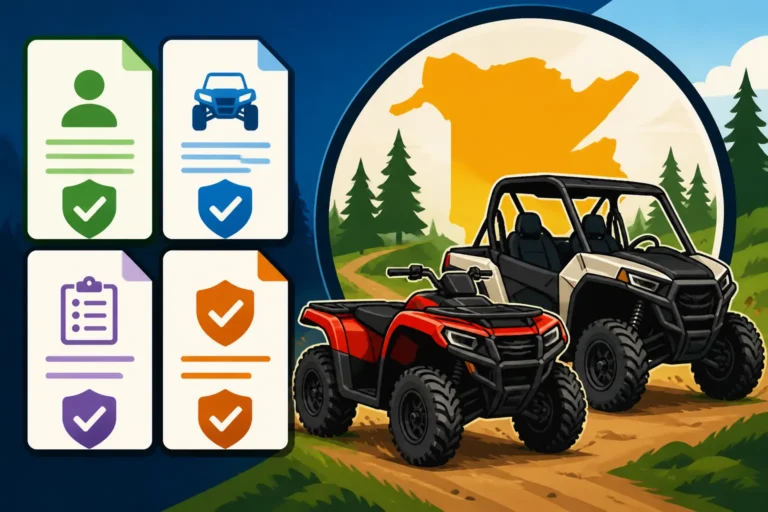
| Document Type | Purpose | Key Details | Why It Matters for Avoiding Penalties |
|---|---|---|---|
| Proof of Ownership | Establishes who legally owns the ORV. | – New Machine: Manufacturer's Statement of Origin (MSO) / Certificate of Origin. | Essential for initial registration; without it, you cannot prove the machine is yours to register. |
| – Used Machine: Bill of Sale. Should include VIN, make, model, year, purchase price, seller/buyer details, and signatures. Tools like LawDepot can help draft a comprehensive one. | A clear bill of sale is crucial for transferring ownership and registering a used machine, preventing disputes and proving legal acquisition. | ||
| Proof of Identity | Verifies you are who you say you are. | – Valid driver's licence. | Required by Service New Brunswick for any registration transaction. |
| – Other government-issued photo ID. | |||
| Insurance Card | Demonstrates you have the legally required liability insurance. | – Shows policy number, coverage dates, and machine details. | [New Brunswick Requires Insurance on Trails]. Carrying proof of insurance is mandatory when riding and avoids additional fines. Operating uninsured can void your policy if unregistered. |
| Registration Certificate | Official document proving your ORV is registered with the province. | – Lists owner's name, address, machine details, and VIN. | Must be carried when riding. This, along with the plate and sticker, is primary proof of legal operation. |
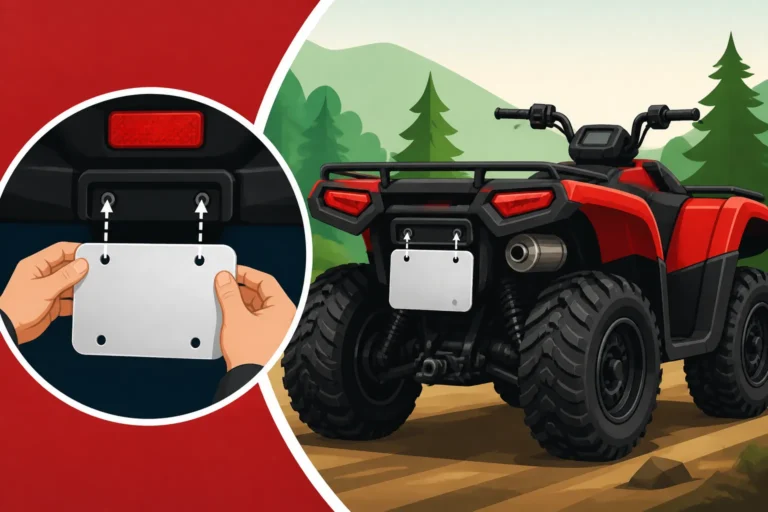
| Plate & Sticker | Visual identification of your registered ORV and its validity. | – Plate with registration number. | The plate and current annual sticker (often placed on the left fender as per [Why the Registration Sticker Goes on the Left Fender]) must be clearly displayed and visible. |
The thought of an accident is unpleasant, but it’s a reality of riding. When you couple illegal operation (unregistered) with potential invalid insurance, you're exposing yourself to immense financial and legal peril. It's a risk simply not worth taking. Ensuring your machine is both registered and adequately insured is the responsible choice, safeguarding not just yourself, but also other riders and the overall health of the New Brunswick ORV community.
Disclaimer
This article is for general informational purposes only and does not constitute professional advice. Laws, prices and regulations vary by location and change over time. Consult a qualified professional for guidance on your specific situation.