Hauling a Machine to a Club Trailhead
Ah, the open road leading to the open trail! It's a feeling every ATV and UTV enthusiast in New Brunswick knows well. But let's be honest, getting your machine from your driveway to that sweet club trailhead isn't always as simple as hopping on and riding. We all face the challenge of safely and legally transporting our off-road vehicles, especially with New Brunswick's specific rules. This guide will walk you through everything you need to know to haul your quad or side-by-side to the trailhead without a hitch, ensuring a smooth start to your adventure.
Why You Can't Just Ride Your Machine to the Trailhead
It's a common dream, isn't it? To just fire up the engine in your yard and ride straight onto the nearest ATV trail. Unfortunately, in New Brunswick, that's rarely an option, and for good reasons. The province has clear regulations designed to keep everyone safe, whether they're on a highway or a dedicated trail. Understanding these limitations is the first step to properly preparing for your ride.
The Road Rules Barrier
The primary reason you can't typically ride your ATV or UTV directly from your home to a New Brunswick club trailhead is the law. Most off-road vehicles are not street-legal. This means they're generally prohibited from operating on public roads, highways, or even the shoulder. While there are some exceptions, like designated road sections within certain municipalities or specific highway crossing points, these are usually very limited and require strict adherence to speed limits and other rules. You can find more information about these specifics in [New Brunswick ATV Road Rules Explained]. Trying to cut corners and ride on public roads where it's not permitted can lead to significant fines and puts you and other road users at risk.
Imagine you live just a kilometer from a beautiful section of the QuadNB network. It might seem like a quick hop, but that "quick hop" could land you a hefty ticket. The 7.5-metre rule, which states you must keep your ORV at least 7.5 metres from the travelled portion of a highway, is enforced diligently. This rule exists precisely to prevent the mixing of high-speed road traffic with slower, less protected off-road vehicles. Even if the road seems deserted, you could still be in violation, and an officer won't hesitate to pull you over.
Safety First, Always
Beyond the legal aspect, there's the undeniable matter of safety. ATVs and UTVs are designed for off-road conditions – dirt, mud, rocks, and uneven terrain. Their tires, suspension, and gearing are not optimized for pavement. Riding them at higher speeds on hard surfaces can lead to unpredictable handling, accelerated tire wear, and a much higher risk of an accident, especially if you encounter unexpected road hazards or other vehicles. The ride can be rough, loud, and frankly, quite uncomfortable compared to a dedicated road vehicle.
Think about it: those aggressive knobby tires that give you fantastic traction on a muddy hill can make your machine feel squirrelly on asphalt. Braking distances can increase, and the lack of proper turn signals or brake lights for road use (on many models) makes you less visible to other drivers. This isn't just about avoiding a ticket; it's about avoiding a serious injury or worse. That's why hauling your machine is the safest and most responsible way to get to your favourite trails, ensuring your adventure starts and ends on a positive note.
Choosing the Right Setup for Transport
Now that we understand why hauling is essential, let's talk about how to do it effectively. Getting your machine to the trail safely and securely requires the right equipment – a capable tow vehicle and a suitable trailer. Don't underestimate the importance of this step; a poorly matched or improperly used setup can turn a fun outing into a dangerous ordeal.
Your Tow Vehicle Matters
Before you even think about a trailer, consider what you'll be pulling it with. Your tow vehicle, whether it's a truck, SUV, or even a car, needs to have the appropriate towing capacity for your ATV or UTV and its trailer. This isn't just a suggestion; it's a critical safety factor. Overloading your vehicle can strain the engine, transmission, and brakes, making it difficult to control, especially on hills or during emergency stops. Always check your vehicle's owner's manual for its maximum towing capacity and tongue weight limits.
You also need to ensure your tow vehicle is equipped with a proper hitch. For most ATV/UTV setups, a Class II or Class III hitch is common, but always match it to the weight of your trailer and machine. Consider the electrical connection as well; you'll need a wiring harness that connects to your trailer's lights, ensuring they function correctly for visibility and legal compliance. Many modern vehicles come with a factory towing package that includes these features, but if yours doesn't, a reputable trailer hitch installer can set you up correctly. Don't forget, if you’re borrowing a truck from a friend, ensure they’ve given you the green light and that you understand its towing capabilities thoroughly.
Selecting the Perfect Trailer
The trailer you use is just as crucial as your tow vehicle. There's a wide range of utility trailers available, from small single-axle units perfect for one ATV to larger tandem-axle trailers that can handle multiple machines or a heavy side-by-side. When choosing a trailer, factor in the weight of your machine(s), plus any gear you'll be carrying. Always err on the side of caution with capacity. An overloaded trailer can sway dangerously, especially at highway speeds, making it incredibly difficult to control.
Consider the ramp system for loading and unloading. Some trailers have a built-in ramp gate, while others require separate ramps. Make sure whatever system you use is sturdy, wide enough for your machine's track, and has a non-slip surface. The condition of the trailer itself is vital: check the tires (including the spare!), lights, and frame for any damage or rust before each trip. Just like your ORV, your trailer needs to be registered in New Brunswick. You'll want to keep your trailer's registration papers handy alongside your other documents, such as your [New Brunswick Documents You Must Carry] for your quad.
Securing Your Machine for the Journey
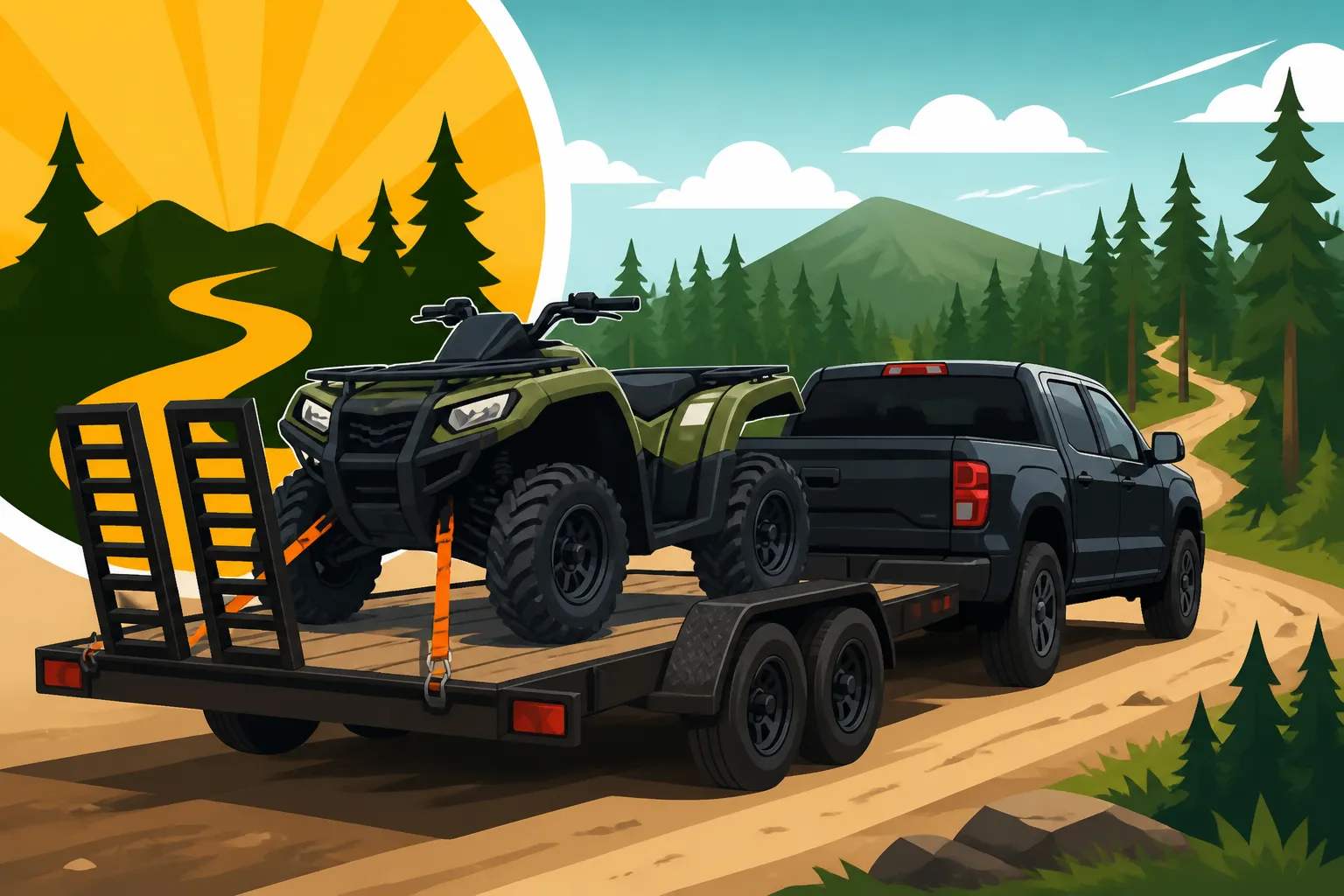
This is where many people go wrong, leading to machines shifting, straps breaking, or even vehicles falling off trailers. Securing your ATV or UTV properly is paramount for safety. You'll need high-quality tie-down straps – ratchet straps are generally preferred over bungee cords or rope, as they provide a much more secure hold and are less prone to stretching or breaking. Aim for at least four tie-down points, securing the front and rear of your machine independently. Cross-strapping (crisscrossing the straps from opposite corners) can add extra stability, especially for heavier machines.
Hook your straps to solid points on both your machine's frame and the trailer's frame. Avoid strapping to handlebars, plastic racks, or suspension components that might compress or shift. Once strapped, give your machine a good shake. It should feel like an extension of the trailer, not something perched on top. You want minimal bounce or sway. Before you leave, double-check all straps and then make a stop after about 15-20 minutes of driving to check them again; straps can loosen slightly as the load settles. It's a small effort that can prevent a big headache, or worse, a dangerous incident on the highway.
Essential Paperwork for a Smooth Trip
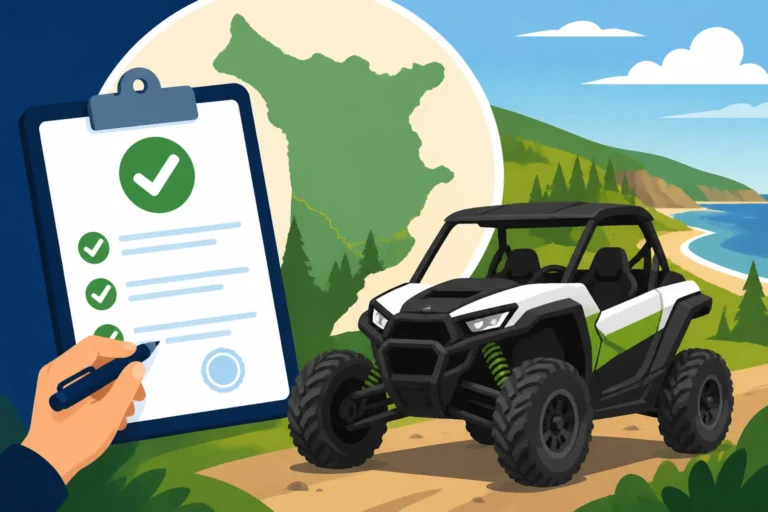
You've got your machine loaded and secured, and your tow vehicle is ready. But before you hit the road towards that club trailhead, you need to ensure all your paperwork is in order. Getting stopped by an officer and realizing you're missing a crucial document can quickly turn a fun day into a frustrating one, complete with potential fines. New Brunswick has specific requirements for both your off-road vehicle and your trailer.
Your Machine's Legal Status
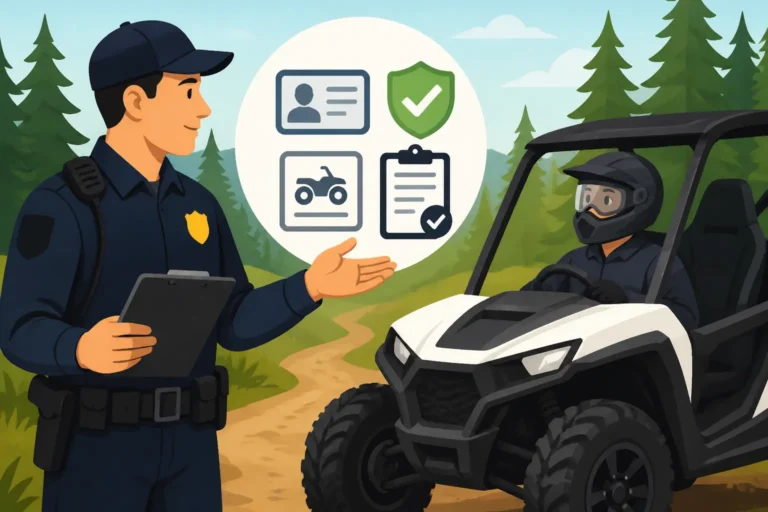
First and foremost, your ATV or UTV must be properly registered with Service New Brunswick. An unregistered machine, even if it's just being hauled, can cause issues if you're pulled over. You should always have your [New Brunswick ORV Registration Explained] certificate of registration with you. This document proves ownership and that your machine is legally on the books in the province. Without it, you could face penalties.
Beyond registration, don't forget about insurance. While your machine might be on a trailer, once it's unloaded at the trailhead and you start riding, you'll need valid insurance. [New Brunswick Requires Insurance on Trails] for most ORVs, and having proof of that insurance readily available is non-negotiable. An officer on a trail can and will ask to see it. It's a good practice to keep these documents (registration and proof of insurance) in a waterproof bag on the machine itself, or with you, rather than just in your tow vehicle, so you have them once you're riding. Keeping copies of all your important papers, perhaps organized using a service like LawDepot for digital backups, can provide peace of mind in case originals are lost or damaged.
Trail Permits and Rider Readiness
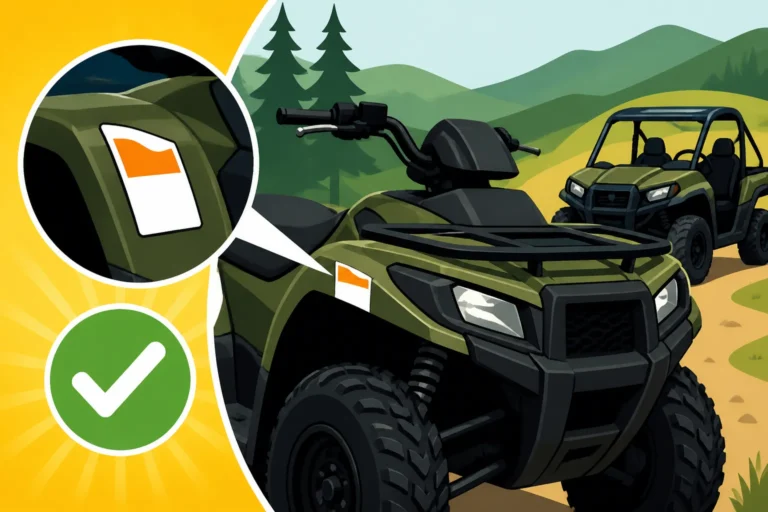
To ride on the extensive QuadNB trail network, you'll need a valid trail permit. This is your access pass to thousands of kilometres of maintained trails. There are different types of permits, including groomed and non-groomed, and youth permits. Always make sure your permit sticker is properly affixed to your machine in the designated spot – usually the left front fender – and that it's current. Without a permit, you're trespassing on club-managed trails and could face fines. Understanding [New Brunswick Trail Permits for 2026 and 2027] is crucial, as prices and agreements can change.
Additionally, as the driver of the tow vehicle, you'll need your valid driver's license. If you're going to be riding the ORV, you'll also need to ensure you meet the age and licensing requirements for operating an off-road vehicle in New Brunswick. For younger riders, completing a safety course and carrying the certificate is often a requirement. Remember, being prepared with all your documents is a sign of a responsible rider and helps maintain a positive image for the entire off-road community.
Lending or Borrowing? Dot Your I's
Sometimes, you might be hauling a friend's machine, or perhaps you've borrowed a trailer. In these situations, it's vital to have clear documentation. If you're hauling someone else's ATV or UTV, it's wise to carry a written note or permission slip from the owner, stating that you have their permission to transport and operate their machine. This can prevent awkward questions from authorities. Similarly, if you've bought a used machine and are hauling it home for the first time, make sure you have the bill of sale with you to prove recent ownership.
For borrowed trailers, ensure you know the owner's details and that the trailer's registration is current. Having copies of these agreements or forms, perhaps prepared with templates from a platform like LawDepot, can smooth over any misunderstandings or legal inquiries. It's all about proactive planning to avoid any unnecessary stress when you're just trying to enjoy the beautiful New Brunswick outdoors. A simple conversation and a signed paper can save a lot of grief.
| Document Type | Required For | Location (Recommended) | Why It's Important |
|---|---|---|---|
| Driver's Licence | Tow Vehicle Driver | Wallet/Personal Carry | Legal requirement for operating any motor vehicle on public roads. |
| Vehicle Registration | Tow Vehicle | Glove Compartment | Proof your tow vehicle is legally registered for road use. |
| Trailer Registration | Trailer | Glove Compartment / Waterproof bag in trailer | Proof your trailer is legally registered for road use. |
| ORV Registration | ATV/UTV | Waterproof bag on ORV / With personal documents | Proof your off-road vehicle is legally registered in New Brunswick. See [New Brunswick Registration Paperwork Checklist]. |
| ORV Insurance Proof | ATV/UTV | Waterproof bag on ORV / With personal documents | Mandatory for riding on trails in New Brunswick. Protects against liability. |
| Trail Permit | ATV/UTV (for trail riding) | Affixed to ORV (left front fender) | Required for legal access to the QuadNB trail network. |
| Written Permission | Borrowed ORV/Trailer | With personal documents / Digital backup (e.g., LawDepot) | Demonstrates legitimate possession and permission to transport or operate property belonging to someone else. |
| Bill of Sale | Recently purchased ORV | With personal documents / Digital backup (e.g., LawDepot) | Proof of ownership for newly acquired machines, essential for avoiding questions about possession during transport. |
| Safety Course Cert. | Young Riders (New Brunswick) | With personal documents / Digital backup | Proves completion of mandatory safety training for specific age groups, ensuring rider competence and safety. |
Pre-Trip Checks and Trailhead Etiquette
You're almost there! All your paperwork is in order, your machine is secured, and you're ready to roll. But a truly smooth journey to the trailhead involves a few final checks before you leave and a good understanding of what to do once you arrive. Being thorough in your preparations and considerate at the trailhead sets the stage for a great day of riding.
Before You Hit the Road
Perform a final walk-around inspection of your entire setup. Check that all tie-downs are snug. Verify that your trailer lights (tail lights, brake lights, turn signals) are working correctly and that the electrical connection is secure. Inspect your trailer tires for proper inflation and any signs of wear or damage – a flat tire on the side of the highway is a major inconvenience nobody wants. Give your machine itself a quick once-over: make sure loose items are stored away, the key is in a safe spot, and nothing is rattling around.
Remember to consider your route. Plan your drive to the trailhead, especially if you're heading to a new area. Look for ample parking at the trailhead if possible, as some popular spots can fill up quickly on busy weekends. Knowing where you're going and what to expect upon arrival can reduce stress and allow you to focus on the excitement of the ride ahead. If you're exploring different regions, perhaps the [New Brunswick Acadian Peninsula Riding] or [New Brunswick Miramichi Riding] areas, checking local club websites for specific trailhead parking information is always a smart move.
Arrival and Unloading Best Practices
Once you arrive at the trailhead, find a safe, level spot away from through-traffic or other parked vehicles to unload your machine. Be mindful of others who might be arriving or departing. Take your time to carefully unhook the tie-downs and use your ramps. Ensure the ramps are securely attached to the trailer and the ground before driving your machine off. Drive slowly and deliberately off the trailer, making sure you have a clear path and are aware of anyone around you.
After unloading, carefully park your tow vehicle and trailer in a designated parking area. Try to consolidate your footprint, especially if parking is limited. Many trailheads are maintained by volunteer clubs, so taking up excessive space can be frustrating for others. Ensure your vehicle isn't blocking access points or trail entrances. Once parked, take a moment to double-check that your machine is ready for the trail – quick gear check, helmet on, and papers accessible.
Being a Good Trail Neighbour
Your experience at the trailhead is the start of your trail adventure, and it sets the tone for your interaction with the wider off-road community. Being respectful and considerate goes a long way. This includes not making excessive noise with your machine when starting up (especially early in the morning), not leaving trash behind, and following any posted rules at the trailhead. If there are designated staging areas, use them.
Remember that club trailheads are often gateways to the incredible 10,000 kilometres of managed trails in New Brunswick. These trails are a privilege, not a right, maintained by dedicated volunteers. Showing appreciation through respectful behaviour and adherence to rules helps ensure these trails remain open and enjoyable for everyone. Before you roll out, consider giving a friendly nod or wave to fellow riders. We're all out there for the same reason – to enjoy the beauty and adventure of New Brunswick's outdoors.
Disclaimer
This article is for general informational purposes only and does not constitute professional advice. Laws, prices and regulations vary by location and change over time. Consult a qualified professional for guidance on your specific situation.