New Brunswick Riding in Black Fly Season
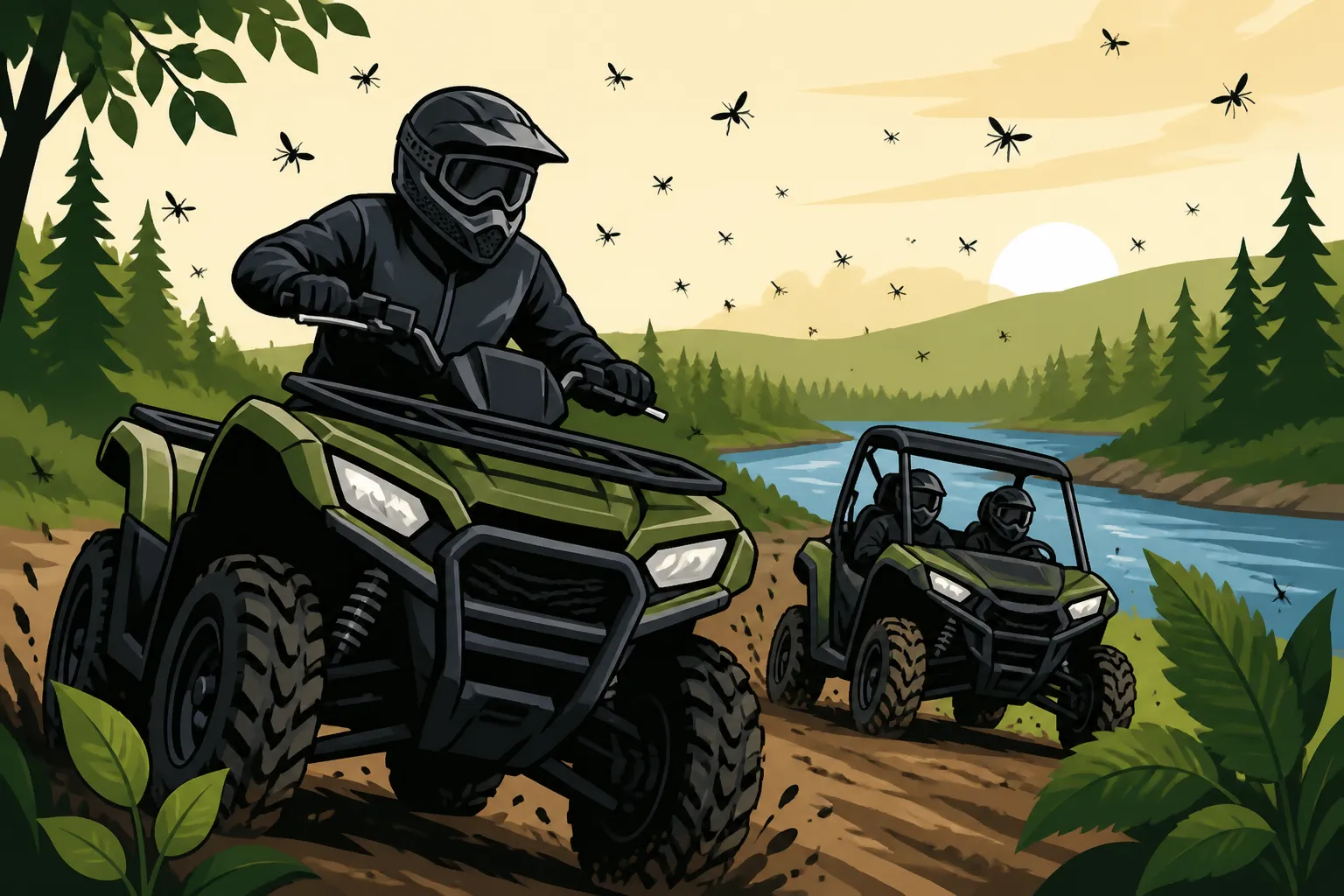
Black flies can turn a beautiful New Brunswick ride into a miserable one when they swarm around your helmet, hands, and every stop along the trail. Their timing and intensity vary with weather and location, so a little planning matters. This guide covers when conditions tend to be challenging, what to wear and pack, and how to plan a comfortable, responsible ride.
What black fly season means for New Brunswick riders
When black flies are most troublesome
Black flies are often part of late-spring and early-summer riding in New Brunswick, but there isn’t one reliable start or end date for every region. Their numbers can vary with temperature, recent rain, wind, and local conditions. A route that feels manageable on a breezy afternoon may be unpleasant in a sheltered, still stretch of woods the next morning.
The insects can be especially frustrating when you stop. A moving machine creates airflow, but at a trailhead, picnic spot, or scenic lookout, that breeze disappears. Riders may notice flies gathering around exposed skin, the neck opening of a jacket, or the edges of a helmet and goggles. That is why a short break can feel harder than the ride itself.
Conditions can differ from one part of the province to another. A wooded route near the Miramichi, for example, may feel different from an exposed stretch near the Acadian Peninsula or a more open section around Woodstock. Treat local observations as more useful than a general calendar. Before choosing your route, check [New Brunswick Trail Conditions Before You Go] and consider how exposed or sheltered the places you plan to stop might be.
How wind, shade, and stops affect your ride
Black flies tend to be more noticeable when the air is calm and you’re stationary. Shaded woods roads and sheltered rest areas may feel very different from open sections where a steady breeze helps keep insects off. That doesn’t mean you should avoid every forested route; it means you should plan breaks with a little flexibility.
If the flies are thick at your planned lunch spot, move to a more open area where stopping is permitted, or shorten the break and continue to a better location. Don’t stop on a narrow trail or block a junction while deciding what to do. On a group ride, agree in advance that anyone can ask for a quick gear adjustment or a change of stop if conditions become uncomfortable.
Weather can affect both insects and trail surfaces. Recent rain may leave some routes soft or muddy, while spring thaw can make certain corridors particularly vulnerable to damage. Check local notices before setting out, and respect closures rather than riding around them. For more on seasonal access, see [New Brunswick Trail Closures in Spring Thaw] and [New Brunswick Trail Closures After Rain].
What to wear and pack for a black fly ride
Choose clothing that closes the gaps
The most useful clothing strategy is simple: cover exposed skin and reduce gaps where insects can get inside. Lightweight long sleeves and long pants are often more practical than relying on bare arms and legs. Secure cuffs, a high collar, and gloves help protect the wrists and neck, which can otherwise be exposed while steering or adjusting gear.
Fit matters. A jacket that rides up when you lean forward, or gloves that leave a strip of wrist exposed, can become irritating after an hour on the trail. Try your riding layers on the machine before the trip. Check that sleeves stay in place when your arms are extended and that your helmet, goggles, and collar work together without leaving a large opening.
Avoid letting loose fabric interfere with the controls or catch on equipment. If the day starts cool, use layers you can adjust safely during a planned stop. The same layers that protect you from insects can also help with changing temperatures in shaded woods. [Layers for a Cool Morning on the Trail] offers a useful approach to building a practical riding outfit.
Use repellent and face protection thoughtfully
Repellent can be helpful, but it works best as one part of a plan rather than the whole plan. Follow the product label, apply it as directed, and be careful around eyes, mouth, and any materials the label says to avoid. If you’re applying it before putting on gloves or riding gear, give yourself time to do so without rushing at the trailhead.
A well-fitting helmet and goggles provide important protection from wind, dust, and debris, but they don’t automatically solve every black fly problem. Check that your goggles sit comfortably with your helmet and don’t leave an avoidable gap. A face covering or head net may help during breaks, but it must not obstruct vision, breathing, or communication while riding. If a piece of gear fogs your goggles or shifts in the wind, don’t force yourself to use it on the machine.
Pack repellent where it’s easy to reach, but secure it so it can’t spill. A small resealable bag can keep it separate from snacks, documents, and electronics. For seasonal reminders on when and how to prepare, see [Bug Spray in Early Summer Up North].
Build a comfort kit for stops
A few lightweight items can make breaks less stressful: spare gloves, a clean cloth for wiping goggles, drinking water, a small bag for used wipes, and an extra layer if the weather turns. If someone in your group is especially sensitive to bites, consider bringing an option for a more sheltered break, such as a vehicle at the trailhead, rather than assuming every scenic pull-off will be comfortable.
Keep the kit organized so you don’t have to empty your bag beside the trail. A quick stop is easier when each rider knows where their water, repellent, and extra layer are. If you’re riding with children or less experienced riders, check their gear before departure and again after the first stop. A child who is uncomfortable may not mention it until the ride feels overwhelming.
For a longer outing, plan what you’ll need before leaving home rather than counting on finding supplies along the route. The checklist in [Packing for a Full Day in the Woods] can help you think beyond insect protection and prepare for a full day outdoors.
How to plan a route and ride comfortably
Check conditions and choose a flexible route
Start with current trail information from the relevant club or trail organization. Look for closures, reroutes, wet sections, and any notices that could affect your planned distance. A route that seems short on a map can take longer when the surface is rough, the group needs frequent breaks, or someone needs to adjust gear.
Build a shorter alternative into your plan. If the flies are intense or the weather changes, you can turn back without leaving someone feeling pressured to continue. This is particularly useful when riding with people who are new to the area or unfamiliar with off-road conditions. Agree on a turnaround point and a simple way to communicate changes before the group spreads out.
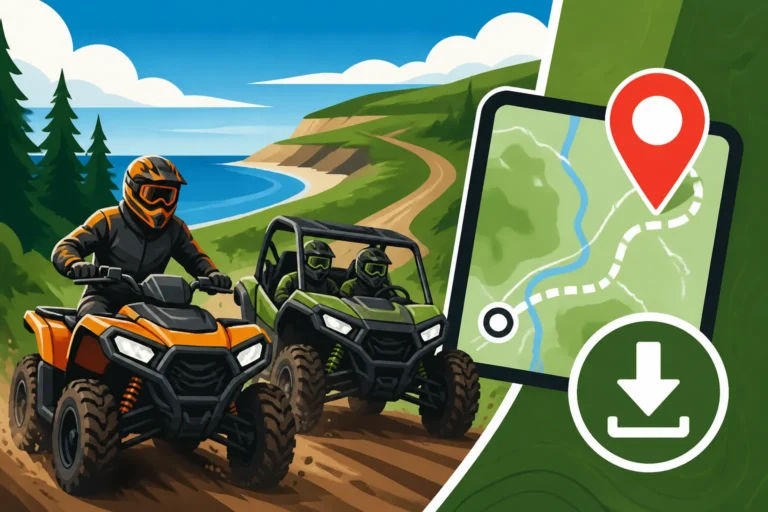
Maps and navigation tools can help you understand route options, but they are not a substitute for checking whether a route is open and permitted for your machine. Some riders use onX Offroad to help review routes and plan where to turn around. Check the app’s available map and offline features before relying on it, and compare what it shows with current local trail information. For provincial trail-planning basics, see [New Brunswick Trail Maps and the MapGear App].
Prepare for limited reception and changing plans
Cell reception can be inconsistent on remote routes, so don’t assume you’ll be able to look up directions or contact someone everywhere you ride. Download or otherwise prepare the navigation information you need before leaving service, and tell someone your general route and expected return time. [Checking Cell Reception Before a Remote Ride] is worth reviewing if your plan takes you away from populated areas.
onX Offroad may be useful as a planning aid if you’ve already checked that its available map information suits your route. Before departing, learn how to access the information you need without a live connection. Keep a backup option too, such as a paper map or a second device, and make sure everyone in the group knows the planned route rather than leaving navigation to one rider alone.
Give yourself room to change plans. A late start, unexpectedly slow trail, or uncomfortable stop can all make the original itinerary less appealing. Don’t try to make up time by riding faster. Instead, shorten the route, skip an optional loop, or return while there’s still enough daylight and energy for a careful ride.
Make breaks and group riding easier
Choose breaks in places where stopping is safe and allowed. Keep machines clear of the riding line, watch for other trail users, and leave gates as you found them. If conditions are unpleasant at one spot, move on to a suitable place rather than gathering around a narrow junction. [New Brunswick Trail Etiquette Locals Expect] is a helpful reminder that considerate stops matter to everyone sharing the corridor.
For group rides, set a pace that works for the least experienced rider and agree on where the group will regroup. A rider at the back may need more time to adjust clothing or deal with a fogged visor. A leader can check in without turning every stop into a long delay. If someone is getting overwhelmed by insects, give them time to cover up, drink water, and decide whether they want to continue.
Keep the ride enjoyable by treating comfort as part of trip planning, not an afterthought. A realistic route, proper layers, and a flexible stop plan can make a difficult insect day manageable. If the conditions are simply too unpleasant, changing the plan is sensible—not a failure to make the most of the day.
| Riding situation | What may help | Planning reminder |
|---|---|---|
| Calm, sheltered woods section | Long sleeves, secured cuffs, repellent used as directed | Keep breaks brief and choose a safe stopping place |
| Open or breezy stretch | Goggles and comfortable riding layers | Don’t assume conditions will stay the same in the woods |
| Long day with a group | Spare gloves, water, and a flexible turnaround point | Make sure everyone knows the route and regroup plan |
| Remote route with weak reception | Offline navigation information and a backup map | Check local trail status before leaving service |
| Spring ride after rain | A shorter alternative route | Respect closures and avoid damaged or soft trail sections |
A practical pre-ride checklist
Before you leave, check the route and weather, make sure your machine and required riding documents are ready, and tell someone where you expect to go. Wear clothing that covers exposed skin without interfering with controls, and pack repellent, water, spare gloves, and any personal essentials. If you’re unsure about insects or trail conditions, choose a shorter route close to a familiar access point.
For a remote ride, prepare navigation before you lose reception and don’t rely on a single phone or app. onX Offroad can be part of your planning setup, but confirm that the route is open and appropriate using local trail information. Share the plan with the group, choose a turnaround option, and leave enough time to return without rushing.
Finally, stay adaptable. Black fly activity can change noticeably over a short distance or between morning and afternoon. If a stop becomes uncomfortable, move along safely; if the group is tired or the trail is in poor shape, shorten the ride. A well-planned New Brunswick outing should leave you with a good memory of the trail—not just a story about how quickly everyone wanted to get back to the truck.
Disclaimer
This article is for general informational purposes only and does not constitute professional advice. Laws, prices and regulations vary by location and change over time. Consult a qualified professional for guidance on your specific situation.