Riding at 16 With a Full Driver’s Licence
It's a huge milestone when you turn sixteen, isn't it? Especially when you finally get that full driver's licence in your hand. For many young New Brunswickers, it feels like a key to new freedoms, not just on the paved roads, but also potentially on the trails. There's often a bit of confusion, though, about what exactly that full Class 5 licence means for your ATV or UTV riding privileges. This guide is here to cut through that confusion, clearly outlining the rules, the expanded opportunities, and the continuing responsibilities that come with riding an off-road vehicle in New Brunswick when you're 16 and hold a full driver's licence.
The Basics: What a Full Driver's Licence Changes for ATV Riders at 16
Turning sixteen and getting your full driver's licence is a significant step, and it does bring some positive changes to how you can legally operate an off-road vehicle (ORV) in New Brunswick. Before this point, the rules for young riders are quite strict, and for good reason—safety is always paramount. But once you've proven yourself capable on the public roads, the province recognizes a certain level of maturity and skill that applies to the trails and designated ORV routes as well.
Age and Licence Requirements Overview
In New Brunswick, the general rule is that an off-road vehicle operator must be at least 16 years of age and hold a valid driver's licence. This is a fundamental requirement that applies across the board. For many, that means having passed the driving test and received their full Class 5 driver's licence (or an equivalent from another jurisdiction, if you're a new resident). This isn't just a formality; it signifies that you've completed a recognized driver education program and demonstrated competency behind the wheel, understanding road signs, traffic laws, and safe operating principles.
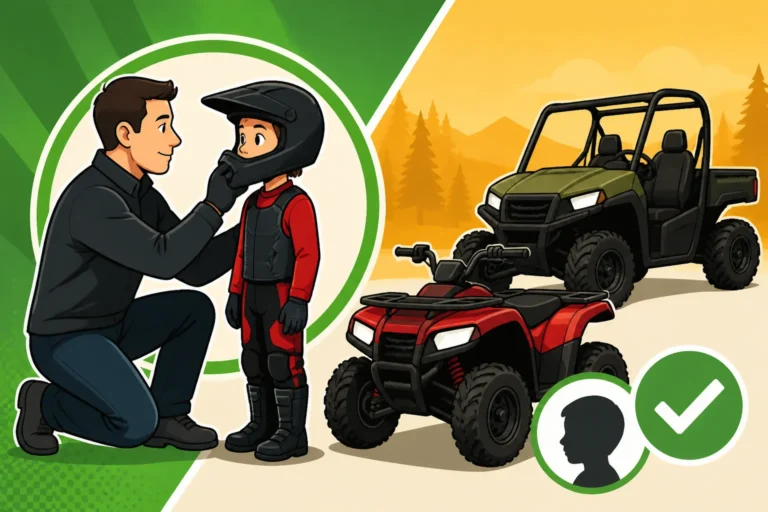
Before you hit 16, the rules for riding an ATV are much more restrictive, focusing on controlled environments and requiring direct adult supervision. For instance, children between 6 and 13 are generally limited to machines under 70cc on approved closed courses, and those aged 14 and 15 might operate larger machines but still under strict conditions, often requiring a [New Brunswick Class 9 Licence for Teens] and the physical presence of an adult escort. All these foundational rules about [New Brunswick ATV Age Requirements] are designed to progressively introduce riders to the sport. Your full driver's licence, in essence, is the province's acknowledgement that you've graduated from these more restrictive categories and can now take on the full responsibilities of an ORV operator, similar to an adult rider.
How a Full Licence Differs from a Class 9
The distinction between holding a full driver's licence (typically a Class 5) and the Class 9 ORV licence for younger riders is crucial. While the Class 9 licence allows 14- and 15-year-olds to operate ORVs, it comes with specific limitations. These younger riders are typically required to have a qualified adult escort with them, and they are prohibited from crossing highways or operating on designated shared highway sections. They're primarily restricted to the established trail network or private land.
When you achieve your full Class 5 driver's licence at 16, many of these escorts and restrictions are lifted. You're no longer considered a "youth operator" in the same vein as a 14- or 15-year-old. This means you can generally ride independently, without the immediate physical presence of an adult escort. This independence is a significant advantage, opening up more opportunities for solo exploration or rides with friends who also meet the age and licensing requirements. It reflects a belief that someone with a full driver's licence possesses a more comprehensive understanding of road safety, risk assessment, and independent decision-making, which are all vital skills for navigating the diverse conditions encountered on New Brunswick's extensive trail system.
Expanded Riding Privileges and Responsibilities
With the privilege of a full driver's licence comes an expansion of where and how you can operate your ATV or UTV. This newfound freedom is exciting, but it's vital to remember that it's tethered to increased responsibility. The rules are there to ensure not just your safety, but the safety of everyone else using the trails and roads.
Road Crossing and Designated Highway Sections
One of the most significant changes for a 16-year-old with a full driver's licence is the ability to legally cross public highways and, in some cases, ride on designated shared highway sections. Before getting your full licence, riders under 16 were strictly prohibited from these actions, having to find alternative routes or simply being unable to reach certain trail segments that required a road crossing. Now, you can connect different parts of the trail system or access services like gas stations and restaurants that might require a brief venture onto or across a public road.
However, this doesn't mean you can treat provincial highways like part of the trail. The rules for [New Brunswick Highway Usage Permits] and specific crossings are very clear and must be followed meticulously. When crossing a road, you must come to a complete stop, yield to all traffic, and proceed safely, crossing at a 90-degree angle to the highway. Designated highway sections are specific, clearly marked stretches where ORVs are permitted to share the road with other vehicles for a limited distance. These are often in rural areas or smaller communities where ORV use is integrated into the local transportation network. Always look for signage indicating these sections. Riding along a highway that isn't designated or crossing carelessly can still lead to hefty penalties, so understanding and adhering to the [New Brunswick Fines for Riding Near a Highway] is crucial.
Carrying Passengers and Machine Suitability
Another area where a full driver's licence for a 16-year-old impacts riding privileges is in the ability to carry passengers. Generally, if you're 16 and hold a full driver's licence, you can transport a passenger on your ATV or UTV, provided the machine is specifically designed by the manufacturer to carry more than one person. This means it must have a designated seat and footrests for the passenger. Riding double on a single-seat ATV, regardless of the driver's age or licence, is illegal and incredibly dangerous.
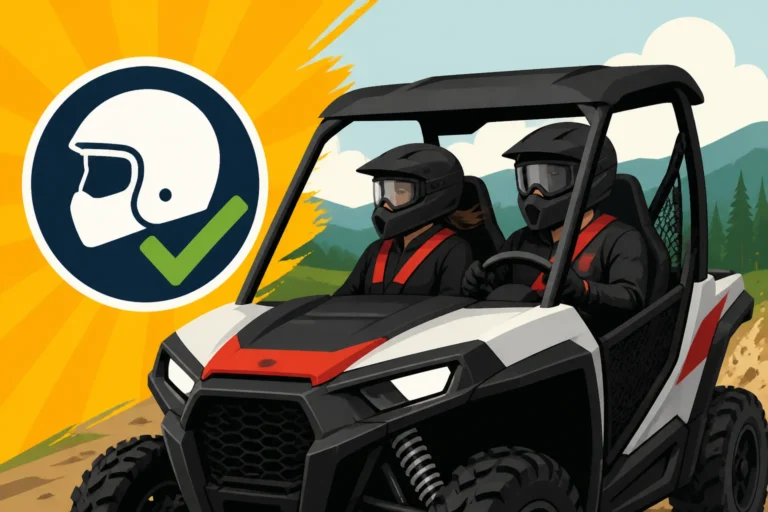
When carrying a passenger, all the same safety rules apply to them as to the driver. This means your passenger must also wear an approved helmet that meets standards like CSA, DOT, Snell, or ANSI. You, as the operator, are ultimately responsible for the safety of your passenger and ensuring they are compliant with all regulations. Think about the terrain you're tackling and whether your passenger is comfortable and safe. Using appropriate gear, like a secure passenger seat with grab handles, is essential. For UTVs, the rules are often a bit more straightforward as they are typically designed for multiple occupants from the factory. If you're considering enhancing your machine for more comfortable or safer riding, including carrying gear for longer trips, products from companies like SuperATV can offer robust solutions, but remember, the core design for passenger capacity must come from the manufacturer. Always double-check the capacity specifications for your specific machine. You can find more details on general rules in [New Brunswick Passenger Rules on a Quad].
Essential Documents and Safety Gear
While obtaining your full driver's licence at 16 grants you more freedom, it doesn't exempt you from the fundamental requirements of responsible ORV operation. In fact, with increased autonomy comes an even greater need to be prepared and compliant. Every time you head out, there are specific documents you must carry and essential safety gear you must wear, no exceptions.
What You Must Carry on Every Ride
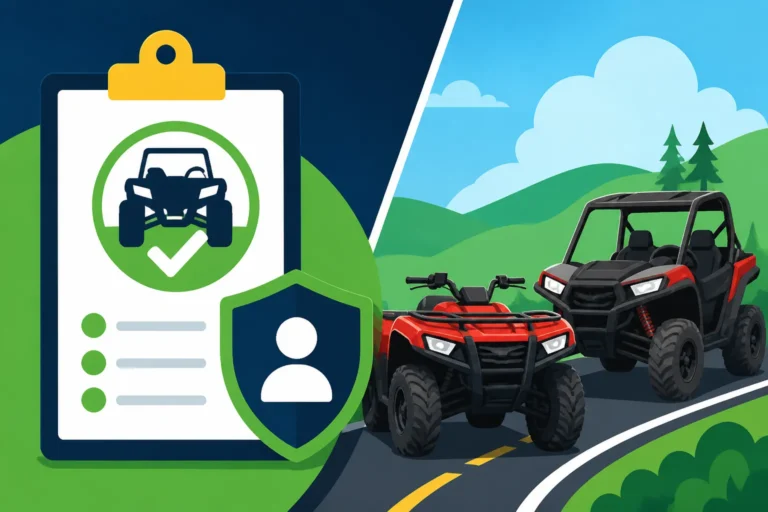
When you're out on the trails or designated routes in New Brunswick, you are legally required to carry four specific documents. These are your valid driver's licence (your full Class 5 in this case), the ORV's registration certificate, proof of insurance, and if you're on a club trail, your valid trail permit. Imagine the frustration of being stopped by an officer and not having what's required – it can quickly turn an enjoyable ride into a costly hassle.
It's not enough to just have these documents at home; they must be on your person or securely attached to your ORV, readily accessible for inspection by law enforcement officers. Many riders use waterproof document holders or small saddlebags to keep everything safe and dry. Forgetting any of these can lead to fines, even if you are otherwise compliant with the law. For example, riding without valid registration can result in fines, and riding on designated trails without a permit can also lead to penalties. Always ensure your registration is current, especially since [New Brunswick Registrations Expire December 31] each year, and keep your proof of insurance handy, as [New Brunswick Requires Insurance on Trails]. Being prepared with [New Brunswick Documents You Must Carry] not only keeps you legal but also shows you're a responsible rider.
Helmet Standards and Other Safety Considerations
New Brunswick has a strict [New Brunswick ATV Helmet Law] that applies to all operators and passengers, regardless of age or experience. Your full driver's licence doesn't change this critical safety requirement. Every person on an ORV must wear an approved helmet that meets one of several recognized safety standards: CSA D230, Snell M2005 (or later), DOT FMVSS 218, or ANSI/SAE. These standards ensure the helmet has undergone rigorous testing and provides adequate protection in the event of an impact. It's not just about avoiding a ticket; it's about protecting your most vital asset.
Beyond the helmet, other safety gear is highly recommended and, in some cases, implicitly necessary for safe riding. Eye protection (goggles or a visor), sturdy gloves, long pants, a long-sleeved shirt or jacket, and over-the-ankle boots are all crucial for protecting you from branches, debris, dust, and potential falls. Think about the conditions you'll be riding in – will it be dusty, wet, rocky? Dressing appropriately for the weather and terrain is part of smart riding. Always perform a quick pre-ride inspection of your machine, checking tires, brakes, fluid levels, and lights. For added protection for both you and your machine, consider robust accessories such as skid plates, brush guards, or windshields. Companies like SuperATV offer a range of protective components that can enhance rider safety and machine durability, especially when tackling challenging New Brunswick trails. Remember, a full licence gives you freedom, but personal responsibility for safety remains paramount.
Common Misconceptions and Smart Riding Practices
Even with a full driver's licence, there are still boundaries and common pitfalls that can trip up even experienced 16-year-old riders. The freedom of a full licence isn't a free pass to ignore all other ORV regulations. Staying informed and adopting smart riding practices will ensure your adventures remain fun and legal.
Avoiding Fines and Staying Legal
It's easy to assume that once you have your full driver's licence, all the rules melt away. This isn't the case for ORV operation. While you gain certain privileges, many fundamental rules of the Off-Road Vehicle Act still apply. For instance, riding on private land without explicit permission from the landowner is trespassing, and a serious offense. This is a common mistake, especially in rural areas where "it looks like Crown land." Always verify who owns the land and seek permission. Additionally, operating an ORV under the influence of alcohol or drugs is strictly prohibited and carries severe penalties, just as it would in a car on a highway. [New Brunswick Impaired Riding Penalties] are no joke, and they apply equally on the trail.
Speed limits, noise regulations, and environmental protections are also important aspects to consider. Some municipalities may have specific bylaws regarding ORV use within their limits, even if the provincial act permits it in certain areas. It's always a good idea to check [New Brunswick Bylaw Lookups Before You Ride] if you're exploring a new area. Never assume that because a trail looks clear, you have the right to ride on it. Stick to marked trails and designated areas, respect signage, and remember that even with a full licence, ignoring these rules can lead to significant fines and the loss of your riding privileges. The goal is to enjoy the vast wilderness of New Brunswick responsibly, so keeping up-to-date on all regulations is key.
UTVs and Side-by-Sides: Similar Rules, Different Machines
The rules and privileges we've discussed for 16-year-olds with a full driver's licence largely apply to both ATVs (quads) and UTVs (side-by-sides). However, it's important to remember that these are different machines, and while the spirit of the law is the same, some practical considerations differ. UTVs are typically larger, heavier, and designed with a steering wheel and foot pedals, much like a car, and often have a higher passenger capacity with seatbelts. This often makes them a popular choice for group outings or utility work.
The good news is that if you're 16 and hold that full driver's licence, you're generally cleared to operate both types of machines, provided you adhere to the specific requirements for each. For instance, a UTV, with its multiple seats, makes carrying passengers straightforward as long as each occupant has a proper seating position and is wearing a helmet. Just like with ATVs, you'll still need proper registration, insurance, and a trail permit for your side-by-side. Check out [Does a Side-by-Side Register the Same Way?] for more detailed information on UTV paperwork. Regardless of whether you prefer a quad or a side-by-side, ensure your machine is well-maintained and equipped for your intended use. Companies like SuperATV specialize in a wide range of accessories and parts for both ATVs and UTVs, allowing you to customize your vehicle for safety, utility, or enhanced performance, ensuring it’s ready for whatever New Brunswick throws your way.
Here's a quick comparison of some key privileges for young ORV riders in New Brunswick:
| Privilege / Requirement | 14-15 Years Old (Class 9 ORV Licence) | 16+ Years Old (Full Class 5 Driver's Licence) |
|---|---|---|
| Independent Operation | No (Requires adult escort) | Yes |
| Highway Crossing | No | Yes (With caution, at 90-degree angle, yielding) |
| Designated Highway Sections | No | Yes (Where permitted by signage) |
| Carrying Passengers | No (Even on multi-seat machines) | Yes (If machine designed for it, passenger wears helmet) |
| Required Documents | ORV Licence, Registration, Insurance, Permit | Driver's Licence, Registration, Insurance, Permit |
| Helmet Law | Yes (All riders and passengers) | Yes (All riders and passengers) |
| Safety Course | Yes (Mandatory for Class 9) | Recommended (Not mandatory if 16+ with full licence, but excellent for skill building) |
Ultimately, a full driver's licence at 16 in New Brunswick is a fantastic opportunity to enjoy the province's incredible trail network with greater independence. But it's also a call to action to be an exemplary rider, informed about the rules, equipped with the right gear, and respectful of the environment and other trail users. Happy riding!
Disclaimer
This article is for general informational purposes only and does not constitute professional advice. Laws, prices and regulations vary by location and change over time. Consult a qualified professional for guidance on your specific situation.