New Brunswick Rules for Two Riders on a Quad
It’s a common sight on the trails, isn’t it? You’re out enjoying the beautiful New Brunswick wilderness, and you spot a buddy with a passenger perched precariously behind them on what looks like a single-seat quad. You might even have wondered if you could give someone a ride. The truth is, figuring out the rules for carrying a second person on your ATV or quad in New Brunswick can feel like navigating a maze, leaving many of us scratching our heads and risking fines or worse. This guide will walk you through everything you need to know about legally and safely carrying a passenger on your off-road vehicle in New Brunswick.
Understanding New Brunswick's Off-Road Vehicle Act for Passengers
Before we even think about hitting the trail with a passenger, we need to understand the foundational rules laid out in New Brunswick's Off-Road Vehicle Act. This isn't just about avoiding a ticket; it's fundamentally about safety for everyone involved. The Act is quite clear on who can ride, where, and on what kind of machine. Many riders mistakenly assume that if their quad has a bit of extra seat space, it’s good to go for two. Unfortunately, that's often not the case, and this misconception can lead to serious trouble.
When a Second Rider Is Permitted
The New Brunswick Off-Road Vehicle Act makes a critical distinction: an ATV must be "designed and manufactured" by the original equipment manufacturer (OEM) to carry more than one person. This isn't a grey area that allows for aftermarket additions or 'jury-rigged' solutions. It specifically means the machine rolled off the assembly line with the intent and engineering to safely accommodate two riders. These are commonly known as "2-up" ATVs or designated multi-passenger side-by-sides. They feature a longer seat, separate footrests for the passenger, and usually integrated handholds. Anything less is generally not considered compliant.
Think about it this way: a single-rider ATV is engineered for a specific weight distribution and handling characteristic, all optimized for one person. Adding a second person completely alters that balance, making the machine unstable, harder to steer, and significantly increasing braking distances. The Act recognizes these inherent safety risks by mandating purpose-built machines for passengers. So, if your quad wasn't designed for two from the factory, legally, it’s a solo adventure. This also applies to children; even small kids require a properly designed machine to ride as a passenger, as outlined in [New Brunswick Rules for a Child Passenger].
The Risks of Carrying an Unauthorized Passenger
The temptation to give a friend or family member a quick ride can be strong, especially on a seemingly easy trail or private land. However, the legal ramifications of carrying an unauthorized passenger on a single-rider ATV are significant. We're not just talking about a stern warning here. You could face fines under the Off-Road Vehicle Act for operating an ATV in a manner for which it wasn't designed. Beyond the fines, think about the insurance implications. If an accident were to occur while carrying a passenger illegally, your insurance coverage could be jeopardized, leaving you personally liable for any injuries or damages.
But honestly, the biggest risk isn't financial; it's physical. I’ve seen firsthand how quickly things can go wrong. An ATV designed for one simply doesn't handle the added weight and altered centre of gravity with a second person on board. A minor bump that you'd easily absorb alone can turn into a rollover with a passenger. The passenger, often sitting higher and without proper handholds, is also more vulnerable to being thrown from the machine. Their presence can also obscure your view or hinder your ability to react quickly. It’s a dangerous gamble, even for experienced riders.
Types of Off-Road Vehicles and Passenger Capacity
When you're considering taking someone along for the ride, the type of off-road vehicle you own makes all the difference. Not all "quads" or "ATVs" are created equal when it comes to passenger capacity. The industry has evolved, and now there are purpose-built machines for almost every kind of riding experience, including family adventures.
Single-Rider ATVs (Quads)
Most traditional ATVs, or "quads," are designed and manufactured for one operator only. These are the classic straddle-seat machines you see everywhere. They have a single, often contoured, seat that positions the rider over the machine's center for optimal control and balance. Adding a passenger to one of these machines is not only illegal in New Brunswick unless it's explicitly a 2-up model, but it's incredibly unsafe. The suspension, braking, and overall stability are simply not engineered to handle the additional weight, especially when cornering or on uneven terrain.
Some riders attempt to add aftermarket seats or extensions to their single-rider quads. While companies like SuperATV offer a vast array of accessories for off-road vehicles, a bolt-on seat attachment does not magically transform a single-rider quad into a legal multi-passenger vehicle in the eyes of the law. The legal requirement specifically states "designed and manufactured" for more than one person, which refers to the OEM's original intent and engineering specifications, not aftermarket modifications. These additions might offer a place to sit, but they do nothing to address the fundamental design limitations and safety risks.
Two-Up ATVs (Purpose-Built for Passengers)
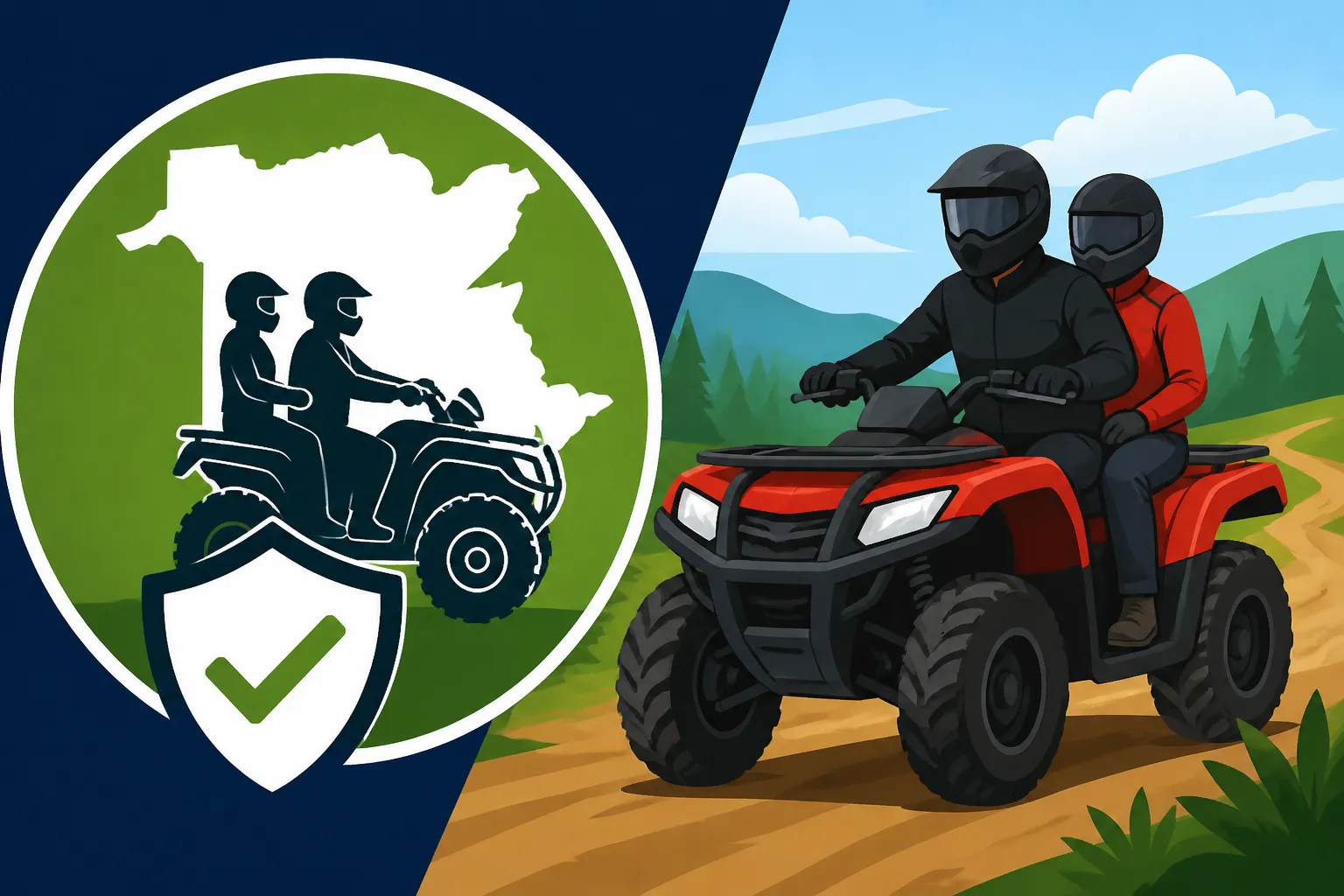
This is where the law truly distinguishes. A "2-up" ATV looks similar to a single-rider quad but has a noticeably extended seat, often with a raised portion for the passenger, dedicated handholds, and separate, well-positioned footrests. These machines are engineered from the ground up to safely accommodate two people. They typically feature a longer wheelbase for stability, a more robust suspension system to handle the increased load, and sometimes even stronger brakes.
If you plan on regularly riding with a passenger, investing in a factory-designed 2-up ATV is the only legal and truly safe option within the traditional quad format. These machines provide a much more stable and comfortable experience for both the driver and the passenger, minimizing the risks inherent in sharing a machine. Always ensure that the machine's documentation explicitly states its multi-passenger capacity if you're buying used or need to verify.
Side-by-Side ATVs (UTVs)
Side-by-side ATVs, also known as UTVs, are specifically designed for multiple occupants sitting side-by-side, much like a car. These vehicles come equipped with roll cages, seatbelts, and often offer seating for two, three, or even four passengers, depending on the model. Side-by-sides are an excellent option for family outings or group rides, as they inherently provide a more stable and secure environment for passengers than a traditional ATV. Many riders accessorize their UTVs with utility products and storage solutions from brands like SuperATV, making them even more versatile for group adventures.
Because of their design, side-by-sides are generally much more forgiving with multiple passengers, provided you stay within the manufacturer's stated capacity and weight limits. The driver's and passenger's seating positions are typically within the vehicle's footprint, contributing to greater stability. If you're looking for the ultimate in passenger comfort and safety for your off-road adventures in New Brunswick, a side-by-side is often the best choice. Remember, even with these vehicles, everyone must adhere to general safety rules, including wearing helmets, which is a requirement for every occupant in New Brunswick, as highlighted in [New Brunswick Helmet Law for Every Occupant].
| Vehicle Type | Passenger Capacity (Manufacturer Design) | Legal for Passengers in NB (Generally) | Key Safety Features |
|---|---|---|---|
| Single-Rider ATV | 1 (Driver Only) | No | Optimized for solo rider control, limited stability with extra weight |
| 2-Up ATV | 2 (Driver + 1 Passenger) | Yes | Extended seat, passenger handholds, separate footrests, stronger suspension |
| Side-by-Side (UTV) | 2, 3, 4, or 6 (Driver + Passengers) | Yes | Roll cage, seatbelts, bucket seats, wider stance, greater stability |
Safety and Responsibilities When Carrying a Passenger
Even if you have a legitimate 2-up ATV or a multi-passenger side-by-side, simply having the right machine isn't the end of the story. There's a significant responsibility that comes with carrying a passenger, and understanding these elements is crucial for a safe and enjoyable experience for everyone on the trail. This includes knowing your machine's limits, preparing your passenger, and adhering to all the provincial rules.
Driver's Responsibilities
As the operator, you bear the primary responsibility for the safety of your passenger. This responsibility begins even before the ride starts. First, ensure your machine is in top mechanical condition. Check the brakes, tires, fluids, and make sure all lights are working, especially if you plan to ride near dusk or dawn. When carrying a passenger, the machine will handle differently, so you need to adjust your riding style. Reduce your speed, take turns wider, and increase your braking distance. Sudden movements, sharp turns, or aggressive acceleration can easily unbalance a passenger or even cause a rollover.
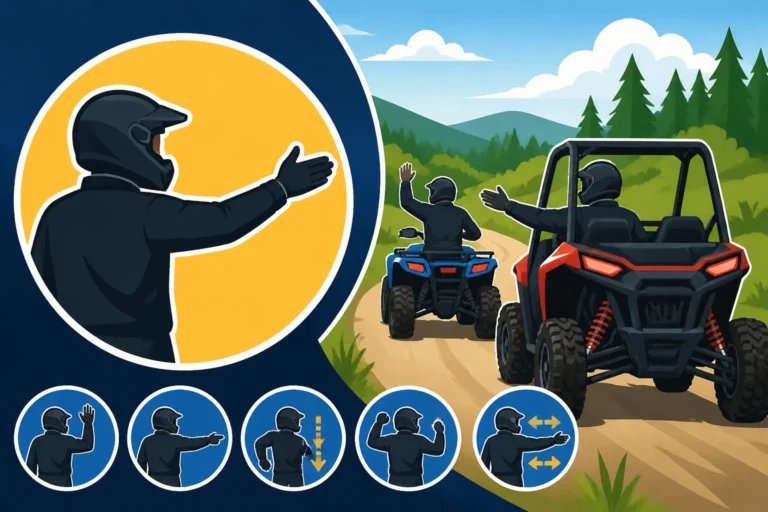
You are also responsible for ensuring your passenger is properly equipped and understands their role. This means they must wear an approved helmet – it's the law for every occupant, as detailed in [New Brunswick Helmet Law for Every Occupant]. Beyond that, encourage them to wear appropriate riding gear, including eye protection, gloves, long pants, a long-sleeved shirt or jacket, and sturdy over-the-ankle boots. Before moving, give your passenger clear instructions on how to hold on, where to place their feet, and how to lean with you in turns. Communication is key, so agree on some basic hand signals or verbal cues, especially for stopping or if they need a break. Remember, [New Brunswick Parent Responsibility for Passengers] clearly outlines the onus on you if a minor is riding with you.
Passenger's Role and Preparation
A passenger isn't just dead weight; they play an active role in maintaining stability and safety. While you are steering and controlling the throttle, the passenger's actions significantly impact the machine's balance. They need to understand the importance of leaning with the driver in turns, keeping their feet firmly planted on the footrests, and holding on securely to the designated handholds. They should avoid sudden movements, especially when you are navigating challenging terrain.
Before setting out, have a chat with your passenger, particularly if they are new to ATV riding. Explain what to expect: bumps, leaning, dust, and potential noise. Advise them to relax and trust your judgment, but also empower them to speak up if they feel unsafe or uncomfortable. Ensure they know the route won't always be smooth. For longer rides, plan for breaks to stretch, hydrate, and assess how your passenger is feeling. It's also a good idea to discuss what documents you must carry, as outlined in [New Brunswick Documents You Must Carry], in case you're stopped by an officer on the trail.
Age and Licence Considerations for Drivers and Passengers
New Brunswick has specific age requirements that affect both drivers and passengers. For a driver to operate an ATV on managed trails, they must be at least 16 years old and hold a valid driver's license (or a Class 9 farm tractor license if they are 14 or 15 and meet specific training requirements, as discussed in [New Brunswick Class 9 Licence for Teens]). If you're a young rider, even if you meet the requirements, adding a passenger means a significant increase in responsibility and complexity.
When it comes to passengers, especially young ones, the rules are also strict. Children must be able to reach the handholds and footrests of the machine they are riding on. If they cannot, they are too small to be a passenger, regardless of the machine being a 2-up ATV or a side-by-side. The intent is to ensure they can maintain their position safely during the ride. For instance, [New Brunswick Rules for a 12-Year-Old Rider] might seem focused on driving, but the principles of safe machine interaction apply to passengers too. Always check the machine manufacturer's recommendations for minimum passenger age and size, as these often go beyond the provincial minimums and are crucial for safety.
Common Mistakes and How to Avoid Them
Even with good intentions, it's easy to fall into common traps when it comes to carrying passengers on off-road vehicles. These mistakes often stem from a lack of awareness of the regulations, underestimating the difficulty, or simply prioritizing convenience over safety. Avoiding these pitfalls can save you from potential fines, accidents, and a ruined day on the trails.
Assuming Your Machine is "Big Enough"
This is perhaps the most prevalent misconception. Many riders look at their large, powerful single-rider ATV and think, "There's plenty of room here, one more person won't hurt." While physically there might be space, the engineering tells a different story. As we discussed earlier, suspension, weight distribution, and braking capabilities are all optimized for a single rider. The extra weight of a passenger, even a small one, significantly changes how the machine handles. It becomes top-heavy, harder to turn, and prone to tipping.
To avoid this, always refer to your ATV's owner's manual. It will clearly state the maximum weight capacity and the number of intended occupants. If it says "one rider only," then that's the legal and safe limit. Do not rely on aftermarket seats or accessories from companies like SuperATV to "convert" your single-rider ATV into a multi-passenger vehicle in terms of legal compliance or safety. They simply do not replace the OEM design. When in doubt, err on the side of caution and adhere strictly to the manufacturer's specifications. If you really want to share the experience, consider a dedicated 2-up ATV or a side-by-side.
Neglecting Communication and Instruction
Another common mistake is to simply tell a passenger to "hold on" and then take off. This is a recipe for disaster, especially with inexperienced riders. A passenger who doesn't know how to anticipate turns, lean with the driver, or what to do when hitting a bump can become a liability, potentially throwing off the machine's balance or even falling off. Effective communication is a shared responsibility, but the onus is on the driver to initiate it.
Before you start the engine, take five minutes to brief your passenger. Explain how to hold on (not just to you, but to the machine's handholds if available), where to put their feet, and the importance of leaning in the same direction as you do. Establish clear signals for "slow down," "stop," or "I need a break." This brief investment of time can prevent panic, reduce anxiety for your passenger, and significantly enhance safety. Think of it like a quick pre-flight briefing. This preparation is a crucial aspect of overall safety, much like carrying your required documents or understanding [New Brunswick Insurance Requirements for Riders].
Ignoring Terrain and Trail Conditions
Riding with a passenger demands a higher level of caution regarding terrain and trail conditions. A trail you might confidently tackle alone could become hazardous with an extra person. Steep inclines, declines, deep mud, rocky sections, or tight turns all become more challenging and riskier with a passenger on board. The added weight affects traction, braking, and overall stability, making the machine less forgiving of errors.
Always scout the trail ahead, both mentally and physically, when planning to carry a passenger. Stick to easier, wider, and well-maintained trails that are suitable for your machine's passenger capacity. Avoid highly technical routes or areas with unknown conditions. Remember that a smooth ride for you might feel much rougher for your passenger, so slow down significantly over bumps and rough patches. If in doubt about a section of trail, get off and walk it, or simply turn around. No scenic view is worth an accident. Staying on designated trails also helps avoid issues related to [New Brunswick Trespass Law for Riders].
Overlooking Essential Gear for Passengers
While most experienced riders have their own gear, sometimes a passenger, especially if it's an impromptu ride, might not be properly equipped. It's a significant oversight to allow someone to ride without an approved helmet. In New Brunswick, helmets are mandatory for every occupant of an ATV or side-by-side. Beyond the helmet, eye protection is non-negotiable, as dust, branches, and insects can easily injure eyes. Sturdy footwear and long clothing are also vital for protection against scrapes, burns, and impacts.
As the driver, it's your responsibility to ensure your passenger has the minimum required safety gear. If they don't have their own, you should provide a spare helmet and goggles if possible. Never compromise on safety gear for the sake of convenience. A small investment in a spare helmet can prevent a life-altering injury. Remember, the rules are in place to protect everyone, and fines for non-compliance, such as [New Brunswick Penalties for No Safety Course] or helmet violations, are a deterrent but secondary to the personal cost of an injury.
Final Thoughts on Riding with Passengers in New Brunswick
Riding off-road vehicles in New Brunswick is an incredible way to experience the province's natural beauty, and sharing that experience with a passenger can be even more rewarding. However, this enjoyment must always be balanced with a deep respect for the rules and an unwavering commitment to safety. The legal framework around carrying passengers on ATVs and UTVs in New Brunswick isn't there to hinder your fun; it's designed to protect you, your loved ones, and other trail users.
When you're considering taking someone along for the ride, always start by asking yourself if your machine is truly designed for it by the manufacturer. If it's a single-rider quad, the answer is almost always no, and attempting to circumvent this puts everyone at risk. Invest in a proper 2-up ATV or a multi-passenger side-by-side if you plan on regular shared adventures. These purpose-built machines are engineered to handle the additional weight and provide a much safer, more comfortable experience.
Beyond the machine itself, remember your responsibilities as a driver. Ensure your passenger is properly equipped with a helmet and other protective gear, brief them thoroughly on how to ride as a passenger, and adjust your riding style to compensate for the added weight. Always ride within your limits and the machine's capabilities, especially with a passenger on board. By understanding and adhering to New Brunswick’s rules and embracing a safety-first mindset, you can create fantastic, memorable, and safe off-road experiences for everyone involved. For a comprehensive overview, remember to consult [What New Brunswick's Off-Road Vehicle Act Covers].
Disclaimer
This article is for general informational purposes only and does not constitute professional advice. Laws, prices and regulations vary by location and change over time. Consult a qualified professional for guidance on your specific situation.