New Brunswick Trail Permit Fines
It’s a great feeling to hit the trails on your ATV or side-by-side, exploring the stunning New Brunswick wilderness. But nothing can put a damper on that experience faster than being stopped by an officer and realizing you’re facing a fine for not having the proper trail permit. This guide is here to walk you through the ins and outs of New Brunswick’s trail permit system, what those fines mean, and how to make sure you're always riding legally and without unnecessary stress.
Understanding New Brunswick's Trail Permit System
Let's face it, the rules around off-road vehicles can sometimes feel like a tangled web. You’ve got registration, insurance, safety courses, and then, on top of it all, trail permits. But there's a good reason for these permits: they're the lifeblood of our incredible trail network. The fees collected go directly to the QuadNB Federation and its member clubs, helping them maintain, develop, and groom the thousands of kilometres of trails we all love to ride. Without these permits, those trails simply wouldn't exist in the condition we expect.
The Different Kinds of Permits
New Brunswick offers a few different types of trail permits, designed to suit various riding habits. It's not a one-size-fits-all situation, and choosing the right one for your needs is important. There are annual permits, often categorized as "groomed" or "non-groomed," which essentially determines how much of the network you can access throughout the year. The groomed permit, for example, typically allows access to trails that are maintained year-round, sometimes even by snowmobile clubs in winter if there’s a sharing agreement. The non-groomed permit covers trails that are generally maintained for three seasons, usually avoiding the deepest winter.
Then there are also shorter-term options, like day permits or week permits. These are fantastic for visitors, or for folks who only ride occasionally and don't want to commit to an annual pass. Imagine you're just here for a long weekend, hitting the trails around Miramichi. A week permit makes perfect sense. [New Brunswick Day Permit Cost] and [New Brunswick Week Permit Cost] are usually very reasonable for these shorter stints. It’s all about finding the right fit for how often and where you plan to ride.
Why You Need a Permit for Club Trails
Here's the crucial part: if you plan to ride on any of the organized, maintained trails in New Brunswick, you must have a valid trail permit. These are the trails maintained by the QuadNB Federation and its local clubs. You see the signs, you ride the well-marked paths, and you benefit from the efforts of countless volunteers. These aren’t just random paths through the woods; they’re a managed network. Without a permit, you’re essentially riding for free on a system that others are paying to maintain, and that's just not fair to the dedicated volunteers and fellow riders. It also puts you at risk of a significant fine. Think of it like a national park pass – you pay to access and help maintain the infrastructure.
What Happens If You're Caught Without a Permit?
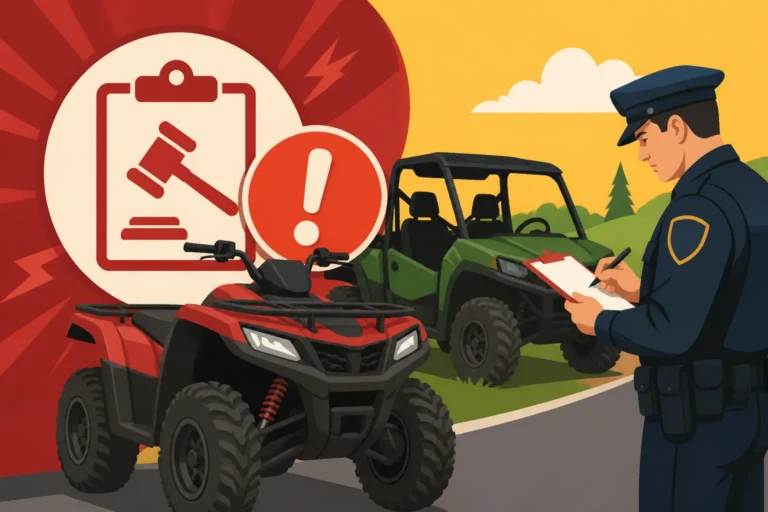
It's a scenario no one wants to find themselves in: you're enjoying a beautiful day on the trail, and suddenly you see an enforcement officer. They pull you over, ask for your documents, and you realize you forgot your permit, or worse, never bought one. The immediate feeling is usually a mix of dread and embarrassment. But beyond that, there are real, financial consequences.
The Financial Hit: Permit Fines
New Brunswick takes its trail system seriously, and that means enforcement. If you're found operating an ATV or side-by-side on a designated club trail without a valid permit sticker displayed, you're looking at a set fine. This isn't a small slap on the wrist; it's designed to be a deterrent and to recover some of the lost revenue that helps keep the trails open. While specific amounts can change, rest assured that the fine for not having a permit is substantial. It's significantly more than the cost of an annual permit, making it a very expensive oversight. [New Brunswick Trail Permit Fines] are in place for a reason, and they underscore the importance of compliance.
The Officer's Discretion and What to Expect
When an officer stops you, they're not just looking for a permit. They'll likely ask for your registration, proof of insurance, and possibly your safety course certificate, especially if you're a younger rider. They'll also check your machine for basic safety equipment. If you don't have a trail permit, they'll verify this, issue a ticket, and may even instruct you to cease riding on the trail system until you obtain one. There's not much room for negotiation at that point. It's an inconvenient and costly interaction, and it highlights why carrying [New Brunswick Documents You Must Carry] at all times is so crucial. Even if you're riding a machine equipped with excellent accessories from brands like SuperATV, ensuring your safety and enjoyment, legal compliance still has to be your top priority.
Avoiding Fines: Best Practices for Riders
Nobody wants to get a fine. It's frustrating, expensive, and takes away from the joy of riding. The good news is that avoiding trail permit fines is entirely within your control. It comes down to a bit of planning and consistent habits.
Buying and Displaying Your Permit Correctly
The first step, of course, is to purchase your permit. You can often buy these directly from the QuadNB Federation website, through local ATV clubs, or at many Service New Brunswick centres. Always make sure you're buying the correct type for your needs. Once you have it, the next critical step is proper placement. New Brunswick regulations are specific about where that permit sticker needs to go: it should be clearly visible on the left side of your ATV or side-by-side. Think of it like your vehicle's license plate sticker – it needs to be easily seen by anyone checking for compliance. [New Brunswick Permit Placement on a Machine] is not just a suggestion, it's a rule. Don't stick it somewhere obscure thinking it's fine; an officer needs to be able to see it at a glance.
Regular Checks and Renewal Habits
Life gets busy, and it's easy to forget when things expire. That's why making a habit of checking your permit sticker is so important. Just like you check your vehicle registration, take a moment before each riding season, or even periodically throughout the year, to ensure your permit is still valid. New Brunswick annual permits usually align with the calendar year, so it's a good practice to think about renewal before the new year rolls around. Set a reminder on your phone, or make it part of your annual pre-season maintenance checklist for your machine. This proactive approach can save you a lot of headache and expense down the road. [New Brunswick ATV Registration Renewal] is something many riders are already used to doing, and adding permit renewal to that routine makes perfect sense.
Ensuring All Riders Have Valid Permits
If you're riding in a group, or if you're responsible for younger riders, it's not just your permit you need to worry about. Every single machine on the trail system needs a valid permit. This includes youth machines. [New Brunswick Youth Trail Permits] are available, and they are just as mandatory for youngsters riding club trails as adult permits are for grown-ups. Make it a group habit to verify everyone's permit before heading out. A quick check at the trailhead can prevent one person's oversight from impacting the whole group's ride with an unexpected stop and fine.
| Permit Type | Typical Duration | Access | Primary Use Case | Key Requirement |
|---|---|---|---|---|
| Groomed Annual Permit | Full Calendar Year | 4 Seasons | Regular rider on multi-use/groomed trails | Valid for extensive trail network access |
| Non-Groomed Annual Permit | Full Calendar Year | 3 Seasons | Regular rider, less focus on winter-groomed trails | Valid for most non-groomed club trails |
| Youth Permit | Full Calendar Year | 3/4 Seasons | Riders aged 6-15 on designated trails | Mandatory for young riders on club trails |
| Week Permit | 7 Consecutive Days | As per annual type | Visitors, occasional long weekend riders | Ideal for short-term visits |
| Day Permit | 1 Single Day | As per annual type | Single-day excursions, trying out trails | Perfect for a quick, one-off ride |
Disputing a Fine and What Comes Next
Sometimes, despite your best intentions, you might still end up with a fine. Perhaps you feel there was a misunderstanding, or you believe the ticket was issued in error. While it’s always best to avoid the situation in the first place, understanding your options if you do receive a fine is important.
The Process of Disputing a Ticket
If you receive a trail permit fine and genuinely believe it's unjust, you generally have the right to dispute it. The ticket itself should have instructions on how to proceed. Typically, this involves notifying the court of your intention to plead not guilty within a specific timeframe. You might then be given a court date to present your case to a judge. This could involve explaining why you believe the permit was valid, or why the ticket was incorrect. However, be prepared to present clear evidence. Simply saying "I forgot" or "I didn't know" usually won't be enough to get a fine dismissed, as ignorance of the law is rarely an acceptable defence. It's often a good idea to seek legal advice if you plan to dispute a ticket, especially if the fine is substantial.
The Consequences of Ignoring a Fine
Ignoring a fine is never the answer. Those tickets don't just disappear. If you don't pay the fine or dispute it by the deadline, several negative things can happen. First, the fine amount will likely increase due to late payment penalties. Second, it could eventually lead to other legal actions, such as collection efforts. In some cases, unpaid fines can even affect your ability to renew other provincial permits or licenses. It's a cascading effect that's far more troublesome and expensive than simply addressing the issue head-on. Don't let a simple permit oversight turn into a much larger legal problem. Whether you're riding a stock machine or one heavily upgraded with parts from SuperATV, the law applies equally, and ignoring it only complicates things further.
Remember, the goal of these permits and the associated fines isn't to punish riders, but to ensure the sustainability and safety of our incredible New Brunswick trail system for everyone to enjoy. By understanding the rules and staying compliant, you contribute to a positive riding culture and keep more money in your pocket for gas and adventures!
Disclaimer
This article is for general informational purposes only and does not constitute professional advice. Laws, prices and regulations vary by location and change over time. Consult a qualified professional for guidance on your specific situation.