New Brunswick Rules for a Visiting Quebec Rider
Heading out from Quebec to explore the stunning ATV trails of New Brunswick is an exciting prospect, but the last thing you want is a run-in with the law or an unexpected fine because you weren't aware of the local rules. It can be incredibly frustrating to plan a perfect riding trip only to find out your province's regulations don't quite align with your destination's, especially when it comes to things like trail permits and required paperwork. This guide is here to cut through that confusion, walking you through everything a visiting Quebec rider needs to know to enjoy New Brunswick's vast trail network safely and legally.
Understanding New Brunswick's ATV Landscape for Visitors
When you're packing up your quad or side-by-side for a trip across provincial lines, it's easy to assume that rules for off-road vehicles are pretty much the same everywhere. Unfortunately, that's often not the case, and New Brunswick has some specific requirements that can catch Quebec riders by surprise. Knowing these differences beforehand isn't just about avoiding a ticket; it's about ensuring a smooth, stress-free adventure.
Why New Brunswick Rules Might Differ from Quebec
Every province has its own unique legislative framework governing off-road vehicles. What's perfectly acceptable in the Eastern Townships or the Laurentians might be a big no-no once you cross the border into New Brunswick. These differences can stem from various factors, including the history of trail development, funding models for trail maintenance, and even local cultural approaches to off-road recreation. For instance, New Brunswick has a strong province-wide club federation, QuadNB, that manages a vast network of trails, and their operational needs directly influence the rules. Quebec also has an extensive network, often managed by the FQCQ, but the specific agreements and funding structures can lead to different requirements for riders. It's not about one province being "better" or "worse," but simply different, and as visitors, it's our responsibility to adapt.
Reciprocity and Its Limitations for Quebec Riders
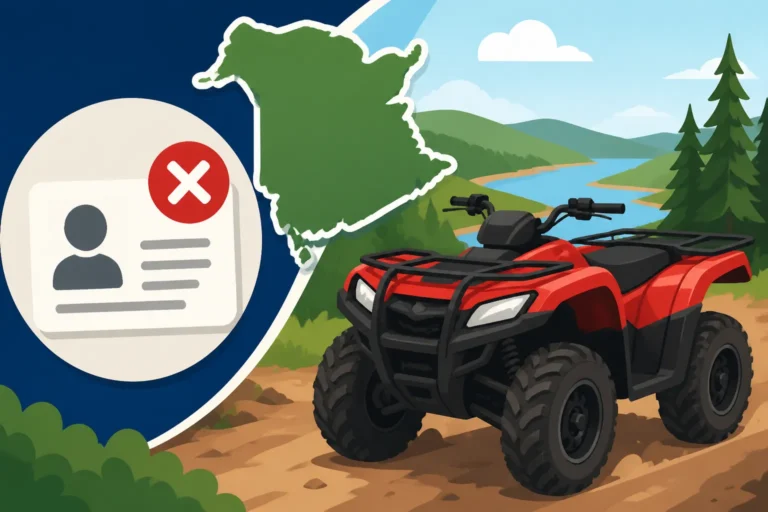
One of the biggest changes Quebec riders need to be aware of is the status of reciprocity. For many years, there was a reciprocal agreement between the Fédération Québécoise des Clubs Quads (FQCQ) and QuadNB, which allowed riders from one province to use the other's trail network with their home province's trail permit. This was incredibly convenient and fostered a lot of cross-border riding. However, that agreement ended. Now, if you're coming from Quebec, your FQCQ trail pass is generally not valid on New Brunswick's organized trail network. This means you'll need to purchase a specific New Brunswick trail permit to legally ride on QuadNB trails, much like [New Brunswick Riders Visiting Quebec] need a Quebec permit. It's a crucial detail that can derail a trip if not planned for in advance.
Essential Documents for a Visiting Quebec Rider
Regardless of where you're from, having your paperwork in order is paramount when riding an ATV or UTV in New Brunswick. Think of it like driving your car; you wouldn't leave home without your driver's license, vehicle registration, and proof of insurance, would you? The same diligence applies to your off-road machine. For a visiting Quebec rider, you absolutely must carry proof of ownership (like your registration certificate or bill of sale), valid liability insurance for your machine, and your driver's license. If you're riding on the managed trail system, your New Brunswick trail permit sticker is also non-negotiable. An officer can ask to see these documents at any time, and not having them can lead to significant fines. It's a good practice to keep them in a waterproof pouch on your machine, perhaps in a glove box or saddlebag, so they're always accessible but protected from the elements. Don't forget, [New Brunswick Documents You Must Carry] also include proof of insurance.
Trail Permits and Membership: What You Need to Know
This is arguably the most critical section for Quebec visitors, as the trail permit system in New Brunswick is the gateway to exploring most of the province's incredible riding areas. Without the correct permit, you'll be limited to private land with permission, which severely restricts your options. Understanding how to get one, and what kind you need, is essential before you even load your machine onto the trailer.
The End of Quebec Reciprocity
As mentioned, the reciprocal agreement between Quebec and New Brunswick for ATV trail permits is no longer in effect. This change meant that Quebec riders could no longer rely on their FQCQ permit to access New Brunswick's QuadNB network. It was a significant shift that impacted many riders who regularly crossed the border for their adventures. The reason for the change, from New Brunswick's perspective, often comes down to administrative and financial sustainability of their own trail system. [New Brunswick Ended Quebec Reciprocity], meaning the clubs in New Brunswick, which are largely volunteer-driven, rely on permit sales to maintain their vast network of trails, bridges, and signage. When a Quebec rider uses the New Brunswick trails without contributing directly to their upkeep through a New Brunswick permit, it puts a strain on the local system. So, while it might feel like an extra cost, it's directly supporting the trails you'll be enjoying.
How to Acquire a New Brunswick Trail Permit
So, you've accepted that you need a New Brunswick permit – now, how do you get one? It's actually quite straightforward, with a few options available. The most common way is through the QuadNB federation itself, or through one of its 57 member clubs. Many powersports dealers across New Brunswick also sell permits, often when you're purchasing a new machine or getting service done. You might even find them available at certain Service New Brunswick centres. For visitors, the easiest approach is often to purchase it online through the QuadNB website before your trip, or once you arrive, locate a dealer or club near your intended riding area. You'll need your machine's registration information and likely proof of insurance. Once purchased, you'll receive a physical sticker that needs to be prominently displayed on your machine, typically on the left-hand side of the front fender or similar visible location, as detailed in [New Brunswick Permit Placement on a Machine]. Make sure it's affixed securely and visible for trail wardens.
Understanding Permit Types and Costs
New Brunswick offers a few different types of trail permits, designed to suit various riding needs. The main distinction is between the "Groomed Trail Permit" (sometimes referred to as a four-season permit) and the "Non-Groomed Trail Permit" (or three-season permit).
- Groomed Trail Permit: This is generally the more comprehensive option, covering access to trails that are maintained year-round, including those groomed for snowmobiles in winter (where ATVs are allowed to share). If your trip extends into the colder months, or if you plan on using trails that are part of the shared snowmobile network, this is the one you'll want. [New Brunswick Groomed Trail Permit] offers the most flexibility.
- Non-Groomed Trail Permit: This permit covers the majority of the trail network during the non-winter seasons (spring, summer, fall). These trails might not see the same level of winter maintenance or snow grooming, but they still offer thousands of kilometres of fantastic riding. If you're purely visiting in the warmer months and don't plan on winter riding, this permit is a more cost-effective option.
- Day and Week Permits: For visitors, these can be incredibly convenient. If you're only planning a short visit, perhaps a long weekend or a week-long vacation, a [New Brunswick Day Permit Cost] or [New Brunswick Week Permit Cost] allows you to access the trails without committing to a full annual permit. These are perfect for those occasional cross-border trips and ensure you're contributing to the upkeep of the trails during your stay.
The specific fees for these permits can vary, and they do get reviewed periodically, so always check the official QuadNB website for the most current pricing. Keep in mind that a portion of your permit fee directly supports the local clubs that do the hard work of maintaining the trails.
Insurance, Registration, and Equipment: Staying Legal
Beyond the trail permit, there are other fundamental requirements that ensure you're riding legally and safely in New Brunswick. These include having appropriate insurance coverage, understanding how your Quebec registration is viewed, and making sure your machine is equipped to meet provincial safety standards. Ignoring any of these could lead to fines, or worse, put you in a dangerous situation.
New Brunswick's Mandatory Insurance Requirement
This is a big one, and it's something every rider, regardless of their home province, needs to take seriously. In New Brunswick, liability insurance is mandatory for any off-road vehicle operating on Crown land, club trails, or any other public access point. This isn't just a suggestion; it's the law. If you're pulled over by a game warden or police officer on a New Brunswick trail and cannot provide proof of insurance, you're looking at a substantial fine. [New Brunswick Uninsured ATV Fine of $604.50] is a stiff penalty that no one wants to face on vacation. Your Quebec insurance policy should provide coverage in New Brunswick, but it is absolutely critical that you confirm this with your insurance provider before you leave home. Ask them specifically if your policy extends to New Brunswick for off-road vehicle use and if it meets the provincial liability requirements. Carry proof of this coverage with you, alongside your other documents.
Registration for Out-of-Province Machines
When you bring your ATV or UTV into New Brunswick from Quebec, your home province's registration remains valid. You do not need to register your machine with Service New Brunswick for a temporary visit. Your Quebec registration certificate serves as your proof of ownership and keeps your machine on the books. However, it's vital that your Quebec registration is current and valid. An expired registration in your home province won't magically become valid just because you've crossed the border. An officer checking your paperwork will verify the validity of your home province's registration, and riding an unregistered machine, even if it's "unregistered" back home, can lead to a [New Brunswick No-Registration Fine of $172.50]. So, ensure your Quebec registration is up to date before you hit the road.
Equipment and Safety Gear Rules
New Brunswick takes ATV safety seriously, and there are specific equipment requirements that your machine and you, as the operator, must meet.
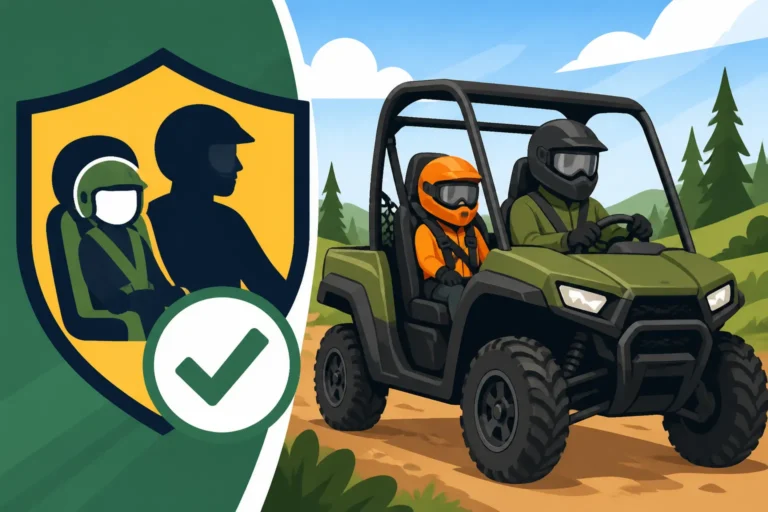
- Helmets: This is non-negotiable. Every occupant of an ATV or UTV on public land or trails in New Brunswick must wear an approved helmet. This includes passengers. The helmet must meet specific safety standards, such as CSA D230, DOT FMVSS 218, or Snell. Make sure your helmet has the appropriate sticker inside. [New Brunswick ATV Helmet Law] is strictly enforced.
- Lighting: If you're riding at night or when visibility is reduced (think fog, heavy rain, or even just deep shadows in the woods), your machine needs to have working headlights and taillights. Many modern machines come with excellent lighting from the factory, but if yours is older or you're riding in particularly challenging conditions, considering aftermarket LED light bars can greatly enhance safety and visibility. Companies like SuperATV offer a range of robust lighting solutions that are perfect for improving visibility on those darker New Brunswick trails.
- Muffler/Exhaust: Your machine must be equipped with a muffler in good working order that effectively limits noise. Loud pipes might be tolerated in some areas, but in New Brunswick, excessive noise can lead to complaints and fines. Keep your exhaust system compliant to avoid issues with local residents and trail patrols.
- Brakes: Your brakes must be in good working order. This sounds obvious, but regular maintenance is key, especially if you're tackling varied terrain.
- Mirrors: While not universally required for all ORVs, if your machine is designed for road use or has features that make mirrors practical, having them is a good idea for safety. For UTVs, side mirrors are generally expected.
- Tires: Ensure your tires are in good condition and suitable for the terrain you'll be riding. New Brunswick trails can range from smooth rail beds to rocky, muddy, and challenging forest paths. Having the right tread and pressure can make a huge difference in safety and enjoyment. If you're looking for upgrades for your UTV to better handle the varied New Brunswick landscape, SuperATV offers a wide selection of tires, wheels, and lift kits to prepare your machine for any adventure.
Always perform a quick pre-ride inspection to ensure all your lights, brakes, and other safety features are operational before heading out.
Navigating New Brunswick Trails and Roads
Now that your paperwork and machine are in order, let's talk about the actual riding experience. New Brunswick boasts an incredible network of trails, but there are specific rules about how and where you can ride, especially when it comes to shared spaces or crossing public roads. Knowing these rules is crucial for a fun and legal ride.
General Trail Rules and Etiquette
New Brunswick's managed trail system, primarily maintained by QuadNB and its member clubs, offers thousands of kilometres of diverse riding, from old rail beds to challenging woods trails. When you're on these trails, several general rules and etiquette guidelines apply:
- Stay on Marked Trails: This is paramount. Deviating from marked trails can lead to trespassing on private land, damaging sensitive ecosystems, or entering areas that are unsafe or closed. Stick to the designated path.
- Respect Private Property: Many trails cross private woodlots or farmland, often with the landowner's permission. Always treat these areas with the utmost respect. Leave gates as you found them, don't litter, and keep noise to a minimum near homes. Remember, [New Brunswick Trespass Law for Riders] is serious.
- Yield to Others: Be courteous to other trail users, whether they are other ATVs, dirt bikes, hikers, or mountain bikers. Always yield to slower traffic and be prepared to stop for horses.
- Control Your Speed: Ride within your limits and adjust your speed to conditions. Blind corners, dusty conditions, or unexpected obstacles require reduced speed.
- No Alcohol or Drugs: Operating an ATV or UTV while impaired is illegal and incredibly dangerous. [New Brunswick Impaired Riding Penalties] are severe, similar to those for impaired driving of a car.
Road Usage and Crossing Rules
This is often where Quebec riders, and indeed many riders, can get confused. New Brunswick has specific rules regarding ATV and UTV use on public roads and highways:
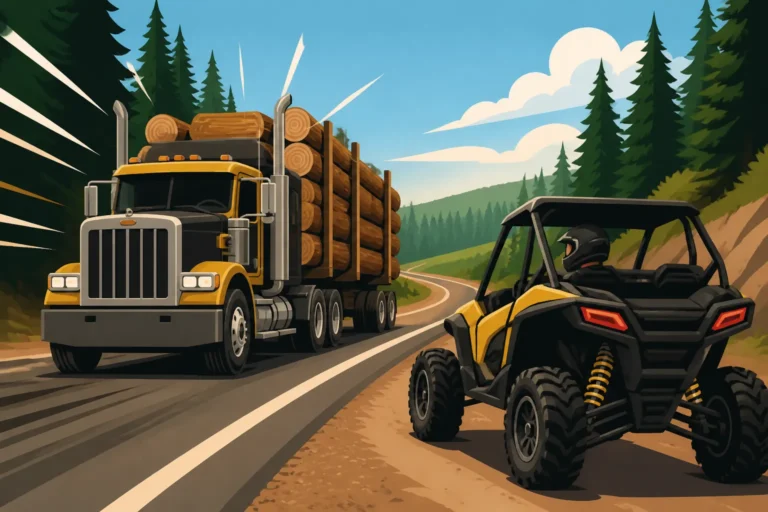
- Highway Usage Permits: Generally, you cannot ride an ATV or UTV on the "travelled portion" of a public highway in New Brunswick. There are exceptions for designated road sections where a highway usage permit might be issued, often through local clubs or municipalities. These are usually clearly marked and for specific purposes like connecting trail sections or accessing services. [Can You Ride an ATV on the Road in New Brunswick?] clarifies these limitations.
- Crossing Roads: You can typically cross a public road or highway at a right angle after coming to a complete stop, ensuring the way is clear, and signalling your intention. You must yield to all vehicular traffic. This isn't an invitation to ride down the road; it's a quick, safe crossing.
- 7.5 Metre Rule: You must generally operate your ORV at least 7.5 metres from the travelled portion of a public highway. This rule ensures a safe buffer zone from faster-moving traffic. [7.5 Metres From the Travelled Portion] is a critical distance to observe.
- Municipal Bylaws: Some municipalities in New Brunswick may have specific bylaws that allow ATVs on certain local roads or streets, usually to connect to trails or access local businesses. Always check local bylaws for the area you're riding in.
- Youth Riders and Roads: There are strict rules for riders under 16 regarding road crossings. Generally, [New Brunswick Under-16 Riders Cannot Cross a Road] unless specific conditions are met, often requiring adult supervision and a safety course.
Avoiding Fines and Penalties
The best way to enjoy your New Brunswick ATV adventure is to stay informed and compliant. Fines for violating ORV regulations can add up quickly and certainly put a damper on your trip budget. Common penalties include:
- No Trail Permit: [New Brunswick Trail Permit Fines] are significant, often costing more than the permit itself.
- No Insurance: As mentioned, the [New Brunswick Uninsured ATV Fine of $604.50] is a major hit.
- No Registration (expired home province registration): This can lead to a fine.
- No Helmet: The [New Brunswick's $172.50 Helmet Fine] applies to both drivers and passengers.
- Riding on a Highway/Road Illegally: This can result in a [New Brunswick's $292.50 Highway Fine].
- Impaired Riding: These penalties are among the most severe, including heavy fines, loss of driving privileges, and even jail time.
Always carry your required documents, adhere to safety gear rules, purchase the correct trail permit, and understand where you can and cannot ride. If you're ever in doubt, err on the side of caution or ask a local club member or game warden for clarification. They're usually happy to help ensure everyone has a safe and enjoyable time.
Here's a quick comparison of some key differences:
| Feature | Quebec (FQCQ) | New Brunswick (QuadNB) | Notes for Quebec Visitors |
|---|---|---|---|
| Trail Permit | FQCQ Trail Permit | QuadNB Trail Permit | Your FQCQ permit is generally NOT valid in NB. You need a NB permit. |
| Reciprocity | Ended with New Brunswick | Ended with Quebec | You must buy a New Brunswick permit to ride NB trails. |
| Liability Insurance | Mandatory for public trails | Mandatory for public trails and Crown land | Confirm your Quebec policy covers NB and carry proof. |
| Registration | Required (SAAQ) | Required (Service New Brunswick) | Your valid Quebec registration is accepted for visiting. |
| Helmet Law | Mandatory for all occupants | Mandatory for all occupants (approved standards) | Ensure your helmet meets CSA, DOT, or Snell standards. |
| Road Usage | Limited, often designated road sections via bylaws | Limited, 7.5m rule, specific crossing rules, some designated sections | Strict rules apply; don't ride on highways unless designated. |
| Safety Course (Youth) | Required for youth on trails | Required for youth (under 16) on trails & road crossings | Check specific age limits and escort requirements for youth. |
| Driving Age | 16 with licence, exceptions for supervised youth | 16 with licence, exceptions for supervised youth | New Brunswick has specific rules for [New Brunswick Riders Aged 14 and 15]. |
This article is for general informational purposes only and does not constitute professional advice. Laws, prices and regulations vary by location and change over time. Consult a qualified professional for guidance on your specific situation.