Who Enforces Quad Rules on a New Brunswick Trail
Ever been out on the New Brunswick trails, enjoying the fresh air and the thrill of the ride, and suddenly a question pops into your head: who exactly is out here making sure everyone's following the rules? It's a common thought, especially when you want to make sure you're doing everything right and staying safe, but you're not always sure who holds the authority. This guide is all about shedding light on the various folks and authorities responsible for enforcing quad and UTV regulations across our beautiful province's extensive trail network, helping you understand who might stop you and what they're looking for.
The Role of Law Enforcement on New Brunswick Trails
When you think of "the law," it’s often the Royal Canadian Mounted Police (RCMP) or your local municipal police force that first comes to mind. These officers absolutely have jurisdiction on New Brunswick's trails, especially where those trails intersect or run parallel to public roads, or whenever a serious incident occurs. They are the frontline responders for accidents, criminal activity, and major infractions that impact public safety.
RCMP and Local Police Presence
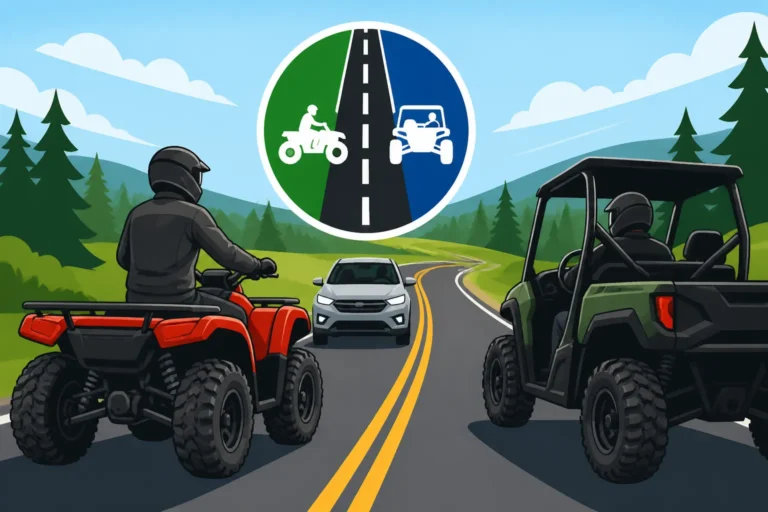
The RCMP and local police forces are actively involved in enforcing provincial statutes like the Off-Road Vehicle Act, the Motor Vehicle Act, and even the Criminal Code of Canada on our trails. Their primary concern is public safety, which means they're on the lookout for things that could put riders or other trail users at risk. This includes speed violations, especially on designated road sections or shared-use trails where posted limits are in effect. Imagine you're enjoying a ride near Sussex, and you cross a short section of a town road that's open to quads. If you're going too fast, a local police officer might pull you over just as they would a car.
Beyond traffic-style infractions, these officers are crucial in responding to accidents, whether it's a rollover on a challenging section of trail near Plaster Rock or a collision involving multiple machines. They will investigate the scene, determine fault, and apply charges if necessary. Most importantly, they are rigorously enforcing laws against impaired operation. Riding under the influence of alcohol or drugs on an ATV or UTV is taken just as seriously as doing so in a car, with severe penalties. An officer conducting a routine check at a trailhead in Miramichi could ask for your documents and observe your sobriety, and if they suspect impairment, they have the authority to conduct field sobriety tests. Make sure you understand [New Brunswick Impaired Riding Penalties] because they are steep.
Department of Natural Resources and Energy Development DNRED Officers
While the RCMP handles the broader public safety and criminal aspects, the Department of Natural Resources and Energy Development (DNRED) officers play a vital role in protecting our province's natural resources. These officers are often seen in more remote, wilderness areas, on Crown land, or in places where environmental protection is a key concern. Their jurisdiction extends to enforcing regulations related to wildlife, forestry, and environmental stewardship, which often directly impacts how and where ATVs and UTVs can be operated.
For instance, a DNRED officer might be patrolling a logging road near Edmundston and stop riders to ensure they aren't venturing into sensitive ecological areas, violating seasonal closures, or engaged in illegal hunting or fishing activities. They're keen on making sure riders stick to designated trails and respect private property boundaries, especially when those properties are adjacent to Crown land or protected zones. If you're caught riding in a protected wetland or off-limits area, a DNRED officer has the authority to issue fines and can even seize your machine in serious cases. They're also the ones ensuring that you're not cutting trees illegally or causing undue environmental damage. You definitely want to be familiar with [New Brunswick Crown Land Riding Rules] before you head out into undeveloped areas.
QuadNB's Crucial Part in Trail Management and Compliance
While QuadNB (the New Brunswick All-Terrain Vehicle Federation) is not a law enforcement agency, it plays an absolutely critical role in promoting responsible riding, educating its members, and working in partnership with various levels of government and enforcement bodies. They are the backbone of our province's managed trail system, and their efforts significantly contribute to how rules are understood and, indirectly, enforced.
The Federation's Self-Policing Efforts
QuadNB operates through a network of 57 member clubs across New Brunswick, and these clubs foster a strong sense of community and self-policing among riders. The federation is built on the principle that responsible riders are the best advocates for continued trail access and the positive image of the sport. While they don't have the power to issue fines or make arrests, QuadNB and its clubs actively encourage members to report irresponsible behavior to the proper authorities. This could include reporting instances of littering, excessive speed, or riding in prohibited areas.
Club volunteers and trail wardens, who are often dedicated members themselves, play a crucial role in maintaining trails and educating riders they encounter. They'll often be the first to inform you about local rules, trail conditions, or specific concerns in a given area, such as a bridge closure or a temporary reroute. Their presence acts as a deterrent to bad behavior and helps to cultivate a culture of respect for the trails and other users. This collective commitment from [New Brunswick's 31,000 Federation Members] helps keep the trails safe and accessible for everyone.
Trail Permits and Membership Compliance
One of QuadNB's most significant contributions to compliance is the management of the trail permit system. When you purchase a trail permit, you're not just buying access; you're contributing to the maintenance, signage, and insurance of the entire managed trail network. This system is designed to ensure that everyone who uses the trails is helping to support them, and it provides a clear mechanism for tracking compliance.
Officers from the RCMP, local police, and DNRED are authorized to check for valid trail permits. If you're riding on a designated QuadNB trail, you absolutely need one. Imagine you're on a popular trail section near Fundy National Park, and an officer approaches. One of the first things they'll ask for, after your registration and insurance, is your trail permit. Without it, you could face a significant fine. The system ensures that those who benefit from the trails are also contributing to their upkeep. It’s also crucial to remember that [New Brunswick Trail Permits for 2026 and 2027] have specific validity periods, and riding with an expired permit is just as serious as having none at all. Knowing the [New Brunswick Trail Permit Fines] is a good way to motivate yourself to always have a current sticker.
Understanding the Specific Rules Being Enforced
Riders in New Brunswick need to be aware of a range of regulations beyond just having a trail permit. These rules cover everything from how your machine is equipped to who is allowed to operate it. Enforcement officers are trained to look for compliance across this spectrum, ensuring that all riders are operating safely and legally.
Registration, Insurance, and Safety Equipment Checks
When an officer stops you on the trail, they are typically looking for four key things: proof of registration, proof of insurance, a valid driver's license (or appropriate operating certificate), and a current trail permit if you're on a managed trail. Your ATV or UTV must be properly registered with Service New Brunswick, and you must carry the registration certificate with you on the machine. Similarly, [New Brunswick Requires Insurance on Trails] for most off-road vehicles, and you'll need to provide proof of that coverage. These aren't just bureaucratic hurdles; they ensure that if something goes wrong, you and others are protected.
Beyond paperwork, safety equipment is a major point of enforcement. Every occupant of an ATV or UTV on a trail in New Brunswick must wear an approved helmet. Officers will check for this, and they'll also look for functional headlights, taillights, and brake lights, especially if you're riding after dark or in low visibility conditions. Many riders invest in quality aftermarket parts from brands like SuperATV to ensure their machines are trail-ready and compliant, from proper lighting to sturdy helmets. They offer robust accessories that can help you meet safety standards and enhance your riding experience, keeping you out of trouble. Ignoring these safety equipment rules can lead to fines, and more importantly, can put you and your passengers at serious risk. Make sure you're aware of [New Brunswick Helmet Law for Every Occupant]. Carrying your [New Brunswick Registration Paperwork Checklist] can save you a lot of hassle.
Age Restrictions and Operator Licensing
New Brunswick has specific regulations regarding the age of ATV and UTV operators and the type of licensing or certification they require. It’s not a free-for-all; these rules are in place to ensure that riders have the necessary maturity and training to operate these powerful machines safely. For instance, individuals 16 years of age and older need a valid driver's license (any class) to operate an ATV on an off-road trail. For younger riders, specifically those aged 14 and 15, a Class 9 (Motor Driven Cycle) license is required, along with an approved ATV safety course certificate. They must also be accompanied by a licensed adult rider who has completed the safety course.
DNRED officers, RCMP, and local police will definitely verify the age and licensing of operators. If a younger rider is operating a machine without the proper documentation or escort, both the young rider and the accompanying adult (if applicable) can face penalties. It's a significant responsibility for parents and guardians to ensure their children meet these requirements. For very young riders (6-13 years old), operation is typically restricted to closed courses and smaller engine sizes, and they must always be under direct adult supervision. These rules are non-negotiable and are crucial for preventing accidents involving young riders. Understand all the nuances of [New Brunswick Class 9 Licence for Teens] and [New Brunswick ATV Age Requirements].
Common Misconceptions and Rider Responsibilities
There are some pervasive myths about off-road riding that can unfortunately lead riders into trouble. Understanding these misconceptions and embracing your personal responsibilities as a rider is key to enjoying the trails safely and legally, and to having a positive interaction with any enforcement officer you might encounter.
The Myth of "Anything Goes" Off-Road
A common misconception, especially for newer riders, is that once you leave the paved road and hit the dirt, "anything goes." This couldn't be further from the truth. All provincial and federal laws still apply, even deep in the woods on a remote trail. The Off-Road Vehicle Act specifically governs how and where you can operate your machine, but general laws regarding public safety, environmental protection, and even criminal behavior remain in effect. For example, vandalism, littering, or reckless endangerment are still illegal regardless of whether you're in a city or on a backwoods trail.
Furthermore, trespass laws are vigorously enforced. Riding on private land without the owner's explicit permission, even if it feels like an unmarked trail, is illegal. Many farmers and woodlot owners in New Brunswick are very protective of their land, and for good reason. Riding on their property without permission can not only lead to fines but can also severely damage the relationship between the ATV community and landowners, potentially leading to trail closures. Always be sure you know if you are on private land and have permission, or stick to designated public trails. If you're ever in doubt, it’s best to turn back. Don't fall victim to [New Brunswick Trespass Law for Riders].
What to Do When Approached by an Officer
It's a moment that can make any rider's heart skip a beat: seeing flashing lights or being waved down by an officer on the trail. Your reaction in these situations is incredibly important and can significantly influence the outcome. The best approach is always to be polite, cooperative, and respectful. Pull over safely to the side of the trail, turn off your engine, and keep your hands visible.
When asked, provide your documents promptly: your driver's license (or equivalent), vehicle registration, proof of insurance, and your valid QuadNB trail permit. Officers are well within their rights to ask for these documents and to inquire about your activities. Ensuring your machine is well-maintained with quality parts, perhaps from SuperATV, can also give you peace of mind when approached, knowing your ATV is up to snuff and your safety gear is in good condition. If you don't understand a question, politely ask for clarification. Avoid arguing or becoming confrontational. If you believe you are being unfairly treated or wrongly accused, cooperate at the scene and address the issue through the proper legal channels later. Remember, you have to be ready for [Carrying Four Documents at Once].
The Broader Impact of Enforcement
The enforcement of ATV and UTV rules isn't just about catching rule-breakers; it's about safeguarding the future of off-road riding in New Brunswick. A robust and fair enforcement system has far-reaching positive effects on trail access, rider reputation, and the overall sustainability of the sport.
Maintaining Trail Access and Rider Reputation
One of the most significant impacts of effective enforcement is its role in maintaining and expanding trail access. When riders consistently adhere to rules, respect private property, and operate their machines responsibly, it builds trust with landowners, local communities, and government agencies. This trust is invaluable, as many trails traverse private land or rely on agreements with municipalities. If a community sees a pattern of reckless behavior, noise complaints, or environmental damage, it can quickly lead to trails being closed off, either permanently or seasonally.
Conversely, when enforcement helps keep bad actors in check, it reinforces the positive image of the vast majority of responsible ATV and UTV enthusiasts. This positive reputation makes it easier for QuadNB and its member clubs to negotiate new trail developments, secure funding for maintenance, and ensure that the provincial government remains supportive of the sport. Every time an officer writes a ticket for an infraction, it's not just a penalty for one individual; it's a message that the rules are taken seriously, which ultimately benefits all riders by preserving the privilege of trail access. Many riders are surprised by some of the [New Brunswick Rules Riders Get Wrong], which highlights the need for consistent enforcement and education.
Penalties for Non-Compliance
The penalties for not complying with New Brunswick's ATV and UTV regulations are varied and can be quite substantial. They are designed to act as a deterrent and to emphasize the seriousness of irresponsible operation. Fines are the most common consequence, ranging from moderate amounts for minor infractions like an expired permit to hundreds or even thousands of dollars for more serious offenses such as riding without registration, operating while impaired, or causing environmental damage. For example, riding without a valid registration can result in a significant fine, and [New Brunswick Penalties for Riding Unregistered] can quickly add up. Similarly, the [New Brunswick Penalties for Riding Uninsured] are even higher.
In addition to fines, other penalties can include points on your driver's license (if the offense falls under the Motor Vehicle Act), suspension of your driving privileges, and in severe cases, impoundment of your ATV or UTV. If you're involved in an accident while riding illegally, your insurance might be voided, leaving you personally liable for damages and injuries. DNRED officers also have the power to seize machines involved in serious environmental offenses. These penalties underscore the fact that off-road riding is a regulated activity with serious consequences for those who choose to ignore the rules, protecting the safety and enjoyment of the entire riding community.
| Enforcement Body | Primary Focus | Key Areas of Enforcement | Documents/Items Checked |
|---|---|---|---|
| RCMP / Local Police | Public Safety, Criminal Law, Highway Act | Impaired Operation, Dangerous Driving, Accidents, Speed Limits, License Plate Offenses | Driver's Licence, Registration, Insurance, Sobriety, Identity |
| DNRED Officers | Environmental Protection, Wildlife, Crown Land | Trespass, Resource Damage, Hunting/Fishing Regulations, Off-Limit Areas | Proof of Permission, Compliance with Land Use, Permits |
| QuadNB (Indirect Support) | Trail Maintenance, Rider Education, Member Compliance | Trail Permit Adherence, Safe Riding Practices, Etiquette, Reporting Violations | Trail Permit, Membership Card (for verification) |
Disclaimer
This article is for general informational purposes only and does not constitute professional advice. Laws, prices and regulations vary by location and change over time. Consult a qualified professional for guidance on your specific situation.