Dirt Bikes and New Brunswick Paperwork
It can feel like a maze trying to figure out all the paperwork required for riding your dirt bike legally here in New Brunswick. Many riders just want to hit the trails or enjoy their property, but the rules and documents can be confusing, leaving you wondering if you've missed something important. This guide will walk you through everything you need to know about registering your dirt bike, what documents to keep on hand, and other essential paperwork to ensure your riding adventures are hassle-free and fully compliant with provincial regulations.
Understanding Dirt Bike Registration in New Brunswick
Riding a dirt bike in New Brunswick, whether it's on public trails, Crown land, or even sometimes on private property, comes with the responsibility of proper registration. It's not just a suggestion; it's a legal requirement that keeps our trails managed and safe for everyone. Many riders think their dirt bike, being more of an off-road machine, might be exempt, but that's a common misconception. Unless you fall under very specific, narrow exemptions, your dirt bike needs to be on the books.
The process of getting your dirt bike registered is handled through Service New Brunswick, much like registering any other vehicle. It involves a visit to one of their centres, though some renewals can be done online or over the phone. You'll need to prove ownership, provide some details about the machine, and pay the required fees. This registration ensures that your machine is recognized by the province and allows you to participate in the extensive trail network maintained by clubs across New Brunswick.
One of the biggest frustrations can be understanding why a dirt bike, which you might only use on your own land, still needs to be registered. The province's Off-Road Vehicle Act casts a wide net, aiming to regulate ORVs for safety, environmental protection, and trail funding. Even if you only plan to ride on your own woodlot, understanding the [New Brunswick Owner-Only Private Land Exemption] is crucial, as the rules are quite specific about what truly qualifies as "private land" riding that might not require full registration or a trail permit.
Why Dirt Bikes Need to Be Registered
Many dirt bike owners, especially those new to the sport or new to New Brunswick, are surprised to learn that their off-road machine needs a formal registration. Unlike some jurisdictions where dirt bikes might fall into a different category, New Brunswick treats them as Off-Road Vehicles (ORVs) under provincial law. This means they are subject to the same general registration requirements as ATVs and side-by-sides. The main reason for this comprehensive approach is to ensure accountability, track ownership, and generate funds that support trail development and maintenance. Imagine the chaos and difficulty in managing safety and enforcement if there was no record of who owned what machine.
The registration also ties into provincial trail systems. When you register your dirt bike, you're becoming part of a larger network that supports the upkeep of thousands of kilometres of trails. Without registration, it's impossible for the province and trail clubs to properly plan, fund, and maintain these essential recreational arteries. It helps ensure that everyone who benefits from the trails is contributing in some way, creating a more sustainable system for all riders.
It's a common concern that the government is just trying to collect more fees, but the intent behind ORV registration is genuinely rooted in safety and resource management. The fees collected go towards administration, and a significant portion supports the trail infrastructure that we all enjoy. Ultimately, it’s about creating a safe, organized, and enjoyable riding environment across the province, something every rider can appreciate when they’re out on the trails.
The Registration Process: What to Expect
The actual process of registering your dirt bike for the first time is fairly straightforward, though it does require a trip to a Service New Brunswick centre. You can't just mail in a form; they generally need to see you and your documents in person, especially for an initial registration. This is to verify your identity and the details of the machine. It’s always a good idea to call ahead or check the Service New Brunswick website for the most current requirements and office hours, as things can sometimes change.
When you go, you'll need to bring proof of ownership, like a bill of sale or a manufacturer's statement of origin (MSO) if it's a brand-new machine. You’ll also need personal identification. The staff will guide you through filling out the Application for Vehicle Registration form. Don't worry if you're not sure about every detail; they are there to help. Once all the information is entered and the fee is paid, you'll receive your registration certificate and a license plate (or decal, if applicable for dirt bikes). This is your golden ticket to legal riding! Keep in mind that [New Brunswick ORV Registration Explained] covers the broader aspects, but for dirt bikes, the specific fees often make them a more affordable option.
After your initial registration, renewing your dirt bike's paperwork is a breeze compared to the first time. You can often renew online or by phone, which saves you a trip to a service centre. Remember, all [New Brunswick Registrations Expire December 31], so it's a fixed date you'll need to remember each year, regardless of when you initially registered. Missing the deadline can lead to complications and potential fines if you're caught riding unregistered.
The Specifics of Dirt Bike Fees and Documents
Navigating the costs and the precise paperwork can be one of the more challenging aspects of getting your dirt bike ready for the trails. While the overall process is similar for all ORVs, dirt bikes often benefit from a lower fee structure compared to larger machines like ATVs and side-by-sides. This small difference can be a pleasant surprise for dirt bike enthusiasts, making the legal aspect a bit more accessible. Knowing exactly what to bring and how much to budget will streamline your visit to Service New Brunswick.
It's not just about the registration fee itself; you also need to think about how you acquired the machine. If it was a private sale, you'll need a properly executed bill of sale. If it's brand new from a dealership, they'll often handle a lot of the initial paperwork for you, though you'll still need to finalize the registration yourself. Understanding these nuances helps avoid frustrating delays and multiple trips to the service centre.
Having a clear [New Brunswick Registration Paperwork Checklist] prepared before you head out can save you a world of trouble. There's nothing worse than getting to the counter, waiting in line, only to realize you left a crucial document at home. A little preparation goes a long way in making the registration experience smooth and quick, getting you back to thinking about hitting those winding trails.
New Brunswick Dirt Bike Registration Fees
One of the great things about dirt bikes in New Brunswick is their registration fee. It's often significantly less than what ATV owners pay, which is a welcome relief for many riders. This reduced fee reflects, in part, the generally lighter impact dirt bikes might have on trails compared to heavier machines, though the exact reasons are steeped in historical legislation. Regardless, it's a benefit you'll appreciate. For example, you'll find that [New Brunswick Charges $16 for a Dirt Bike] for its annual registration, a modest fee that contributes to the overall ORV system.
This fee is an annual charge, meaning you'll pay it every year to keep your registration current. As mentioned, the registration period runs from January 1st to December 31st, regardless of when you first register. So, if you register in July, you’ll still renew in January. This annual fee, along with your trail permit, forms the financial backbone that helps maintain and expand the incredible trail network we have here in New Brunswick.
It’s always a good idea to check the official Service New Brunswick website for the absolute latest fee schedule, as figures can occasionally be adjusted. While I can tell you the shape of the cost, specific amounts should always be verified directly. Don't forget that if you also own a dune buggy, the registration fee structure is often similar to dirt bikes, meaning [Registering a Dune Buggy for $16 a Year] would also apply.
Required Documents for Dirt Bike Registration
When you head to Service New Brunswick to register your dirt bike, you’ll need a few key pieces of paperwork. The most important is proof of ownership. If you bought your dirt bike new from a dealer, you’ll typically have a Manufacturer’s Statement of Origin (MSO) or a New Vehicle Information Statement (NVIS). The dealer usually provides this. If you bought it used from a private seller, you’ll need a bill of sale. This document is absolutely critical. It needs to clearly state the seller's and buyer's names, the date of sale, the purchase price, and a detailed description of the dirt bike, including the VIN (Vehicle Identification Number).
Sometimes, people buy used machines without a formal bill of sale, which can complicate things. While it’s always best to have one, [New Brunswick Registration Without a Bill of Sale] outlines some alternative steps you might need to take, such as getting a sworn affidavit. This just reinforces how important it is to get that bill of sale at the time of purchase! Beyond ownership proof, you’ll need your personal identification, usually a valid driver’s license or other government-issued ID. Make sure it shows your current New Brunswick address.
Finally, you’ll fill out the Application for Vehicle Registration form. This form collects all the necessary information about you and your dirt bike. It’s fairly straightforward, asking for things like the make, model, year, and VIN of your machine. Having all your other documents ready will make filling this out much quicker. Being prepared with these items ensures a smooth transaction and avoids any unnecessary delays in getting your dirt bike legally registered. For a private sale, a service like LawDepot can provide ready-to-use bill of sale templates that ensure all the necessary legal information is included, making the transaction clear and valid.
Keeping Your Dirt Bike Paperwork in Order
Once your dirt bike is registered, the paperwork journey isn't over. Knowing what documents you need to carry with you when you ride, and where to keep them, is just as important as the initial registration. Law enforcement officers or trail patrol personnel may stop you and ask to see your documents, and being unprepared can lead to fines and a ruined day of riding. It's about being responsible and ensuring you can prove your compliance at any given moment.
Many riders, myself included, have had that moment of panic on the trail, reaching into a bag or pocket only to realize a crucial document is missing. It's a common oversight, especially when you're focused on the fun of the ride. But avoiding that situation is key. It involves creating a routine for what you carry and having dedicated, waterproof storage for those essential papers.
Understanding [New Brunswick Documents You Must Carry] is not just about avoiding a ticket; it's about being a responsible rider who respects the rules that help keep our trails open and safe. It contributes to the overall positive image of the ORV community, showing that riders are serious about legal and safe operation.
Documents to Carry While Riding
When you're out on your dirt bike in New Brunswick, there are a few essential documents you must carry with you at all times. Think of it like driving your car; you wouldn't leave home without your driver's license and vehicle registration, right? It's the same principle for your dirt bike. First and foremost, you need to have your valid ORV registration certificate. This proves your machine is legally registered with the province.
Next, you'll need proof of valid insurance. While [New Brunswick Insurance Exemption for Dirt Bikes] does exist for certain situations (like riding solely on your own land and not on organized trails), if you're hitting any public or club trails, insurance is mandatory. This protects you and others in case of an accident. Lastly, you need your valid ORV operator's license or a driver's license. For younger riders, this might be a Class 9 licence or a driver training certificate. An officer or trail warden can ask to see these documents at any time.
It can be a bit cumbersome to carry all these papers, especially on a dirt bike where storage is limited. Many riders use a small, waterproof bag or a plastic sleeve kept securely in a fender bag, a backpack, or even taped to the inside of a helmet or seat. The goal is to keep them protected from the elements and easily accessible. Just remember the advice in [Carrying Four Documents at Once] – sometimes you need your trail permit in addition to these, so ensure everything is in one place.
Proper Placement of Registration and Decals
Beyond just carrying the documents, there's a specific way your dirt bike's registration plate and any associated decals need to be displayed. The ORV license plate (which will be issued to you by Service New Brunswick upon registration) must be securely affixed to the rear of your dirt bike, clearly visible and free from obstruction. It shouldn't be covered by mud, gear, or anything else that would prevent it from being easily read.
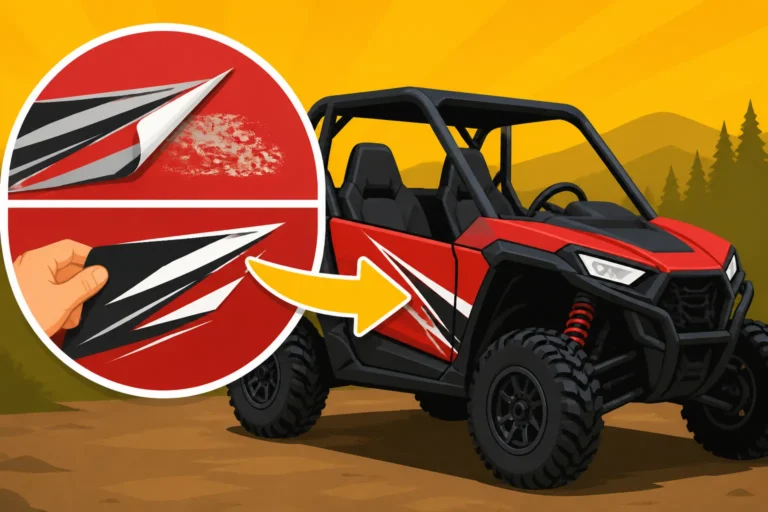
The registration sticker, which indicates the current year of validity, generally needs to be placed on the left side of your dirt bike's front fender. This placement is fairly standard across all ORVs in New Brunswick and is for easy visual inspection by enforcement officers or trail wardens. It’s part of the standard set out for [New Brunswick Permit Stickers on the Left Side]. Making sure it's visible and correctly positioned means you're doing your part to comply with the rules and avoid any unnecessary stops or questions while you're out enjoying your ride.
Regularly check that your plate is clean and your sticker hasn't peeled or faded. The elements can be tough on these items, especially during rough riding. If your plate becomes damaged or your sticker falls off, you'll need to obtain replacements from Service New Brunswick. Failing to display a valid plate and sticker correctly is just as problematic as not having them at all. This diligence helps keep your riding experience trouble-free.
Beyond Registration: Other Important Paperwork Considerations
While getting your dirt bike registered and having your documents ready for the trail are paramount, there are other paperwork-related scenarios you might encounter as a dirt bike owner. These often involve changes in ownership, legal requirements for specific types of riding, or even just knowing what to do if you lose an important document. Being prepared for these situations can save you time, stress, and potential legal headaches.
From buying a used machine from a friend to passing it down to a family member, the transfer of ownership always involves paperwork. Understanding this process ensures that the machine is legally yours and that the previous owner is no longer liable. Similarly, knowing about specific exemptions or additional permits, like those for certain types of land use, is crucial for staying within the bounds of the law.
Ultimately, whether it's understanding [New Brunswick Registration After a Private Sale] or knowing what to do if your documents go missing, being proactive about your dirt bike's paperwork means you can focus more on the joy of riding and less on administrative worries. It’s all part of being a responsible and informed member of the New Brunswick ORV community.
Transferring Ownership of a Dirt Bike
When you buy a used dirt bike, or sell one, the transfer of ownership is a critical step that requires proper paperwork. This process ensures that the machine is legally registered in the new owner's name and that the previous owner is removed from any liability associated with it. For the buyer, it means you can then proceed with registering the dirt bike in your name.
The core document for a private sale is a comprehensive bill of sale. This isn't just a scribble on a piece of paper; it needs to be detailed. It should include the full names and addresses of both the buyer and seller, the date of sale, the selling price, and a complete description of the dirt bike, including its make, model, year, and, most importantly, the Vehicle Identification Number (VIN). Both parties should sign and date it, and it's a good idea for both to keep a copy. If you're unsure how to draft one, a service like LawDepot offers user-friendly templates for bills of sale that cover all the necessary legal points, making the transfer smoother and more secure for both parties.
Once you have the bill of sale, the buyer needs to take it to a Service New Brunswick centre along with their identification to complete the [New Brunswick Transfer of Ownership Explained]. They will process the change, and the new owner will then be able to register the dirt bike in their name. Neglecting this step can lead to situations where the machine is still legally tied to the previous owner, causing problems down the line for everyone involved. For instance, imagine if the old owner gets fined for something the new owner did because the transfer was never completed!
Dealing with Lost or Damaged Paperwork
It happens to the best of us: you misplace your registration certificate, or your license plate gets bent or faded from all the trail riding. Don't panic! Service New Brunswick has processes in place to help you get replacements. It's important to address these issues promptly, as riding with missing or unreadable documents can lead to fines.
If you lose your registration certificate, you can apply for a [New Brunswick Replacement Certificate at $20] at any Service New Brunswick centre. You’ll likely need to show your personal identification to confirm you are the registered owner. They’ll issue you a duplicate, which is just as valid as the original. This is a fairly quick process, but it’s still an inconvenience you’ll want to avoid by keeping your original document safe and secure, perhaps even leaving the original at home and carrying a laminated copy (while also having the digital proof on your phone for immediate access if needed).
For a damaged or faded license plate or a peeling registration sticker, you can also get replacements. The cost for a replacement sticker might be around [New Brunswick Sticker Replacement at $11.50], and replacement plates generally have a separate fee. It's much better to spend a few dollars on a replacement than to face a fine for non-compliance. Always ensure your visible identification—plate and sticker—are in good condition and clearly legible so you don't attract any unwanted attention from enforcement.
A Summary of Dirt Bike Paperwork in New Brunswick
| Document Type | Purpose | Where to Get It | Where to Keep It |
|---|---|---|---|
| Registration Certificate | Proof of legal ownership and provincial registration | Service New Brunswick | Carry a copy while riding, original safe at home |
| License Plate/Decal | Visual identification of registered machine | Service New Brunswick | Mounted on rear of bike, clearly visible |
| Registration Sticker | Annual validation of registration | Service New Brunswick | Left front fender, clearly visible |
| Proof of Insurance | Mandated for trail riding, protects in case of accident | Your insurance provider | Carry a copy while riding |
| Bill of Sale/MSO | Proof of purchase and transfer of ownership | Private seller, dealership, LawDepot template | Safe at home for ownership records |
| Operator's License | Proves you are legally authorized to operate an ORV | Service New Brunswick (driver's license) / Training Course (Class 9) | Carry original while riding |
| Trail Permit | Required for using organized club trails (if applicable) | QuadNB clubs, Service New Brunswick | Mounted on machine or carry with other documents |
Final Thoughts on Dirt Bike Paperwork
Alright, so we've covered a lot of ground today, from the initial registration of your dirt bike to knowing what to carry on the trails and how to handle transfers or lost documents. I know it can seem like a lot of hoops to jump through, and the frustration of gathering all these papers is real. But think of it this way: all these steps are in place to ensure that our riding environments are safe, well-maintained, and enjoyable for everyone.
Getting your dirt bike properly registered, insured, and keeping all your documents in order isn't just about avoiding a ticket; it's about being a responsible member of the New Brunswick ORV community. It means you're contributing to the system that allows us to have those amazing trails and provides a framework for safe and legal riding. When you're prepared, you can just focus on the thrill of the ride, the beauty of the New Brunswick wilderness, and the camaraderie of fellow riders, knowing you've got all your bases covered. Happy riding!
Disclaimer
This article is for general informational purposes only and does not constitute professional advice. Laws, prices and regulations vary by location and change over time. Consult a qualified professional for guidance on your specific situation.