New Brunswick Plate Placement on a Quad
It's a familiar sight for many ATV and UTV riders here in New Brunswick: you’ve finally got your machine registered, the plate is in hand, and now comes the moment of truth – where exactly do you put this thing? It seems simple enough, but getting your plate placement wrong can lead to headaches, fines, and even damage to your shiny new tag. This guide is here to walk you through exactly where and how to properly mount your New Brunswick ATV plate, ensuring you're compliant and ready for the trails.
Understanding New Brunswick's Plate Placement Rules for Quads
When you get your off-road vehicle (ORV) registered in New Brunswick, you're not just getting a piece of plastic; you're getting a legal requirement that needs to be displayed correctly. It's not just about slapping it on wherever it looks good – there are specific guidelines designed for visibility, safety, and enforcement. Ignoring these can quickly turn a fun day on the trails into a costly encounter with law enforcement.
The Importance of Visibility and Security
Think about why we have license plates in the first place: identification. For an ATV or UTV, this means ensuring that the plate is clearly visible from the rear of the machine at all times. This isn't just for officers; it's also crucial for other riders on the trail, especially if you're part of a group or if there's an emergency. A plate that's obscured by mud, branches, or cargo, or one that's flapping around precariously, fails in its primary purpose.
Beyond visibility, security is paramount. These machines go through a lot: bumps, jumps, mud, water, and vibrations. A loosely mounted plate is a lost plate waiting to happen. Imagine being deep in the woods, miles from home, only to discover your plate has rattled off. Not only is that a hassle, but it also means you're operating an unregistered vehicle in the eyes of the law, even if you have your certificate of registration tucked safely away. It's a frustrating scenario many riders have faced. This is why investing a little extra time and care in the initial mounting process pays dividends down the line.
Specific Location Requirements
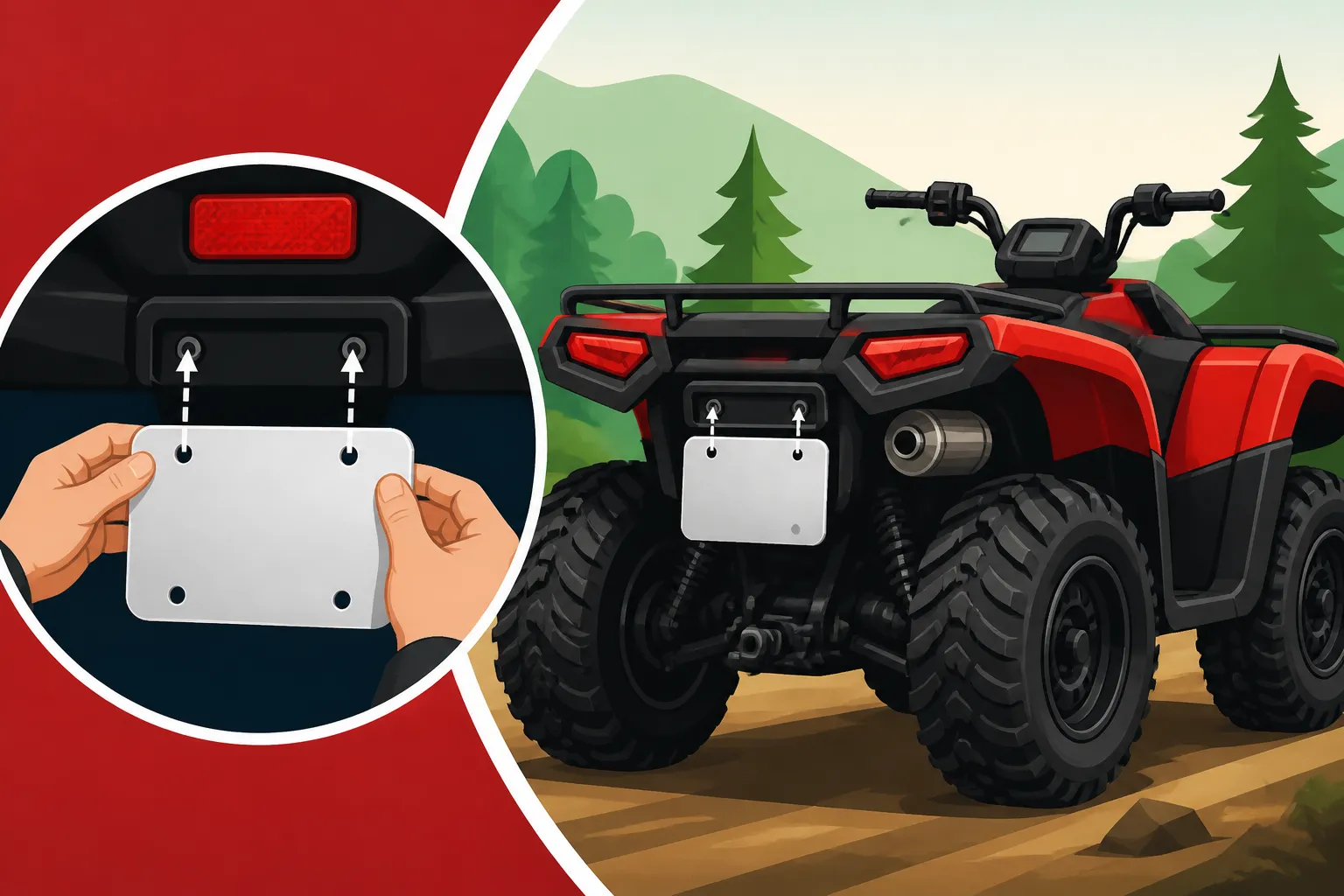
New Brunswick's regulations for off-road vehicles are quite clear about plate placement. For ATVs, the plate must be securely mounted to the rear of the machine. But it's more nuanced than just "the back." It needs to be positioned so that it's clearly visible and legible, free from obstruction by things like cargo racks, trailer hitches, or even a build-up of mud. Typically, this means mounting it in the centre or slightly to one side of the rear, high enough off the ground to avoid splashing and debris but not so high that it's difficult to see.
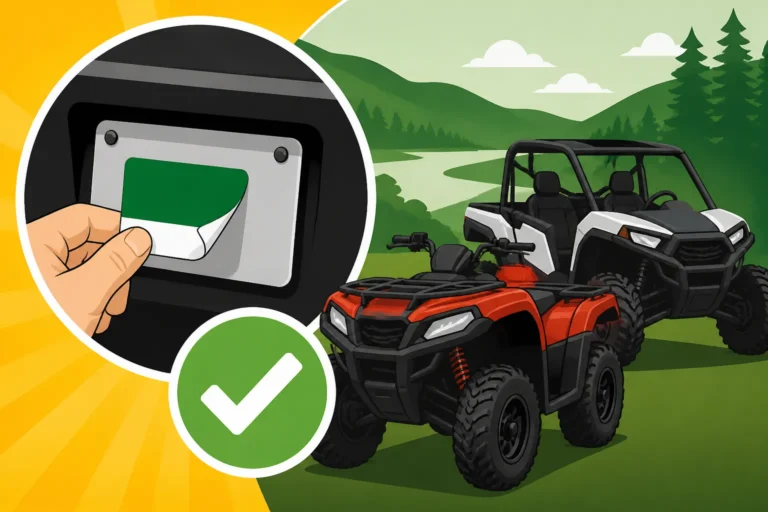
Many quad manufacturers include pre-drilled holes or designated flat areas on the rear fenders or frame specifically for plate mounting. These are your best bet. If your machine has a dedicated plate holder from the factory, use it! These are designed to meet the necessary visibility and security standards. It's also vital that the plate is mounted horizontally, not at an angle, and the numbers and letters should be easily readable. The [New Brunswick Sticker Replacement at $11.50] also specifies where your registration sticker should go – typically on the left side, which reinforces the need for a clear, accessible area for all identifying marks.
Common Mistakes and How to Avoid Them
It’s easy to make a mistake when mounting your plate, especially if you're excited to hit the trails right after registering. But taking a few extra minutes to do it right can save you a lot of grief. From choosing the wrong fasteners to picking an ill-suited spot, some common pitfalls are easily sidestepped with a bit of foresight.
The Perils of Improper Mounting
One of the most frequent mistakes is simply using inadequate hardware. Standard screws and nuts from your garage might seem fine, but the constant vibration and jarring that an ATV experiences on the trail can quickly loosen them. Before you know it, you're looking at a bent, cracked, or completely lost plate. Using bolts with lock washers or nylon-insert lock nuts is a much better option, as they are designed to resist loosening from vibration. Some riders even go a step further and use rubber grommets behind the plate to absorb some of the shock and prevent cracking around the mounting holes.
Another peril is choosing a location that makes the plate vulnerable to damage. Mounting it too low can result in it dragging on obstacles, getting submerged in mud, or being struck by rocks and debris kicked up by the tires. Placing it where cargo or a passenger’s leg might repeatedly hit it is also a recipe for disaster. You want a spot that offers a degree of protection while maintaining visibility. For instance, mounting it directly to a flimsy plastic fender might lead to cracking, whereas securing it to a sturdy, integrated plate bracket or metal frame member provides more resilience. Remember, [New Brunswick Replacement Plates and Decals] are available, but it's a hassle you'd rather avoid.
Ensuring Your Plate Survives the Trail
To truly ensure your plate's longevity, consider the environment your quad operates in. If you're frequently in muddy conditions, think about a mounting location that helps shed mud or is easier to clean. For those who ride aggressively, reinforcing the mounting area with a small metal plate on the backside of a fender can add significant strength. Always use rust-resistant hardware, as New Brunswick's weather can be tough on exposed metal. Stainless steel bolts and washers are excellent choices.
Some riders opt for aftermarket plate holders that offer enhanced protection, like those with a sturdy frame or a clear, impact-resistant cover. While not strictly required, these can be a worthwhile investment if you ride challenging terrain regularly. Also, regularly check your plate before and after rides. Give the bolts a quick tighten if they feel loose, and clean off any accumulated dirt or debris that might obscure the numbers. A quick inspection can prevent a lost plate and keep you compliant with [What New Brunswick's Off-Road Vehicle Act Covers].
What to Do If Your Plate is Damaged or Lost
Even with the best intentions and the most secure mounting, accidents happen. A rogue branch, a particularly deep mud bog, or even just old age and constant vibration can take their toll on your ATV's registration plate. It's frustrating, no doubt, but knowing the steps to take can alleviate some of the stress.
Navigating Replacement Plates
If your New Brunswick ATV plate is damaged or lost, your first step is to contact Service New Brunswick. You'll need to apply for a replacement. This usually involves filling out an application and paying a fee. It’s not an immediate process, so you won’t be able to ride your ATV legally on public trails until you have a valid replacement plate. This downtime can be a real drag, especially if you had a weekend ride planned. The process typically requires you to provide details about your machine and potentially declare the circumstances under which the plate was lost or damaged.
It’s a good idea to keep a record of your registration certificate number, as this will expedite the replacement process. Knowing that [New Brunswick Plate Replacement Cost] is a factor, you'll want to avoid this situation as much as possible. While you're waiting for your new plate, resist the temptation to ride on public trails or designated ORV paths. The penalties for operating an unregistered or improperly plated vehicle can be significant. If you're unsure about the exact steps or forms required, a quick call to Service New Brunswick will get you the most up-to-date information.
Preventing Future Issues
Once you've gone through the hassle of getting a replacement plate, you'll likely want to do everything in your power to prevent it from happening again. Re-evaluate your mounting strategy. Was the old plate in a vulnerable spot? Could you use heavier-duty hardware? Many riders consider adding extra reinforcement around the mounting holes or choosing a more robust aftermarket bracket. You might also consider using a product that helps secure fasteners, like thread-locking fluid, to prevent bolts from vibrating loose.
Regular maintenance checks should extend to your license plate. Make it a habit to check its security and cleanliness every time you do a pre-ride inspection of your ATV. Ensure no branches or debris are jammed behind it that could cause damage. If you frequently carry heavy loads or equipment on a rear rack, make sure these items aren't putting undue stress on the plate or obscuring its view. A little preventative care can save you time, money, and the frustration of dealing with Service New Brunswick again for a replacement.
Beyond the Plate: Other Important Documents
While the physical license plate is the most visible sign of your ATV's legal status, it’s far from the only thing you need to worry about. New Brunswick’s ORV regulations require riders to carry several other crucial documents whenever they're operating their machines off their own private land. This often catches new riders off guard and can lead to unexpected fines.
Keeping Your Registration and Insurance Handy
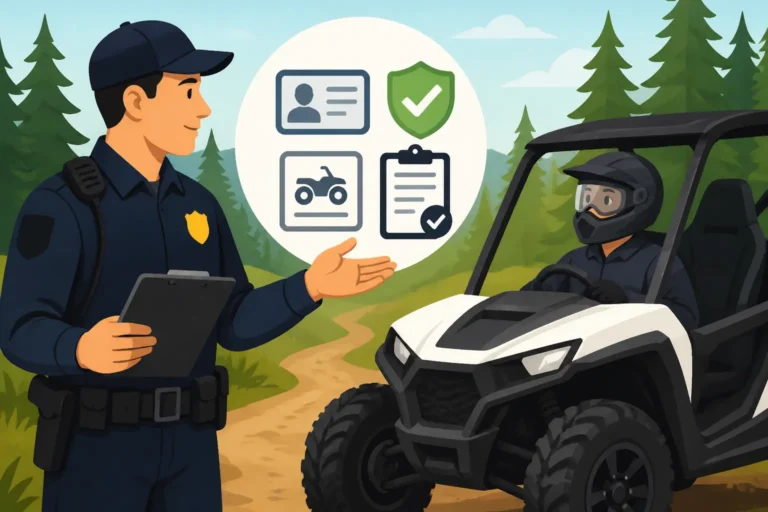
The actual paper registration certificate for your ATV is just as important as the physical plate. This document proves that your machine is legally registered in New Brunswick. Alongside it, you absolutely need proof of insurance. [New Brunswick Requires Insurance on Trails], and failing to carry evidence of valid coverage can result in a hefty fine. This isn't just a suggestion; it's a mandatory requirement for anyone using designated ORV trails or operating their machine off their own private property.
The challenge is keeping these paper documents safe and dry while riding an ATV. Many riders use waterproof bags, often stored in a sealed compartment on the machine, or in a fanny pack or backpack worn by the rider. Some even laminate copies of their documents, though it's wise to carry the original certificate as well if possible, or at least know where it is securely stored. Remember, an officer can ask to see these documents at any time. Imagine being stopped and having to explain that your registration is at home – that won't fly.
The Benefits of Organized Paperwork
Keeping all your ATV-related paperwork organized isn’t just about avoiding fines; it’s about peace of mind and readiness for any situation. Beyond your registration and proof of insurance, you should also consider keeping a copy of your bill of sale, especially if you're riding a newly acquired machine. This can be vital for proving ownership, particularly if there’s ever a question about the machine’s origins or if you’ve recently transferred ownership. Tools like LawDepot can be incredibly helpful if you ever need to create a professional bill of sale for a private sale, ensuring all the necessary legal details are covered.
Think about other documents you might need: your safety training certificate if you're a younger rider or your trail permit sticker details if it's separate from your registration. Creating a dedicated "ATV Document Kit" that lives with your machine – perhaps in a waterproof case that stays strapped to your rack – is a smart move. This ensures everything is in one place, easily accessible, and protected from the elements. If you ever sell your quad, having all your paperwork in order makes the [New Brunswick Transfer of Ownership Explained] process much smoother for both you and the buyer. Good organization saves you from scrambling when you need a document most, whether for an officer on the trail or for future transactions.
Here's a quick reference for best practices regarding your New Brunswick ATV plate:
| Requirement | Best Practice | Why It Matters |
|---|---|---|
| Placement | Rear of the machine, centre or slightly offset. | Legal visibility for identification and enforcement. |
| Visibility | Unobstructed by cargo, mud, or parts of the machine. | Officer compliance and safety for other riders. |
| Orientation | Mounted horizontally, numbers/letters easily readable. | Ensures legibility and adherence to regulations. |
| Security | Use robust hardware (lock washers, nylon nuts), rubber grommets. | Prevents loss or damage due to vibration and rough terrain. |
| Protection | Choose a spot away from common impact points; consider aftermarket protectors. | Extends plate life, reduces need for replacement, avoids [New Brunswick Plate Fee of $25]. |
| Cleanliness | Regularly wipe off mud and debris. | Maintains visibility and legibility. |
| Other Documents | Carry waterproof copies of registration, insurance, trail permit. | Legal requirement; avoids fines; ensures readiness for verification. |
| Ownership Proof | Keep bill of sale accessible (e.g., using a template from LawDepot). | Essential for proving ownership, especially after a private sale. |
Disclaimer
This article is for general informational purposes only and does not constitute professional advice. Laws, prices and regulations vary by location and change over time. Consult a qualified professional for guidance on your specific situation.