New Brunswick Plate Replacement Cost
It's an absolute bummer when you realize your ATV or UTV plate has gone missing, is too damaged to read, or has been swiped. You've got plans to hit the trails, and suddenly you're faced with the headache of getting a replacement. No one wants to deal with extra paperwork and fees, especially when all you want to do is ride. This guide is here to walk you through everything you need to know about replacing your New Brunswick ATV or UTV plate, including the associated costs, the process, and how to avoid future hassles, so you can get back to enjoying our beautiful province's trails with peace of mind.
Why You Might Need a Replacement Plate in New Brunswick
Life happens, and sometimes that means your trusty ATV or UTV plate takes a hit. Whether it's an unfortunate mishap on a rugged trail, the elements wearing it down, or something more mischievous, needing a replacement plate is a common occurrence for riders in New Brunswick. Understanding why you might need one helps you prepare for the process.
Damaged or Unreadable Plate
Imagine you're tearing down a logging road, enjoying the spray of mud, or perhaps navigating a tight section of trail when, bam, a branch whips by and bends your plate. Or maybe over years of sun, rain, and grit, the colours fade, or the numbers become completely unreadable. These are real-world scenarios that often lead to needing a replacement. A damaged plate isn't just an eyesore; it's a compliance issue. Law enforcement needs to be able to clearly identify your machine. If they can't make out the numbers or the province, you could be facing fines or delays on your ride. It's a small piece of metal or plastic, but it carries a lot of legal weight. Regularly checking the condition of your plate, especially after a particularly rough ride or before a big trip, can help you catch these issues early.
Lost or Stolen Plate
Perhaps the most frustrating reason to need a new plate is when it simply vanishes. You might hit a bump a little too hard, and the vibration works the bolts loose, sending your plate flying somewhere along the trail. Or, even worse, you might wake up to find your machine intact but the plate gone, a clear sign of theft. When your plate is lost, it's not just the inconvenience of replacement; there's a security concern. A lost plate could potentially be misused, even if unintentionally. If it's stolen, it's crucial to report it to the RCMP or local police. This creates a record, which is important for your protection and for Service New Brunswick when you apply for a new one. Losing a plate on a vast trail system can feel like finding a needle in a haystack, so preventing it in the first place, with secure mounting, is always the best defence.
The Cost of a New Brunswick Plate Replacement
Let's talk about the dreaded "cost." Nobody enjoys spending money on something they already had, but getting a replacement plate for your ATV or UTV is a necessary part of staying legal on the trails. While specific fees can change over time, it's good to understand the typical structure of what you can expect to pay.
The Standard Replacement Fee
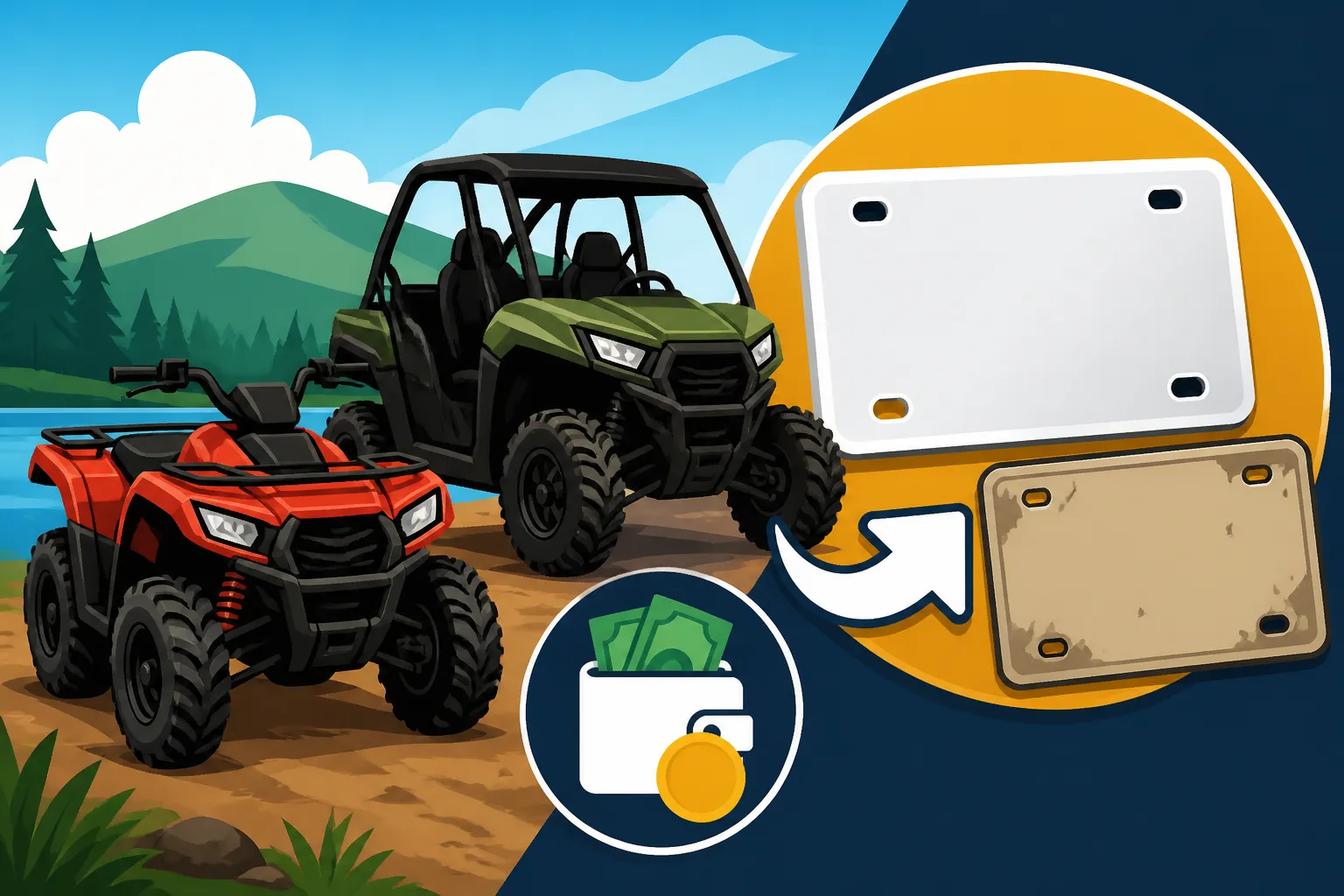
When you need a new plate because your old one is damaged, lost, or stolen, there is a standard fee associated with getting a fresh one issued by Service New Brunswick. This charge covers the administrative processing involved in canceling your old plate's identification and issuing a brand-new one, complete with its unique number. It also helps cover the actual manufacturing cost of the physical plate itself. This isn't usually a major expense, but it's important to factor it in. For the most current figure on the New Brunswick Plate Replacement Cost, it's always best to contact Service New Brunswick directly or check their official website. They are the definitive source for up-to-date pricing. Remember, paying this fee is a small price for the peace of mind that comes with legal and proper registration.
Other Potential Fees
Sometimes, a plate replacement isn't the only thing you might need to sort out, and other small fees could come into play. For instance, your registration certificate itself might be damaged or lost alongside your plate. In this scenario, you'd likely need a [New Brunswick Replacement Certificate at $20], incurring an additional, modest charge for a duplicate copy of your registration paperwork.
You might also need a new sticker, as the annual registration sticker typically goes on the plate. If you only need a new sticker because yours peeled off or faded, and your plate is fine, there's a separate, small fee for a [New Brunswick Sticker Replacement at $11.50]. It's crucial that this sticker is always visible and current, as it signifies your machine's valid registration.
In some cases, especially if there's any ambiguity around ownership or if you're dealing with a unique situation, Service New Brunswick might recommend or require a [New Brunswick Record Search at $8]. This small fee allows them to look up the history of the machine's registration, ensuring everything is in order before a new plate is issued. While not always necessary for a simple replacement, it's good to be aware that these additional, minor administrative charges can sometimes arise depending on your specific circumstances.
The Process for Replacing Your ATV/UTV Plate
Dealing with government paperwork can feel like a maze, but replacing your ATV or UTV plate in New Brunswick is a fairly straightforward process once you know the steps. It's designed to be efficient, getting you back on the trails with minimal fuss.
Gathering Your Documents
Before you head out, make sure you have all your ducks in a row. The absolute cornerstone of replacing your plate is your proof of ownership and identity. You'll definitely need your existing [New Brunswick ORV Registration Explained] certificate. If you're replacing a plate that's simply damaged, bring the damaged plate with you. If it's lost or stolen, having proof that you've reported it to the police (if stolen) can be helpful, though not always strictly required for a lost plate. You'll also need personal identification, like your driver's license, to confirm you are the registered owner of the machine.
Think of it this way: you're essentially re-establishing your legal connection to that machine. The cleaner and more complete your documentation, the smoother the process will be. If you bought your machine through a private sale, ensuring you have the original bill of sale can also be a good backup, especially if there are any discrepancies. Having all these documents organized will save you a lot of time and potential trips back home.
Where to Go and How to Apply
In New Brunswick, the go-to place for all things related to vehicle and off-road vehicle registration is Service New Brunswick. They have service centres located across the province, making it fairly convenient to access their services. You'll need to visit one of these [New Brunswick Service Centres That Register ORVs] in person to apply for your replacement plate.
While some basic services might be available online or by phone, issuing a physical plate typically requires an in-person visit. This ensures proper verification of your identity and machine details, and allows you to receive your new plate on the spot, usually. You won't typically find an option for [New Brunswick Renewal by Phone] or [New Brunswick Renewal Online] when it comes to a plate replacement as opposed to a simple registration renewal. So, plan for a quick trip to your nearest centre. Check their operating hours before you go, as they can sometimes vary.
What to Expect at the Counter
When you arrive at a Service New Brunswick centre, you'll take a number and wait for your turn. When called, present your documents and explain your need for a replacement plate. The friendly staff will guide you through the process, asking for the necessary information and verifying your ownership. They will likely confirm the details of your ATV or UTV, such as the VIN, to ensure they're issuing the correct plate for your machine. This is where having your [New Brunswick Registration Paperwork Checklist] handy really pays off.
Once everything is verified and the appropriate fee is paid, they'll process your request. You should walk out with your brand-new ATV or UTV plate in hand, along with an updated registration certificate. It’s always a good idea to double-check that all the information on your new plate and certificate is accurate before you leave the counter. Make sure your name, address, and vehicle details are correct. This moment is when you officially get a fresh start for your machine's legal identification, so take a deep breath, and get ready to hit those trails!
Preventing Future Plate Issues
It's a nuisance to replace a plate, so taking a few proactive steps can save you from repeating the process down the road. A little prevention goes a long way in protecting your registration and keeping your machine trail-ready.
Proper Plate Placement and Protection
Where and how you mount your plate makes a huge difference in its longevity. The [New Brunswick Plate Placement on a Quad] rules stipulate where it needs to go, typically on the rear. However, simply bolting it on might not be enough for the rough and tumble world of off-roading. Consider using lock washers or Nyloc nuts with your bolts to prevent them from vibrating loose on bumpy trails. Some riders even add a bit of thread locker for extra security.
Beyond secure mounting, think about protection. Is your plate exposed to roost from your own tires, or vulnerable to branches and rocks? Aftermarket plate protectors or even simple rubber gaskets can absorb some of the impact and vibration, extending the life of your plate and preventing it from bending or cracking. A bent or faded plate often means another trip to Service New Brunswick, so investing a little time in securing it properly can really pay off. Remember, you want to avoid [When a Bent or Faded Plate Needs Replacing] as much as possible!
Regular Inspections and Maintenance
Just like you check your tire pressure and oil levels, it's a good habit to give your plate a quick once-over before or after each ride. Look for any signs of damage, fading, or loose bolts. Make sure your [Checking Your Plate Sticker Is Still Valid] and firmly attached. If you spot a bolt starting to loosen, tighten it right away. If the plate looks like it's taking a lot of abuse in its current position, consider if there's a slightly more protected spot within the legal mounting areas.
Cleaning your plate regularly helps too. Mud, dust, and grime can obscure the numbers, making it hard to read and potentially attracting unwanted attention from law enforcement. A quick wash with soap and water is all it takes to keep it legible. These small, consistent efforts are key to avoiding the need for a [New Brunswick Replacement Plates and Decals] in the future, allowing you to focus on the enjoyment of riding instead of administrative hassles.
New Brunswick ATV/UTV Plate Replacement & Related Costs
Here's a breakdown of potential costs related to your ATV or UTV plate, and where to find the most current figures:
| Item | Description of Cost | Where to Find Current Costs |
|---|---|---|
| ATV/UTV Plate Replacement | Standard administrative and manufacturing fee for a new plate | Service New Brunswick |
| Replacement Sticker | Small fee for a new annual registration sticker | Service New Brunswick |
| Replacement Certificate | Modest charge for a duplicate registration paper | Service New Brunswick |
| Record Search | Small fee for an official lookup of machine registration history | Service New Brunswick |
| Annual Registration Fee | The yearly cost to register your ATV or UTV | Service New Brunswick ([New Brunswick Charges $41 for an ATV] or [New Brunswick Charges $16 for a Dirt Bike]) |
Disclaimer
This article is for general informational purposes only and does not constitute professional advice. Laws, prices and regulations vary by location and change over time. Consult a qualified professional for guidance on your specific situation.