Why Every ORV Plate Expires on December 31
It can be incredibly frustrating to register your new ATV or side-by-side in, say, August, only to realize that your brand new plate and registration certificate expire just a few short months later on December 31st. Many riders wonder why the province doesn't prorate fees or simply issue a registration that's valid for a full year from the date of purchase. This guide will dive deep into why every off-road vehicle (ORV) plate in New Brunswick follows this universal December 31st expiry rule, shedding light on the administrative, enforcement, and community reasons behind it, and helping you navigate your renewals smoothly.
The Rationale Behind a Fixed Expiry Date
That seemingly arbitrary December 31st expiry date isn't just a quirk of the system; it's a deliberate choice with several practical benefits for both the government and the riding community. While it might seem a bit odd to renew just a few months after your initial registration if you buy mid-year, there’s a method to the madness that simplifies a lot of backend work.
Simplifying Administration for Service New Brunswick
Imagine the sheer administrative nightmare if every single ORV registration in New Brunswick expired on a different day throughout the year. Service New Brunswick handles tens of thousands of ORV registrations annually. If each one had its own unique anniversary date, the system would be constantly churning, requiring a massive, intricate tracking system and dedicated staff to manage a staggered renewal process every single day of the year.
By having a single, universal expiry date, the entire renewal process can be consolidated into a predictable window. This allows Service New Brunswick to allocate resources more efficiently, train staff for specific renewal surges, and conduct system maintenance or updates during quieter periods. It reduces the chance of errors, streamlines record-keeping, and ultimately makes the overall administration of ORV registrations more manageable and cost-effective for the province. Without this simplification, the costs associated with tracking and processing individual expiry dates could easily drive up registration fees for everyone.
Ease of Enforcement for Authorities
Think about a conservation officer or an RCMP constable out on a trail patrol. They're checking dozens, sometimes hundreds, of ORV plates in a day. If every plate had a different expiry month and day, they would need to scrutinize each sticker very carefully to determine its validity. This would slow down enforcement efforts considerably, making it harder to quickly identify unregistered or expired machines.
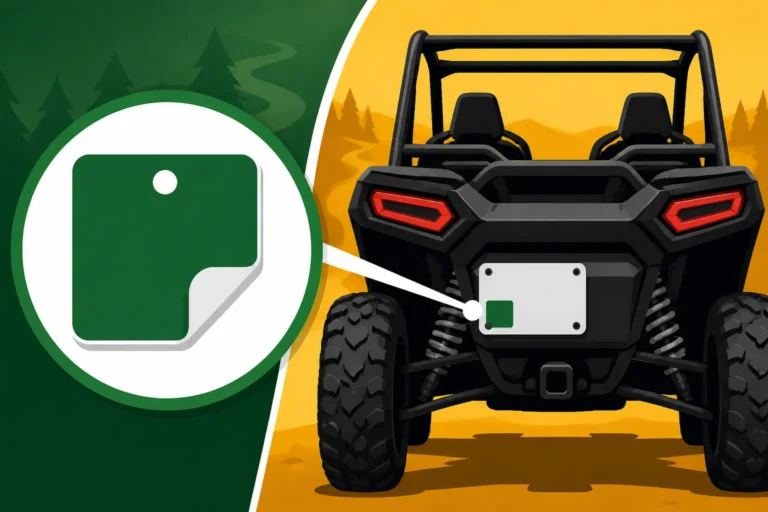
With a fixed December 31st expiry date, it's immediately clear if a plate is current or not. After January 1st, any sticker showing the previous year is automatically expired. This straightforward visual cue makes enforcement much more efficient and reduces ambiguity in the field. It helps ensure that everyone out on the trails is properly registered, which contributes to safer riding conditions and a more responsible ORV community. The clear-cut expiry date acts as a visible reminder for riders to stay compliant, and a swift indicator for those tasked with upholding the rules.
Aligning with the Annual Outdoor Recreation Cycle
New Brunswick's outdoor recreation community often operates on an annual calendar cycle. Major trail permits, like those issued by QuadNB, and club memberships typically run from January 1st to December 31st. By aligning ORV plate expiry with this same calendar, the province creates a unified system that makes it easier for riders to manage all their annual obligations at once.
Instead of having to remember to renew your registration in April, your trail permit in June, and your club membership in November, everything often funnels into the same period. This synchronization reduces the mental load on riders and encourages a holistic approach to compliance. It reflects the seasonal nature of many ORV activities, particularly for snowmobiles in winter, which naturally operate on a calendar-year cycle. This alignment means that when you’re thinking about getting ready for the next riding season, you’re often prompted to handle all your paperwork, including your registration, permit, and club fees, at roughly the same time.
What December 31st Means for New and Used ORV Purchases
The universal December 31st expiry date has significant implications whether you're bringing home a brand-new quad from a dealership or picking up a used side-by-side from a private seller. It's crucial to understand these nuances so you're not caught off guard, especially with your first ORV purchase in the province.
Registering a Machine Mid-Year
This is often the biggest point of confusion and sometimes frustration for new ORV owners. Let's say you decide to buy that awesome new ATV in July. You go through the exciting process of getting your [How to Register an ATV in New Brunswick], pay the registration fee, and get your new plate. The sticker on that plate will show the current year, but its validity will still cease on December 31st, just a few months away. This means you essentially pay for a full year's registration fee, even if you only get a partial year of riding out of it before the next renewal is due.
The province does not prorate ORV registration fees. The fee structure is set as an annual charge, regardless of when in the year you initiate the registration. While this might feel like you're paying full price for less than a full year, it's the trade-off for the administrative simplicity and consistent enforcement benefits discussed earlier. It’s simply how the system operates, so it’s best to factor this into your timing if you’re planning a purchase, knowing that your first renewal could come quicker than expected.
The Importance of Timely Renewal
Given that all plates expire simultaneously, the transition into the new year is a critical period. If you let your registration lapse even for a short time past December 31st, you are technically riding an unregistered machine. This isn't just a minor oversight; it carries real consequences. Conservation officers and the RCMP are keenly aware of the renewal period, and after January 1st, they'll be checking plates closely for the current year's sticker.
Riding an unregistered ORV can lead to significant fines. The [New Brunswick No-Registration Fine of $172.50] is a clear indicator that the authorities take this seriously. Beyond the financial penalty, being caught unregistered can lead to other complications, including your machine being impounded in certain circumstances. It's not worth the risk, especially when renewal options are readily available and relatively straightforward.
Planning for Future Renewals
The fixed expiry date actually makes planning for renewals quite simple once you get used to it. Every year, you know your registration will be up for renewal at the end of December. This predictability allows you to mark your calendar, set reminders, and budget for the fee well in advance.
New Brunswick offers several convenient ways to renew your ORV registration. You can often complete the process [New Brunswick Renewal Online] through the Service New Brunswick website, which is a popular and quick option for many. For those who prefer or need personal assistance, you can renew [Renewing at a Service Centre] by visiting any Service New Brunswick centre. Some even have the option for [Renewing a New Brunswick Registration by Phone]. Regardless of your preferred method, the key is to be proactive and make sure you renew before the new year to avoid any issues.
The Connection to Trail Permits and Club Membership
The December 31st expiry date for your ORV plate isn't an isolated event; it's intricately linked to other aspects of the New Brunswick off-road riding experience, most notably your QuadNB trail permit and club membership. This interconnectedness is designed to create a more cohesive and understandable system for riders.
Synchronizing with QuadNB Trail Permits
Just like your ORV registration, annual QuadNB trail permits generally operate on a calendar year basis, valid from January 1st to December 31st. This synchronization is a huge benefit for riders. When you're thinking about renewing your plate, you're also naturally prompted to renew your trail permit. This means you're less likely to forget one or the other, ensuring you're fully compliant for both your machine's registration and your access to the vast provincial trail network. The [New Brunswick Annual Registration Rule] effectively means that most of your annual ORV paperwork aligns.
Having both documents expire on the same date simplifies your pre-season preparations. Instead of juggling multiple expiry dates and renewal periods, you can handle everything in one fell swoop towards the end of the year or right at the start of the new one. This integrated approach supports the infrastructure of the trail system, as the collection of fees for both registration and permits happens around the same time, providing predictable revenue for maintenance.
Benefits of Membership and Unified Dates
When you purchase a QuadNB trail permit, you also automatically become a member of the New Brunswick ATV Federation, often through your local club. This membership comes with a host of [New Brunswick Membership Benefits] that run concurrently with your permit and, by extension, your ORV registration. These benefits can include things like reduced insurance rates, discounts on safety courses, and lodging discounts at participating businesses.
By unifying the expiry dates, the system makes it simpler for riders to continuously access these benefits. There’s no gap in coverage or membership perks if you renew everything around the same time. For example, [New Brunswick Members Save on Insurance] can be a significant advantage, and maintaining continuous membership ensures you keep those savings year after year. This integrated approach fosters a stronger, more engaged riding community, as members are regularly brought back into the fold through the annual renewal process for both their machine and their trail access.
Understanding Different Permit Types
Within the QuadNB system, you might encounter different types of trail permits, such as "groomed" versus "non-groomed" permits. While these permits cater to different types of trails and riding seasons (a groomed permit allows access to snow-groomed trails, which typically require different maintenance), their validity periods usually fit within the same calendar-year framework. [New Brunswick Groomed vs Non-Groomed Permits] each have their own cost and benefits, but the December 31st expiry is a common thread.
This consistency across permit types further reinforces the simplicity of the New Brunswick ORV system. Regardless of whether you’re riding a quad year-round on non-groomed trails or primarily using a side-by-side on groomed routes in the shoulder seasons, your main annual paperwork will always cycle back to that familiar December 31st date. It's designed to be predictable, allowing you to focus more on riding and less on administrative complexities.
Practical Steps for Staying Compliant
Navigating the annual renewal process for your ORV in New Brunswick doesn't have to be a headache. By understanding the system and taking a few proactive steps, you can ensure your machine is always legally compliant and ready for the trails.
Checking Your Expiry Date
It might sound obvious, but the first and most crucial step is to regularly check the expiry date on your physical ORV plate sticker and your registration certificate. The sticker affixed to your license plate will clearly display the year your registration is valid for. After December 31st, if that year is the one that just passed, your registration is expired. [Checking Your Plate Sticker Is Still Valid] should be a routine check, especially as the year-end approaches.
Don't assume. Even if you just registered your machine a few months prior, the system is designed to have everything expire on that fixed date. Put a reminder in your phone, mark it on your calendar, or even put a sticky note on your dash in the fall. Delaying this simple check can lead to unexpected fines and a disrupted ride if you're caught on the trails with an expired plate. Procrastination here can truly bite you.
Renewal Options and Deadlines
New Brunswick offers a variety of ways to renew your ORV registration, making it convenient for almost everyone. The most popular methods include:
- Online: Many riders choose to renew through the Service New Brunswick website. It's quick, easy, and can be done from the comfort of your home at any time of day.
- By Phone: You can often renew your registration by calling Service New Brunswick directly. This is a good option if you have quick questions or prefer speaking to a person.
- In Person: For those who prefer face-to-face service or need to handle other transactions, visiting a Service New Brunswick centre is always an option.
The key message here is to renew [Renewing Before the New Year]. While there might be a short grace period after December 31st before enforcement ramps up, legally, your registration expires on that date. Aim to complete your renewal in early December to avoid the last-minute rush and ensure your new sticker arrives in time. Familiarize yourself with the [New Brunswick Registration Renewal Deadline] well in advance.
Essential Documents and Information for Renewal
When it's time to renew your ORV registration, having your ducks in a row will make the process much smoother. Typically, you'll need:
- Your current ORV registration certificate or plate number: This helps Service New Brunswick locate your records quickly.
- Proof of insurance: New Brunswick requires all ORVs to be insured to ride on managed trails. Your renewal process might prompt you to confirm your insurance details.
- Payment for the renewal fee: Have your credit card or other payment method ready.
It's also a great time to ensure all your personal information on file is current. If you've moved, for instance, you'll need to complete a [New Brunswick Registration Address Change] to ensure you receive future renewal notices and important communications. When buying or selling a machine, reliable documentation is critical. Services like LawDepot can provide templates for bills of sale or other legal documents, helping ensure that when you transfer ownership, the new owner has clear paperwork, which in turn simplifies their registration and future renewals. Keeping everything updated and organized prevents future headaches.
Here's a quick look at common ORV types and their annual registration fees, all expiring December 31st:
| ORV Type | Annual Registration Fee | Expiry Date |
|---|---|---|
| ATV | Check current rates | December 31 |
| Side-by-Side | Check current rates | December 31 |
| Dirt Bike | Check current rates | December 31 |
| Dune Buggy | Check current rates | December 31 |
| Amphibious Machine | Check current rates | December 31 |
| Snowmobile | Check current rates | December 31 |
Note: Specific fees can change, always check the Service New Brunswick website for the most current figures.
Common Misconceptions and What to Avoid
Despite the clear rules, some misconceptions about ORV registration expiry in New Brunswick persist. Clearing up these misunderstandings can save you from unnecessary frustration, fines, and potentially even legal trouble.
The Myth of Prorated Fees
One of the most common points of confusion for new ORV owners, or those buying a machine mid-year, is the expectation of prorated registration fees. Many assume that if they register their ATV in August, they would only pay a fraction of the annual fee, proportionate to the remaining months of the year. However, as we've discussed, this is a myth. New Brunswick's ORV registration fees are explicitly annual. You pay the full, published fee whether you register on January 1st or December 1st.
While this might feel unfair to some, it’s a foundational aspect of the administrative simplicity for Service New Brunswick. Prorating fees would add a layer of complex calculations for every single registration, requiring more staff and more sophisticated systems, which would ultimately drive up the cost of registration for everyone. The current system ensures that the fee structure is straightforward and predictable, even if it means some riders pay a full year's fee for a partial year of initial registration.
Riding on Expired Plates: Risks and Penalties
This is a critical point that cannot be stressed enough: riding an ORV with an expired registration plate carries significant risks and penalties. It's not just a minor infraction; it's a violation of the Off-Road Vehicle Act. Even if your renewal is "just a few days late," you are technically operating an unregistered machine, which can lead to hefty fines.
The [New Brunswick Penalties for Riding Unregistered] include not only substantial monetary fines but also the potential for your ORV to be seized or impounded, depending on the circumstances and the discretion of the enforcement officer. Beyond legal repercussions, riding unregistered means you're operating outside the legal framework that helps fund trail maintenance, safety programs, and overall ORV infrastructure. It compromises your standing as a responsible rider and can impact insurance claims if an incident occurs while your registration is lapsed.
Dealer Responsibilities vs. Owner Responsibilities
When you purchase a new ORV from a dealership, they typically handle the initial registration process for you. They collect the necessary information, submit the paperwork to Service New Brunswick, and ensure you receive your plate and certificate. This is a fantastic service that makes the initial purchase seamless. However, it's vital to understand that their responsibility ends with that initial registration.
Once you drive off the lot, the ongoing responsibility for renewing your ORV registration falls entirely on you, the owner. Dealers will not send you renewal reminders. It's your job to mark that December 31st expiry date and initiate the renewal process yourself each year. When buying from a private seller, the transfer of ownership paperwork is critical. Using a clear bill of sale, perhaps a template from LawDepot, confirms the transaction date, but remember, the existing registration's expiry date remains December 31st, regardless of when you complete the private sale. Never assume someone else will take care of your annual renewals for you; that task rests squarely on your shoulders.
The Long-Term Perspective: Why It Works for New Brunswick
While the December 31st expiry date might occasionally feel inconvenient on an individual level, it's a system designed with the larger New Brunswick ORV community and its infrastructure in mind. From a broad perspective, this fixed date helps ensure the sustainability and smooth operation of off-road vehicle activities across the province.
Predictable Revenue for Trail Maintenance
The extensive network of ORV trails in New Brunswick, managed by QuadNB and its member clubs, requires continuous funding for maintenance, upgrades, and expansion. By having a predictable, annual registration and permit renewal cycle, the province and the clubs receive a consistent and foreseeable flow of revenue around the same time each year. This predictability is absolutely crucial for budgeting purposes.
Imagine trying to plan for major trail repairs or new bridge construction if funding trickled in erratically throughout the year due as registrations expired randomly. It would be nearly impossible. The December 31st expiry, coupled with the aligned trail permit renewals, provides a concentrated period for revenue collection. This stable funding mechanism is vital for maintaining the high quality of trails that riders enjoy, directly supporting initiatives like the [New Brunswick Trail Infrastructure Fund]. Without this consistency, the trails we love could quickly fall into disrepair.
Consistency Across Different Machine Types
New Brunswick's ORV legislation applies to a wide array of machines, including ATVs, side-by-sides, dirt bikes, snowmobiles, and even some dune buggies and amphibious machines. While the [New Brunswick Dirt Bike and Dune Buggy Fees] might differ from the annual charges for an ATV (for example, [New Brunswick Charges $41 for an ATV] vs. [New Brunswick Charges $16 for a Dirt Bike]), the universal December 31st expiry date ensures a single, consistent rule for all of them.
This uniformity simplifies the regulatory landscape. Riders don't have to remember different expiry rules for their different machines. An officer on patrol doesn't have to distinguish between categories to determine validity. This consistency fosters a clearer understanding of the rules across the entire spectrum of off-road vehicles and their operators, making compliance easier and enforcement more equitable for everyone.
A System Designed for the Collective Good
Ultimately, the fixed December 31st ORV plate expiry date in New Brunswick is a pragmatic solution that, despite minor individual inconveniences, significantly benefits the collective ORV community. It's a system built for efficiency in administration, clarity in enforcement, and stability in funding – all essential elements for a healthy and thriving off-road culture.
By embracing this annual cycle, riders contribute to a larger framework that supports responsible recreation, maintains thousands of kilometres of trails, and ensures a safer environment for everyone. It encourages all ORV users to be part of the solution by staying registered and compliant, year after year. Understanding why this date is in place transforms it from a minor annoyance into a logical component of a well-structured system that serves the needs of riders and the provincial infrastructure alike.
Disclaimer
This article is for general informational purposes only and does not constitute professional advice. Laws, prices and regulations vary by location and change over time. Consult a qualified professional for guidance on your specific situation.