New Brunswick Rules for Riding With a Dog
Bringing your beloved dog along for an ATV or UTV ride in New Brunswick sounds like a dream, connecting with nature and sharing adventures with your best friend. However, before you load up your furry co-pilot, it’s absolutely crucial to understand the unspoken rules and best practices, as many riders find themselves wondering about the legalities and, more importantly, the safety considerations for their pets on the trails. This guide is here to walk you through everything you need to know to ensure your dog has a safe, comfortable, and legal experience when joining you on your off-road excursions in the beautiful landscapes of New Brunswick.
The Legal Landscape: What New Brunswick Says (and Doesn't Say) About Dogs on ATVs
It's natural to assume there might be a specific law dictating whether or not Fido can ride shotgun on your quad, but the reality is often a bit more nuanced. When it comes to something as specific as carrying pets on off-road vehicles, direct legislation can be surprisingly sparse. This doesn't mean it's a free-for-all, however. Instead, common sense, general animal welfare laws, and broader safety regulations for passengers often guide what's acceptable.
No Specific "Dog on Quad" Law (Likely)
You might scour the Off-Road Vehicle Act of New Brunswick and related traffic statutes, hoping to find a clear "yes" or "no" regarding canine passengers. The truth is, explicit rules directly addressing dogs on ATVs or UTVs are rarely on the books. Unlike regulations for human passengers, such as [New Brunswick ATV Age Requirements] or [New Brunswick Helmet Law for Every Occupant], there isn't a codified section about animals. This often leaves riders in a grey area, relying on interpretation and general animal welfare guidelines. The absence of a specific prohibition doesn't automatically grant permission to ride with your dog in any manner you choose. It simply means that enforcement will likely fall under broader categories like unsafe operation, animal cruelty, or interfering with the safe operation of a vehicle if your dog is not properly secured. The primary concern of any officer would be the safety of both the animal and the riders, as well as other trail users.
General Animal Welfare and Safety Expectations
Even without a dedicated "dog on ATV" law, you are still bound by general animal welfare principles. These are enshrined in provincial legislation aimed at preventing cruelty to animals. If a dog is transported in a way that causes it undue suffering, injury, or distress, or if it poses a risk to itself or others, you could face consequences. This means ensuring your dog is not exposed to extreme elements without protection, is not at risk of falling off the machine, and is not visibly distressed. Think about how you would secure any precious cargo – your dog deserves at least that level of consideration, if not more. Imagine pulling up to a trailhead after a long ride, and your dog is panting excessively, has cuts from being jostled, or seems overwhelmed. An observing officer or even a concerned citizen could raise a legitimate complaint. These general expectations emphasize responsibility and humane treatment above all else.
The Importance of a Secure Setup
Given the lack of specific legislation, the onus is entirely on the rider to ensure a safe and secure environment for their dog. This means much more than just letting them sit on the seat beside you. A secure setup is paramount for preventing accidents, injuries, and potential legal issues. Consider the dynamic nature of off-road riding: sudden bumps, sharp turns, quick stops, and varying terrain. A dog that is not properly restrained can be easily thrown from the machine, or worse, distract the driver, leading to a serious incident for everyone involved. For UTVs, a kennel or a dedicated pet enclosure that can be securely strapped into the bed is often the best option. For ATVs, a sturdy, well-ventilated carrier that attaches firmly to a cargo rack is essential. Products from brands like SuperATV offer robust cargo boxes and bed extenders that can be adapted for pet transport, providing a secure and protected space. Remember, a setup that works for a short drive to the corner store might be wholly inadequate for the rigours of a New Brunswick trail, where conditions can change rapidly.
Preparing Your Canine Co-Pilot for the Trail
Bringing your dog on an ATV or UTV ride isn't as simple as just grabbing their leash and heading out the door. It requires careful preparation, training, and the right gear to ensure their comfort and safety. Just like you wouldn't send a human passenger out without proper instruction and safety gear, your canine companion deserves the same, if not more, attention to detail.
Training and Acclimation Are Key
Before your dog ever sets paw on an off-road vehicle, they need to be introduced to the idea gradually. The loud noises, vibrations, and jerky movements of an ATV or UTV can be incredibly unsettling for an unprepared animal. Start by letting them get used to being around the stationary machine. Turn the engine on for short periods while they are nearby, rewarding calm behaviour with treats and praise. Once they seem comfortable with the noise, introduce them to the vehicle itself, encouraging them to get in or on it (depending on your chosen setup) without the engine running. Short, controlled rides around a quiet, flat area, like your backyard, are the next step. Observe their reaction closely. Signs of stress, such as excessive panting, drooling, whining, or trying to escape, indicate they are not ready. Patience is paramount. Rushing this process can create a lifelong aversion to riding. Think about it like a child learning to ride a bike – you wouldn't throw them on a mountain trail without training wheels first. The goal is for them to associate the quad with positive experiences, not fear.
Essential Gear for Your Four-Legged Rider
Just as you pack [New Brunswick Equipment a Rider Must Carry] for yourself, your dog also needs specific gear for their trail adventure. This isn't just about comfort; it's about safety.
- Secure Carrier or Enclosure: As discussed, this is non-negotiable. For ATVs, a sturdy, well-ventilated pet carrier designed for travel that can be strapped down tightly to a front or rear rack is ideal. For UTVs, a kennel secured in the bed, or even a specialized pet seat, works best. Brands like SuperATV offer bed enclosures and cargo box systems that can be customized to create a safe space for your dog, preventing them from falling out or being jostled excessively.
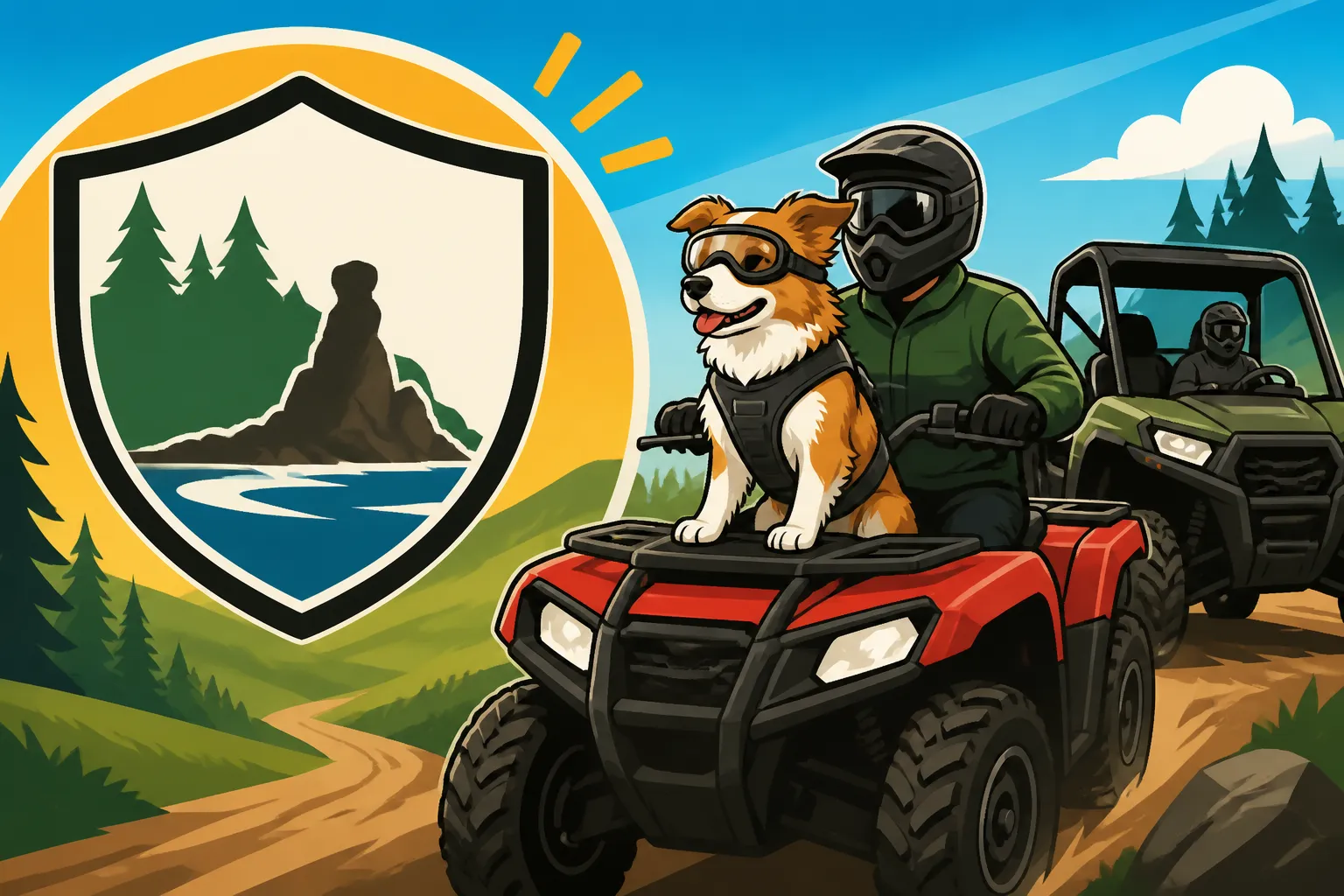
- Harness and Leash: Even if they're in a carrier, a comfortable, well-fitting harness (not just a collar) is crucial. It gives you control when dismounting or if an emergency arises. A short leash attached to the harness can be used to secure them within the carrier, preventing jumping out unexpectedly.
- Eye and Ear Protection: Dust, debris, wind, and even low-hanging branches can injure your dog's eyes. Doggie goggles (yes, they exist!) are a smart investment. Similarly, the continuous engine noise can be harmful or distressing to sensitive ears. Ear protection, like "mutt muffs," can help reduce noise exposure, making the ride more comfortable for them.
- Water and Bowl: Staying hydrated is critical, especially on warmer days. Always pack plenty of fresh water and a collapsible bowl.
- First-Aid Kit: A pet-specific first-aid kit is essential. It should include items for paw injuries, minor cuts, upset stomachs, and any medications your dog regularly takes.
- Identification: Ensure your dog has up-to-date tags on their collar or harness, with your phone number. A microchip is also highly recommended.
- Paw Protection: Depending on the terrain and length of the ride, paw booties can protect against sharp rocks, hot surfaces, or rough terrain when they're off the machine exploring during breaks.
Health and Hydration on the Trail
The physical demands of a day on the trails, even as a passenger, can be significant for a dog. Overheating is a major concern, especially during warmer months. Unlike humans, dogs don't sweat efficiently and rely on panting to cool down. Ensure frequent stops for water breaks, allowing them to drink their fill. Keep an eye out for signs of heatstroke, such as excessive panting, bright red gums, lethargy, or stumbling. If you notice these symptoms, get them to shade, offer water, and cool them down with wet cloths, seeking veterinary attention if symptoms persist. Always consider the [New Brunswick Trail Conditions Before You Go]; a scorching day or an overly muddy trail might be best experienced without your canine companion. [Packing for a Full Day in the Woods] should always include provisions specifically for your pet, considering their unique needs.
Safety First: Ensuring a Smooth and Safe Ride for Everyone
The thrill of off-road riding is undeniable, but when you bring a dog along, safety must be elevated to the absolute top priority. It's not just about keeping your dog safe, but also ensuring their presence doesn't compromise the safety of the rider, other passengers, or other trail users.
Mitigating Risks and Unexpected Situations
Riding an ATV or UTV inherently carries risks, and adding a pet introduces new variables. A dog's unpredictable nature can lead to dangerous situations if not managed carefully. Imagine a sudden squirrel darting across the trail; an unsecured dog might jump or lunge, potentially throwing off the driver's balance or even causing them to lose control. This is why proper restraint is non-negotiable. Beyond immediate control, consider the vibrations and exhaust fumes. Ensure your dog's carrier is placed in a well-ventilated area, away from direct exhaust, and that the carrier itself absorbs some of the machine's vibrations. A blanket or comfortable padding inside the carrier can help with this. Always conduct a pre-ride check: are all straps tight? Is the carrier secure? Is your dog calm and comfortable? If you're riding a [New Brunswick Rules for a Side-by-Side Driver], ensure the dog's space doesn't impede visibility or access to controls. Similarly, if you have [New Brunswick Rules for Two Riders on a Quad], make sure the dog's setup doesn't compromise either human rider's safety or comfort.
Respecting Other Trail Users and Wildlife
When you're out on the trails with your dog, you're not just representing yourself; you're representing all dog-owning riders. Practicing good [New Brunswick Trail Etiquette Locals Expect] is crucial. This means:
- Leash Your Dog: Always keep your dog leashed when outside the vehicle, especially at trailheads, rest stops, or whenever other people or animals are present. Even the most well-behaved dog can be unpredictable in a new environment with novel scents and sights.
- Control Barking: If your dog is prone to excessive barking, especially at other riders, walkers, or wildlife, consider if trail riding is truly the best activity for them. [New Brunswick Noise Complaints About Quads] are already a concern for some, and a barking dog could exacerbate this.
- Yield to Others: Be mindful of hikers, cyclists, and equestrians. Not everyone is comfortable around dogs, and some may have allergies or fears. Maintain distance and always yield the right-of-way.
- Protect Wildlife: Your dog, even on a leash, can disrupt local wildlife. Keep them on marked trails and prevent them from chasing or disturbing animals. This is especially critical in areas that might be adjacent to hunting grounds or nature preserves. Understanding [New Brunswick Crown Land Riding Rules] often includes provisions about wildlife disturbance.
- Clean Up: Always carry waste bags and clean up after your dog. Leave no trace, as you would with any other litter.
Emergency Preparedness for Your Pet
Accidents happen, and being prepared for a pet emergency on the trail is just as important as being ready for a human one.
- Pet First-Aid Kit: As mentioned, a comprehensive kit is vital. Know how to use basic items like bandages, antiseptic wipes, and tick removers. Consider taking a pet first-aid course.
- Emergency Contact Info: Carry your vet's number and a local emergency vet clinic's number, especially if you're far from home.
- Water and Shelter: Ensure you have enough water for both drinking and for flushing wounds or cooling down an overheated dog. A small tarp or blanket can provide shade or warmth if needed.
- Communication: Cell service can be spotty in many parts of New Brunswick's backcountry. Consider carrying a satellite messenger or a two-way radio for emergencies.
- Know Your Dog's Limits: Understand your dog's physical condition and temperament. A senior dog with arthritis or a very anxious dog might be better off at home, relaxing. Pushing a dog beyond its comfort zone or physical limits is not only unsafe but also unfair to your loyal companion.
| Method of Transport | Pros | Cons | Best For |
|---|---|---|---|
| Enclosed Hard Kennel/Crate | Most secure, crash-resistant, good ventilation, clear boundaries. | Can be bulky, heavy, takes up significant space. | UTV beds, larger ATVs with ample rack space. |
| Soft-Sided Pet Carrier | Lighter, collapsible, often more comfortable for dog. | Less crash-resistant, can shift if not secured perfectly. | Smaller dogs, shorter, less aggressive rides. |
| Dedicated ATV/UTV Pet Seat | Designed specifically for powersports, often padded and secure. | Can be expensive, may not fit all machines/dog sizes. | Specific models, riders looking for integrated solutions (e.g., from SuperATV). |
| Harness & Leash (inside UTV cab) | Allows dog to lie down, provides some freedom. | Still requires rigorous tethering, can distract driver, less protection. | UTVs only, very calm, well-trained dogs, slow speeds. |
Common Scenarios and Considerations for Dog Owners
Deciding whether to bring your dog on an ATV or UTV adventure isn't a one-size-fits-all answer. It depends heavily on the type of ride, the dog's personality, and your willingness to adapt your plans for their well-being. Thinking through various scenarios can help you make the best decision for your furry friend.
Short Jaunts vs. Long Expeditions
A quick afternoon spin on a familiar, smooth trail near home is a very different proposition than a multi-day expedition deep into the New Brunswick wilderness. For shorter rides, the impact on your dog might be minimal, assuming they're well-acclimated and secured. You can easily control exposure to sun, noise, and vibration, and breaks are frequent. However, for longer trips, the cumulative effects can be significant. Sustained noise, vibrations, and confinement in a carrier can lead to stress, fatigue, or discomfort. Longer rides also increase the risk of encountering adverse weather, running low on water, or facing unexpected mechanical issues, all of which become more complicated with a dog in tow. When planning extended adventures, consider lodging options – are they pet-friendly? What about stopping for fuel or food? Will your dog be comfortable waiting in the vehicle? [New Brunswick Riding With Kids on the Trail] presents similar planning challenges, where the needs of the most vulnerable passenger dictate the pace and scope of the trip.
When to Leave Your Dog at Home
It's tempting to want to share every adventure with your dog, but sometimes, the most responsible choice is to leave them safely at home. Consider these scenarios:
- Hot Weather: Dogs are highly susceptible to heatstroke. If temperatures are high, even with water and shade, the heat generated by the engine and the lack of airflow in a carrier can quickly become dangerous.
- Aggressive Terrain: Extremely rocky, steep, or muddy trails can be too much for a dog. The jostling and potential for injury are significantly higher, even in a secure carrier.
- Anxious or Reactive Dogs: If your dog is naturally anxious, reactive to loud noises, or prone to barking at strangers or other animals, the trail environment will likely be overwhelming and stressful for them, not enjoyable.
- Crowded Trails or Events: Large group rides, jamborees, or busy sections of trail are not ideal for most dogs. The increased traffic, noise, and close proximity to unfamiliar people and machines can be stressful and increase the risk of incidents.
- Young Puppies or Senior Dogs: Puppies are still developing and may be too fragile for the vibrations and stimuli of a ride. Senior dogs may have mobility issues, be more sensitive to temperature changes, or experience increased pain from jostling.
- Hunting Season: During hunting season, particularly if you are in an area where hunting is permitted, it might be safer to leave your dog at home. Encounters with hunting dogs or even accidental identification can be dangerous.
Public vs. Private Land Riding
The rules and expectations for riding with your dog can vary depending on whether you're on public club trails or private land. On designated public trails, such as those maintained by QuadNB, you'll need to adhere to general trail etiquette and any specific club rules regarding pets. Most clubs expect dogs to be leashed at all times when outside the vehicle and for owners to clean up after them. Respect for [New Brunswick Trespass Law for Riders] applies equally to dogs – ensure you have permission if you're venturing onto private woodlots or farmland. On your own private land, you have more leeway, but the safety considerations for your dog remain paramount. Even on private property, if your dog is seen to be in distress or at risk, general animal welfare laws could still apply. Always err on the side of caution and prioritize your dog's well-being, regardless of whose land you're on.
Disclaimer
This article is for general informational purposes only and does not constitute professional advice. Laws, prices and regulations vary by location and change over time. Consult a qualified professional for guidance on your specific situation.