New Brunswick Registration With Two Owners
There’s a unique joy in hitting the trails in New Brunswick, whether it's the Miramichi region or the rugged Fundy coast. But when you’re looking to share that experience – and the machine – with someone else, registering an ATV or UTV with two owners can feel like navigating a muddy section of trail without a map. This guide is here to cut through the confusion, offering clear, empathetic advice on how to put two names on one New Brunswick off-road vehicle registration, ensuring you both can ride legally and with peace of mind.
Why Two Names on One Registration Can Be Tricky (But Totally Doable!)
It’s a common scenario: you and your spouse decide to buy a side-by-side for family adventures, or maybe you and a good friend go in on a sturdy quad for use at the camp. The idea of sharing the fun is great, but then you hit the paperwork, and suddenly, the question of how to get both your names on the official registration certificate pops up. It's not as straightforward as a single owner, but it’s definitely not impossible. The key is understanding the process and being prepared.
Understanding Co-Ownership in New Brunswick
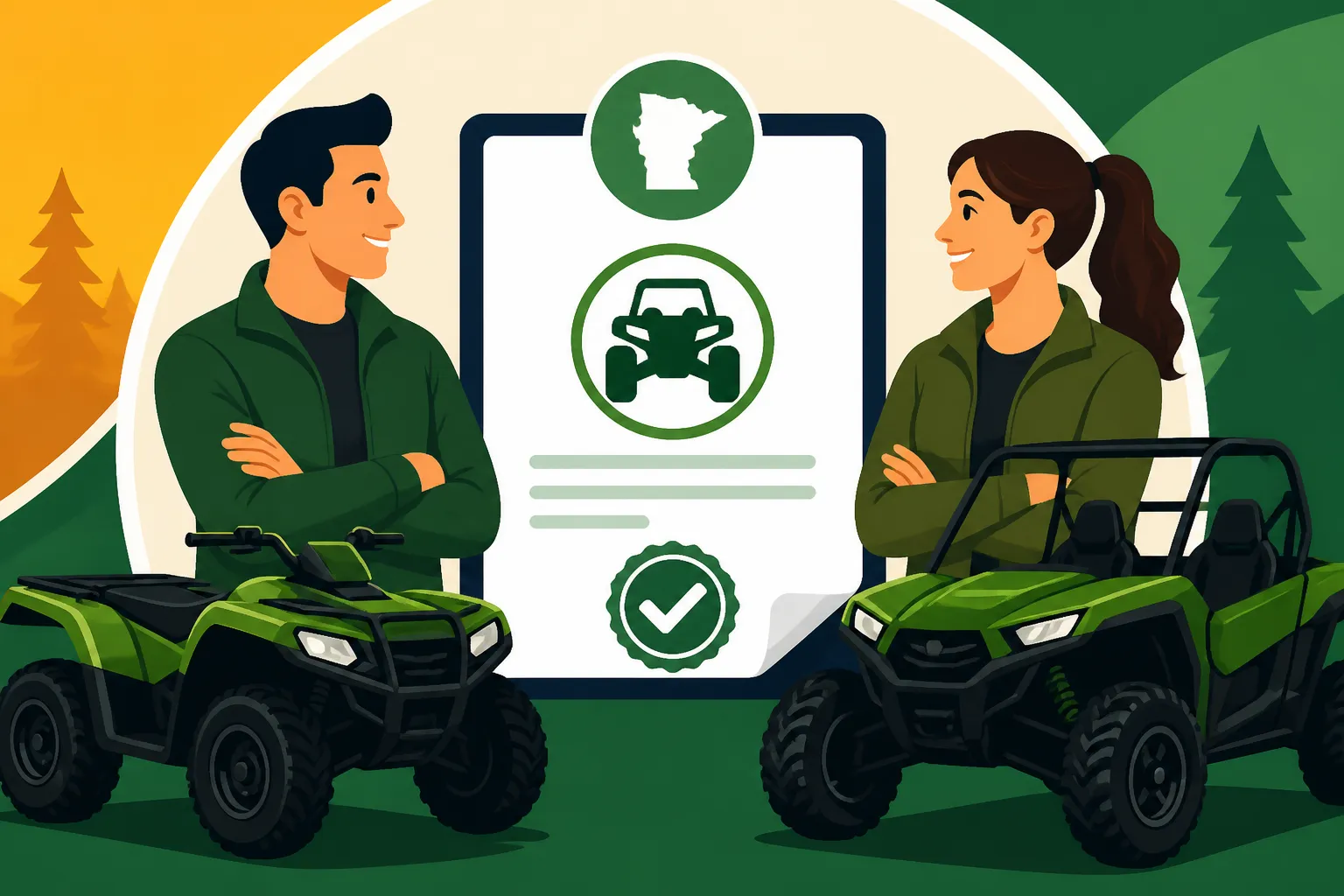
When you decide to co-own an off-road vehicle in New Brunswick, you're essentially entering into a shared responsibility agreement. Both individuals listed on the registration certificate are recognized as legal owners of the machine. This has implications for everything from who can operate the machine (with appropriate licenses and permits, of course) to who is responsible for its upkeep and, eventually, its sale. It’s not just about splitting the cost; it's about shared legal standing.
For instance, imagine you and your sibling purchase a new ATV to use on your shared family woodlot near Sussex. Both of your names on the registration mean that both of you have an equal legal claim to that machine. If one of you is stopped by an officer on a trail, the registration being in both names clearly establishes legal ownership, which is crucial for proving the machine isn't stolen or being used without permission. It solidifies that shared investment and ensures that both parties have a verifiable connection to the vehicle. This is particularly important when considering what [What New Brunswick's Off-Road Vehicle Act Covers] in terms of ownership and liability.
The Service New Brunswick Application Process for Multiple Owners
The good news is that Service New Brunswick is equipped to handle registrations with multiple owners. When you head to a [New Brunswick Service Centres That Register ORVs] or process your application online, the forms are designed to accommodate more than one name. The trick is to ensure all required fields are accurately completed for each owner. This usually means providing full legal names, addresses, and signatures from both parties.
When filling out the Application for Vehicle Registration form, there will typically be designated sections for owner information. For a jointly owned machine, you’ll list the first owner in the primary section and the second owner in a supplementary section, often labelled "additional owner" or similar. Both individuals will need to sign the application, affirming their ownership. It’s not just about one person signing and saying, "Yeah, my friend is in on this too." Service New Brunswick needs explicit acknowledgement from every legal owner. Make sure you bring identification for both parties, even if only one person is present to submit the paperwork. If one owner can't be there, sometimes a power of attorney or a very clearly executed agreement allows one person to act on behalf of the other, but it’s always best to check with Service New Brunswick directly for their specific requirements. This thoroughness helps avoid future headaches and ensures the registration is legally sound for New Brunswick Registration With Two Owners.
Essential Documentation for Joint Ownership
Having two owners means twice the paperwork, right? Not exactly, but it does mean ensuring all relevant paperwork reflects both parties from the get-go. This preparation is paramount to a smooth registration process and can save you a lot of hassle down the line.
Proof of Purchase and Identification for Both Parties
Just like with a single owner, you'll need solid proof of purchase for the ATV or UTV. This typically means a bill of sale or a Manufacturer's Statement of Origin (MSO) if it’s a brand-new machine. The critical difference for co-ownership is that both owners' names should explicitly appear on this document. If you’re buying from a dealer, ensure they list both names on the sales agreement and the bill of sale. For a private sale, drafting a comprehensive bill of sale that includes both buyers' names, addresses, and signatures, alongside the seller's information and machine details, is crucial. This is where a tool like LawDepot can be incredibly helpful; they offer templates for bills of sale that can be customized to include multiple buyers, ensuring all the necessary legal language is present.
Alongside the proof of purchase, both owners will need to provide valid identification. This usually means government-issued photo ID such as a driver's license. If you're registering an ATV with a partner, for example, both of your licenses will need to be presented to the Service New Brunswick agent. It’s always wise to call ahead or check the Service New Brunswick website for their specific list of acceptable IDs. Think of it like this: for the government to officially recognize two owners, it needs to verify the identity of both individuals involved. This ties into the general [New Brunswick Registration Paperwork Checklist] for any ORV.
The Importance of a Co-Ownership Agreement (Even for Family)
While a co-ownership agreement isn't a mandatory document for registering your ATV or UTV with Service New Brunswick, it is an incredibly wise step for any co-owners, whether they are spouses, friends, or family members. This agreement is a private contract between the owners that outlines everything from financial contributions, maintenance responsibilities, storage, usage schedules, and, crucially, what happens if one party wants to sell their share or if the partnership dissolves.
Imagine you and a buddy buy a side-by-side. You both chip in equally for the purchase, but then only one of you is available for routine maintenance, or you disagree on who pays for new tires. A detailed co-ownership agreement can preempt these arguments. It can specify that major expenses are split 50/50, or that a maintenance fund is established. It can even cover the process for selling the machine, such as giving the other owner first right of refusal or outlining how a fair market value will be determined. While it might feel overly formal for family, it protects everyone's interests and prevents misunderstandings from souring relationships. You can find excellent templates for such agreements on platforms like LawDepot, which can guide you through the clauses to consider. It’s about being proactive and ensuring that the excitement of shared ownership doesn't turn into a headache down the trail.
Navigating Insurance and Responsibilities with Two Owners
Once your ATV or UTV is registered in both names, the next crucial step is ensuring you’re adequately insured and that both owners understand their ongoing responsibilities. Shared ownership means shared liability, and you want to protect your investment and yourselves from unexpected bumps in the road – or on the trail!
Insuring a Jointly Owned Off-Road Vehicle
When it comes to insurance, the good news is that most providers are well-versed in policies for jointly owned vehicles. You'll typically list both owners on the insurance policy, much like you would for a car shared by a married couple. The insurance company will want to know who the primary operator will be, but often, both owners are covered as insured parties, especially if both will be regularly using the machine. This means that in the event of an accident, both your interests are protected, and any claims made will reflect the shared ownership.
It's vital to be upfront with your insurance broker about the co-ownership arrangement. They can guide you on the best policy structure. For instance, if one owner has a cleaner driving record or more experience, this might impact the premium, even with two names on the policy. Always ask about coverage for both parties, deductibles, and what happens if one owner has an at-fault accident. Remember, [New Brunswick Requires Insurance on Trails], so ensuring your jointly owned machine is properly covered is not just smart, it's the law. A lapse in coverage could lead to significant fines, regardless of who was driving.
Selling or Transferring a Jointly Owned Machine
Eventually, the time may come when you decide to sell your jointly owned ATV or UTV, or perhaps one owner wants to buy out the other. This process requires the cooperation and signatures of both registered owners. Just as both names were needed to register the machine, both names will be required to legally transfer ownership. This means if you and your friend decide to sell your quad, both of you must sign the bill of sale as sellers.
If one owner wants to buy out the other, you'll still need to complete a formal transfer of ownership through Service New Brunswick. The departing owner will essentially sign their share over to the remaining owner. This involves new paperwork and typically a transfer fee. It's crucial that this transaction is documented clearly, with a new bill of sale (even if it's between the original co-owners) to show the change in ownership structure. For a comprehensive guide on the paperwork, refer to [New Brunswick Transfer of Ownership Explained]. Having that co-ownership agreement we discussed earlier can truly smooth this transition, outlining the agreed-upon steps and valuation methods for such a scenario.
Common Pitfalls and Best Practices for Co-Owners
While sharing an ATV or UTV can be incredibly rewarding, it’s not without its potential bumps in the road. Being aware of common pitfalls and adopting best practices can help ensure your co-ownership experience is as smooth as a freshly groomed trail.
Avoiding Future Disputes
The biggest pitfall in co-ownership often boils down to unspoken expectations. What seems obvious to one owner might be completely overlooked by the other. This is where open and honest communication becomes your most valuable tool. Before you even sign the initial bill of sale, sit down and hash out every possible scenario. Who pays for fuel? How often is it used by each person? Where will it be stored? Who is responsible for routine maintenance, like oil changes and tire pressure checks? What about bigger repairs, such as engine work or suspension upgrades?
Consider a situation where two friends, Sarah and Mark, own a side-by-side. Sarah loves long, arduous trail rides that put a lot of wear and tear on the machine, while Mark prefers gentler cruises on old logging roads. If they haven't discussed maintenance contributions based on usage, Mark might feel unfairly burdened by repair costs that stem from Sarah's more adventurous outings. These kinds of disagreements can quickly sour a friendship. An agreement, even if informal, about usage, maintenance schedules, and financial contributions can prevent a lot of headaches. Without clear understanding, you could end up in a situation where one owner neglects their duties, potentially leading to [New Brunswick Penalties for Riding Unregistered] if the registration or permits lapse.
Handling Liens and Financing with Multiple Owners
Financing an ATV or UTV with two owners adds another layer of complexity that needs careful consideration. When you take out a loan, the financial institution will typically list both owners as borrowers, and a lien will be placed on the machine. This means the bank or credit union has a legal claim on the vehicle until the loan is fully repaid. This lien will also be noted on the registration certificate issued by Service New Brunswick.
The critical thing to understand is that both owners are equally responsible for the loan. If one owner defaults on payments, the other owner is still legally obligated to cover the full amount. This can have significant impacts on credit scores for both parties. Before signing any financing agreements, ensure both owners are fully aware of their financial responsibilities and feel comfortable with the arrangement. Should one owner wish to sell their share before the loan is paid off, the lender will need to be involved in the process, as the lien must be settled before clear title can be transferred. This is a crucial aspect of [New Brunswick Registration and Financing] that requires transparency and mutual trust between co-owners. Always review all loan documents carefully and ask your lender plenty of questions.
Here's a quick comparison of what you might expect with single versus two owners for ATV/UTV registration in New Brunswick:
| Feature | Single Owner Registration | Two Owners Registration |
|---|---|---|
| Application Form | Primary owner details, one signature. | Primary and secondary owner details, both signatures required. |
| Proof of Purchase | Bill of sale/MSO in one owner's name. | Bill of sale/MSO must explicitly list both owners' names. |
| Identification | ID for the single owner. | ID for both owners (even if only one is present). |
| Insurance Policy | Policy in one owner's name, possibly listing other drivers. | Policy typically lists both owners as insured parties. |
| Transfer of Ownership | One owner's signature required to sell/transfer. | Both owners' signatures required to sell/transfer. |
| Financial Liability | Solely responsible for financing/costs. | Jointly and severally responsible for financing/costs. |
| Decision Making | Sole decision-maker for usage, repairs, sale. | Joint decision-making required for usage, repairs, sale. |
| Optional Agreement | Not applicable. | Highly recommended (e.g., LawDepot template) for clarity on responsibilities. |
Disclaimer
This article is for general informational purposes only and does not constitute professional advice. Laws, prices and regulations vary by location and change over time. Consult a qualified professional for guidance on your specific situation.