Engine Size Allowed for a 12- or 13-Year-Old
Figuring out the exact rules for young riders and their ATVs can feel like trying to solve a puzzle with half the pieces missing, especially when you're a parent just trying to ensure your child can enjoy the trails safely and legally here in New Brunswick. This guide is here to untangle the specifics of engine size allowances for 12- and 13-year-olds, making sense of the regulations so you can make informed decisions.
Understanding New Brunswick's Age-Specific Engine Restrictions
New Brunswick takes a measured approach to introducing young riders to the world of off-road vehicles, understanding that skill, judgment, and physical capability develop over time. This isn't just about throwing a kid on any machine; it's about matching the vehicle to their developmental stage. The province has clear guidelines on engine displacement, often expressed in cubic centimeters (cc), to help parents choose appropriate ATVs for different age groups. These rules are in place to mitigate risks and help foster a safer riding environment for everyone.
The 70cc Cap for Younger Riders
For the youngest enthusiasts, specifically those between the ages of 6 and 11, the rules are quite clear: their ATVs must not exceed an engine displacement of 70 cubic centimeters. This restriction is fundamentally about control and managing power. A smaller engine means less speed and acceleration, which is crucial for children who are still developing their motor skills, reaction times, and understanding of vehicle dynamics. It allows them to learn the fundamentals of throttle control, steering, and braking in a much more forgiving environment.
Imagine a child learning to ride a bicycle; you don't start them on a racing bike. The 70cc limit serves the same purpose for ATVs, acting as a training wheels stage for off-road riding. It ensures that the machine isn't overpowering the rider, reducing the likelihood of accidents caused by excessive speed or rapid acceleration. Parents often appreciate this clear guideline, as it removes much of the guesswork when purchasing a first ATV for a younger child, allowing them to focus on fit and safety features instead of worrying about legality. These limits apply rigorously if they are riding on designated off-road trails.
Stepping Up to 90cc for 12- and 13-Year-Olds
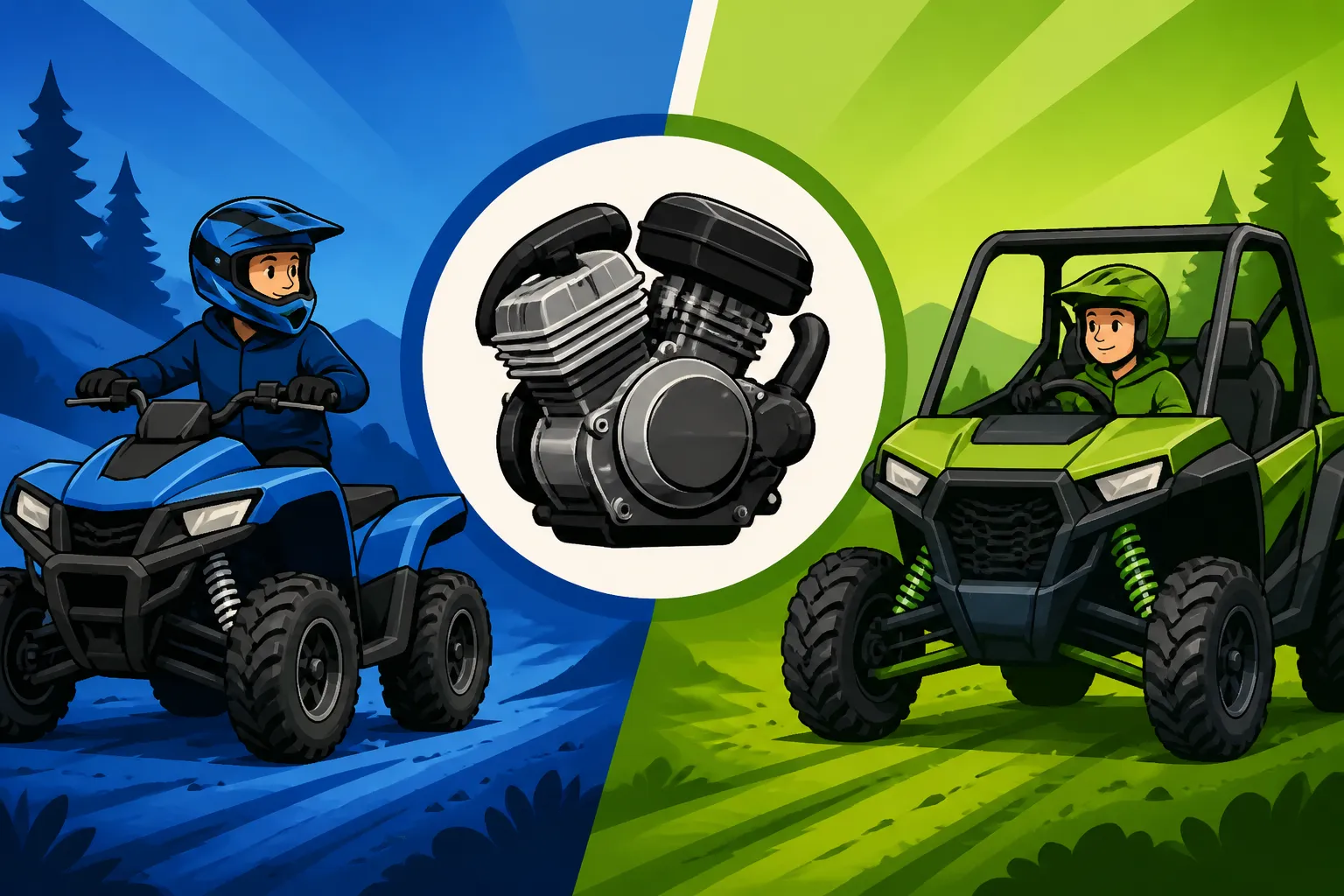
Once a rider reaches 12 years of age, and up to their 14th birthday, New Brunswick's regulations allow for a modest increase in engine size. For these pre-teen and early-teen riders, the maximum permissible engine displacement steps up to 90 cubic centimeters. This incremental increase acknowledges that by this age, many young riders have gained more experience, their physical strength and coordination have improved, and they are generally better equipped to handle a slightly more powerful machine. It's a natural progression that allows them to continue developing their skills without an abrupt jump to adult-sized vehicles.
This 90cc limit still keeps the power output within a manageable range, preventing speeds and forces that could overwhelm a developing rider. It's not a free-for-all; the emphasis remains firmly on safety and gradual skill development. This is also the age where many will start taking formal safety courses, which further enhances their ability to handle a slightly larger machine responsibly. When looking at options from brands that cater to youth, you'll find models specifically designed to meet this 90cc standard, often with features like speed limiters that can be adjusted as the rider gains confidence and skill. Some parents even find that equipping a 90cc machine with high-quality aftermarket parts from companies like SuperATV, such as better suspension or ergonomic handlebars, can further tailor the ride to their growing child's needs, enhancing control and comfort.
Why These Limits Matter for Safety
These engine displacement limits are not arbitrary; they are the cornerstone of New Brunswick's approach to youth ATV safety. The rationale is deeply rooted in preventing injuries and fatalities. Smaller, less powerful machines are inherently safer for less experienced riders. They reduce the potential for high-speed crashes, rollovers, and loss of control, which are often amplified by larger, more powerful engines that deliver rapid acceleration and higher top speeds. Children, regardless of their enthusiasm, simply don't have the same physical stature, reaction time, or risk assessment abilities as adults.
Think about it this way: a powerful adult-sized ATV can easily weigh hundreds of pounds and reach speeds that are unsafe for even a small mistake. By limiting engine size, the province ensures that the weight-to-power ratio is more appropriate for a child's body weight and strength. This makes it easier for them to manage the machine, especially in unexpected situations like hitting a bump or having to brake suddenly. Adhering to these engine size rules is a critical first step in creating a safe riding environment for your 12- or 13-year-old, offering them the chance to learn and grow as riders without being put into situations beyond their capabilities.
Beyond Engine Size: Other Rules for Young Riders
While engine size is a crucial factor, it's just one piece of the puzzle when it comes to legal and safe ATV operation for young people in New Brunswick. The province recognizes that a responsible rider isn't just about what they ride, but how they ride, where they ride, and with whom. There are other significant regulations and best practices that parents and guardians must be aware of and strictly follow to ensure the well-being and legal compliance of their 12- or 13-year-old rider. Overlooking these additional rules can lead to dangerous situations and potential legal penalties, even if the engine size is appropriate.
The Importance of a Safety Course and Supervision
For any young rider, especially those 12 and 13 years old, completing a certified ATV safety course is not just a good idea; it's practically essential for truly understanding safe operation. While specific licensing requirements like a [New Brunswick Class 9 Licence for Teens] typically come into play a bit later (for 14 and 15-year-olds), starting with a safety course at 12 or 13 is highly recommended. These courses, often run by organizations like QuadNB, teach fundamental skills such as proper riding posture, obstacle avoidance, emergency braking, and hazard perception. They also cover crucial aspects like environmental responsibility and trail etiquette. Many parents will find that [New Brunswick Parental Attendance Rules] apply for youth courses, ensuring parents are also informed.
Beyond formal training, constant and direct adult supervision is absolutely non-negotiable for young riders. A 12- or 13-year-old, even with a safety certificate, does not possess the full judgment or experience to ride unsupervised. The law mandates that young riders be accompanied by a qualified adult. This adult, typically a parent or guardian, should also be an experienced rider and be readily able to provide assistance or intervene if needed. Think of it as co-piloting, where the adult is always there to guide, instruct, and ensure safety. You can learn more about this by checking out [New Brunswick Adults Escorting Young Riders].
Where Young Riders Can and Cannot Operate
It's one thing to have the right-sized machine and training; it's another to know where your young rider can legally operate it. The rules regarding where youth can ride are quite specific in New Brunswick, aiming to keep them off public roads and in controlled environments. Generally, 12- and 13-year-olds are restricted to designated off-road trails or private land with permission. Crucially, they are explicitly prohibited from operating ATVs on or across public roads and highways. This is a significant difference from adult riders, who might, under very specific circumstances and with special permits, be allowed to cross or even briefly ride on certain road sections.
For this age group, focus should be placed on areas like club trails, organized riding parks, or private property where conditions are known and controlled. The concept of [New Brunswick Closed Courses for Ages 6 to 13] is paramount here, emphasizing areas specifically designed for learning and safe recreation away from traffic and complex terrain. Never assume that because an adult can ride somewhere, a child can too. Always verify the specific rules of any trail system or riding area regarding age and machine size restrictions. Ignorance of these rules is not a defense and can lead to serious fines or worse, accidents.
Proper Gear and Machine Fit
Engine size and location are vital, but so is ensuring the rider is adequately protected and that the machine fits them correctly. The province's [New Brunswick Helmet Law for Every Occupant] applies universally, meaning every rider, regardless of age, must wear an approved helmet. This isn't just any helmet; it needs to meet recognized safety standards like DOT, Snell, or CSA. But beyond the helmet, consider additional protective gear: goggles, sturdy gloves, long pants, a long-sleeved shirt, and over-the-ankle boots are all essential. This gear acts as a crucial layer of defense against scrapes, impacts, and debris encountered on the trail. You'll find more details on this in [Gear Sized for a Young Rider].
Beyond protection, the actual fit of the ATV to the child is critical. A 12- or 13-year-old should be able to comfortably reach and operate all controls – throttle, brakes, and steering. Their feet should be able to reach the footrests securely, and they should be able to sit upright with a good field of vision. A machine that is too large or too small can compromise their ability to control it effectively, increasing the risk of an accident. When buying, ensure your child can:
- Sit on the machine and grasp the handlebars comfortably.
- Operate the throttle and brake levers without stretching.
- Place both feet on the footrests, even when leaning.
- Maintain balance easily.
It’s often a good idea to have them try out various models, even if they're not from a company like SuperATV, to ensure a proper ergonomic fit. Remember, a perfectly legal 90cc machine is still unsafe if your child can't physically manage it. You can gain more insight into this by reading [Judging Whether a Child Fits the Machine].
Practical Tips for Parents and Guardians
As parents and guardians, your role in fostering a safe and enjoyable riding experience for your 12- or 13-year-old goes far beyond simply knowing the rules. It involves active participation, careful decision-making, and consistent reinforcement of good habits. This dedication not only ensures their safety but also instills a lifelong appreciation for responsible off-road adventuring. Making the right choices early on can prevent headaches and heartaches down the line.
Choosing the Right Machine for the Age Group
Selecting the appropriate ATV for a 12- or 13-year-old means more than just adhering to the 90cc engine limit. It involves a holistic assessment of the machine's features, the child's skill level, and their physical development. While a 90cc machine is allowed, some children may still benefit from starting on a slightly smaller or less powerful model if they are new to riding or smaller for their age. Many manufacturers offer youth models specifically designed with features like adjustable speed limiters, which allow you to cap the top speed until your child gains more confidence and experience. This is a fantastic safety feature that lets the machine "grow" with the rider.
Consider the overall size and weight of the machine. Is it manageable for your child to maneuver, especially if they need to push it or re-orient it in tight spots? Look for models with good suspension for a smoother ride, and consider the quality of the brakes – responsive, easy-to-reach brakes are crucial. Ergonomics play a huge role; ensure the handlebars, seat, and footrests are positioned for comfortable and effective control. Some parents opt for utility youth ATVs over sport models for a slightly more stable and forgiving ride. If you're considering accessories, even simple things like handlebar risers or narrower grips (often found from brands like SuperATV, known for their wide range of aftermarket solutions) can make a big difference in comfort and control for a developing rider.
Ensuring the Machine is Properly Maintained
A well-maintained ATV is a safe ATV, regardless of the rider's age. For your 12- or 13-year-old's 90cc machine, regular maintenance is not just a suggestion; it's a critical safety measure. Before every ride, conduct a quick pre-ride inspection. Check the tires for proper inflation and any damage, ensure the brakes are working effectively on both the front and rear, and verify that the throttle operates smoothly and returns to idle when released. Check the oil level, chain tension, and make sure all lights (if equipped) are functional.
Beyond daily checks, adhere to the manufacturer's recommended maintenance schedule for oil changes, filter replacements, and other service intervals. A machine that is running optimally is much easier and safer to control. A poorly maintained ATV can develop issues mid-ride, leading to unexpected breakdowns or, worse, accidents. For instance, a sticky throttle or failing brakes can quickly turn a fun outing into a dangerous situation. Teaching your child about basic machine care as they get older is also an excellent way to instill responsibility and an understanding of how their vehicle works. This is part of the comprehensive approach to ATV safety, complementing training courses like the [New Brunswick Quad Safety Course Explained] that emphasize machine checks.
Leading by Example and Fostering Responsibility
Perhaps the most important tip for parents and guardians is to lead by example. If you ride an ATV yourself, always follow all New Brunswick's rules and regulations, wear your protective gear, and demonstrate responsible riding habits. Children are incredibly observant, and they will emulate what they see you do. If you cut corners on safety, they will likely do the same. This includes consistently wearing your helmet, adhering to speed limits, staying on marked trails, and never riding while impaired.
Beyond modeling good behavior, actively foster a sense of responsibility in your young rider. Explain why certain rules are in place – that the engine limits, safety gear, and supervised riding aren't there to spoil their fun, but to keep them safe and allow them to enjoy riding for many years to come. Involve them in the pre-ride checks and basic maintenance, teaching them about the importance of a well-functioning machine. Emphasize that riding an ATV is a privilege that comes with significant responsibilities. This approach helps them internalize safety principles, making them more likely to make good decisions even when you're not right beside them, and ensuring they understand [New Brunswick Penalties for No Safety Course] or other violations apply to everyone, regardless of age.
Here's a quick summary of New Brunswick's youth ATV engine size limits:
| Age Group | Maximum Engine Size | Key Considerations |
|---|---|---|
| Ages 6-11 | 70cc | Focus on basic control, low speed, foundational skills |
| Ages 12-13 | 90cc | Gradual skill progression, increased control needed |
| Ages 14-15 | No engine limit | Requires Class 9 licence & certified training |
| Age 16+ | No engine limit | Requires full driver's licence & certified training |
This table clearly shows the progression, emphasizing that while 12 and 13-year-olds can step up to 90cc, the next age bracket removes engine limits entirely, but introduces formal licensing requirements.
Disclaimer
This article is for general informational purposes only and does not constitute professional advice. Laws, prices and regulations vary by location and change over time. Consult a qualified professional for guidance on your specific situation.