New Brunswick Class 9 Licence for Teens
It can feel a bit overwhelming trying to figure out all the rules and regulations for young people who want to ride ATVs and UTVs here in New Brunswick. Parents often express frustration, worried about their kids' safety and making sure they're following the law, especially when it comes to getting them properly licensed. This guide is here to walk you through everything you need to know about the New Brunswick Class 9 Licence for teens, helping you understand the requirements, the process, and what it means for safe, legal riding.
Understanding the New Brunswick Class 9 Licence
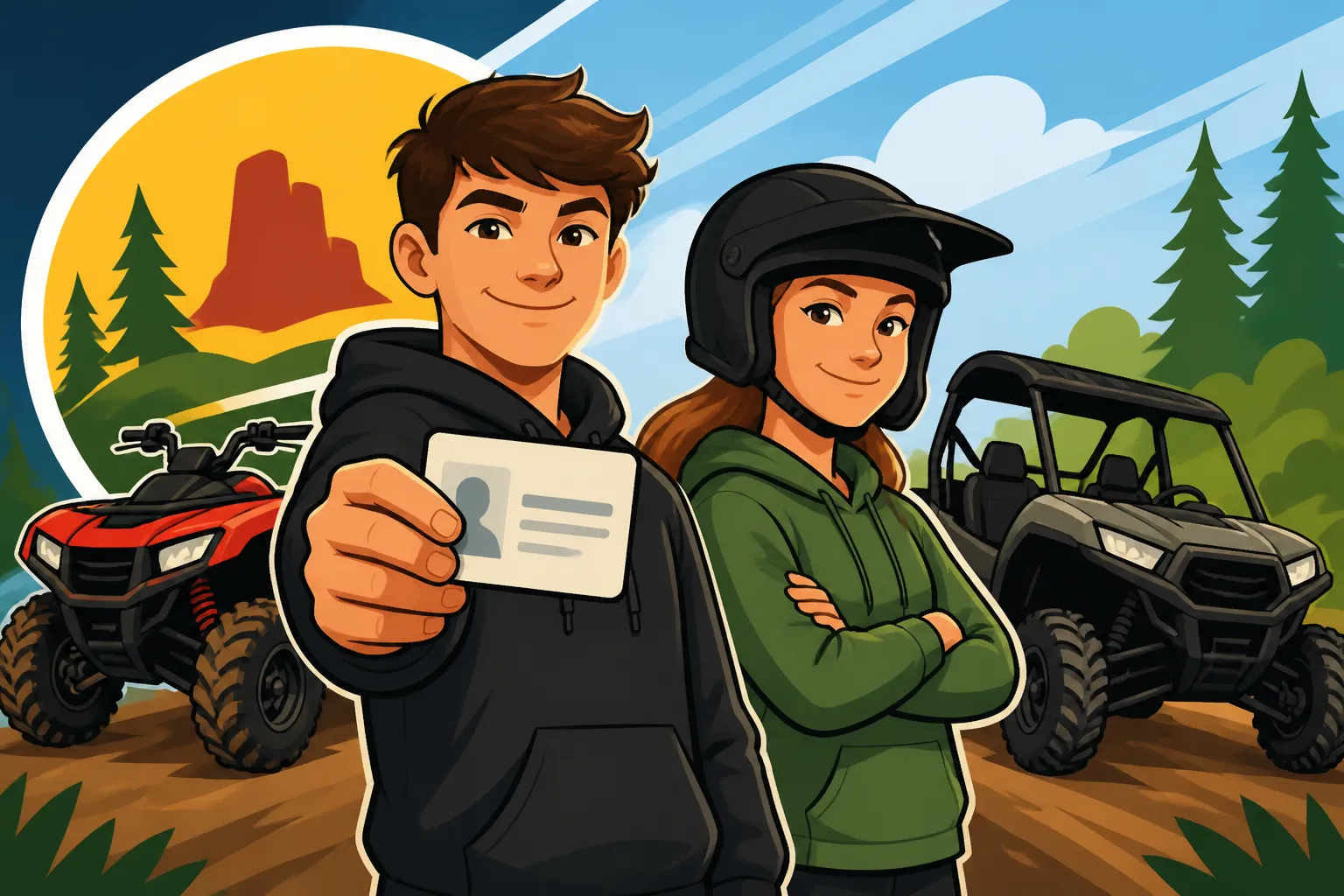
The New Brunswick Class 9 licence isn't just a piece of paper; it's a crucial step in ensuring our younger riders can enjoy the province's fantastic trail system safely and legally. For anyone aged 14 or 15 who dreams of hitting the trails on their ATV or side-by-side, this specific licence is an absolute must. Without it, they're not legally allowed to operate an off-road vehicle (ORV) on public trails, even if they've taken a safety course. It's designed to introduce young riders to the responsibilities and privileges of operating an ORV in a controlled manner, under the watchful eye of an experienced adult.
The frustration many families face often stems from a lack of clear, consolidated information about this licence. They might hear bits and pieces from friends or online forums, but getting the full picture of what's required, when, and by whom can be a challenge. This licence is specifically tailored to bridge the gap between enthusiastic young riders and the adult responsibilities of ORV operation, ensuring they learn the ropes properly from the start.
Why It's Crucial for Young Riders
Imagine your teen, bursting with excitement, ready to explore the vast network of New Brunswick trails. Without a Class 9 licence, that dream can quickly turn into a roadside stop with a fine. Beyond the legal obligation, this licence underscores the importance of proper training and understanding the rules of the road – or, in this case, the trail. It’s not just about avoiding penalties; it’s about instilling a strong sense of safety and respect for other trail users and the environment.
For parents, knowing their child holds a Class 9 licence provides a layer of reassurance. It signifies that their teen has undergone the necessary training and is aware of the specific limitations and requirements that apply to them. This proactive approach helps prevent accidents and ensures that the thrill of riding remains a safe and enjoyable experience for everyone involved, especially for these younger operators who are still developing their judgment and skills.
What it Means for Safety and Compliance
The Class 9 licence is inextricably linked to safety. It's a cornerstone of the provincial framework designed to reduce incidents involving young ORV operators. By requiring specific training and ongoing adult supervision, the province aims to create a safer environment on the trails. This isn't just about technical skills; it's about fostering a safety-first mindset.
Compliance with the Class 9 requirements means your teen is not only avoiding potential fines, like those for riding without proper certification, but also contributing to the overall safety culture on New Brunswick trails. It ensures they understand basic safety rules, such as wearing appropriate gear—including an approved helmet (a crucial part of [New Brunswick Helmet Law for Every Occupant])—maintaining safe speeds, and knowing how to react in different trail conditions. It means they're not just riding; they're riding responsibly, which protects them, their escort, and other trail users.
Eligibility and Requirements for a Class 9 Licence
Getting a Class 9 licence isn't just a matter of signing up; there are specific criteria that teens must meet. It’s designed to ensure that only those who are genuinely ready and have received appropriate instruction are given the privilege to operate an ORV. This layered approach can sometimes feel like a hurdle, but each requirement is in place for a good reason – primarily, the safety of the young rider and others on the trail.
Parents often ask about the minimum age, the specific training needed, and what role they play in the process. Understanding these prerequisites thoroughly can save a lot of time and potential headaches down the line. It ensures you're setting your teen up for success from the very beginning, rather than discovering a missing piece of the puzzle halfway through the application.
Age and Training Prerequisites
To be eligible for a New Brunswick Class 9 licence, a teen must be 14 or 15 years old. This age range is critical because it's when they're deemed mature enough to handle the responsibilities, yet still require the oversight that the Class 9 framework provides. A rider must be at least 16 years old to ride independently.
Beyond age, the completion of an approved ORV safety course is absolutely non-negotiable. This isn't some optional add-on; it's a fundamental requirement. These courses, often run by certified instructors across the province, cover everything from basic machine operation and maintenance to trail etiquette, environmental considerations, and emergency procedures. Many parents choose courses that include hands-on training to solidify their child's practical skills. The [New Brunswick Safety Course Costs $160], but there are often rebates available for youth, making it more accessible. This certificate of completion is a key document that you’ll need for the application process.
The Essential Role of the Adult Escort
Perhaps one of the most critical aspects of the Class 9 licence is the mandatory adult escort. A 14- or 15-year-old holding a Class 9 licence is never permitted to ride alone on a public trail or managed land. They must always be accompanied by an adult who is at least 19 years old and also holds a valid driver training certificate. This requirement often causes confusion, as parents might assume their own experience is enough. However, the escort must also demonstrate they've completed an approved safety course. This ensures that the supervising adult isn't just physically present but is also knowledgeable about ORV safety protocols and can effectively guide the young rider.
The escort isn't just there for company; they're responsible for the teen's adherence to all ORV regulations, including speed limits, proper equipment, and general safety. They are essentially an on-trail mentor, helping the young rider develop good habits and judgment. It’s a significant responsibility for the accompanying adult, highlighting why both parties need to be well-versed in ORV safety. This pairing is crucial for the safety and development of the young rider, providing a structured learning environment on the trails. You can find more details on this in [New Brunswick Adults Escorting Young Riders].
Navigating the Application Process at Service New Brunswick
Once your teen meets all the eligibility criteria, the next step is to formally apply for the Class 9 licence. This involves a trip to a Service New Brunswick centre, and like any government process, having all your ducks in a row beforehand can make the experience much smoother. It's common for people to arrive missing a document or unsure of a particular step, which can lead to frustrating delays. We want to help you avoid that.
The application isn't overly complex, but attention to detail is key. Gathering all the necessary paperwork and understanding the sequence of events will ensure a quick and efficient visit, getting your teen one step closer to legally enjoying the trails.
Required Documents and Information
When you head to Service New Brunswick, you’ll need to bring a few essential items. First and foremost, you'll need proof of your teen's age and identity. A birth certificate or a valid passport is typically accepted for this. Second, and crucially, you'll need the certificate proving completion of the approved ORV safety course. This document verifies that your teen has undergone the required training. Make sure it's the original or a certified copy, as photocopies might not always be accepted.
Additionally, since your teen is a minor, a parent or legal guardian will need to accompany them and provide consent. This usually involves presenting your own identification and signing relevant forms. Sometimes, proof of address for the teen is also required. It's always a good idea to check the Service New Brunswick website or call ahead to confirm the exact list of required documents, as requirements can sometimes be updated. Missing even one item can mean having to reschedule your visit, which no one wants.
The Steps to Getting the Licence
The process at Service New Brunswick is generally straightforward. Upon arrival, you'll typically take a number and wait your turn. When called to the counter, you'll inform the representative that you're applying for a Class 9 ORV licence for a minor. They will then review all your submitted documents to ensure everything is in order. This is where having all your paperwork prepared really pays off.
The representative will guide you and your teen through filling out any necessary application forms. The parent or guardian will sign off on the application, providing the required consent. Your teen might also be required to have their photo taken for the licence, similar to a standard driver's licence. Once all forms are completed and verified, and any applicable fees are paid, the licence is usually issued on the spot or mailed to you shortly after. This final step is often met with great excitement, as it's the tangible proof that your teen is now a legally recognized ORV operator in New Brunswick, albeit with specific conditions.
Restrictions and Responsibilities for Class 9 Licence Holders
Obtaining a Class 9 licence is a significant achievement for a young rider, but it comes with a distinct set of restrictions and responsibilities. These aren't just arbitrary rules; they are carefully considered measures designed to protect the rider, other trail users, and the environment. Failing to understand and adhere to these can lead to penalties and compromise safety. It's a common area of misunderstanding, particularly for teens eager to experience the freedom of the trails.
The key is to impress upon young riders that this licence is a privilege, not an unqualified right. It's a stepping stone, preparing them for future independent riding by instilling discipline and a deep understanding of safe practices.
Where and When a Teen Can Ride
The most fundamental restriction for Class 9 licence holders is the aforementioned requirement for adult supervision. A 14- or 15-year-old with a Class 9 licence cannot operate an ORV on a public trail unless they are directly accompanied by an adult who is at least 19 years old and also holds a valid driver training certificate. This means no solo rides, no riding with friends without an adult, and no riding with just an older sibling who doesn't meet the escort criteria. This rule is absolute and strictly enforced for the safety of the minor.
Furthermore, there are specific restrictions on where ORVs can operate, regardless of the licence class, but particularly important for young riders. [New Brunswick Under-16 Riders Cannot Cross a Road] independently. All ORVs are generally restricted from paved public roads and highways, except for designated crossings or sections where municipal bylaws explicitly allow it, often with a specific permit like a [New Brunswick Highway Usage Permits]. The focus for Class 9 riders should be on the extensive network of approved ORV trails and private land with permission. Understanding these boundaries is critical to avoid fines and ensure a safe experience. Equipping a machine with accessories for safe trail riding, such as durable half-windshields for visibility or brush guards from brands like SuperATV, can enhance their experience within these permitted areas.
Essential Gear and Documents to Carry
Responsibility extends beyond just where and when they ride; it also encompasses what they wear and what documents they carry. Every rider, regardless of age or licence class, must wear an approved helmet. This is non-negotiable and one of the most basic yet vital safety requirements. Beyond the helmet, appropriate riding gear, including eye protection, gloves, long pants, a long-sleeved shirt, and sturdy over-the-ankle boots, is highly recommended. While not all are legally mandated, they significantly reduce the risk of injury in the event of a fall or collision. Investing in good quality protective gear is just as important as the machine itself.
Alongside their safety gear, Class 9 licence holders, and their escorts, must carry specific documents. The teen must have their Class 9 licence on them at all times while riding. The machine itself must be properly registered, displaying a valid plate and sticker, and the operator (or owner, if different) must have proof of the machine's registration and insurance. Yes, [New Brunswick Requires Insurance on Trails]. The accompanying adult escort must also carry their driver training certificate. These documents are what an officer will ask to see if you are stopped on the trail, so make sure they are readily accessible, perhaps in a waterproof bag in a storage compartment or saddlebag. Losing these documents can lead to fines, so it’s critical to keep them safe. A robust storage box or bag, perhaps one designed for the trail environment, can be a great accessory for keeping these important papers secure, and many such accessories are available from companies like SuperATV.
Beyond the Class 9: What's Next for Young Riders?
The Class 9 licence is a fantastic entry point into the world of ORV riding for teens in New Brunswick, providing a structured and safe learning environment. However, it's not the end of the journey. As young riders gain experience and mature, there are natural progressions that lead to more independence on the trails. Understanding these next steps can help families plan for future riding adventures and ensure a seamless transition for their child.
The shift from supervised riding to independent operation marks a significant milestone, reflecting increased skill, judgment, and adherence to the rules. It's about empowering young riders to take full responsibility for their actions and choices on the trail.
Transitioning to Independent Riding at Age 16
The primary goal for many Class 9 licence holders is the ability to ride independently. This milestone is typically reached when a rider turns 16 years old. At 16, provided they meet all other provincial requirements (including having completed an approved safety course, which they would have done for the Class 9), they are no longer required to be accompanied by a supervising adult when operating an ORV on designated trails. This opens up a whole new level of freedom and allows them to join rides with friends or family members who are also 16 or older.
This transition from being a Class 9 holder to an independent rider is a testament to the effectiveness of the training and supervised experience. It shows they've developed the necessary skills and decision-making capabilities to navigate the trails safely on their own. However, it’s vital to remember that all other ORV regulations still apply: valid registration, insurance, appropriate safety gear, and adherence to trail rules remain paramount.
Continuous Learning and Advanced Skills
Even after gaining the ability to ride independently, the journey of learning about ORV safety and skills should never truly end. The New Brunswick trail system offers a diverse range of terrain and conditions, and continuous learning can enhance both safety and enjoyment. Many experienced riders continue to refine their skills, whether it's through advanced riding courses, joining local clubs like those under the QuadNB network, or simply by consistently practicing safe riding techniques.
Consider exploring options like a winch kit or an upgraded recovery system as a machine accessory. Even for an experienced rider, getting stuck happens, and having the right tools can make a huge difference in staying safe and self-sufficient on the trail. Companies like SuperATV offer a range of such practical accessories that can contribute to a safer and more enjoyable riding experience for any age group, especially as riders tackle more challenging trails. Engaging with the wider ORV community in New Brunswick, through clubs and events, provides opportunities to learn from others, discover new trails, and stay informed about the latest safety practices and regulations. It’s all part of fostering a lifelong love for responsible off-road adventuring.
| Requirement | Class 9 (Age 14-15) | Independent Rider (Age 16+) |
|---|---|---|
| Minimum Age | 14 | 16 |
| Safety Course | Required | Required (completed for Class 9) |
| Adult Escort | Always Required | Not Required |
| Escort Age | 19+ | N/A |
| Escort Training | Required | N/A |
| Crossing Roads | Not Permitted Independently | Permitted with caution & specific rules |
| Required Documents | Class 9 Licence, Safety Cert., Registration, Insurance | Driver's Licence (any class), Registration, Insurance |
| Trail Permit | Required | Required |
| Helmet | Required | Required |
Disclaimer
This article is for general informational purposes only and does not constitute professional advice. Laws, prices and regulations vary by location and change over time. Consult a qualified professional for guidance on your specific situation.