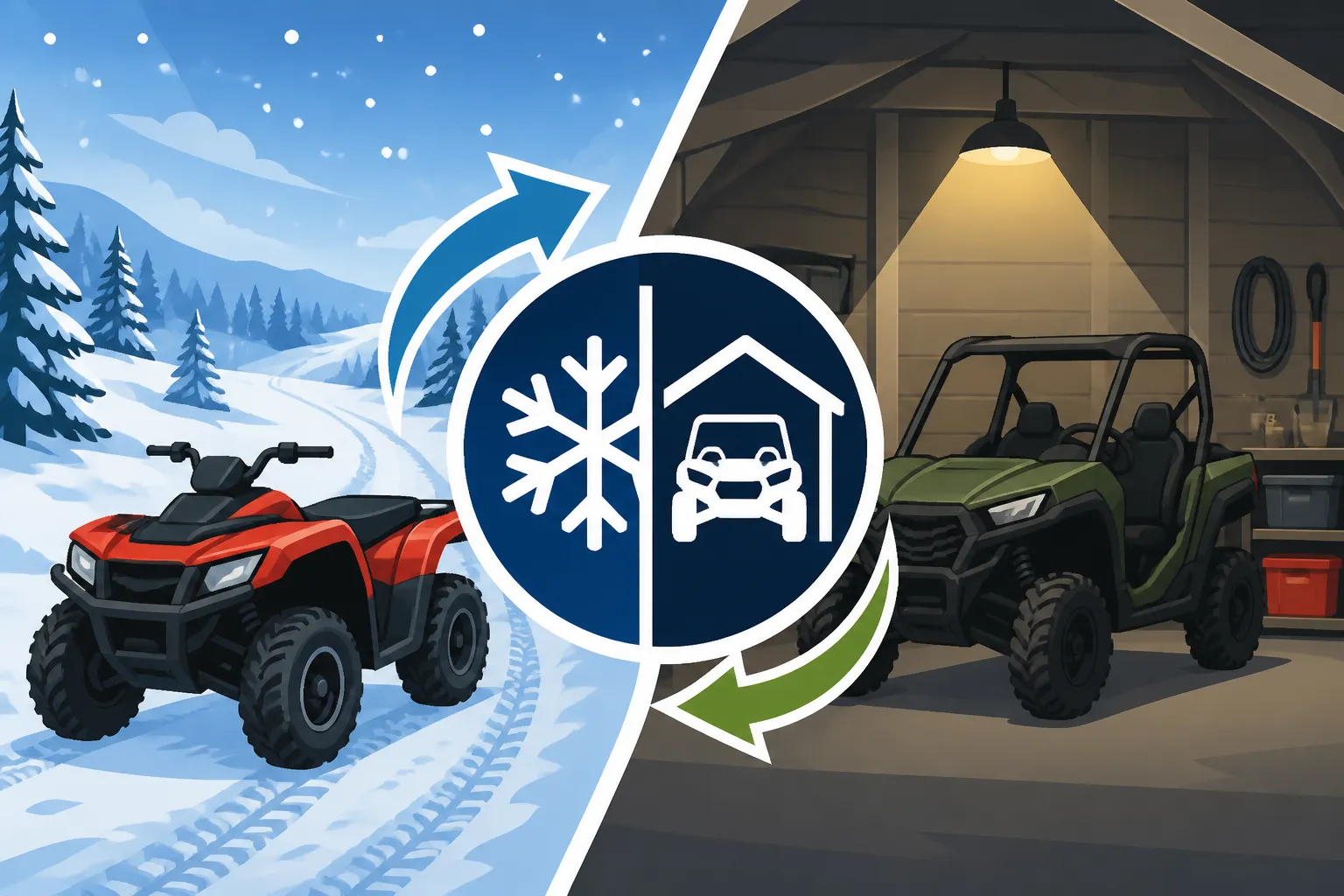
Storing a Machine Through a New Brunswick Winter
As the crisp air of late autumn settles over New Brunswick, many of us start thinking about trading our ATV or UTV keys for snow shovels. It’s a common frustration to just want to park your machine and forget about it until spring, but neglecting proper winter storage can lead to expensive headaches and a frustrating start to your next riding season. This guide will walk you through everything you need to know to properly put your quad or side-by-side away for the winter, ensuring it's ready to hit the trails when the snow finally melts.
Why Proper Winter Storage Matters for Your Off-Road Vehicle
Let's be honest, nobody enjoys spending money on repairs that could have been avoided. When you skip the steps for proper winter storage, you're essentially setting yourself up for potential mechanical issues down the road. The harsh New Brunswick winter, with its fluctuating temperatures, dampness, and long periods of inactivity, can wreak havoc on an ATV or UTV if it's not adequately prepared. Think of it like putting your house away for a long trip; you wouldn't just leave the doors unlocked and the heat off, would you? Your off-road machine deserves the same thoughtful preparation.
The biggest culprits during winter storage are often fuel degradation, battery discharge, and rust or corrosion. Fuel left untreated can separate, clog carburetors, and leave gummy deposits that are a nightmare to clean in the spring. A battery left connected and uncharged will slowly lose its power, eventually failing to hold a charge at all. And then there's rust, that insidious enemy that loves to creep into every exposed metal surface, especially in unheated, damp storage areas. Taking the time now means saving money and frustration later, making sure your machine is ready for adventure the moment the ice breaks.
Beyond the immediate mechanical concerns, thinking about the off-season also touches on practicalities like registration and insurance. While your machine might be tucked away, the rules around its legal status in New Brunswick don't disappear entirely. You might be considering if you can [Cancelling ATV Coverage in the Off Season] to save a few dollars, or if you still need to worry about [New Brunswick Annual Registration Rule] even when it's not being ridden. Understanding these nuances can help you avoid unwelcome surprises or fines, keeping your focus purely on preserving your machine for many more seasons of enjoyment.
Step-by-Step Guide to Winterizing Your ATV or UTV
Winterizing your ATV or UTV isn't a single, complicated task, but rather a series of straightforward steps that, when done correctly, will protect your investment. It’s all about addressing the specific vulnerabilities of your machine to the cold and inactivity. Don't rush this process; dedicate an afternoon, put on some music, and tackle each item methodically. You’ll thank yourself when spring arrives and your machine fires up without a hitch.
Starting with the most critical components helps. The fuel system, battery, and engine fluids are usually the top priorities because their degradation can lead to the most significant and costly problems. Beyond that, tending to the tires, suspension, and general cleanliness ensures everything remains in top condition. This comprehensive approach means you'll not only have a machine that starts easily but one that performs reliably and looks great for years to come.
Remember, every machine is a little different, so always consult your owner's manual for specific recommendations. However, the general principles covered here apply to most ATVs and UTVs. This isn’t just about making sure it runs; it’s about maintaining the value and longevity of your beloved riding partner, ensuring it's always ready for the next adventure across the beautiful New Brunswick landscape.
Fuel System Preservation
The fuel system is arguably the most critical area to address for winter storage. Gasoline, especially modern ethanol-blended fuels, can degrade rapidly, leading to gum and varnish deposits that clog fuel lines, filters, and carburetors or injectors. If you've ever had to deal with a machine that won't start in the spring because of a "gummy" carburetor, you know the headache this can cause. It’s not just a minor inconvenience; it can involve costly shop time for a thorough cleaning or even replacement parts.
To prevent this, start by adding a high-quality fuel stabilizer to a full tank of fresh gasoline. A full tank minimizes air space, reducing condensation that can introduce water into your fuel system. After adding the stabilizer, run the engine for 10-15 minutes. This ensures the treated fuel circulates through the entire system, reaching the carburetor or fuel injectors, and protecting all components from degradation. For machines with carburetors, some folks prefer to drain the float bowl after stabilization, but for most modern ATVs and UTVs with fuel injection, just running the stabilizer through is sufficient.
Another approach for carbureted machines is to drain the entire fuel system. This completely removes the fuel, eliminating any possibility of degradation. However, this method requires more effort and potentially leaves rubber seals and gaskets exposed to dry air, which can cause cracking. For most riders, stabilizing a full tank of fuel is the easier and equally effective solution, providing ample protection without the added complexity. Whichever method you choose, protecting your fuel system is paramount for a smooth start next riding season.
Battery Care
Your battery is another component that requires special attention during the cold months. Cold temperatures significantly reduce a battery's capacity and can accelerate self-discharge. Leaving a battery connected to your machine and simply letting it sit over the winter is a recipe for a dead battery in the spring, and often, a permanently damaged one that won't hold a charge. A replacement battery isn't cheap, so a little preventative care goes a long way.
The best practice is to remove the battery from your ATV or UTV. Clean the terminals thoroughly to remove any corrosion, using a wire brush and a solution of baking soda and water. Once clean, apply a thin layer of dielectric grease or terminal protector to prevent future corrosion. Store the battery in a cool, dry place where it won't freeze. Extreme cold can permanently damage a battery, so a shed or unheated garage might not be ideal if temperatures drop significantly. A basement or heated garage is often a better choice.
Once removed and cleaned, connect the battery to a smart charger or trickle charger designed for powersports batteries. These chargers maintain the battery at an optimal charge level without overcharging, extending its lifespan. Check the water level in flooded lead-acid batteries periodically, adding distilled water if necessary. Doing these steps will ensure your battery is fully charged and ready to power your adventures the moment spring arrives, saving you the hassle of jump-starts or having to buy a [New Brunswick Plate Replacement Cost] just because your battery failed.
Engine Fluids and Lubrication
Just like your fuel system, the fluids within your engine need attention before winter. Engine oil, coolant, and differential fluids all play crucial roles in protecting internal components. Leaving old, dirty oil in your engine can lead to corrosion and sludge buildup, as used oil contains contaminants that become more acidic over time. A fresh oil change is a small investment that offers significant protection.
Begin by changing the engine oil and filter. This ensures clean, fresh oil is circulating, free from contaminants and acids that can damage engine components during long-term storage. Using the manufacturer-recommended oil weight is always a good idea. While you're at it, check your coolant level and ensure it has the proper antifreeze concentration for New Brunswick winters. A 50/50 mix of coolant and distilled water is typically sufficient for preventing freezing and corrosion down to very low temperatures. If you live in an area known for extreme cold, you might consider a higher concentration.
Finally, don't forget the lubrication points. Grease all zerk fittings on your suspension, steering, and drive shafts. This pushes out old grease and moisture, protecting bearings and bushings from rust and wear. A good spray of an anti-corrosion lubricant on exposed metal parts, especially under the machine and on electrical connections, can also provide an extra layer of defense against rust. This comprehensive approach to fluids and lubrication will keep your ATV or UTV's heart ticking smoothly, ready for the trails.
Tire and Suspension Preparation
While perhaps not as critical as the engine or fuel system, proper tire and suspension care during winter storage can prevent flat spots, dry rot, and premature wear. Over several months, the weight of your machine sitting on deflated or improperly inflated tires can cause them to develop flat spots, leading to a bumpy ride when you finally get back on the trail. It can also weaken the tire structure, reducing its lifespan.
Ideally, get your ATV or UTV's tires off the ground. You can use jack stands to support the frame, taking the weight off the tires completely. If lifting it isn't feasible, inflate the tires to the maximum recommended pressure (usually found on the tire sidewall). This helps them retain their shape and prevents flat spots. Also, consider rotating the tires every few weeks if they remain on the ground, or simply moving the machine a few feet. Before storing, give the tires a good cleaning and apply a UV protectant to prevent dry rot, especially if they will be exposed to sunlight.
For the suspension, a thorough cleaning of all components is key. Remove any built-up mud, dirt, or debris, as these can hold moisture and accelerate corrosion. Inspect suspension boots for cracks or tears and replace them if necessary. Lubricate pivot points and ensure all grease fittings have been serviced as part of your fluid maintenance. Keeping the suspension clean and protected will ensure a smooth ride and prevent costly repairs down the road, making sure your adventures are comfortable and safe.
Choosing the Right Storage Location and Protecting Your Investment
Where you decide to store your ATV or UTV for the winter is just as important as how you prepare it. The ideal storage environment can make a huge difference in how well your machine fares through the cold, damp New Brunswick months. It’s not just about keeping it out of the snow; it’s about providing a stable, protected environment that minimizes environmental stressors. Whether you have access to a heated garage, a simple shed, or need to consider outdoor options, each comes with its own considerations for safeguarding your machine.
Beyond the physical location, securing your investment means thinking about documentation and theft prevention. A stored machine, particularly one out of sight, can be a target for thieves. Having proper records, like your [New Brunswick Documents You Must Carry] and proof of ownership, is vital not only for insurance claims but also for proving the machine is yours if it's ever recovered. This isn't just about peace of mind; it's about practical measures that protect your valuable asset throughout its dormancy.
Furthermore, considering the local climate and specific conditions of your chosen spot is essential. A sealed, dry garage offers the best protection, but not everyone has that luxury. If you're storing in a shed or outdoors, you'll need to take extra steps to mitigate moisture, rodent issues, and UV exposure. Thinking through these factors now will prevent you from facing unexpected damage or losses when you're ready to ride again in the spring.
Indoor Storage Options
Indoor storage is hands-down the best option for your ATV or UTV during a New Brunswick winter. A heated garage provides the ultimate protection, shielding your machine from extreme cold, fluctuating temperatures, and dampness. In such an environment, the risk of rust, corrosion, and fluid freezing is drastically reduced. You can often get away with slightly less intensive winterization steps, though it’s still wise to follow the main recommendations for fuel stabilization and battery care. A heated space helps maintain seals and rubber components, preventing drying and cracking.
If a heated garage isn't available, an unheated garage or a well-sealed shed is the next best choice. These spaces still offer significant protection from direct snow, rain, and wind. The key here is to minimize humidity. Ensure the space is dry and well-ventilated. Using moisture-absorbing products, such as desiccant packets or buckets of DampRid, can help control humidity, especially if the space tends to get damp. Placing your machine on a concrete floor might require an extra barrier like a large sheet of plywood or heavy-duty tarp underneath to prevent moisture wicking up from the ground.
Regardless of whether your indoor space is heated or unheated, covering your ATV or UTV with a breathable cover is highly recommended. A breathable cover prevents dust accumulation while still allowing air circulation, which helps prevent moisture buildup underneath. Avoid plastic tarps that can trap condensation and actually promote corrosion. Take extra precautions against rodents by plugging exhaust pipes and air intakes with steel wool or rags, as mice and other critters love to nest in cozy, dark spaces during winter.
Outdoor Storage Considerations
Sometimes, indoor storage simply isn't an option. If your ATV or UTV must endure the New Brunswick winter outdoors, you'll need to double down on your protective measures. While less than ideal, outdoor storage can be managed successfully with careful preparation and the right equipment. The goal is to create as much of an "indoor-like" environment as possible, shielding your machine from the elements and minimizing direct exposure to harsh weather.
The first and most critical step for outdoor storage is a robust, waterproof, and breathable cover. This isn't just a dust cover; it needs to be heavy-duty enough to withstand snow, ice, wind, and UV radiation. Look for covers specifically designed for outdoor powersports storage, often made from marine-grade fabric. Ensure it fits snugly but still allows for some airflow underneath to prevent condensation. Securing the cover properly with straps or bungee cords is essential to prevent it from blowing off in a winter storm. Placing the machine on a sturdy pallet can also help lift it off the cold, damp ground, preventing moisture from seeping up.
Rodent protection becomes even more crucial for outdoor storage. Fill exhaust pipes and air boxes with steel wool to deter critters from setting up home. Consider placing rodent repellents (natural or chemical, depending on your preference) around the machine. Finally, choose a location that offers some natural shelter, like under an overhang or against a wall, but ensure it's not directly in a drainage path. Regularly check on your machine throughout the winter, especially after heavy snowfalls or strong winds, to ensure the cover is intact and everything remains protected.
Securing Your Machine and Documentation
Whether stored indoors or out, safeguarding your ATV or UTV from theft is a serious consideration. These machines are valuable assets, and a long period of inactivity can make them an easy target if not properly secured. Don't assume that just because it's out of sight, it's safe. Taking a few extra steps now can save you the heartache and financial loss of a stolen machine. Even in a small town, opportunistic theft can happen, so it's always best to be prepared.
Start with physical security. If in a garage or shed, ensure the doors are locked and secure. Consider adding extra padlocks or even an alarm system. For the machine itself, use heavy-duty chains and locks to secure it to an immovable object, like a concrete anchor or a sturdy support beam. Wheel clamps or disc locks can add another layer of deterrence. If you have multiple machines, like an ATV and a side-by-side, consider chaining them together. For outdoor storage, placing the machine in a less visible spot and using multiple locking devices is paramount. You might even consider a GPS tracker for high-value machines.
Equally important is having all your documentation in order. Keep copies of your registration certificate, bill of sale, and insurance policy in a secure location separate from your machine. Take detailed photos of your ATV or UTV, noting any unique features, accessories, or serial numbers (like the VIN). Should the unthinkable happen and your machine is stolen, having these documents and photos readily available will be invaluable for filing a police report and making an insurance claim. You might even use a service like LawDepot to draft a simple "Declaration of Ownership" or similar document if you've done significant modifications or have specific proof of purchase details that aren't on a standard bill of sale. This level of documentation can be incredibly helpful for authorities if your machine is ever recovered, especially if its [New Brunswick Registration Without a Bill of Sale] was a complex process to begin with.
Addressing Registration and Insurance During the Off-Season
Even when your ATV or UTV is hibernating, its legal status and protection shouldn't be overlooked. Many New Brunswick riders wonder about what to do with their [New Brunswick ORV Registration Explained] and [New Brunswick Requires Insurance on Trails] requirements when the machine isn't actively being ridden. It's a valid question, as saving money during the off-season is always appealing. However, making informed decisions here is crucial to avoid potential legal issues or leaving yourself vulnerable to financial loss.
The key is understanding the distinction between actively riding on trails and simply storing your machine. While trail insurance is a must for riding the QuadNB network, the need for it might change if your machine is genuinely in storage and off-limits to any use. Similarly, New Brunswick's annual registration has a specific renewal cycle, and you need to know if you still need to keep it current or if there are options for cancelling. These considerations directly impact your wallet and your peace of mind.
It’s also wise to consider scenarios beyond just storage, such as loaning your machine or having someone else store it for you. This is where a little bit of proactive documentation can be extremely beneficial. If you're looking to solidify agreements, whether for ownership or temporary custody, resources like LawDepot can provide templates for personal property agreements or affidavits of ownership that might be helpful in various scenarios. This foresight can prevent disputes or clarify responsibilities down the line.
Maintaining Your Registration Status
In New Brunswick, the registration for your ATV or UTV typically expires on December 31st each year. This means that even if your machine is stored away for the winter, you'll generally need to renew its registration to keep it current for the upcoming riding season. While you might not be hitting the trails in January, having an up-to-date registration means you won't face any delays or complications when the spring thaw finally arrives. It's much easier to renew when you remember than to deal with it last minute or find yourself scrambling when you want to take that first ride of the season.
Some riders might consider letting their registration lapse, especially if they don't plan to ride until late spring or summer. While technically possible, remember that an unregistered machine still presents issues. If you need to move it, even just on a trailer for maintenance, it's generally expected to be registered. Furthermore, an expired registration can complicate things if you decide to sell the machine during the off-season. Buyers typically prefer a machine with current paperwork, or at least easily renewable. A lapsed registration can also be a red flag during a [New Brunswick Record Search at $8] if you're trying to prove clear ownership.
The safest and most straightforward approach is usually to simply renew your registration as usual, even if the machine is stored. You can often do this conveniently online or by phone, making it a quick task that eliminates any worries later. This ensures your machine is always street (or trail) legal, protecting you from potential fines if you were caught transporting an unregistered machine, and smoothing the process for any future transactions. Remember, even if it's sitting idle, it's still your responsibility to keep its official status in order. You wouldn't want to get hit with a [New Brunswick No-Registration Fine of $172.50] just for moving your machine to a new storage spot.
Insurance During Winter Storage
The question of ATV and UTV insurance during winter storage is one that often prompts riders to consider adjustments. In New Brunswick, if you plan to ride on managed trails (like those maintained by QuadNB), carrying liability insurance is mandatory. However, if your machine is strictly stored and won't see a trail until spring, some riders wonder if they can reduce or even cancel their coverage to save money. This decision requires careful thought, weighing potential savings against the risks.
Many insurance providers offer different types of coverage. A basic liability policy protects you financially if you cause an accident that results in injury or property damage to others. Comprehensive and collision coverage, on the other hand, protects your machine itself from damage, theft, vandalism, or other perils, regardless of who is at fault. If you cancel your comprehensive and collision coverage during storage, you save on premiums, but you leave your machine unprotected against theft, fire, or damage while it's sitting idle. Imagine your shed catching fire or your ATV being stolen; without this coverage, you'd be out of pocket for the full replacement cost.
A common strategy for machines in storage is to switch to "storage-only" or "fire and theft" coverage, if your provider offers it. This significantly reduces your premium while still protecting your machine from major risks like theft, fire, and vandalism. It's a great middle-ground solution that offers peace of mind without the full cost of active riding coverage. Always check with your insurance provider to understand your options and ensure you're making an informed decision about your coverage during the off-season. They can also explain any implications for your overall insurance history if you completely cancel a policy versus reducing it.
Documentation for Off-Season Situations
Beyond registration and standard insurance, consider what other documentation might be useful during the off-season, especially if unique situations arise. For example, if you're storing your ATV or UTV on someone else's property, like a friend's barn or a paid storage facility, having a simple written agreement can be a wise move. This doesn't need to be a complex legal document, but even a basic letter outlining the terms of storage, duration, and access can prevent misunderstandings later. This is where tools like LawDepot can come in handy, offering templates for personal property storage agreements that can be customized to your specific situation.
Another scenario where documentation is vital is if you anticipate someone else needing to handle your machine while you're away or unable to do so yourself. Perhaps a family member will be checking on it, or you're loaning it to a mechanic for winter work. A written authorization, or even a basic power of attorney for specific actions related to the ATV/UTV, can clarify their authority and protect you both. This might cover everything from authorizing repairs to simply moving the machine. Clear paperwork helps avoid potential disputes and provides a record of who is responsible for what.
Finally, always keep a record of your winterization efforts. Jot down the date you stabilized the fuel, changed the oil, or performed any other maintenance. This not only helps you track your maintenance schedule but also provides valuable information if you ever need to sell the machine. A prospective buyer will appreciate a diligent owner who can demonstrate a history of proper care, including [New Brunswick Machines Stored Over Winter] preparedness. This paper trail, whether formal or informal, adds value and peace of mind.
Disclaimer
This article is for general informational purposes only and does not constitute professional advice. Laws, prices and regulations vary by location and change over time. Consult a qualified professional for guidance on your specific situation.