Customs Paperwork at Woodstock
Bringing an ATV or UTV across the border into New Brunswick can feel like navigating a maze of paperwork and rules, especially when you're dreaming of hitting those incredible trails rather than filling out forms. This guide is here to untangle the specifics of customs paperwork when importing your off-road vehicle through the Woodstock port of entry, ensuring your machine, whether new to you or simply new to the province, gets on the books without unnecessary headaches.
Understanding the Basics of Importing an ATV/UTV into New Brunswick
So, you've found the perfect off-road vehicle, perhaps a quad from Maine or a side-by-side from another part of Canada, and you're ready to bring it home to New Brunswick. The excitement is real, but so is the need to get your ducks in a row with customs. It's not just about driving across the line; it's about officially welcoming your machine into the province.
Why Woodstock is a Key Border Crossing for ORV Imports
Woodstock, New Brunswick, isn't just a picturesque town; it's a vital gateway for many looking to import goods, including off-road vehicles, into the province. Sitting right on the Trans-Canada Highway at the US border, it's a convenient and frequently used port of entry for travelers coming from Maine and beyond. For riders, this often means it’s the most logical and straightforward point to bring their new-to-them ATV or UTV into New Brunswick. However, its convenience doesn't lessen the need for meticulous preparation.
When you approach the Woodstock border, remember you're entering an official customs zone. The officers there are responsible for ensuring that all goods, including your shiny new quad, meet Canadian import regulations. This means having all your paperwork perfectly in order, ready for scrutiny. It's not just a quick wave-through like some might imagine; it's a formal process that, when respected, ensures a smooth transition for your vehicle. Thinking ahead about what you need at this particular crossing can save you a lot of time and potential frustration.
Essential Documents You'll Need at the Border
The golden rule for any border crossing, especially when importing a vehicle, is "paperwork, paperwork, paperwork." Without the correct documentation, you could face significant delays, fines, or even have your vehicle turned back. Customs officers need to verify ownership, value, and origin. For your ATV or UTV, this means a few key pieces of paper are absolutely non-negotiable.
First and foremost, you'll need proof of ownership. If it's a brand-new machine, this will typically be a Manufacturer's Statement of Origin (MSO) or Certificate of Origin. For a used machine, you'll need the original title or registration from the previous jurisdiction, clearly showing the previous owner's name and the vehicle's details. This document proves the machine legally belongs to the person selling it, and that you are now legally acquiring it.
Next up is the bill of sale. This document is crucial because it establishes the transaction and the value of the machine. It needs to be clear, legible, and ideally, professionally prepared. Sometimes, a simple handwritten note isn't enough to satisfy customs officials, especially when calculating taxes. This is where services like LawDepot can be incredibly helpful. They offer templates for bills of sale that cover all the necessary legal ground, ensuring every detail, from the buyer and seller information to the vehicle's VIN and agreed-upon price, is accounted for. Having a robust bill of sale will streamline the process immensely and help prevent questions about the purchase price.
Finally, don't forget your personal identification. Your passport or enhanced driver's license is essential for yourself, and any passengers. The customs officer will verify your identity against the ownership documents. You might also need to present proof of residency, like a utility bill, if your identification doesn't clearly show your New Brunswick address. For a full rundown of what you'll need, check out our guide on [New Brunswick Registration Paperwork Checklist].
Navigating the Customs Process at Woodstock
Once you've got your documents lined up, the actual process at the border crossing needs a bit of understanding. It’s not just about handing over papers; it’s about making a clear declaration and being ready for verification.
Declaring Your Machine and Paying Duties/Taxes
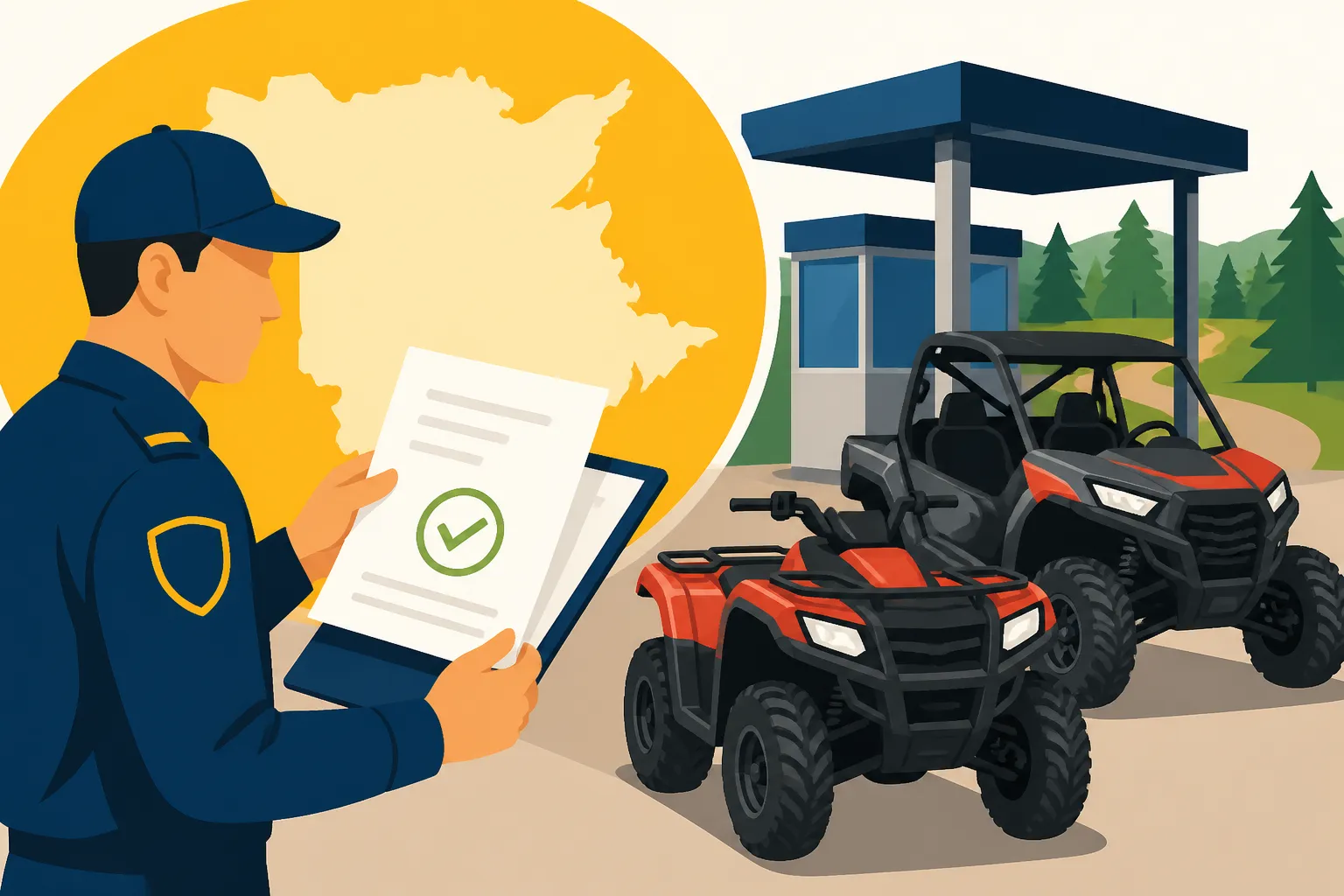
When you pull up to the customs booth at Woodstock, the first step is always to declare what you are bringing into the country. Be upfront and clear about importing an ATV or UTV. Don't try to minimize its value or omit details; honesty is truly the best policy here. The customs officer will then review your ownership documents and the bill of sale to determine the vehicle's value.
Based on this declared value, you will be assessed for taxes. In New Brunswick, this means the Harmonized Sales Tax (HST) will apply to the purchase. If you bought the machine from a private seller outside Canada, you'll be paying the HST at the border. The amount will be calculated on the purchase price listed on your bill of sale. There can also be duties, depending on the country of origin and specific trade agreements. It's always best to be prepared for these costs. For more information on the tax implications, you might find our article on [New Brunswick HST on an ATV Purchase] useful.
Payment for these taxes and duties is typically accepted via major credit card, debit card, or cash in Canadian funds. Ensure you have a method of payment readily available. It’s a common frustration for people to be held up because they didn't anticipate the taxes or didn't have the means to pay on the spot. Having a clear, detailed bill of sale, perhaps one created using a professional template from LawDepot, can make the calculation process much smoother and faster. It leaves less room for ambiguity regarding the vehicle's value.
What to Expect During Inspection and Verification
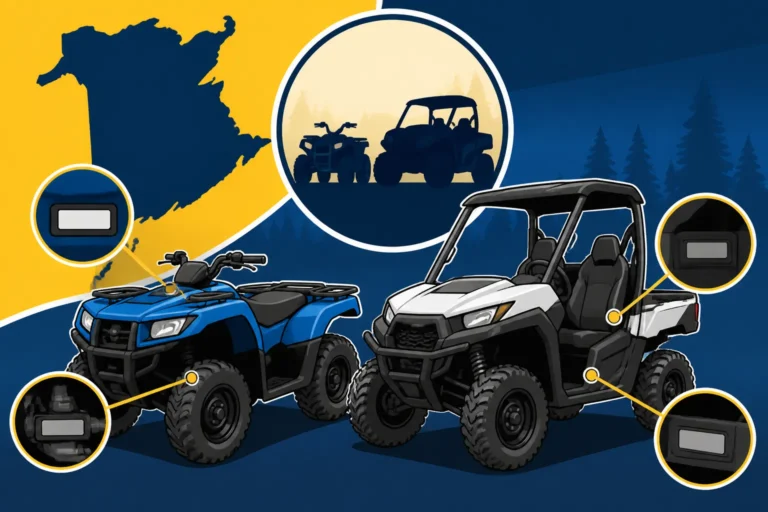
After you've declared your machine and customs has reviewed your paperwork, they might want to conduct a physical inspection. This is a standard part of the process, so don't be alarmed. The customs officer will typically want to verify the Vehicle Identification Number (VIN) on the machine against the VIN on your ownership documents and bill of sale. They'll look for the VIN in its usual spots – often stamped on the frame, or on a compliance sticker.
They might also do a quick visual check of the machine itself. They’re ensuring that what's declared on paper matches the physical item. Discrepancies, such as a different VIN, or a machine that appears to be significantly different from its description, can lead to further questions and delays. It's a good idea to have your machine easily accessible for inspection, not buried under a pile of gear.
In some cases, especially if there are concerns about safety standards or modifications, they might ask more detailed questions. It's important to remember that all vehicles imported into Canada must meet Canadian safety and emission standards. While most standard ATVs and UTVs from the US are generally compatible, heavily modified or non-standard machines might require additional scrutiny. This entire verification process is designed to protect both the consumer and the country, ensuring that only legitimate and compliant vehicles enter New Brunswick. If you're importing from Maine, familiarize yourself with general import rules, as detailed in [Importing a Machine From Maine].
Post-Customs: Registering Your Newly Imported ATV/UTV in New Brunswick
Clearing customs is a huge hurdle, but it's not the finish line. Once you've successfully brought your ATV or UTV into New Brunswick, there's another crucial step before you can hit the trails: getting it officially registered with the province.
Taking Your Customs Paperwork to Service New Brunswick
Think of your customs clearance documents as your golden ticket for the next step. Once you've left the Woodstock border crossing, your next destination (or at least your next administrative task) involves Service New Brunswick. They are the provincial authority responsible for vehicle registrations, and they need proof that your machine has legally entered the country and that all applicable federal taxes and duties have been paid.
When you visit a Service New Brunswick centre, you'll need to bring all the paperwork from your customs process. This typically includes the original title or MSO, your detailed bill of sale (again, a robust document from a service like LawDepot is invaluable here), and the import form (Form 1, or equivalent) provided by the Canada Border Services Agency (CBSA) at the border. This import form confirms that your vehicle has been declared and that all federal payments have been processed. Without it, Service New Brunswick cannot proceed with your registration.
The process at Service New Brunswick involves completing an application for vehicle registration, presenting your identification, and paying the provincial registration fees. They will cross-reference the VIN and ownership details. This is the moment your imported machine officially becomes a registered New Brunswick off-road vehicle. For a step-by-step guide on this, refer to [How to Register an ATV in New Brunswick]. It's crucial not to ride your machine until this registration is complete, as riding an unregistered machine can lead to fines, as highlighted in [New Brunswick Penalties for Riding Unregistered].
Common Pitfalls and How to Avoid Them
Even with the best intentions, people often run into snags when importing and registering an ATV or UTV. Being aware of these common pitfalls can help you steer clear of them.
One of the biggest issues is incomplete or incorrect documentation. A handwritten bill of sale with vague details, a missing signature, or an unclear purchase price can flag problems at both customs and Service New Brunswick. Always aim for clarity and completeness. Using a reliable template, perhaps from LawDepot, for your bill of sale can prevent many of these headaches by ensuring all the necessary fields are included and properly filled out.
Another pitfall is misunderstanding the tax implications. Some buyers, especially those new to importing, are surprised by the HST and potential duties. Always factor these costs into your budget before you commit to purchasing a machine from outside the province. Don't assume the price you pay the seller is your final cost.
Finally, not verifying the machine's history can lead to significant problems. Before purchasing a used machine, especially from a private seller, always try to conduct a record search. This can reveal if the vehicle has outstanding liens, if it's been reported stolen, or if there are other red flags. This information isn't always available across borders, but doing your due diligence with the seller is paramount. Our article on [What a Record Search Shows Before You Buy Used] has more on this. Ignoring these steps can result in buying a machine that you simply can't register or that comes with unexpected financial burdens.
| Document Type | Purpose at Customs | Purpose at Service New Brunswick | Key Details to Check |
|---|---|---|---|
| Proof of Ownership | Verifies legal ownership, previous jurisdiction's registration | Confirms ownership for provincial registration | Seller's name, VIN, model, year, clear title/MSO |
| Bill of Sale | Establishes purchase price for tax calculation | Confirms transaction details, value for provincial tax if applicable | Buyer/seller info, date, price, VIN, machine description |
| Personal ID | Verifies your identity as the importer | Verifies your identity as the registrant | Valid passport/driver's license, proof of address |
| CBSA Import Form | Documentation of successful customs clearance | Required proof of legal import for provincial registration | Date of import, duties/taxes paid, customs officer signature |
Always take the time to prepare thoroughly. The trails of New Brunswick will be waiting for you, and getting your paperwork right means you'll be able to enjoy them without worry.
Disclaimer
This article is for general informational purposes only and does not constitute professional advice. Laws, prices and regulations vary by location and change over time. Consult a qualified professional for guidance on your specific situation.