New Brunswick Registration for a Visiting Rider
Heading out on an ATV or UTV adventure in New Brunswick when you're visiting from another province or state can be incredibly exciting, but the last thing you want is a legal headache ruining your trip. Many riders assume their home registration and insurance will automatically cover them, only to find out after a conversation with an enforcement officer that things aren't quite so simple. This guide is here to walk you through everything a visiting rider needs to know about registration, permits, and paperwork to ensure your time on our beautiful trails is nothing but smooth sailing.
Understanding New Brunswick's Approach to Visiting Riders
When you’re planning to bring your off-road vehicle (ORV) across the border into New Brunswick, whether it’s from another Canadian province or the United States, it’s only natural to wonder if your current registration is going to cut it. It’s a common question, and thankfully, New Brunswick has put some clear guidelines in place, often involving reciprocal agreements designed to make it easier for visitors.
The Basic Rule for Out-of-Province ORVs
The general rule of thumb in New Brunswick is that if your ATV or UTV is legally registered in your home province or state, that registration is usually recognized here. This is a huge relief for many riders, as it means you don't typically have to jump through hoops to get a separate New Brunswick registration just for a visit. Think of it like driving your car: as long as it's legal where it's from, you're usually good to go for a temporary stay. However, "usually" is the key word, and there are some crucial distinctions. Your vehicle still needs to meet the general safety standards of your home jurisdiction, and you must be able to prove its registration and your ownership if asked. It's also important that your home province's registration is current and valid. An expired registration from back home won't give you a free pass here in New Brunswick.
Reciprocity Agreements: Who's in, Who's Out
New Brunswick has established reciprocal agreements with several jurisdictions, which essentially means we recognize each other's ORV registrations and sometimes even trail permits. These agreements are fantastic because they simplify things immensely for riders traveling between these areas.
For our neighbours in Nova Scotia and Prince Edward Island, the news is generally good. If your machine is registered there, New Brunswick usually honours it. This means less paperwork for you and more time on the trails. The same often applies to riders from Ontario; their registrations are typically recognized here as well. This spirit of cooperation helps foster a vibrant inter-provincial riding community. However, it's always a good idea to confirm the latest status of these agreements, especially regarding trail permits, as policies can sometimes evolve.
When it comes to our friends south of the border, particularly from Maine, New Brunswick also has a standing agreement. This is a big win for cross-border trail riding, as it connects vast networks of trails and allows riders to experience the best of both worlds. Maine riders can typically use their home state registration when visiting New Brunswick. For visitors from other US states, your home registration is generally recognized, but there might be additional requirements concerning insurance or specific permits, especially if your state doesn't have a formal reciprocal agreement.
One important note for our Quebec neighbours: there was a period when Quebec and New Brunswick had a strong reciprocity agreement regarding trail permits through their respective federations. However, [New Brunswick Ended Quebec Reciprocity] for trail permits, meaning that even if your machine is registered in Quebec, you'll still need a New Brunswick trail permit to ride on our managed trails. This is a significant change that caught some riders off guard, so it’s essential to be aware of it. While your Quebec registration is likely still recognized for the machine itself, your trail access requires that separate New Brunswick permit. It’s a good example of how these agreements can change, and why checking current regulations before you load up the trailer is always a smart move.
What to Carry When Riding in New Brunswick
Even if your out-of-province registration is recognized here, you can't just hit the trails empty-handed. Just like driving your car, there are specific documents you'll need to have with you at all times. Failing to produce these can lead to fines and a lot of unnecessary hassle, turning a fun day into a frustrating one.
Essential Documents for Every Rider
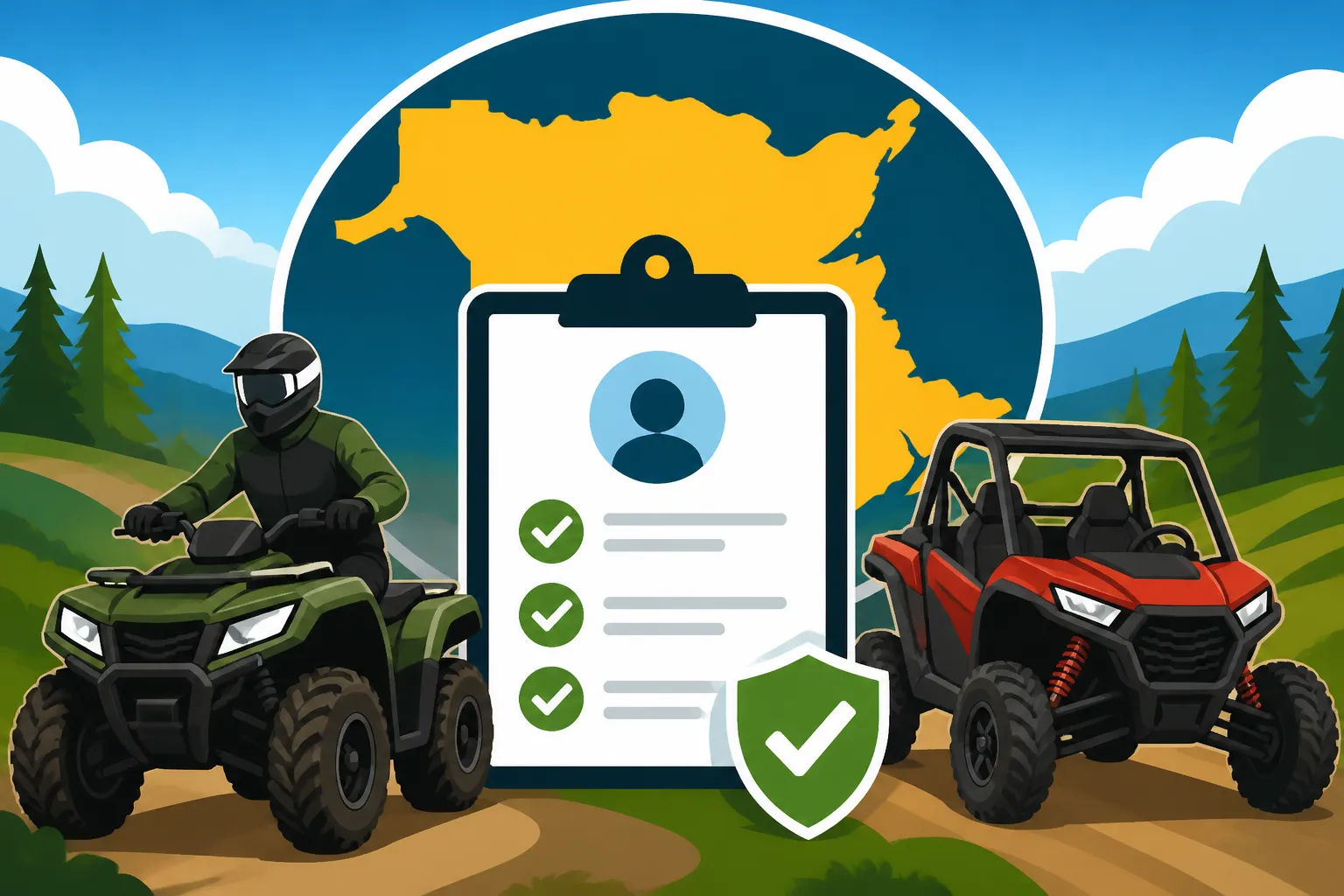
When an enforcement officer, whether it’s an RCMP officer or a local Fish and Wildlife officer, stops you on a trail in New Brunswick, they're typically looking for four key pieces of information. The first is proof of your off-road vehicle's registration from your home province or state. This document verifies that your machine is legally allowed on public land and trails. Make sure it's current and in your name, or the name of the owner if you're borrowing it. If you're riding a borrowed machine, having a letter of permission from the owner can be incredibly helpful, especially if their name is on the registration. Sometimes, a basic form from a reputable online legal document service like LawDepot could help formalize such a permission letter, ensuring it includes all necessary details and signatures.
Secondly, you need proof of insurance. New Brunswick requires that any ORV operating on designated trails or public lands carry liability insurance. [New Brunswick Requires Insurance on Trails], and this applies to visitors too. Your out-of-province insurance policy should cover you while riding here. Make sure you have your insurance card or policy document readily accessible. An officer needs to see that you’re covered in case of an accident.
Thirdly, you must carry a valid driver's license or an equivalent permit from your home jurisdiction. This proves you are authorized to operate the machine. For young riders, special rules apply regarding age and supervision, and they too must carry appropriate documentation from their home province or state. And finally, your trail permit, if applicable, which we'll discuss next. [New Brunswick Documents You Must Carry] emphasizes the importance of having all these papers on hand. I've heard too many stories of riders leaving their paperwork back at camp or in the truck, only to face a fine for not being able to produce it immediately. A waterproof pouch kept on the machine is a lifesaver.
Trail Permits and Membership
Beyond your machine's registration and your personal documentation, New Brunswick's extensive network of managed trails, primarily maintained by QuadNB (the New Brunswick All-Terrain Vehicle Federation), requires a trail permit. This is where many visiting riders can get tripped up, especially those from jurisdictions where trail permits aren't as prevalent or are managed differently.
If you plan on riding on any of the designated QuadNB trails – and trust me, that's where you'll want to be to experience the best of New Brunswick's off-road offerings – you will need a New Brunswick trail permit. This permit helps fund the maintenance, grooming, and signage of these fantastic trails. For visitors from Nova Scotia, Prince Edward Island, and Ontario, there are often reciprocal agreements that mean your home province's trail permit might be recognized. However, it's critical to verify the current status of these agreements with QuadNB directly, as they can change. As mentioned, the reciprocity agreement with Quebec for trail permits has ended, so riders from Quebec will need to purchase a New Brunswick permit. For riders from Maine, there's often a combined network agreement, but again, confirming the specific requirements is always prudent.
You can purchase these permits from various locations, including some Service New Brunswick centres, local QuadNB clubs, and participating dealerships. There are different types of permits, including annual, weekly, and daily options, which can be convenient for visitors on a shorter trip. Getting one means you're contributing to the amazing trail infrastructure and ensures you're riding legally. Think of it as your passport to New Brunswick's wilderness, allowing you to explore [New Brunswick's 10,000 Kilometres of Trail] with peace of mind. Without it, you could face fines, even if your machine is perfectly registered in your home province. It's an investment in your enjoyment and the future of our trails.
When Your Home Registration Isn't Enough
While New Brunswick generally welcomes visiting riders with open arms and recognizes valid out-of-province registrations, there are specific situations where your home paperwork simply won't cut it. Being aware of these exceptions is crucial to avoid any unexpected issues during your visit.
No Reciprocity or Expired Home Registration
Let's start with the obvious: if your home province or state doesn't have a reciprocity agreement with New Brunswick, or if your registration is expired, you're not in the clear. Some jurisdictions, while having ORV registration, might not have a formal agreement for mutual recognition with New Brunswick. In such cases, or if your registration has simply lapsed, you could be treated as if you're riding an unregistered machine. The penalties for [New Brunswick No-Registration Fine of $172.50] are no joke, and they apply to visitors just as they do to residents.
What should you do then? If you find yourself in this situation, or if you're unsure, your best bet is to contact Service New Brunswick before your trip. They can advise you on whether you might need to obtain a temporary New Brunswick registration. While less common for short visits, it is a possibility, and being proactive can save you a world of trouble. Think of it as getting a temporary permit to ride in New Brunswick, ensuring you meet all local requirements. This might involve a bit of extra paperwork, but it's far better than facing a fine or having your machine impounded.
Importing Your Machine Permanently to New Brunswick
Sometimes, a "visit" turns into a permanent move! If you're a visiting rider who falls in love with New Brunswick (and who could blame you?) and decides to relocate here with your ATV or UTV, then your out-of-province registration will no longer suffice. Once you become a resident, you'll need to officially register your machine in New Brunswick.
This process involves transferring your vehicle's registration from your previous jurisdiction to New Brunswick. It typically requires a bill of sale or proof of ownership, your previous registration certificate, and an application form. You'll visit a Service New Brunswick centre, much like a new resident would for a car. There might be taxes or fees involved, and you'll need to ensure your machine meets any specific New Brunswick standards. The process for [New Brunswick Registration for an Imported Machine] is quite straightforward, but it’s a definite step you need to take once you've made the move. Having clear documentation of your ownership, perhaps a comprehensive bill of sale drafted using resources like LawDepot, can make this transition much smoother.
Common Pitfalls and How to Avoid Them
Even with the best intentions, visiting riders can sometimes stumble into common misunderstandings or overlook certain rules that are unique to New Brunswick. Being aware of these pitfalls can help you steer clear of trouble and ensure your ride is enjoyable and compliant.
Misunderstandings About "Private Land" Exemptions
Many provinces and states have rules that allow you to ride an unregistered or uninsured ATV on your own private property. This leads some visiting riders to mistakenly believe that if they're riding on someone else's private land in New Brunswick, they don't need to meet New Brunswick's registration or insurance requirements. This is a common and potentially costly misconception.
While [New Brunswick Owner-Only Private Land Exemption] exists for New Brunswick residents riding on their own land, it generally does not extend to visitors, nor does it typically apply if you are riding on private land other than your own, even with permission. If you're riding on a friend's woodlot or a rented camp property, for example, your machine still needs to be registered and insured according to New Brunswick law, or covered by a valid reciprocal agreement. The moment your wheels touch a designated trail, a public road (where permitted), or even crown land, you're expected to be fully compliant. Always clarify land ownership and whether the area connects to a public trail system. When in doubt, assume you need to be fully registered and permitted. Having a documented permission from the landowner, possibly using a basic agreement form from LawDepot, can be helpful if you're riding on private property, but it doesn't negate the need for proper ORV registration and insurance.
Consequences of Non-Compliance
Ignoring New Brunswick's ORV regulations, even inadvertently, can lead to serious consequences that can quickly sour your trip. The enforcement officers here take these rules seriously, not to be killjoys, but to ensure safety and responsible riding for everyone.
The fines for riding an unregistered machine are substantial. As mentioned earlier, [New Brunswick No-Registration Fine of $172.50] is a reality, and that's just for the machine itself. If you're caught riding without the required insurance, the fine can be even steeper, with [New Brunswick Uninsured ATV Fine of $604.50]. Imagine trying to explain that back home! Beyond the monetary penalties, officers also have the authority to impound your machine, which is a logistical nightmare and can add significant costs in towing and storage fees. This isn't just a slap on the wrist; it's a serious impediment to your trip.
Furthermore, if you're riding on designated trails without the proper trail permit, you could also face fines. [New Brunswick Trail Permit Fines] can also be quite high, adding to your woes. These fines are designed to deter illegal riding and encourage participation in the system that maintains the very trails you're enjoying. It’s also important to remember that ignorance of the law is generally not considered a valid excuse. Taking the time to understand these rules beforehand, or making a quick call to Service New Brunswick or QuadNB, is a small effort compared to the potential headaches and costs of non-compliance. Don't let a simple oversight turn your adventure into an expensive lesson.
Here's a quick reference table for reciprocity agreements:
| Originating Province/State | ORV Registration Recognized in NB? | Trail Permit Reciprocity with QuadNB? | Special Considerations |
|---|---|---|---|
| Nova Scotia | Yes | Generally Yes | Confirm current agreement details with QuadNB. |
| Prince Edward Island | Yes | Generally Yes | Confirm current agreement details with QuadNB. |
| Ontario | Yes | Generally Yes | Confirm current agreement details with QuadNB. |
| Quebec | Yes | No (separate NB permit required) | [New Brunswick Ended Quebec Reciprocity] for trail permits. |
| Maine (USA) | Yes | Combined Network Agreement | Confirm specific rules for trail access. |
| Other US States | Generally Yes | No (separate NB permit required) | Ensure home insurance is valid in NB; confirm with Service NB. |
| Other Canadian Provinces | Generally Yes | Unlikely (separate NB permit required) | Confirm specific rules with Service NB and QuadNB. |
In conclusion, New Brunswick offers an incredible off-road riding experience, and we love having visitors explore our province. By taking a few moments to understand the registration, insurance, and trail permit requirements, you can ensure your trip is memorable for all the right reasons. Always carry your documentation, check current reciprocity agreements, and when in doubt, make that call before you load up your machine. Happy trails!
Disclaimer
This article is for general informational purposes only and does not constitute professional advice. Laws, prices and regulations vary by location and change over time. Consult a qualified professional for guidance on your specific situation.